
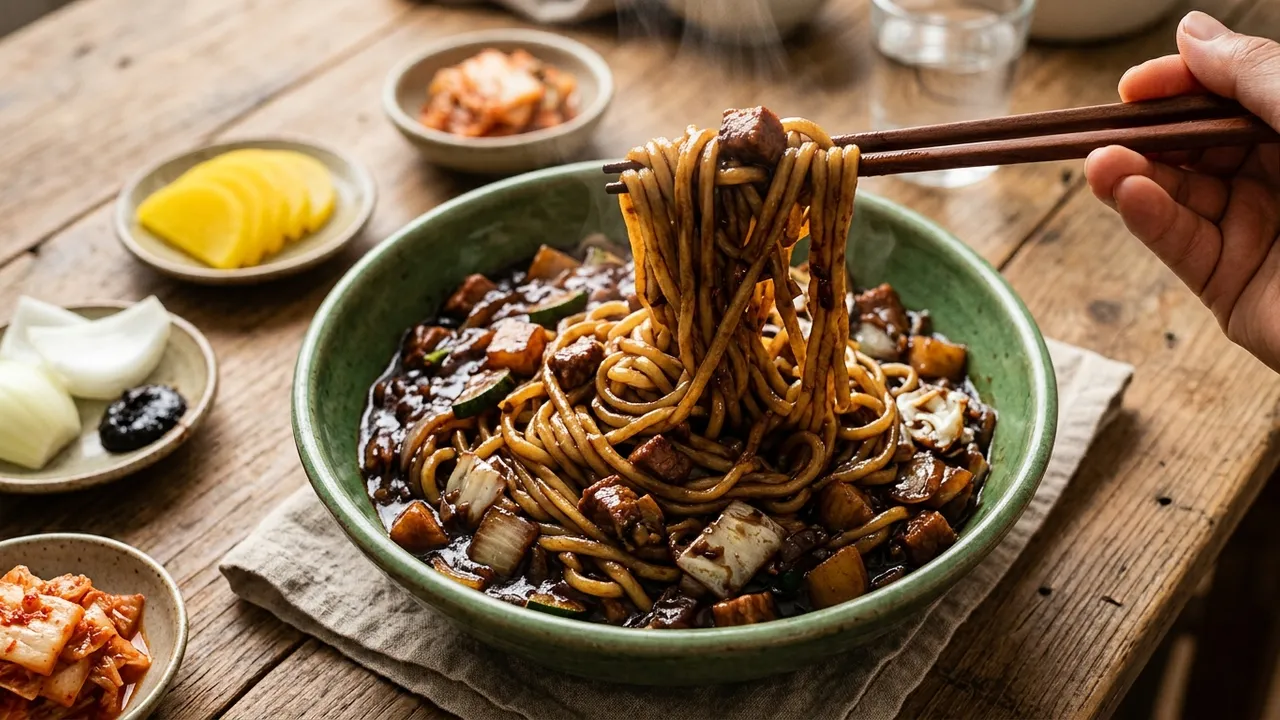
Restaurant-Style Jjajangmyeon Recipe
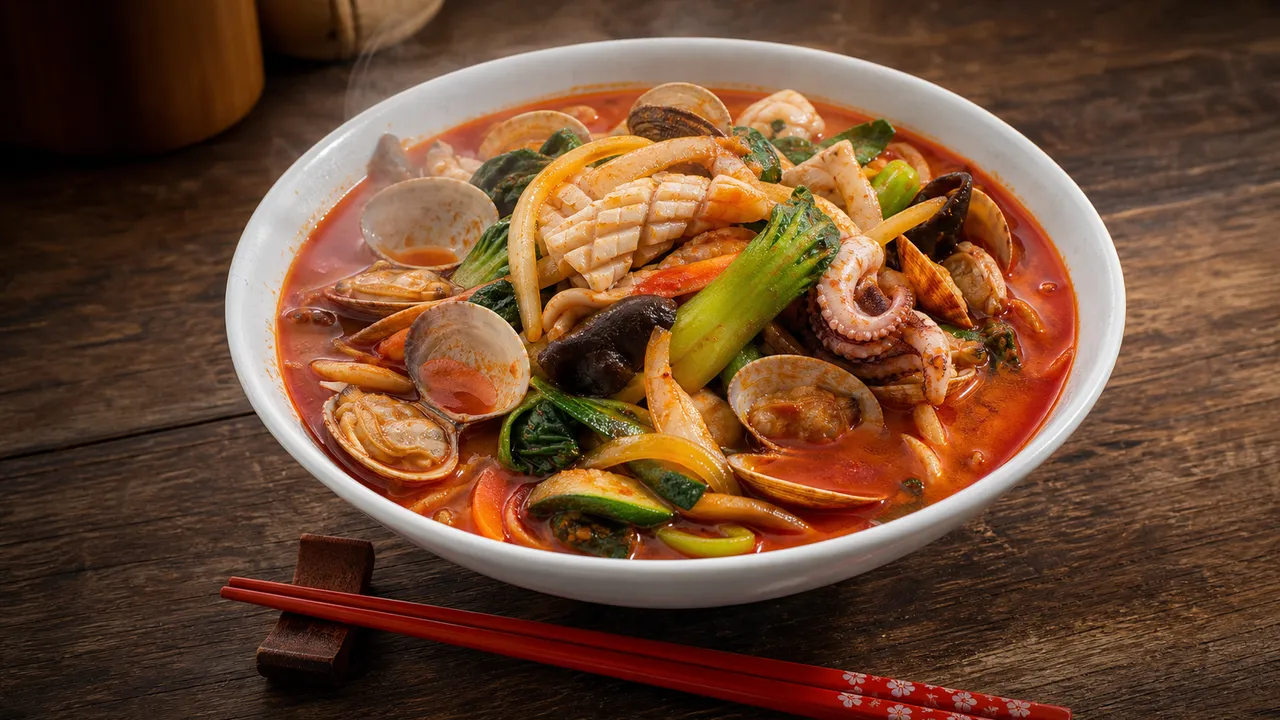
* 이미지는 AI가 생성한 참고 이미지로, 실제 조리 결과물과 다를 수 있습니다.
A classic jjajang recipe that stays true to its fundamentals.
📝 Editor's Notes
Today's 'Restaurant-Style Jjajang' recipe is a classic jjajangmyeon that, as its name suggests, is faithful to its basics while offering a deep, rich flavor.
The savory and slightly sweet jjajang sauce, combined with chewy noodles, creates an irresistible charm that will have you finishing the whole bowl in no time.
The difficulty level is low to medium, and anyone can make jjajangmyeon as delicious as a restaurant's if you master stir-frying the chunjang and adjusting the cornstarch slurry's thickness.
It's perfect for enjoying a hearty meal at home instead of dining out on a special occasion, and it's an excellent dish for the whole family to savor as a weekend treat or on a rainy day.
This jjajangmyeon truly is a comforting and delightful meal at any time. 📝
🛒 Ingredient Tips
The key to delicious jjajangmyeon begins with selecting fresh ingredients.
First, for chunjang (춘장), choose a commercially available product that is dark in color and has a glossy sheen.
The unique savory aroma of chunjang is the heart of the jjajang sauce.
For pork, select a cut with a good balance of fat and lean meat, such as pork neck or front leg (pork shoulder), for a more tender and flavorful result.
Too little fat can make it dry, while too much can make it greasy, so an appropriate balance is important.
For onions, choose large, firm ones with shiny skins, and for zucchini, select ones with smooth surfaces and a light green hue to ensure freshness.
Utilizing seasonal vegetables will help you create an even healthier and more delicious jjajangmyeon. 🥕
🔄 Substitution Guide
If you don't have pork or prefer not to eat it, you can substitute it with chicken breast or shrimp to enjoy your jjajangmyeon.
Chicken breast offers a leaner, lighter flavor compared to pork, while shrimp adds a unique seafood aroma for a different take on jjajangmyeon.
However, note that the deep, rich flavor typically provided by pork might be somewhat reduced.
For vegetables, you can use potatoes or cabbage instead of zucchini.
Potatoes add a floury texture, and cabbage adds a sweet taste.
If you don't have oyster sauce, you can add a pinch more sugar to soy sauce to boost the umami, but keep in mind that the distinct oceanic aroma and deep flavor of oyster sauce are difficult to fully replicate.
Don't give up just because you're missing an ingredient; try making it deliciously with what you have! 🔄
🥘 Ingredients
👨🍳 Cooking Points
Here are three crucial cooking points for this recipe.
First, 'browning the pork thoroughly.' By stir-frying the ginger and a small portion of onion first to develop their aroma, then adding the pork and cooking it over high heat until well browned, you eliminate any gamey smell and maximize its savory flavor.
Make sure to stir continuously to prevent the meat from sticking to the pan.
Second, 'properly stir-frying the chunjang (춘장).' While the recipe suggests stir-frying it with water, it's essential to cook the chunjang thoroughly to remove any bitter taste and bring out its nutty, deep flavor.
Stir-frying it over low heat for at least 5 minutes is crucial.
Third, 'adjusting the cornstarch slurry consistency.' Don't add the cornstarch slurry all at once.
Mix water and cornstarch in a 1:1 ratio, then gradually add it while stirring until you achieve your desired thickness.
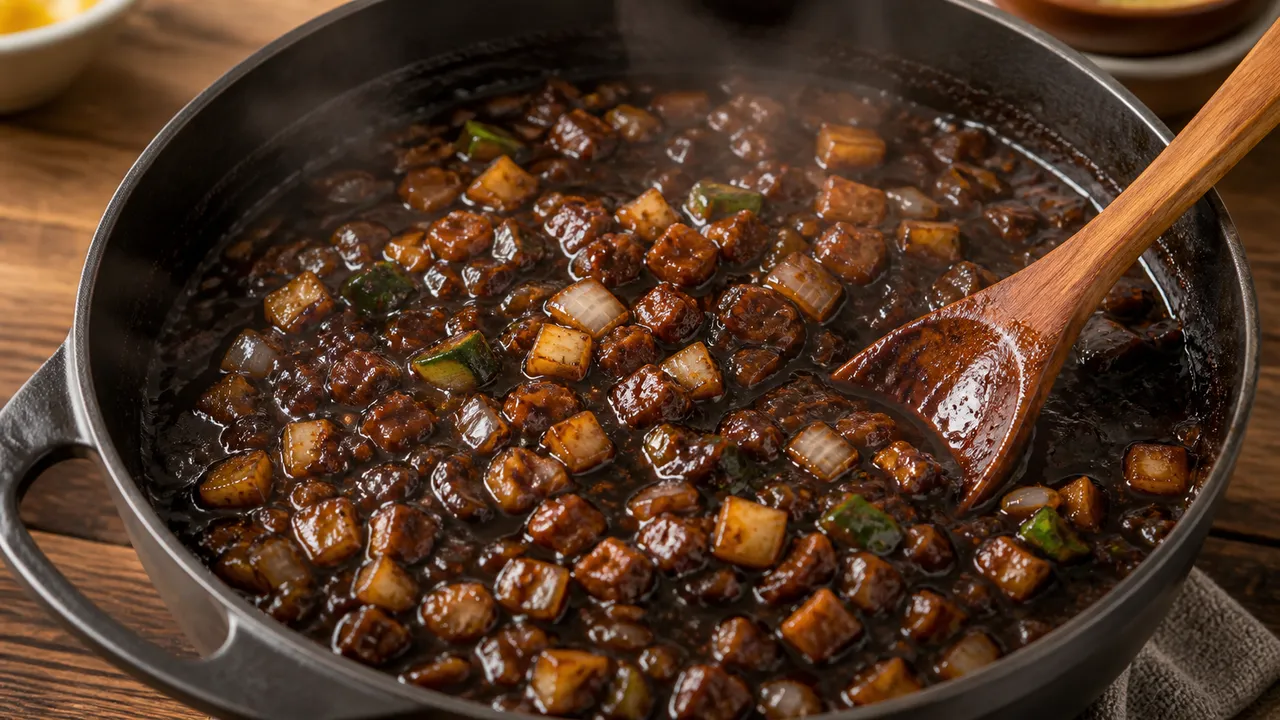
If it's too thin, the jjajang sauce will feel watery; if it's too thick, it can be pasty.
The best consistency is one that flows smoothly but has a slight viscosity. 🔥
👨🍳 Directions
Dice 1 large onion, 1/4 of a zucchini, and some pork into large chunks.
Mince 1 tablespoon of ginger.
Heat 5 tablespoons of cooking oil in a frying pan over medium heat. Once the pan is hot, add the minced ginger and a small portion of the diced onion. Sauté briefly, then add the pork and stir-fry over high heat until well browned.
Once the pork is well browned, pour 1/2 tablespoon of soy sauce around the edge of the pan to infuse flavor. Then add the remaining onion and zucchini, and sauté until the vegetables are tender-crisp.
When the vegetables are tender-crisp, add 1 tablespoon of oyster sauce, 1/2 tablespoon of sugar, 1.5 heaping tablespoons of chunjang (춘장), and a small amount of water. Stir-fry well until the chunjang is fully dissolved and incorporated.
Taste the stir-fried jjajang sauce and adjust seasoning by adding more chunjang if needed. Then, gradually add a cornstarch slurry (1:1 ratio of water to cornstarch), stirring constantly, until the sauce reaches your desired thickness.
For a deeper flavor, add 1 pinch of MSG (Miwon).
Cook the Chinese-style noodles in boiling water over high heat according to package directions.
Pour the jjajang sauce over the cooked noodles and serve.
💡 Tips
Make extra jjajang sauce and store it in the refrigerator. It can be used in various dishes like Jjajang-bap (rice with jjajang sauce) or with Western-style cutlets.
Vegetables like onions and zucchini shrink when stir-fried, so it's best to cut them into large chunks initially.
If you stir-fry the pork first, it might stick to the pan. It's better to sauté the ginger and a small portion of onion first, then add the pork.
For the jjajang sauce, adjust the saltiness with chunjang (춘장) and the sweetness with sugar.
When adding the cornstarch slurry to thicken the sauce, add it gradually and stir to achieve your desired consistency.
Restaurant-style jjajang typically includes a small amount of MSG (Miwon), which makes a significant difference in flavor.
📦 Storage & Reuse
Leftover jjajang sauce can be stored in an airtight container in the refrigerator for up to 3-4 days.
Making a generous batch of sauce is very convenient as it can be used in various ways, such as for Jjajang-bap (rice with jjajang sauce), Jjajang Tteokbokki, or even as a sauce for Western-style pork cutlets.
If you want to store it for longer, portion it into single servings and freeze it for up to a month.
To use frozen sauce, transfer it to the refrigerator the day before to thaw, or microwave it and then reheat it gently over low heat.
If the sauce becomes too thick, add a small amount of water to adjust the consistency.
Noodles tend to get soggy when cooked, so it's best not to store them separately.
However, if you have any leftover, try stir-frying them lightly with a bit of oil to make stir-fried noodles! 🥡
🥢 Who This Is For
This 'Restaurant-Style Jjajang' is a dish loved by all ages, making it an excellent choice when you want to create a family restaurant atmosphere at home.
Kids, in particular, will adore the flavor.
It's also a perfect menu item for home parties with friends.
Recommended side dishes include refreshing and crisp danmuji (단무지) or kkakdugi (깍두기).
Additionally, if you prepare crispy mandu (만두) or sweet and sour tangsuyuk (탕수육) alongside, you'll enjoy a perfect spread that feels just like dining at a Chinese restaurant.
It will be a supreme meal that the whole family can happily enjoy. 👨👩👧👦
🔥 Nutrition Info
Based on this jjajangmyeon recipe, the estimated calorie count per serving is approximately 900-1200 kcal.
This is due to the high carbohydrate content of the Chinese-style noodles and the significant fat content from the cooking oil and pork used in preparation.
Roughly, carbohydrates can be estimated at 120-150g, protein at 25-35g, and fat at 40-60g.
Pork provides high-quality protein and is rich in B vitamins and iron.
Vegetables like onions and zucchini offer dietary fiber and vitamins, but overall, the sodium content can be quite high, so it's advisable to moderate your intake.
Enjoy it deliciously, but to maintain nutritional balance, it is recommended to consume it with other side dishes. 🍎
💬 Frequently Asked Questions
- Q. What ingredients do I need for Restaurant-Style Jjajangmyeon?
- Main ingredients include Chinese-style noodles, Pork, Chunjang (춘장), Zucchini, Onion. The key to delicious jjajangmyeon begins with selecting fresh ingredients. First, for chunjang (춘장), choose a commercially available product that is dark in color and has a glossy sheen. The unique savory aroma of chunjang is the heart of the jjajang sauce. For pork, select a cut with a good balance of fat and lean meat, such as pork neck or front leg (pork shoulder), for a more tender and flavorful result. Too little fat can make it dry, while too much can make it greasy, so an appropriate balance is important. For onions, choose large, firm ones with shiny skins, and for zucchini, select ones with smooth surfaces and a light green hue to ensure freshness. Utilizing seasonal vegetables will help you create an even healthier and more delicious jjajangmyeon. 🥕
- Q. What are the key tips for making Restaurant-Style Jjajangmyeon?
- Here are three crucial cooking points for this recipe. First, 'browning the pork thoroughly.' By stir-frying the ginger and a small portion of onion first to develop their aroma, then adding the pork and cooking it over high heat until well browned, you eliminate any gamey smell and maximize its savory flavor. Make sure to stir continuously to prevent the meat from sticking to the pan. Second, 'properly stir-frying the chunjang (춘장).' While the recipe suggests stir-frying it with water, it's essential to cook the chunjang thoroughly to remove any bitter taste and bring out its nutty, deep flavor. Stir-frying it over low heat for at least 5 minutes is crucial. Third, 'adjusting the cornstarch slurry consistency.' Don't add the cornstarch slurry all at once. Mix water and cornstarch in a 1:1 ratio, then gradually add it while stirring until you achieve your desired thickness. If it's too thin, the jjajang sauce will feel watery; if it's too thick, it can be pasty. The best consistency is one that flows smoothly but has a slight viscosity. 🔥
- Q. How should I store leftover Restaurant-Style Jjajangmyeon?
- Leftover jjajang sauce can be stored in an airtight container in the refrigerator for up to 3-4 days. Making a generous batch of sauce is very convenient as it can be used in various ways, such as for Jjajang-bap (rice with jjajang sauce), Jjajang Tteokbokki, or even as a sauce for Western-style pork cutlets. If you want to store it for longer, portion it into single servings and freeze it for up to a month. To use frozen sauce, transfer it to the refrigerator the day before to thaw, or microwave it and then reheat it gently over low heat. If the sauce becomes too thick, add a small amount of water to adjust the consistency. Noodles tend to get soggy when cooked, so it's best not to store them separately. However, if you have any leftover, try stir-frying them lightly with a bit of oil to make stir-fried noodles! 🥡
- Q. How many calories are in Restaurant-Style Jjajangmyeon?
- Based on this jjajangmyeon recipe, the estimated calorie count per serving is approximately 900-1200 kcal. This is due to the high carbohydrate content of the Chinese-style noodles and the significant fat content from the cooking oil and pork used in preparation. Roughly, carbohydrates can be estimated at 120-150g, protein at 25-35g, and fat at 40-60g. Pork provides high-quality protein and is rich in B vitamins and iron. Vegetables like onions and zucchini offer dietary fiber and vitamins, but overall, the sodium content can be quite high, so it's advisable to moderate your intake. Enjoy it deliciously, but to maintain nutritional balance, it is recommended to consume it with other side dishes. 🍎
- Q. Can I substitute ingredients in Restaurant-Style Jjajangmyeon?
- If you don't have pork or prefer not to eat it, you can substitute it with chicken breast or shrimp to enjoy your jjajangmyeon. Chicken breast offers a leaner, lighter flavor compared to pork, while shrimp adds a unique seafood aroma for a different take on jjajangmyeon. However, note that the deep, rich flavor typically provided by pork might be somewhat reduced. For vegetables, you can use potatoes or cabbage instead of zucchini. Potatoes add a floury texture, and cabbage adds a sweet taste. If you don't have oyster sauce, you can add a pinch more sugar to soy sauce to boost the umami, but keep in mind that the distinct oceanic aroma and deep flavor of oyster sauce are difficult to fully replicate. Don't give up just because you're missing an ingredient; try making it deliciously with what you have! 🔄
💬 Comments
No comments yet. Be the first to comment!