
Chef Lee Yeon-bok's Mokran Tangsuyuk Recipe
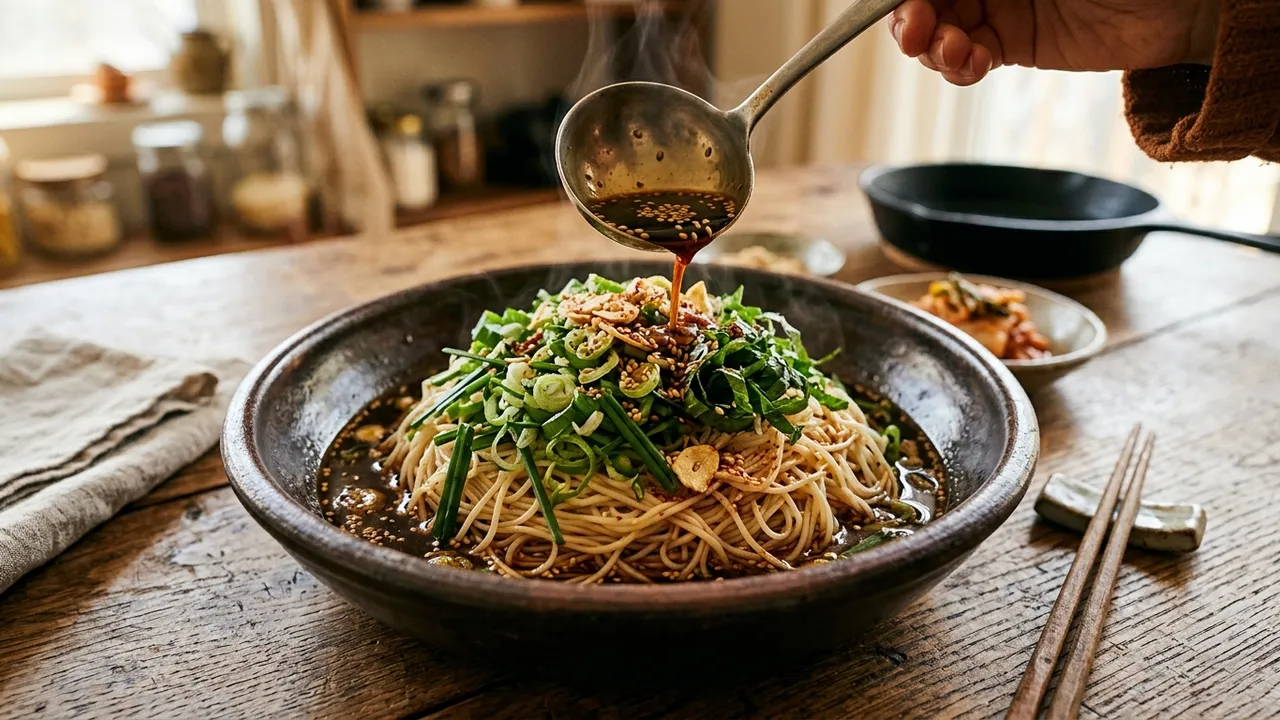
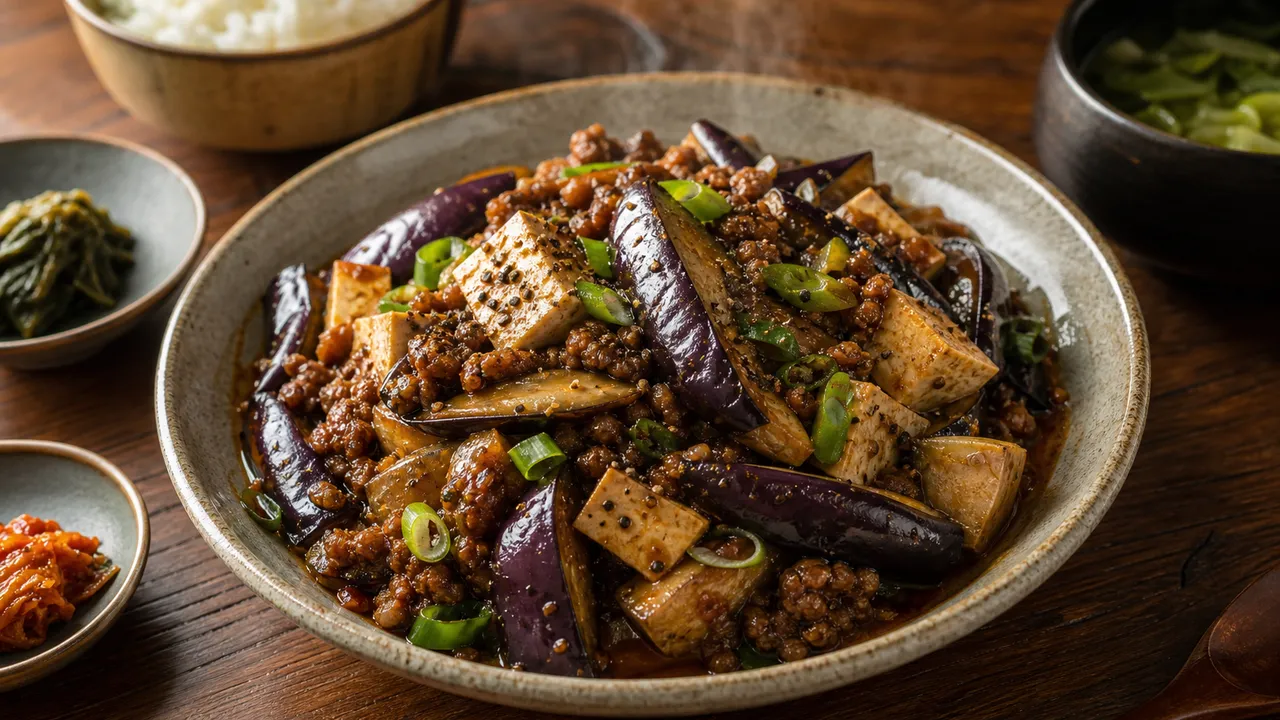
* 이미지는 AI가 생성한 참고 이미지로, 실제 조리 결과물과 다를 수 있습니다.
Chef Lee Yeon-bok's Mokran Tangsuyuk (Sweet and Sour Pork) recipe allows you to recreate the authentic flavors of a Chinese restaurant right in your own kitchen.
📝 Editor's Notes
Chef Lee Yeon-bok's Mokran Tangsuyuk recipe is a special dish that allows you to recreate the sophisticated flavors of a high-end Chinese restaurant at home.
The fantastic harmony of crispy fried pork and sweet and sour sauce is exquisite.
Fresh vegetables add texture and nutrition, making it a wonderful meal on its own.
While it's a fried dish and might seem challenging, you can certainly succeed by following the chef's secret tips.
We recommend it as a great menu for a special family meal or when hosting guests.
🛒 Ingredient Tips
It's important to choose key ingredients well, as they determine the taste of Tangsuyuk.
For pork, loin or tenderloin cuts are recommended.
Choose fresh meat with a bright color and firm texture.
It's best to have a moderate amount of fat, as too little can result in dry fried pork.
For the potato starch, which is crucial for the batter, using potato starch will yield an even crispier and chewier texture.
The key is to select a clean, good-quality potato starch from commercial products.
For vegetables like cucumber, onion, and carrot, prepare fresh, crisp, seasonal ones for the best flavor.
🔄 Substitution Guide
Here are some alternative ingredients you can use if you're missing something, have allergies, or want a different flavor.
Instead of pork, you can use chicken breast or shrimp.
Chicken breast offers a light flavor, while shrimp provides a delightful chewy texture.
However, please note that the unique richness of pork may be reduced.
The dark soy sauce (Nochu (노추)) in the recipe is characterized by its darker color compared to regular soy sauce.
If it's difficult to find, you can mix a little caramel coloring with regular soy sauce, or simply substitute it with regular soy sauce; even if the color is slightly lighter, it won't significantly affect the taste.
For vegetables, feel free to use bell peppers, mushrooms, broccoli, or whatever you have in your refrigerator to enjoy a variety of flavors.
🥘 Ingredients
👨🍳 Cooking Points
There are three crucial cooking points for this Tangsuyuk recipe.
First, the consistency of the frying batter!
Combine potato starch with egg and cooking oil, then gradually add water until you achieve a thick yet pourable consistency.
This determines the crispiness of the pork. Second, frying the pork.
Shake the pan well to prevent the pieces from sticking together, and tap them occasionally while frying to make them extra crispy and golden brown.
Instead of frying once, try frying at a lower temperature for the first round, then frying again at a higher temperature to achieve the perfect crispy exterior and juicy interior.
Third, the golden ratio of the sauce!
Be sure to follow the 5:4:1:0.5 ratio for sugar, vinegar, soy sauce, and dark soy sauce (Nochu), respectively.
Finally, it's important to gradually add the starch slurry while stirring to adjust the sauce's thickness.
Adding it all at once can cause clumps, so stir slowly until you reach the desired consistency.
Remember these tips, and you'll be able to make delicious Tangsuyuk without fail!
👨🍳 Directions
In a bowl, combine 200g potato starch, 2/3 tbsp beaten egg, and 3 tbsp cooking oil. Gradually add water until a smooth batter for the Tangsuyuk is formed, then mix thoroughly.
Add the prepared pork to the batter and coat well.
In a separate bowl, combine 225ml water, 5 tbsp sugar, 4 tbsp vinegar, 1 tbsp soy sauce, and 0.5 tbsp dark soy sauce (Nochu). Mix well to complete the Tangsuyuk sauce.
Heat oil in a deep pan. Add the battered pork and deep-fry. Shake the pan and flip the pork frequently to prevent sticking and ensure even frying.
Continue frying until the pork turns lightly golden brown, tapping the pieces occasionally to ensure crispness and thorough cooking.
Heat a little oil in a pan. Sauté vegetables such as cucumber, wood ear mushrooms, onion, carrot, and peas.
Pour the prepared Tangsuyuk sauce over the sautéed vegetables and bring to a boil.
Slowly pour in the starch slurry while stirring to adjust the consistency of the sauce.
Arrange the fried pork on a serving plate and pour the finished sauce over it.
💡 Tips
When frying the pork, shake the pan and flip the pieces frequently to prevent them from sticking together and ensure even cooking.
Tapping the pork while frying will help achieve a crispier, more golden-brown finish.
By following Chef Lee Yeon-bok's Mokran recipe, you can enjoy authentic Chinese restaurant flavors right at home.
📦 Storage & Reuse
Store any leftovers in an airtight container.
🥢 Who This Is For
Chef Lee Yeon-bok's Mokran Tangsuyuk is a special dish perfect for the whole family to enjoy.
Prepare it as a weekend treat or for guests, and you'll surely receive many compliments.
Its sweet and sour flavor is especially popular with children, satisfying all ages.
We recommend pairing it with a refreshing soda or beer.
If you serve it with Jajangmyeon (짜장면) or fried rice, you'll feel like you're dining in a fantastic Chinese restaurant.
🔥 Nutrition Info
Mokran Tangsuyuk is a dish that offers both taste and nutrition, but as a fried dish, one serving can be estimated at approximately 650-800 kcal.
The main ingredient, pork, is rich in high-quality protein, which helps with muscle building and maintenance, and also provides iron and B vitamins.
The starch in the batter and sugar in the sauce primarily consist of carbohydrates, providing energy, but it's advisable to be mindful of sugar intake.
Additionally, the amount of fat absorbed during frying should be considered.
Various vegetables like cucumber, onion, carrot, and peas provide vitamins and dietary fiber, helping to balance nutrition, so feel free to include plenty of them.
💬 Frequently Asked Questions
- Q. What ingredients do I need for Chef Lee Yeon-bok's Mokran Tangsuyuk?
- Main ingredients include Potato starch, Beaten egg, Cooking oil, Water, Pork. It's important to choose key ingredients well, as they determine the taste of Tangsuyuk. For pork, loin or tenderloin cuts are recommended. Choose fresh meat with a bright color and firm texture. It's best to have a moderate amount of fat, as too little can result in dry fried pork. For the potato starch, which is crucial for the batter, using potato starch will yield an even crispier and chewier texture. The key is to select a clean, good-quality potato starch from commercial products. For vegetables like cucumber, onion, and carrot, prepare fresh, crisp, seasonal ones for the best flavor.
- Q. What are the key tips for making Chef Lee Yeon-bok's Mokran Tangsuyuk?
- There are three crucial cooking points for this Tangsuyuk recipe. First, the consistency of the frying batter! Combine potato starch with egg and cooking oil, then gradually add water until you achieve a thick yet pourable consistency. This determines the crispiness of the pork. Second, frying the pork. Shake the pan well to prevent the pieces from sticking together, and tap them occasionally while frying to make them extra crispy and golden brown. Instead of frying once, try frying at a lower temperature for the first round, then frying again at a higher temperature to achieve the perfect crispy exterior and juicy interior. Third, the golden ratio of the sauce! Be sure to follow the 5:4:1:0.5 ratio for sugar, vinegar, soy sauce, and dark soy sauce (Nochu), respectively. Finally, it's important to gradually add the starch slurry while stirring to adjust the sauce's thickness. Adding it all at once can cause clumps, so stir slowly until you reach the desired consistency. Remember these tips, and you'll be able to make delicious Tangsuyuk without fail!
- Q. How should I store leftover Chef Lee Yeon-bok's Mokran Tangsuyuk?
- Store any leftovers in an airtight container.
- Q. How many calories are in Chef Lee Yeon-bok's Mokran Tangsuyuk?
- Mokran Tangsuyuk is a dish that offers both taste and nutrition, but as a fried dish, one serving can be estimated at approximately 650-800 kcal. The main ingredient, pork, is rich in high-quality protein, which helps with muscle building and maintenance, and also provides iron and B vitamins. The starch in the batter and sugar in the sauce primarily consist of carbohydrates, providing energy, but it's advisable to be mindful of sugar intake. Additionally, the amount of fat absorbed during frying should be considered. Various vegetables like cucumber, onion, carrot, and peas provide vitamins and dietary fiber, helping to balance nutrition, so feel free to include plenty of them.
- Q. Can I substitute ingredients in Chef Lee Yeon-bok's Mokran Tangsuyuk?
- Here are some alternative ingredients you can use if you're missing something, have allergies, or want a different flavor. Instead of pork, you can use chicken breast or shrimp. Chicken breast offers a light flavor, while shrimp provides a delightful chewy texture. However, please note that the unique richness of pork may be reduced. The dark soy sauce (Nochu (노추)) in the recipe is characterized by its darker color compared to regular soy sauce. If it's difficult to find, you can mix a little caramel coloring with regular soy sauce, or simply substitute it with regular soy sauce; even if the color is slightly lighter, it won't significantly affect the taste. For vegetables, feel free to use bell peppers, mushrooms, broccoli, or whatever you have in your refrigerator to enjoy a variety of flavors.
💬 Comments
No comments yet. Be the first to comment!