
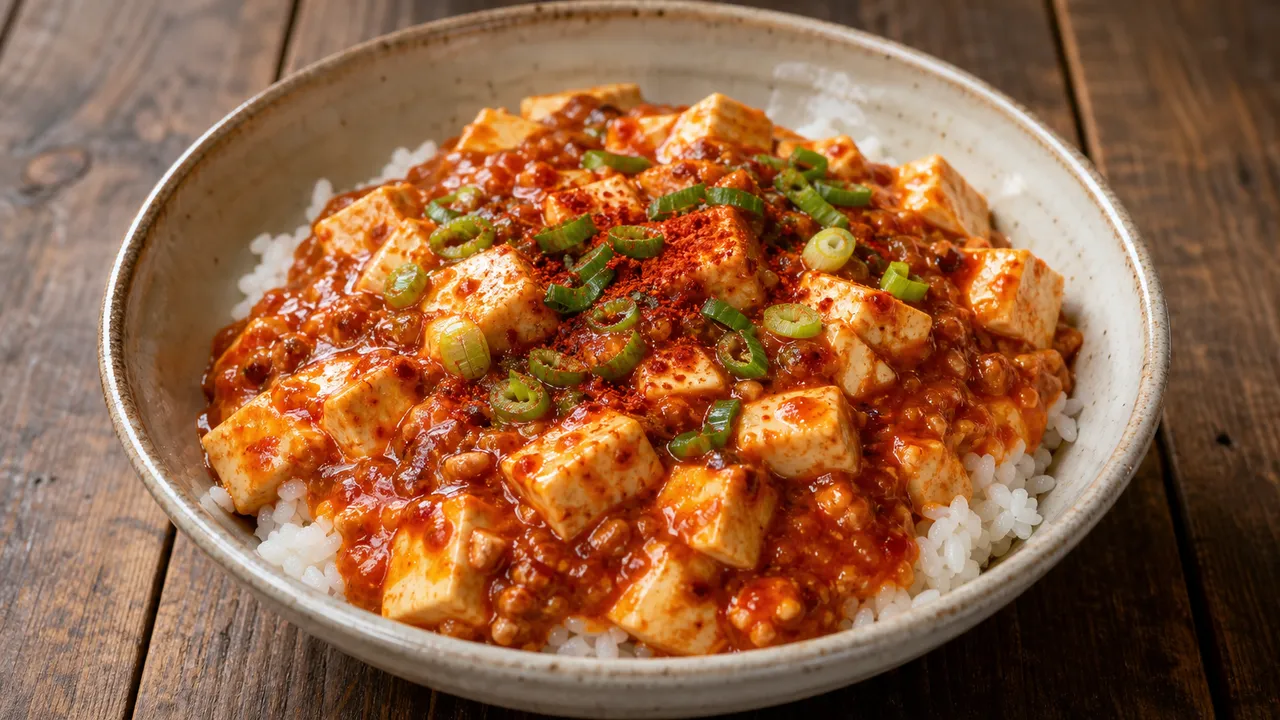
Super Simple Mapo Tofu Rice Bowl (No Doubanjiang): A Golden
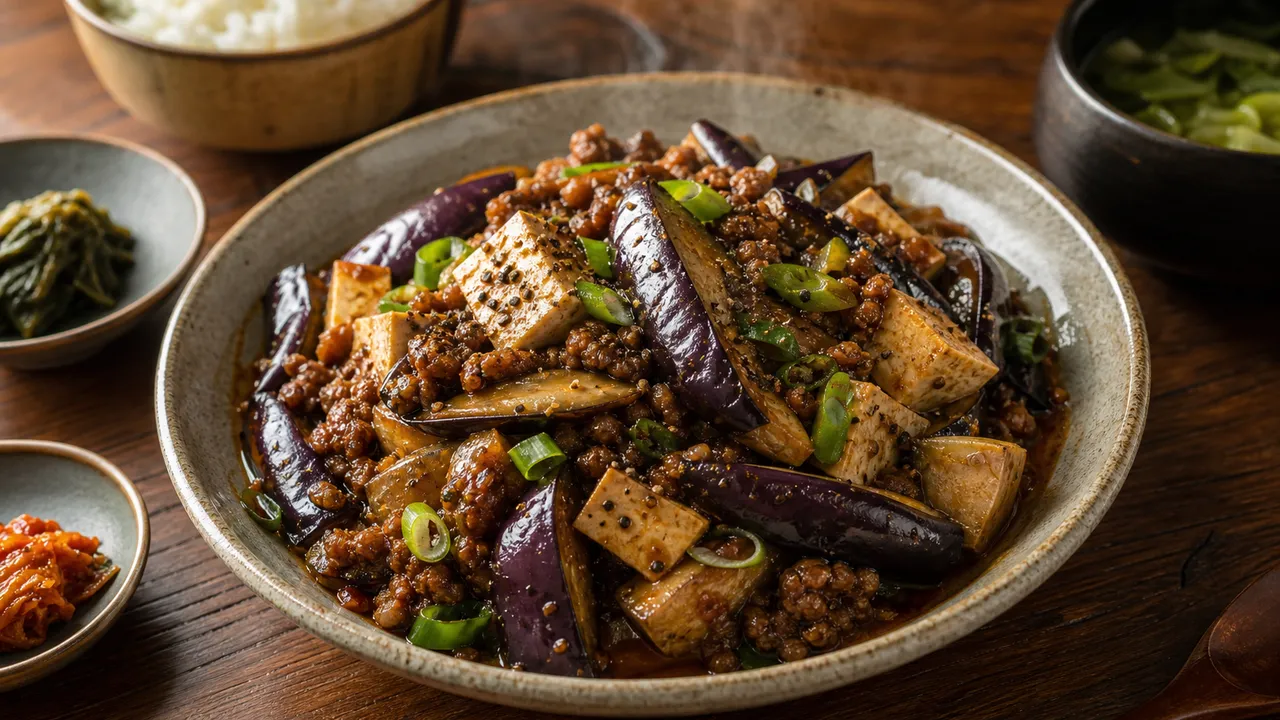
* 이미지는 AI가 생성한 참고 이미지로, 실제 조리 결과물과 다를 수 있습니다.
A spicy and sweet Mapo Tofu rice bowl recipe that can be completed in just 10 minutes using basic ingredients like tofu, green onions, ground beef, and common seasonings, without doubanjiang (두반장).
📋 2 recipes — Select to view
A spicy and sweet Mapo Tofu Rice Bowl, made in just 10 minutes with basic seasonings, no doubanjiang (두반장) needed.
📝 Editor's Notes
The dish we're introducing today is a spicy and sweet Mapo Tofu Rice Bowl, ready in just 10 minutes without doubanjiang (두반장).
The thick-cut pan-fried tofu, ground beef, and spicy sauce create an exquisite umami flavor that will have you finishing a whole bowl of rice in no time.
It's highly recommended for busy weeknight dinners or weekend lunches.
With its deep yet not overly stimulating flavor, it will be a special meal that the whole family can enjoy.
🛒 Ingredient Tips
For this dish, the star ingredient, tofu, it's good to prepare a large block of about 1 kg (2.2 lb).
Choosing firm Korean tofu that isn't too soft will help it maintain its shape during cooking and prevent crumbling.
For green onions (scallions), select those with more firm white parts than green leaves, as they will yield a deeper aroma when making green onion oil.
If using Cheongyang peppers (청양고추), mixing red and green ones will create a beautiful color and a well-balanced spicy flavor.
Don't forget that fresh ingredients determine the taste of the dish.
🔄 Substitution Guide
You can use ground pork instead of ground beef.
Pork offers a softer texture than beef and can be a more budget-friendly option.
If using pork, make sure to stir-fry it thoroughly until fully cooked.
If Cheongyang peppers (청양고추) are too spicy for your preference, you can substitute them with regular chili peppers, bell peppers, or paprika to adjust the heat level.
This will reduce the spiciness but add a crisp texture and vibrant color.
For a more natural umami flavor, you can use shiitake mushroom powder or anchovy broth instead of Dashida (다시다).
Please note that the depth of flavor may differ slightly.
🥘 Ingredients
👨🍳 Cooking Points
The most important point is to pan-fry the tofu without it crumbling.
Pan-fry unseasoned raw tofu in a pan with 2 tbsp of cooking oil until golden brown.
Wait until one side is thoroughly cooked and firm, then flip it just once to prevent it from losing its shape.
The second point is to sufficiently stir-fry the green onion oil, minced garlic, and ground beef to maximize the flavor of the ingredients.
Stir-fry the green onions until golden brown, and the beef until just before it turns fully brown.
Finally, when adding the starch slurry, reduce the heat to low, stir well to prevent the starch from settling, and add it little by little to adjust the consistency.
Remember that adding it all at once can cause lumps.
👨🍳 Directions
Prepare 1 block of tofu (approx. 2.2 lb) and slice it thickly to prevent crumbling.
Heat 2 tbsp of cooking oil in a frying pan and pan-fry the unseasoned tofu until golden brown. Once one side is sufficiently golden, flip it once and cook the other side.
After cooling the pan-fried tofu, cut it into bite-sized cubes.
Slice 2 green onions (scallions) thinly and finely mince 3 Cheongyang peppers (청양고추) (1 red, 2 green).
Heat cooking oil in a frying pan, add the thinly sliced green onions, and stir-fry until golden brown to make green onion oil.
Once the green onion oil is fragrant, add minced garlic and ground beef. Stir-fry until the beef turns light brown, before it fully browns.
Add the cubed tofu and water (enough to just cover the tofu) to the stir-fried ingredients, cover, and bring to a boil.
Once the water starts boiling, add 1 tbsp of Dashida (다시다), 1/2 tbsp of black pepper, 2 tbsp of gochugaru (고춧가루), and the finely minced Cheongyang peppers (청양고추). Mix well.
Add 1 tbsp of seasoned salt (맛소금) and 1 tbsp of fish sauce (액젓), then adjust seasoning.
Prepare a starch slurry by mixing 2 tbsp of starch with an appropriate amount of water. Stir well to prevent the starch from settling.
Do not add the starch slurry all at once. Add it gradually while stirring evenly and cook until it reaches the desired thickness.
Serve the finished Mapo Tofu on a plate, sprinkle with roasted sesame seeds (깨소금), and mix with rice before eating.
💡 Tips
To maintain the shape of the tofu in mapo tofu, pan-fry it without seasoning or coating it with flour before cooking to prevent it from crumbling.
Garlic and green onions are essential ingredients that enhance the umami of mapo tofu. Use them generously to bring out the flavor.
Starch slurry tends to settle at the bottom, so stir it well just before adding. To prevent lumps, add it gradually and adjust the consistency, rather than pouring it all in at once.
Add fish sauce (액젓) just before turning off the heat or at the very end to remove any fishy smell and enhance the flavor.
📦 Storage & Reuse
Store the finished Mapo Tofu in an airtight container in the refrigerator for 2-3 days.
While it can be frozen, the texture of the tofu may become somewhat rubbery, so it's best to consume it refrigerated as soon as possible.
To reheat, microwave for 2-3 minutes or gently simmer in a frying pan over low heat.
Leftover Mapo Tofu can also be shaped into rice balls with rice, or served over ramen for a unique flavor experience.
🥢 Who This Is For
This spicy and sweet Mapo Tofu Rice Bowl is perfect for those who desire a hearty and warm meal.
It's especially great for enjoying with family members or friends who love spicy food.
Generously spooned over rice and mixed, it's truly delicious.
Pairing it with refreshing soybean sprout soup or crisp pickled radish (단무지) will make for an even more perfect meal.
It's a simple yet special homemade dish that's truly impressive.
🔥 Nutrition Info
One serving of Spicy and Sweet Mapo Tofu Rice Bowl is estimated to be approximately 450-550 kcal.
As tofu and ground beef are the main ingredients, you can expect to consume about 25-35g of protein and 20-30g of fat.
Carbohydrates, from rice and starch, will be around 40-50g.
Tofu is rich in plant-based protein and calcium, while green onions and chili peppers provide vitamin C and dietary fiber, helping to maintain nutritional balance.
Through fish sauce (액젓) and Dashida (다시다), umami and trace nutrients can also be supplemented, making this a hearty and nutritious meal.
💬 Frequently Asked Questions
- Q. What ingredients do I need for Super Simple Mapo Tofu Rice Bowl (No Doubanjiang): A Golden Recipe?
- Main ingredients include Tofu, Green onions, Gochugaru (고춧가루), Dasida (다시다), Aekjeot (액젓). As tofu is the star of this Mapo Tofu, it's important to choose fresh, firm domestic tofu. Firm or stewing tofu, rather than soft silken tofu, will hold its shape better without crumbling. For green onions, select those with fresh roots and vibrant green leaves. Using both the white part (sweeter) and green part (more fragrant) will enhance the overall flavor. For ground beef, choose a cut with a moderate amount of fat for a richer and more tender taste. It's best to select fresh, ready-to-use ground beef rather than vacuum-packed products when purchasing.
- Q. What are the key tips for making Super Simple Mapo Tofu Rice Bowl (No Doubanjiang): A Golden Recipe?
- The first key point for this Mapo Tofu rice bowl is how to pan-fry the tofu. Frying the tofu until golden brown without any seasoning or coating helps it firm up and hold its shape. The trick is to wait until one side is sufficiently golden before flipping it just once to cook the other side. The second point is the order of stir-frying the green onion oil and ground beef. Heating cooking oil in a pan and stir-frying the chopped green onions first to create ample green onion oil will greatly boost the overall flavor of the dish. Once the green onion oil is fragrant, add minced garlic and ground beef, stir-frying quickly until the beef changes color before it turns completely brown. Lastly, controlling the thickness with starch slurry is crucial. Starch slurry tends to settle at the bottom, so stir it well just before adding. To achieve a smooth texture without lumps, add it gradually while stirring continuously until it reaches the desired thickness.
- Q. How should I store leftover Super Simple Mapo Tofu Rice Bowl (No Doubanjiang): A Golden Recipe?
- The finished Mapo Tofu can be stored in an airtight container in the refrigerator for 2-3 days, staying fresh. Since it's a dish meant to be mixed with rice, it's best to store it separately from the rice. To reheat, microwave for 2-3 minutes or gently warm it in a pot over low heat. Be careful not to simmer it for too long, as the tofu may crumble. Leftover Mapo Tofu can be enjoyed as a rice bowl the next day or used to make Mapo Tofu fried rice for a delicious variation. If you have a lot of leftover tofu, you can mash it and add it to pancake batter to make a unique tofu pancake.
- Q. How many calories are in Super Simple Mapo Tofu Rice Bowl (No Doubanjiang): A Golden Recipe?
- One serving of this spicy and sweet Mapo Tofu rice bowl is estimated to be around 550-600 kcal. It provides approximately 30-35g of protein, 35-40g of fat, and 35-40g of carbohydrates. Tofu is rich in quality plant-based protein, while ground beef supplements essential amino acids and iron. Green onions and Ttengcho (땡초) add vitamin C and dietary fiber, helping to balance the nutrition. This dish, thanks to the capsaicin in Gochugaru (고춧가루), can also help boost metabolism. It's a hearty and nutritious meal.
- Q. Can I substitute ingredients in Super Simple Mapo Tofu Rice Bowl (No Doubanjiang): A Golden Recipe?
- You can substitute ground pork for ground beef. Pork is often more affordable and readily available than beef, and it pairs very well with Mapo Tofu seasonings, adding a deeper flavor. However, pork can have a higher fat content than beef, so if you prefer a leaner taste, choose a cut with less fat or use a little less oil during cooking. Instead of Ttengcho (땡초), you can use regular Cheongyang (청양) peppers or Vietnamese chilies; just adjust the level of spiciness to your preference. If you don't have Dasida (다시다), you can add umami with a small amount of anchovy-kelp broth powder or beef seasoning powder. While you can use regular salt instead of Mat-sogeum (맛소금), note that Mat-sogeum's unique umami is a key component of this recipe.
💬 Comments
No comments yet. Be the first to comment!