
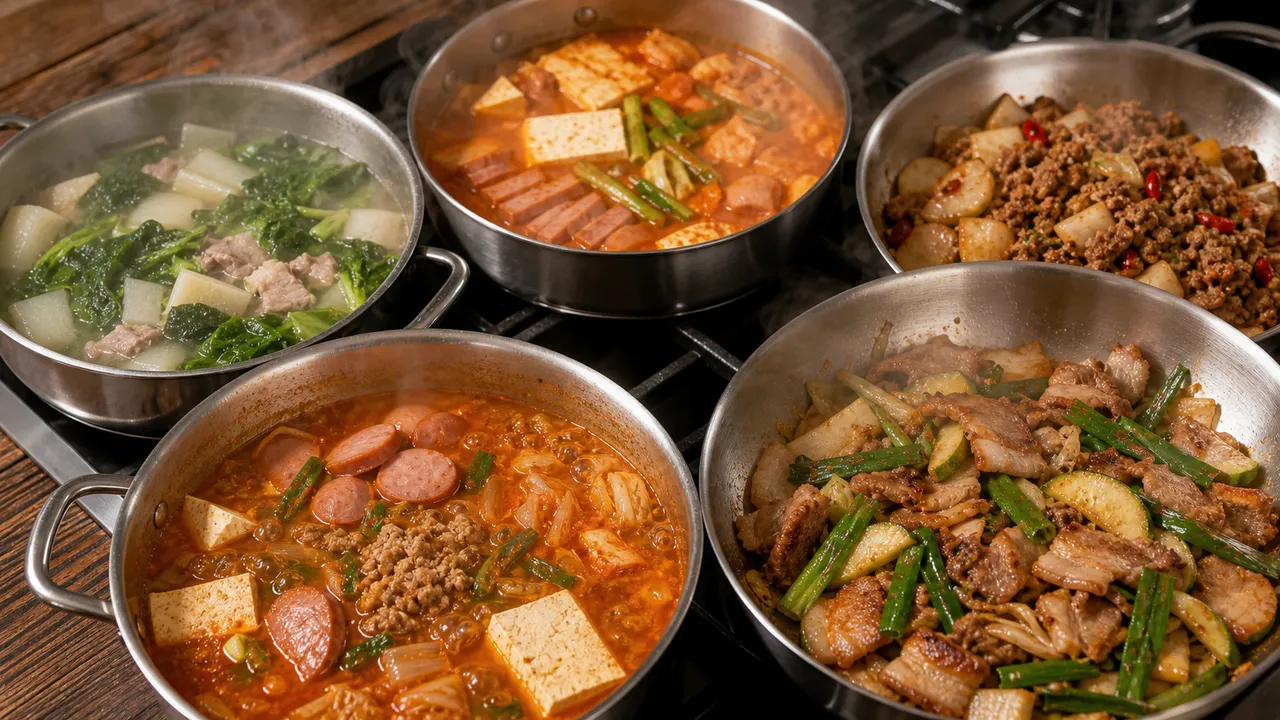
10 Korean Meal Prep Recipes for 3 Days: Side Dishes, Soups,
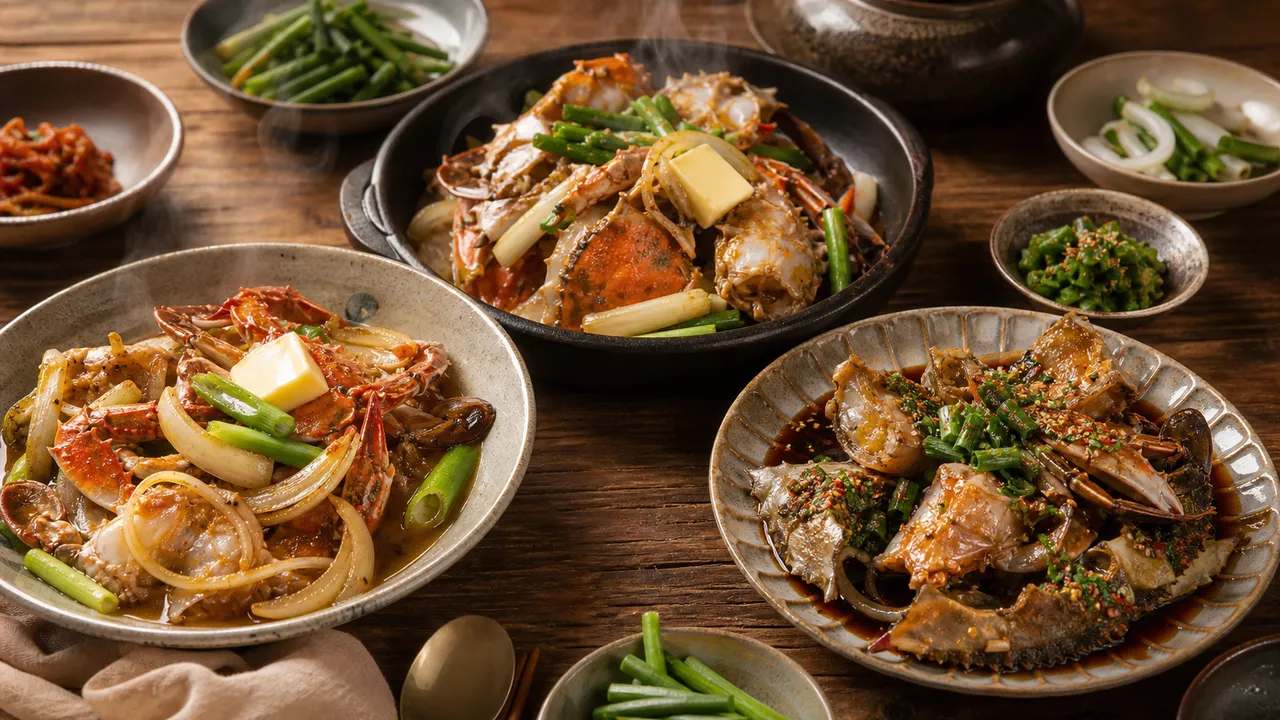
* 이미지는 AI가 생성한 참고 이미지로, 실제 조리 결과물과 다를 수 있습니다.
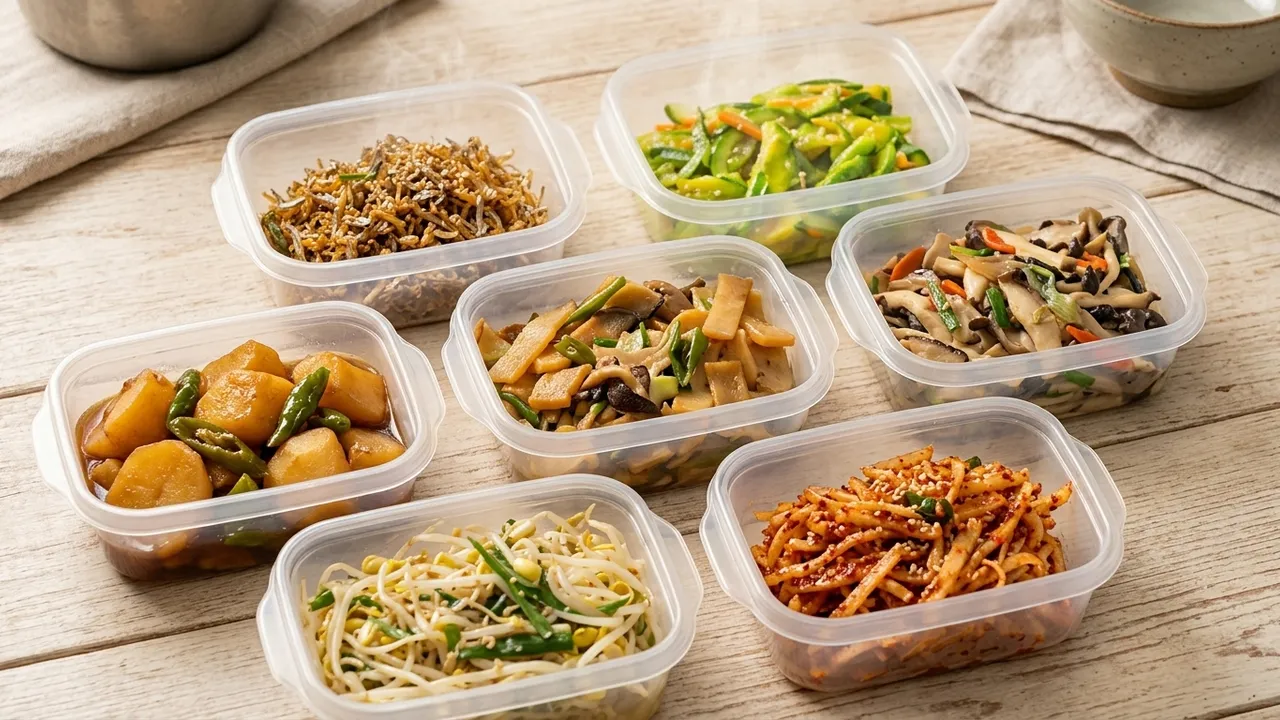
These 10 Korean meal prep recipes are designed to be made on the weekend for a busy weekday. Enjoy warm and delicious homemade meals for three days with dishes like steamed eggplant salad (gajimuchim), stir-fried zucchini (aehobak-bokkeum), fried rice, spicy stir-fried pork (jeyuk-bokkeum), short rib soup (galbitang), kimchi stew (kimchi-jjigae), seaweed soup (miyeokguk), stir-fried fish cakes (eomuk-bokkeum), and grilled pork belly (samgyeopsal-gui).
📋 10 recipes — Select to view
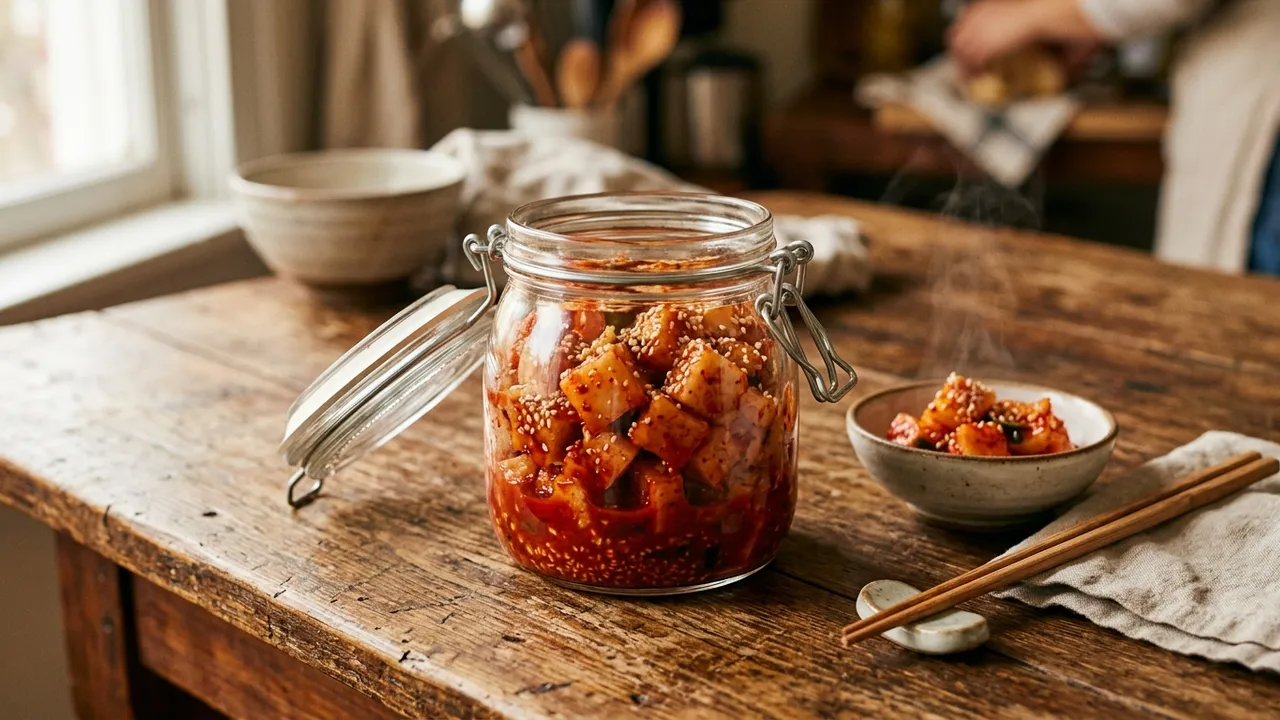
Gaji-muchim, with its delightful chewy texture, is a convenient Korean side dish (banchan) that can be prepared in advance and enjoyed during busy weekdays.
📝 Editor's Notes
Gaji-muchim is a popular Korean side dish (banchan) known for the soft yet chewy texture of steamed eggplant.
The savory, nutty, and subtly spicy flavors come from a harmonious blend of soy sauce, gochugaru (고춧가루), and sesame oil.
This dish is easy to prepare, requiring only slicing, steaming, and seasoning, making it perfect for novice cooks.
It's especially enjoyable from summer to early autumn when eggplants are in season, and it's an excellent refreshing side dish for hot days when appetites may wane.
Preparing it in advance makes it a convenient staple for busy weekdays.
🛒 Ingredient Tips
Fresh eggplants have firm, shiny, deep purple skin.
Look for those with un-withered stems and intact thorns, feeling heavy for their size, indicating dense flesh.
Avoid soft or wrinkled eggplants.
The peak season is from July to September, when eggplants are most tender and sweet.
For minced garlic, using fresh whole Korean garlic cloves instead of pre-minced store-bought varieties will yield a much stronger aroma.
Choose sesame oil that has not been open for too long, ensuring a rich, nutty fragrance to enhance the overall flavor of the seasoned dish.
🔄 Substitution Guide
If you are sensitive to saltiness or want to reduce sodium, you can substitute the soy sauce with low-sodium soy sauce or reduce the quantity and add a tiny bit of salt instead.
However, the unique umami of soy sauce will be slightly reduced.
If the strong aroma of sesame oil is too much, or if you don't have it, perilla oil (들기름) can be used as a substitute; perilla oil has a deeper, nuttier fragrance, which will alter the overall flavor profile of the dish slightly.
If olive oil's strong flavor is undesirable, opt for a mild-flavored oil like grapeseed oil or canola oil to better highlight the eggplant's natural taste.
If gochugaru (고춧가루) is unavailable, finely minced cheongyang chili peppers (청양고추) can provide a similar spiciness.
🥘 Ingredients
👨🍳 Cooking Points
The most crucial step is steaming the eggplant correctly.
Steam it over high heat for 5 to 7 minutes, or until a chopstick can easily pierce it.
Over-steaming will result in a mushy texture, loss of firmness, and excess water, making the dish watery.
After steaming, let it cool slightly and gently squeeze out any excess water; this helps the seasoning adhere well and prevents the dish from becoming diluted.
Add soy sauce gradually, tasting as you go, as eggplant quickly absorbs seasoning, making it difficult to correct if too salty from the start.
Adding olive oil at the end and tossing to coat will help maintain moisture.
👨🍳 Directions
Slice the eggplant lengthwise.
Place the sliced eggplant in a steamer and steam until tender.
To the steamed eggplant, add gochugaru (고춧가루), soy sauce, sesame oil, sesame seeds, and minced garlic. Mix well by hand, wearing disposable gloves.
Add an appropriate amount of olive oil and black pepper, then mix again.
Transfer the finished Gaji-muchim to a container and store.
💡 Tips
Gaji-muchim is delicious even when served cold.
📦 Storage & Reuse
Store the finished Gaji-muchim in an airtight container in the refrigerator for 2 to 3 days.
It's best to consume it as soon as possible, as the eggplant may release water and become softer over time.
Gaji-muchim is not suitable for freezing, as the texture breaks down and becomes mushy upon thawing.
While delicious served cold, you can lightly warm it in the microwave for 10 to 20 seconds to enhance the aroma of the sesame oil.
Leftover Gaji-muchim can be finely chopped and added to bibimbap (비빔밥) or used as a filling for gimbap (김밥).
🥢 Who This Is For
This mild and tender side dish is enjoyable for both adults and children.
It pairs wonderfully with freshly cooked white rice and complements a meal featuring soups like doenjang-jjigae (된장찌개) or miyeok-guk (미역국), creating a balanced spread.
It also serves as a refreshing palate cleanser alongside richer meat dishes.
It's also great as a packed lunch item.
🔥 Nutrition Info
Per serving, it is estimated to be around 90 to 120 kcal.
Eggplant itself is very low in calories and high in water content, so most of the calories come from sesame oil and olive oil.
It contains approximately 2g of protein, 8 to 10g of fat, and 7 to 9g of carbohydrates.
Eggplant is rich in anthocyanins, which give its skin its purple color and contribute to antioxidant benefits.
It's also high in dietary fiber, promoting satiety and good for gut health.
Potassium is also present, which helps in sodium excretion, but since soy sauce is used for seasoning, adjusting the amount to avoid excessive saltiness will make it an even healthier dish.
💬 Frequently Asked Questions
- Q. What ingredients do I need for 10 Korean Meal Prep Recipes for 3 Days: Side Dishes, Soups, Fried Rice, Lunchbox Menu?
- Main ingredients include Eggplant, Gochugaru (고춧가루), Soy sauce, Sesame oil, Sesame seeds. Choose eggplants with a smooth, glossy surface. Fresh ones will feel firm and elastic when held, with a vibrant green stem that isn't dry. Look for a deep, even purple color, and avoid overly large ones as they tend to have more seeds and become mushy easily. Eggplants are in season from June to September, making them most affordable and sweet during this period. For sesame oil, an domestically cold-pressed product that retains its aroma after opening will enhance the flavor of the salad.
- Q. What are the key tips for making 10 Korean Meal Prep Recipes for 3 Days: Side Dishes, Soups, Fried Rice, Lunchbox Menu?
- The most crucial factor is the steaming time. Steam over high heat for about 5-7 minutes, until the eggplant becomes translucent and a chopstick can easily pierce it. Be careful not to overcook, as it will become mushy and lose its shape. After steaming, let it cool slightly and gently squeeze out excess water to ensure the seasoning adheres well. Beginners often mix the eggplant while it's still hot, causing it to break apart; the key is to let it cool to lukewarm, then gently mix with a disposable glove. Adjust the seasoning with soy sauce, and if it tastes too salty, add more sesame oil to balance it out.
- Q. How should I store leftover 10 Korean Meal Prep Recipes for 3 Days: Side Dishes, Soups, Fried Rice, Lunchbox Menu?
- The finished gajimuchim can be stored in an airtight container in the refrigerator for 3-4 days. Freezing eggplant is not recommended due to its high water content; thawing will make it mushy and significantly degrade its texture. If water accumulates over time, gently drain it, then mix with a little more sesame oil and sesame seeds to revive the original flavor. It's delicious served cold as is, or if there are leftovers, mix it with rice, drizzle with sesame oil, or use it as an ingredient for gimbap (김밥).
- Q. How many calories are in 10 Korean Meal Prep Recipes for 3 Days: Side Dishes, Soups, Fried Rice, Lunchbox Menu?
- For one serving (approximately 150g of eggplant), the estimated calories are relatively low, around 90-110 kcal. Protein is estimated at about 2-3g, fat from sesame oil and olive oil at about 6-8g, and carbohydrates at around 7-9g. Eggplant is high in water and low in calories, making it excellent for a diet-friendly side dish. The purple pigment in the skin, anthocyanin, aids in antioxidant activity, and its rich dietary fiber helps with satiety and gut health. It also contains potassium, which assists in sodium excretion, but since soy sauce seasoning can increase sodium content, it's best to season lightly.
- Q. Can I substitute ingredients in 10 Korean Meal Prep Recipes for 3 Days: Side Dishes, Soups, Fried Rice, Lunchbox Menu?
- If eggplant is not preferred or unavailable, you can substitute it with zucchini (애호박). However, steamed zucchini retains a slightly crisp texture, which is different from the tender and moist texture unique to eggplant. If the gochugaru (고춧가루) is too spicy for children, you can reduce the amount or omit it entirely, seasoning simply with sesame oil and sesame seeds. For allergies or a low-sodium diet, you can replace regular soy sauce (guk-ganjang) with low-sodium soy sauce or seasoned soy sauce (mat-ganjang). In this case, the umami flavor might be slightly weaker, so add a bit more minced garlic to compensate. Olive oil has a strong aroma, so if you prefer a lighter taste, grapeseed oil is a suitable alternative.
💬 Comments
No comments yet. Be the first to comment!