
7,000 Won Happiness! 7 Side Dish Recipes for a Week
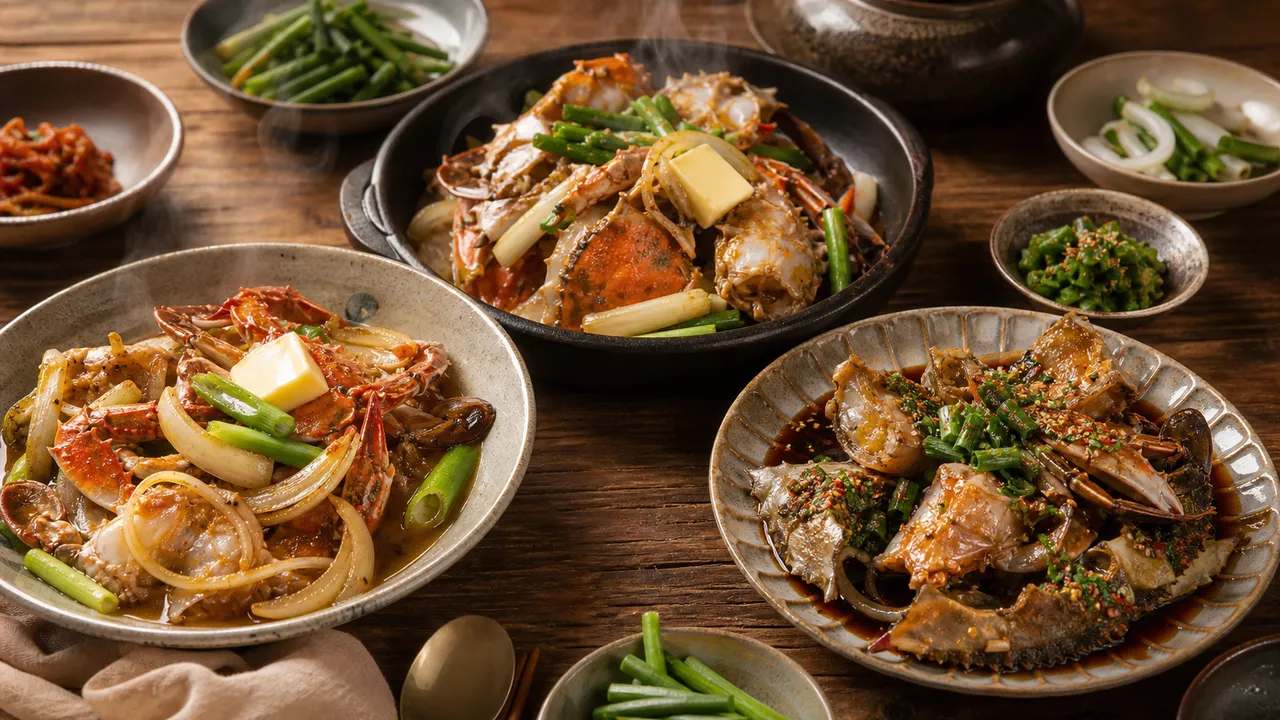
* 이미지는 AI가 생성한 참고 이미지로, 실제 조리 결과물과 다를 수 있습니다.
A recipe to make 7 side dishes for a week with 7,000 won worth of ingredients from Garak Market, allowing you to eat economically.
📋 7 recipes — Select to view
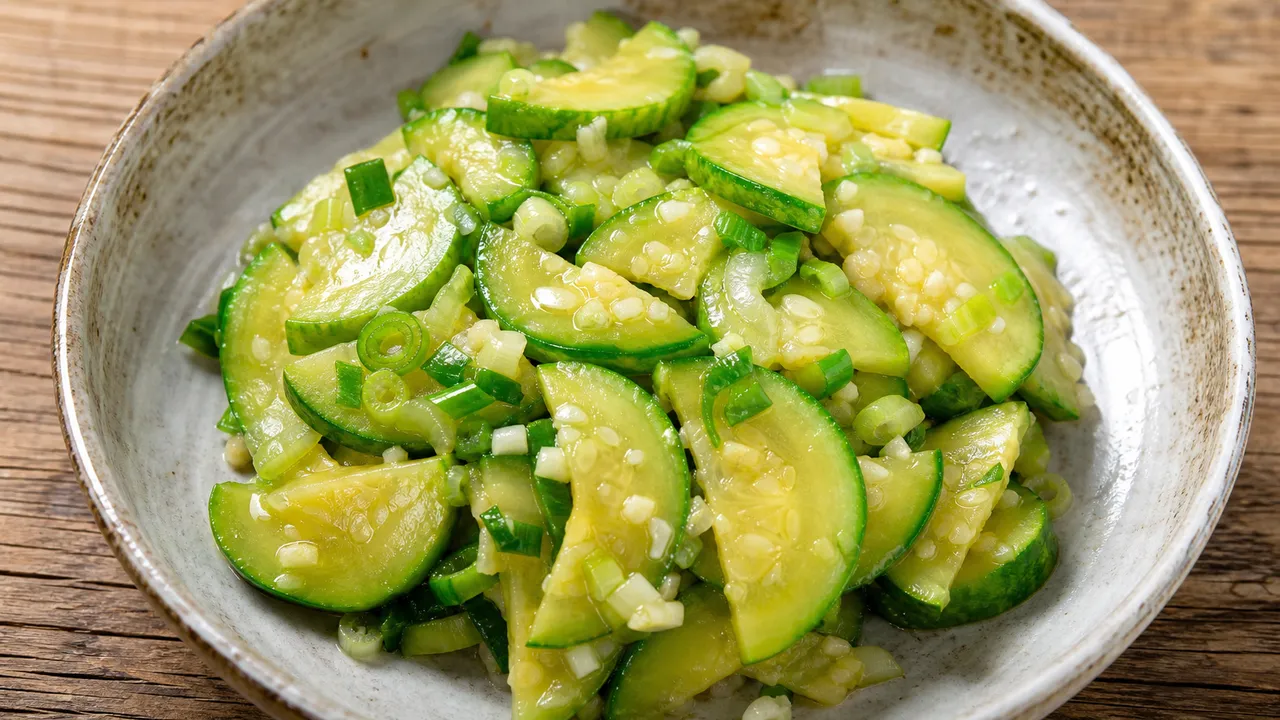
A simple aehobak namul (애호박나물) made by stir-frying salt-cured, dewatered Korean zucchini with green onions, garlic, saeujeot (새우젓), perilla oil (들기름), and toasted sesame seeds (깨소금).
📝 Editor's Notes
This stir-fried shiitake mushroom recipe perfectly preserves the fragrant taste and aroma of shiitake mushrooms, combining them with spicy chili and savory seasoning to create an excellent side dish for rice.
It's simple to make without complicated steps, making it easy for beginner cooks to try.
A key feature is using unwashed shiitake mushrooms to enjoy their deep, inherent flavor.
Served over warm rice, it's so satisfying you won't need any other side dishes.
It's a healthy and delicious dish that can be enjoyed year-round.
🛒 Ingredient Tips
When choosing shiitake mushrooms, look for ones with caps that are not too open, plump, and have clear, clean gills on the underside.
Check that the inside of the cap is white and fresh.
While dried shiitake mushrooms can be rehydrated and used, this recipe emphasizes preserving the aroma of fresh shiitake.
Select firm onions with shiny skins, and use fresh green onions (대파) with vivid green parts.
For cheongyang gochu (청양고추) and red chili peppers, choose those with vibrant colors and no blemishes to properly achieve their spiciness and visual appeal.
Remember, fresh ingredients are key to a delicious dish!
🔄 Substitution Guide
Instead of shiitake mushrooms, you can use oyster mushrooms or king oyster mushrooms.
Oyster mushrooms will provide a softer texture, while king oyster mushrooms will offer a chewier bite.
However, the unique aroma of shiitake mushrooms might be less prominent.
If you don't have oyster sauce, you can increase the amount of soy sauce by 1 tbsp and add about 0.5 tbsp of sugar to compensate for sweetness and umami.
While it might differ slightly from the deep flavor of oyster sauce, you can still create a delicious stir-fry.
If cheongyang gochu (청양고추) is too spicy, you can substitute it with kkari gochu (꽈리고추) or bell peppers to reduce the heat and add a crispy texture.
🥘 Ingredients
👨🍳 Cooking Points
The first and most important point is to use unwashed shiitake mushrooms.
Water can cause the unique aroma of shiitake mushrooms to dissipate, so simply wipe off any impurities with a dry paper towel.
The second point is to stir-fry onions, green onions, and chili peppers first to develop their full aroma.
Sauté them over medium heat for about 2-3 minutes to bring out the sweetness and fragrance of the vegetables and the spiciness of the chili.
Finally, after adding the sauce, it's crucial to add the shiitake mushrooms and stir-fry them quickly.
Mushrooms can become tough if overcooked, so the key is to stir-fry them for about 3-4 minutes, just enough for the seasoning to be absorbed.
The trick is to stir-fry quickly over high heat.
👨🍳 Directions
Sprinkle 1 tbsp of salt over the sliced Korean zucchini (애호박) and let it sit for 10 minutes to draw out moisture.
Drizzle 1-2 tbsp of cooking oil into a pan. Add the dewatered Korean zucchini and a handful of sliced green onions (대파).
Add 1 tbsp of minced garlic, 1 tbsp of saeujeot (새우젓), 2 tbsp of perilla oil (들기름), and 1 tbsp of toasted sesame seeds (깨소금). Stir-fry for about 2 minutes to finish.
💡 Tips
Salting the Korean zucchini (애호박) to remove moisture before stir-frying prevents it from breaking apart and improves its texture, making it more delicious.
📦 Storage & Reuse
Store the finished stir-fried shiitake mushrooms in an airtight container in the refrigerator for 2-3 days to keep them fresh.
Freezing is not recommended as it can alter the texture of the mushrooms, but if portioned and frozen, they can last for about a month.
To serve, thaw naturally, then gently stir-fry in a pan or reheat in the microwave.
Leftover stir-fried shiitake mushrooms can also be used as an ingredient for bibimbap (비빔밥), added to kimbap (김밥) for a unique flavor, or finely chopped and mixed into pancake batter for a delicious twist.
🥢 Who This Is For
This stir-fried shiitake mushroom dish is an excellent side dish for a hearty meal.
Even children who typically don't eat vegetables will enjoy it, thanks to the chewy texture and savory taste of the shiitake mushrooms.
It's a great menu item for the whole family.
It pairs perfectly with warm white rice, and serving it alongside simple braised tofu or refreshing soybean sprout soup will complete a richer Korean set meal.
🔥 Nutrition Info
This stir-fried shiitake mushroom dish has an estimated calorie count of approximately 120-150 kcal per serving.
Protein is estimated at about 5-8g, fat at about 8-12g, and carbohydrates at about 10-15g.
Shiitake mushrooms are rich in fiber, which aids gut health, and are abundant in beta-glucans and vitamin D precursors that boost immunity.
They also contain potassium and B vitamins, contributing to overall health improvement.
Onions, green onions (대파), and chili peppers provide vitamin C and antioxidants, making this a healthy side dish that balances nutrition.
💬 Frequently Asked Questions
- Q. What ingredients do I need for 7,000 Won Happiness! 7 Side Dish Recipes for a Week?
- Main ingredients include Korean zucchini (aekohobak), salt, cooking oil, green onion, minced garlic. When choosing Korean zucchini (aekohobak), look for one with a light green skin, a glossy appearance, and a firm, heavy feel. A medium-sized zucchini is ideal, as it will have fewer seeds and be more tender, making it suitable for a stir-fry (namul). For green onions, choose ones with fresh roots and vibrant green leaves that feel firm to the touch. While store-bought minced garlic is fine, mincing it yourself will provide a fresher and deeper aroma. For salted shrimp (saeujeot), choose a product that isn't too salty and has a clear pinkish hue, as this will enhance the savory flavor. Good ingredients will elevate the taste of your dish.
- Q. What are the key tips for making 7,000 Won Happiness! 7 Side Dish Recipes for a Week?
- The most crucial point in this recipe is salting the Korean zucchini (aekohobak) to remove moisture. Salting it with 1 tbsp of salt for about 10 minutes helps release water, preventing the dish from becoming watery when stir-fried and making the texture much crisper and more delicious. Be sure to follow this step, as skipping it can result in a mushy and less flavorful dish. The second point is the stir-frying time. Avoid overcooking the zucchini, which can make it mushy; instead, stir-fry quickly over high heat for about 2 minutes. Lastly, add perilla oil (deulgireum) and sesame salt just before turning off the heat or right after, to preserve their unique aroma and flavor. Remembering these three points will help you make delicious stir-fried Korean zucchini every time.
- Q. How should I store leftover 7,000 Won Happiness! 7 Side Dish Recipes for a Week?
- The finished stir-fried Korean zucchini (aekohobak-namul) can be stored in an airtight container in the refrigerator for 3-4 days. It is best to consume it as soon as possible, as the zucchini's texture can soften with longer storage. Freezing is not recommended as it can alter the texture of the namul. To reheat, simply microwave for 30 seconds to 1 minute, or lightly stir-fry over low heat to enjoy it warm and delicious as if freshly made. If you have leftover stir-fried Korean zucchini, it makes a great simple bibimbap when mixed with warm rice, gochujang (Korean chili paste), and sesame oil.
- Q. How many calories are in 7,000 Won Happiness! 7 Side Dish Recipes for a Week?
- This stir-fried Korean zucchini (aekohobak-namul) recipe, as part of a week's worth of side dishes, is estimated to be approximately 70-90 kcal per serving. It is very low in calories, primarily consisting of Korean zucchini and small amounts of seasonings. Protein is estimated at about 2-3g, fat at about 5-7g (mainly from perilla oil and cooking oil), and carbohydrates at about 4-6g. Korean zucchini is high in water content and dietary fiber, which aids in bowel health, and contains various vitamins and minerals such as vitamins A, C, and potassium. Vitamin A is particularly good for boosting immunity and protecting eyesight, while potassium is effective in expelling sodium from the body. Perilla oil, rich in unsaturated fatty acids, can also benefit cardiovascular health. Overall, it is a light and well-balanced healthy side dish.
- Q. Can I substitute ingredients in 7,000 Won Happiness! 7 Side Dish Recipes for a Week?
- If you wish to use other vegetables instead of Korean zucchini (aekohobak), you can try zucchini or cucumber. Zucchini has a similar texture to Korean zucchini and pairs well with this recipe, although its flavor might be slightly milder. If using cucumber, which has much higher water content than Korean zucchini, you'll need to increase the salting time or squeeze out the water more thoroughly to maintain a crisp texture. If you don't have salted shrimp (saeujeot) or have a seafood allergy, you can substitute it with 1 tbsp of soup soy sauce (gukganjang) and a pinch of salt. However, the unique refreshing and savory flavor of salted shrimp might be diminished. If you use sesame oil instead of perilla oil (deulgireum), the nutty flavor will be similar, but the distinctive aroma of perilla oil will be absent.
💬 Comments
No comments yet. Be the first to comment!