
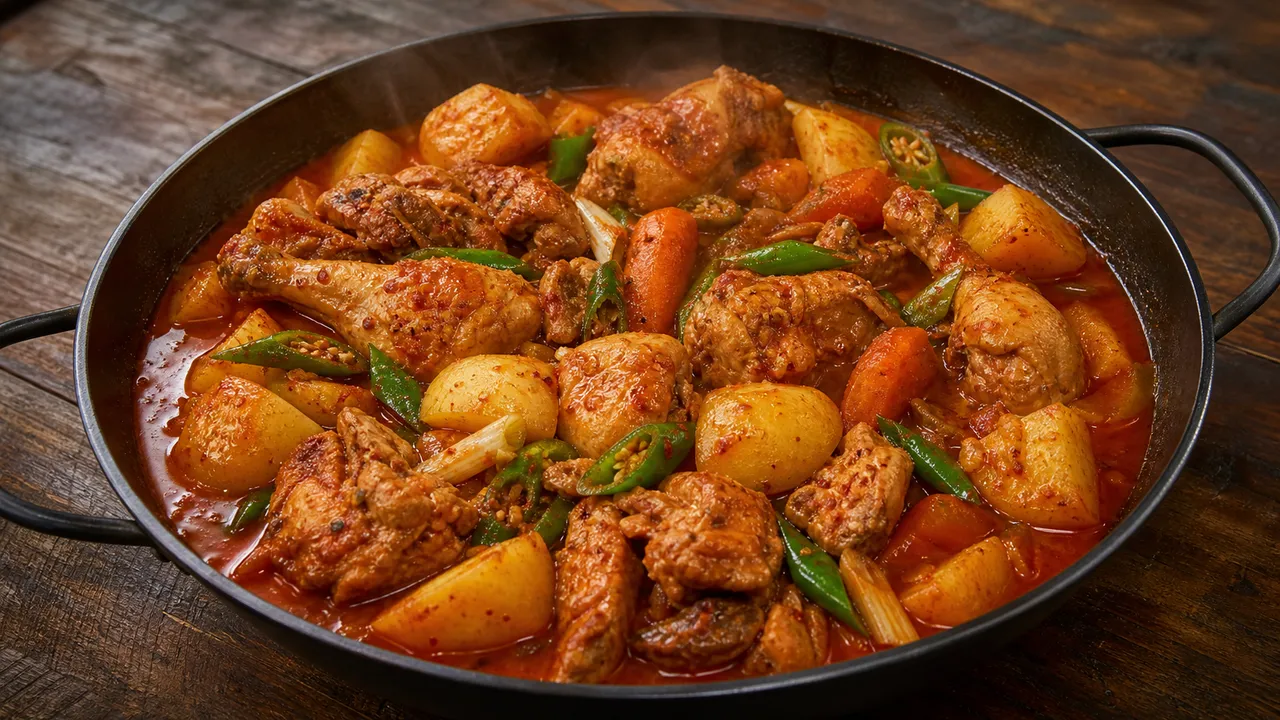
Tojong Dakbokkeumtang (Korean Spicy Braised Chicken with Nat
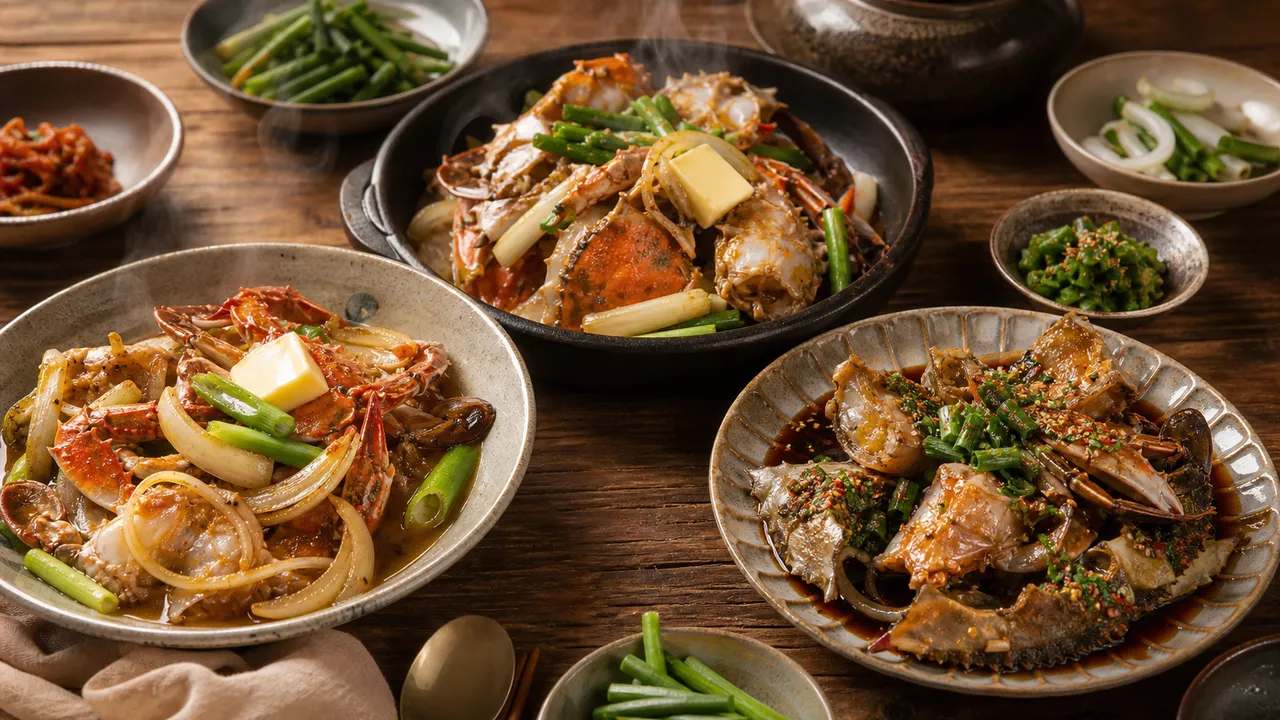
* 이미지는 AI가 생성한 참고 이미지로, 실제 조리 결과물과 다를 수 있습니다.
A spicy braised chicken dish (Dakbokkeumtang) featuring 1 kg of native Korean chicken (Tojong Dak) stir-fried with fresh vegetables such as potatoes, onions, and carrots. Enjoy the deep and rich flavor of the hearty Tojong chicken.
📝 Editor's Notes
Tojong Dakbokkeumtang is a dish that combines chewy Tojong chicken with fresh vegetables like potatoes, onions, and carrots, creating a spicy yet deeply savory flavor.
The cooking time is estimated to be around 40-50 minutes, and while it's considered an intermediate-level dish, you can successfully make it by following this recipe.
Especially by making chili oil with gochugaru (고춧가루) and adding depth of flavor with doenjang (된장) and malt syrup (조청), it will be a hearty and warm meal perfect for enjoying with family on a chilly day.
🛒 Ingredient Tips
Tojong chicken has a much chewier texture and produces a richer broth than regular chicken, making it ideal for Dakbokkeumtang.
Fresh Tojong chicken should have firm, glossy flesh and minimal odor.
Choose potatoes that are not too large, firm, and free of sprouts.
Seasonal potatoes tend to have a higher starch content, resulting in a fluffier texture.
For onions and carrots, select those with smooth, firm surfaces free of blemishes.
Remember that good ingredients are the foundation of delicious cooking.
🔄 Substitution Guide
You can use regular chicken instead of Tojong chicken.
However, regular chicken has a softer texture and the broth might be slightly less rich, so adjust the amount of soy sauce or oyster sauce to taste.
If you don't have potatoes or prefer not to use them, sweet potatoes or pumpkin make good substitutes.
Sweet potatoes and pumpkin have a sweet flavor and soft texture, which kids often enjoy.
If you don't have oyster sauce, you can slightly increase the amount of soy sauce or add one or two tablespoons of tuna extract for extra umami.
Each substitute will bring subtle changes to the dish's flavor and texture, but you'll still enjoy a unique charm.
🥘 Ingredients
👨🍳 Cooking Points
There are three key cooking points for this Dakbokkeumtang.
First, making the chili oil: Drizzle a little cooking oil into a pan and stir-fry the gochugaru (고춧가루) over low heat.
This will enhance the color and bring out a vibrant spicy aroma.
Be careful not to use too high heat, as the gochugaru can burn.
Second, the order of stir-frying the chicken: First, add the prepared chicken and stir-fry it with soy sauce.
This helps the chicken absorb the seasoning well and reduces any gamey odor.
Third, the process of adding the sauce and simmering: After adding all the seasonings, you must simmer the dish sufficiently over medium heat until the sauce thickens and reduces.
This allows the seasoning to penetrate deeply into the ingredients, creating a richer flavor.
Don't forget to add malt syrup (조청) at the end for gloss and sweetness.
👨🍳 Directions
Clean and prepare 1 kg of chicken.
Cut 1 potato, 1/2 onion, 1/2 carrot, 1 green onion (scallion) stalk, and 2 Cheongyang chili peppers (청양고추) into bite-sized pieces.
Drizzle a little cooking oil into a pan, add 4 tbsp of gochugaru (고춧가루), and make chili oil.
Add 2 tbsp of minced garlic, 1/2 of the onion, the green onion (scallion), and a splash of water, then stir-fry.
Add the prepared chicken and 6 tbsp of soy sauce, then stir-fry.
Add the sliced potatoes and carrots and stir-fry briefly.
Add 300 ml of water, 1 tbsp of sugar, 1 tbsp of mirin (맛술), 2 tbsp of oyster sauce, 1 tbsp of doenjang (된장), and 2 tbsp of gochujang (고추장), then stir to combine the seasonings well.
Add the remaining green onion (scallion) and Cheongyang chili peppers (청양고추) and simmer until the sauce thickens slightly.
Add black pepper to taste and 1 tbsp of malt syrup (조청), mix, and simmer a little longer to finish.
💡 Tips
Frying gochugaru (고춧가루) in cooking oil to make chili oil deepens the flavor and enhances the color of the Dakbokkeumtang.
Tojong chicken has a chewier texture and yields a richer broth than regular chicken, making it especially good for Dakbokkeumtang.
Before adding all the seasoning ingredients, stir-frying the chicken and vegetables first helps the ingredients absorb the seasoning better and enhances the overall flavor.
📦 Storage & Reuse
Leftover Dakbokkeumtang can be stored in an airtight container in the refrigerator for 2-3 days.
For longer storage, you can portion and freeze it for up to a month, though the chicken's texture might become slightly tougher after thawing.
When reheating, gently warm it over medium-low heat or use a microwave for convenience.
Don't forget to try stir-frying rice with the leftover sauce or adding udon noodles for another delicious variation!
🥢 Who This Is For
This Tojong Dakbokkeumtang is spicy and hearty, making it a perfect dish for family gatherings.
It's also an excellent choice for entertaining guests.
We recommend pairing it with mild bean sprout soup (kongnamulguk), seaweed soup (miyeokguk), or a crisp cabbage salad.
These side dishes will harmonize with the spicy Dakbokkeumtang, creating an even more abundant dining experience.
🔥 Nutrition Info
This Tojong Dakbokkeumtang recipe, for 3-4 servings, is estimated to be approximately 450-550 kcal per serving.
It is expected to contain about 30-35g of protein, 25-30g of fat, and 25-30g of carbohydrates.
Tojong chicken is a high-protein, low-fat food, excellent for protein intake.
Potatoes are rich in Vitamin C and potassium, while carrots are abundant in Vitamin A, which aids eye health.
Additionally, capsaicin in gochujang (고추장) and gochugaru (고춧가루) can help boost metabolism.
This dish offers balanced nutrition with a variety of vegetables and seasonings.
💬 Frequently Asked Questions
- Q. What ingredients do I need for Tojong Dakbokkeumtang (Korean Spicy Braised Chicken with Native Chicken): A Recipe for Deep, Rich Flavor?
- Main ingredients include Chicken, Potato, Onion, Carrot, Green onion (scallion). Tojong chicken has a much chewier texture and produces a richer broth than regular chicken, making it ideal for Dakbokkeumtang. Fresh Tojong chicken should have firm, glossy flesh and minimal odor. Choose potatoes that are not too large, firm, and free of sprouts. Seasonal potatoes tend to have a higher starch content, resulting in a fluffier texture. For onions and carrots, select those with smooth, firm surfaces free of blemishes. Remember that good ingredients are the foundation of delicious cooking.
- Q. What are the key tips for making Tojong Dakbokkeumtang (Korean Spicy Braised Chicken with Native Chicken): A Recipe for Deep, Rich Flavor?
- There are three key cooking points for this Dakbokkeumtang. First, making the chili oil: Drizzle a little cooking oil into a pan and stir-fry the gochugaru (고춧가루) over low heat. This will enhance the color and bring out a vibrant spicy aroma. Be careful not to use too high heat, as the gochugaru can burn. Second, the order of stir-frying the chicken: First, add the prepared chicken and stir-fry it with soy sauce. This helps the chicken absorb the seasoning well and reduces any gamey odor. Third, the process of adding the sauce and simmering: After adding all the seasonings, you must simmer the dish sufficiently over medium heat until the sauce thickens and reduces. This allows the seasoning to penetrate deeply into the ingredients, creating a richer flavor. Don't forget to add malt syrup (조청) at the end for gloss and sweetness.
- Q. How should I store leftover Tojong Dakbokkeumtang (Korean Spicy Braised Chicken with Native Chicken): A Recipe for Deep, Rich Flavor?
- Leftover Dakbokkeumtang can be stored in an airtight container in the refrigerator for 2-3 days. For longer storage, you can portion and freeze it for up to a month, though the chicken's texture might become slightly tougher after thawing. When reheating, gently warm it over medium-low heat or use a microwave for convenience. Don't forget to try stir-frying rice with the leftover sauce or adding udon noodles for another delicious variation!
- Q. How many calories are in Tojong Dakbokkeumtang (Korean Spicy Braised Chicken with Native Chicken): A Recipe for Deep, Rich Flavor?
- This Tojong Dakbokkeumtang recipe, for 3-4 servings, is estimated to be approximately 450-550 kcal per serving. It is expected to contain about 30-35g of protein, 25-30g of fat, and 25-30g of carbohydrates. Tojong chicken is a high-protein, low-fat food, excellent for protein intake. Potatoes are rich in Vitamin C and potassium, while carrots are abundant in Vitamin A, which aids eye health. Additionally, capsaicin in gochujang (고추장) and gochugaru (고춧가루) can help boost metabolism. This dish offers balanced nutrition with a variety of vegetables and seasonings.
- Q. Can I substitute ingredients in Tojong Dakbokkeumtang (Korean Spicy Braised Chicken with Native Chicken): A Recipe for Deep, Rich Flavor?
- You can use regular chicken instead of Tojong chicken. However, regular chicken has a softer texture and the broth might be slightly less rich, so adjust the amount of soy sauce or oyster sauce to taste. If you don't have potatoes or prefer not to use them, sweet potatoes or pumpkin make good substitutes. Sweet potatoes and pumpkin have a sweet flavor and soft texture, which kids often enjoy. If you don't have oyster sauce, you can slightly increase the amount of soy sauce or add one or two tablespoons of tuna extract for extra umami. Each substitute will bring subtle changes to the dish's flavor and texture, but you'll still enjoy a unique charm.
💬 Comments
No comments yet. Be the first to comment!