
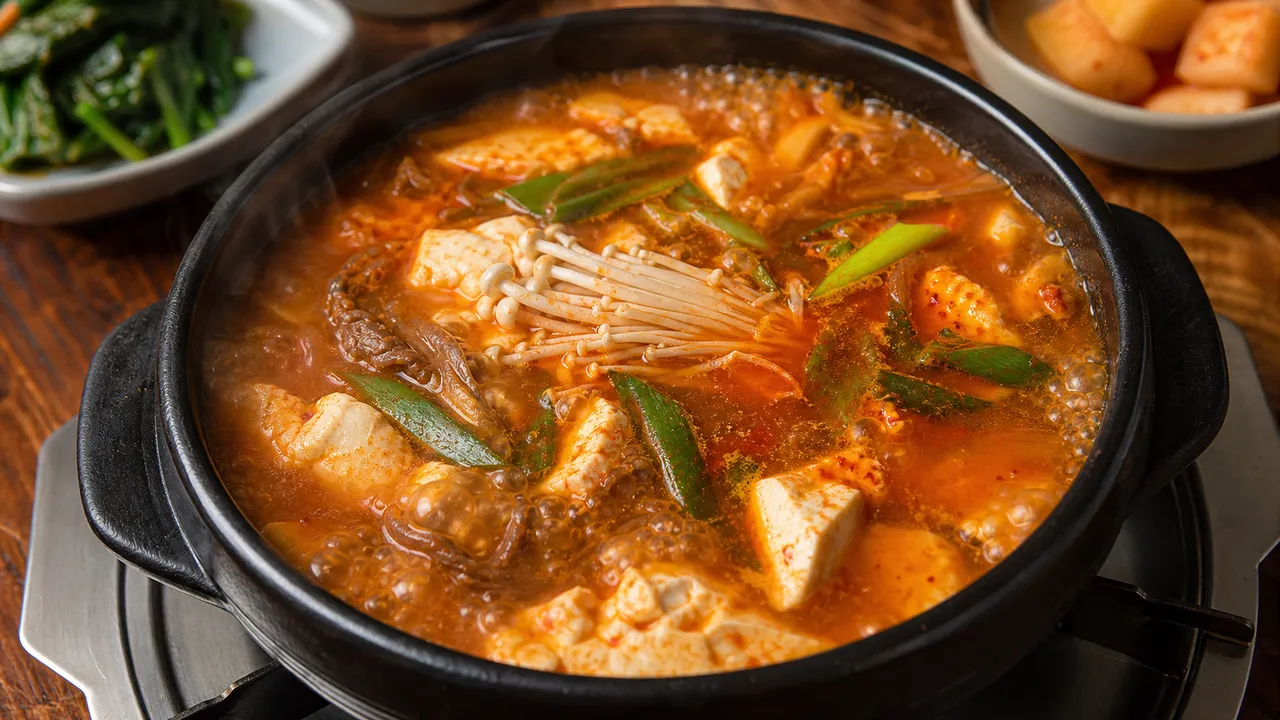
Super Easy Yukgaejang (육개장) Sundubu Jjigae (순두부찌개) Recipe
* 이미지는 AI가 생성한 참고 이미지로, 실제 조리 결과물과 다를 수 있습니다.
This is a spicy and hearty Yukgaejang (육개장) Sundubu Jjigae (순두부찌개) made using Seonbichan Yukgaejang and soft tofu. It serves 4 people and can be prepared for under 10,000 KRW (approximately $7-8 USD), making it a delicious and budget-friendly meal.
📝 Editor's Notes
Introducing a super simple recipe to quickly make a 4-serving Yukgaejang (육개장) Sundubu Jjigae (순두부찌개) for under 10,000 KRW (approximately $7-8 USD), using Seonbichan Yukgaejang and soft tofu.
The spicy and rich Yukgaejang broth combined with soft tofu creates a warm and comforting dish.
With a short cooking time of about 20 minutes, it's easy for even beginner cooks to follow.
It's perfect as a hearty family meal on chilly days.
Highly recommended for those who love spicy food.
It's an excellent choice for busy weeknight dinners or weekend lunches.
🛒 Ingredient Tips
For Seonbichan Yukgaejang, the key ingredient in this recipe, it's best to choose a commercial product with a rich flavor and generous ingredients.
For sundubu (순두부), select one that is not too watery and has set well to ensure it maintains its soft texture without disintegrating in the stew.
Using both the green leaves and white stalks of green onions will allow you to enjoy both their aroma and sweetness.
Fresh green onions should have firm stalks, vibrant green parts, and intact, soil-covered roots.
For garlic, mincing whole cloves yourself will result in a much richer aroma.
🔄 Substitution Guide
Instead of Seonbichan Yukgaejang, you can use other commercial Yukgaejang products, or even create a Yukgaejang base from scratch by adding fernbrake, bean sprouts, and beef to a beef bone broth (sagogomtang - 사골곰탕) and seasoning it yourself.
However, making it from scratch will significantly increase cooking time and may make it difficult to achieve consistent flavor.
If soft tofu is unavailable, you can mash and add silken tofu (yeon-dubu - 연두부) or stew-용 tofu, though it may lack the unique soft and tender texture of sundubu.
If you want to reduce the spiciness, you can use paprika powder instead of gochugaru (고춧가루), or reduce the amount of gochugaru and season with soy sauce.
Instead of adding whole chili peppers, finely minced cheongyang gochugaru (청양고춧가루) can add a clean, spicy kick.
🥘 Ingredients
👨🍳 Cooking Points
The first key point for this dish is to sufficiently create green onion oil.
Heat oil in a frying pan and sauté the chopped green onions until softened.
Adding garlic at this stage will further deepen the aroma.
This step lays the foundation for the flavor.
The second point is to stir-fry the gochugaru (고춧가루) for about 30 seconds to 1 minute; when the chili powder meets the oil, its color and aroma intensify, adding a spicy and pungent flavor.
Be careful not to over-fry it, as it can burn.
Lastly, when adding the soft tofu, gently place it in to prevent it from breaking apart, and then bring it to a boil again.
Pay attention to the amount of soft tofu, as adding too much can dilute the seasoning.
👨🍳 Directions
Heat a frying pan.
Add an appropriate amount of cooking oil to the pan.
Add chopped green onions and sauté until softened. (You can also sauté garlic with the green onions for more flavor.)
Add 3 tablespoons of gochugaru (고춧가루) and stir-fry for 30 seconds to 1 minute. (If you prefer a spicier taste, use cheongyang gochugaru (청양고춧가루 - Korean hot chili powder).)
Pour in 2 pouches (total 1200g / 2.65 lbs) of Seonbichan Yukgaejang (육개장) and bring to a boil.
Once it starts boiling, gently add 1 block of sundubu (순두부) (soft tofu) and bring it to a boil again.
Add your desired toppings (such as glass noodles, enoki mushrooms, chili peppers, or an egg). Serve hot in a ttukbaegi (뚝배기 - Korean earthenware pot) and enjoy.
💡 Tips
Sautéing garlic with the green onions will enhance the flavor.
If you prefer a spicier taste, try using cheongyang gochugaru (청양고춧가루).
Be careful not to add too much soft tofu, as it can dilute the flavor.
📦 Storage & Reuse
The finished Yukgaejang Sundubu Jjigae can be stored in an airtight container in the refrigerator for 2-3 days.
Due to the nature of soft tofu, its texture may change if stored for too long, so it's best to consume it as soon as possible.
Freezing is an option, but not recommended for soft tofu as it can become crumbly when thawed.
When reheating leftover Yukgaejang Sundubu Jjigae, warm it slowly over low heat or in a microwave.
You can add a little more water or broth to adjust the consistency and enjoy the original flavor.
The leftover Yukgaejang broth is also delicious mixed with rice or used to cook ramen noodles.
🥢 Who This Is For
This Yukgaejang Sundubu Jjigae is highly recommended for those who love spicy and warm soup dishes.
It's especially perfect for a rainy day or a cold winter evening when you're craving something spicy.
It's a magical dish that will have you finishing a whole bowl of rice in no time.
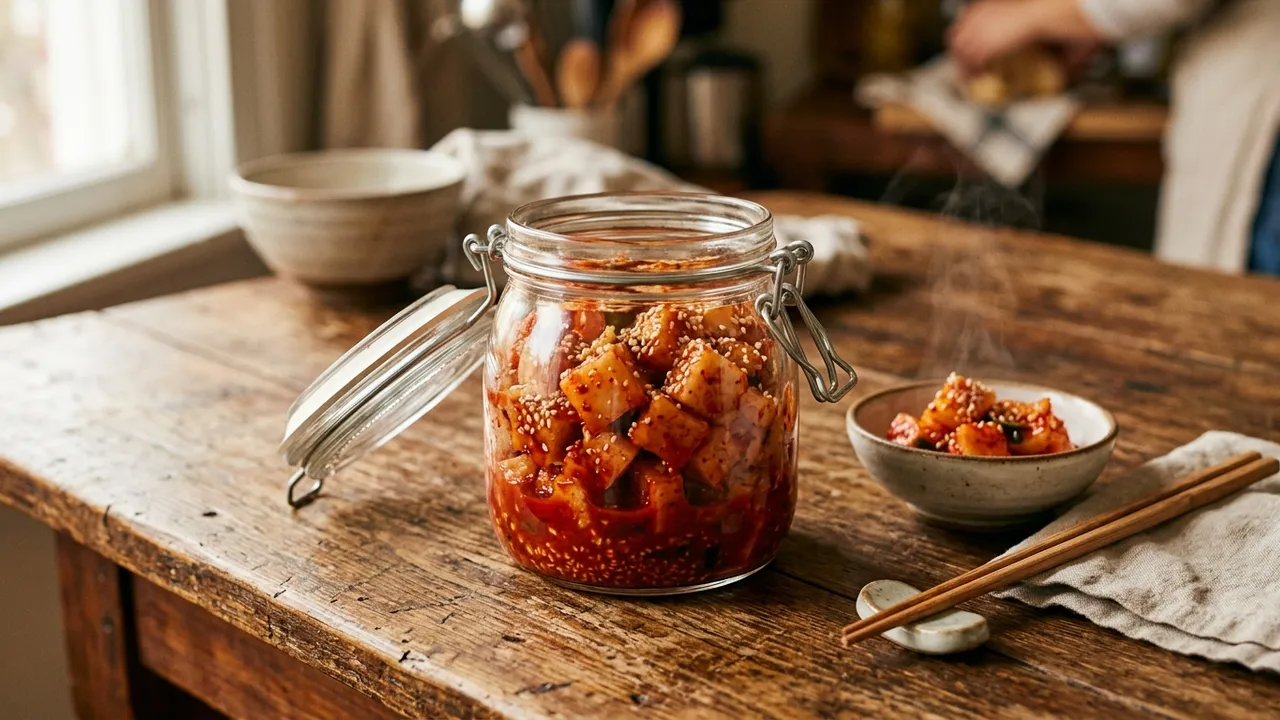
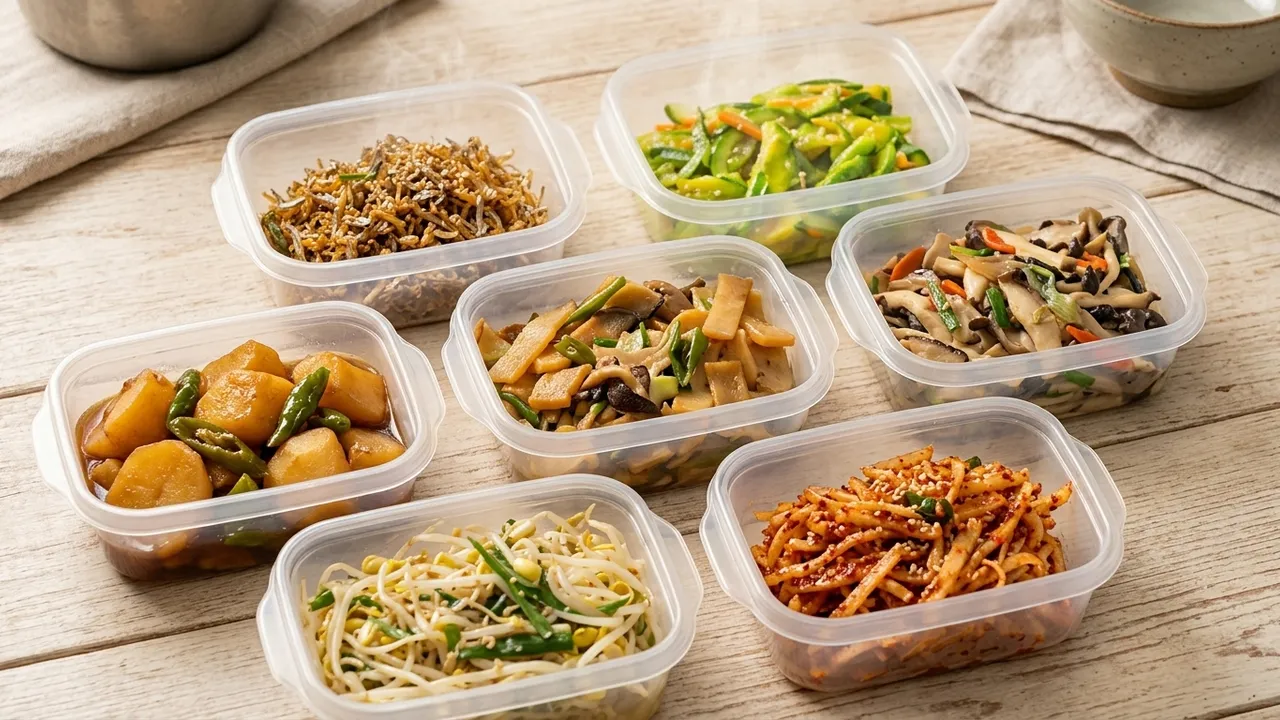
Good side dishes to serve alongside include mild steamed egg (gyeranjjim - 계란찜), refreshing seasoned bean sprouts (kongnamul muchim - 콩나물무침), or crispy cubed radish kimchi (kkakdugi - 깍두기).
It also pairs wonderfully with a glass of makgeolli (막걸리 - Korean rice wine) and is an excellent choice for a hangover cure.
🔥 Nutrition Info
Based on 4 servings, this Yukgaejang Sundubu Jjigae is estimated to contain approximately 400-500 calories per serving.
It may include about 25-30g of protein, 20-25g of fat, and 30-35g of carbohydrates.
The beef in the Yukgaejang and the soft tofu provide high-quality protein, while green onions and garlic offer antioxidants like Vitamin C and allicin.
Gochugaru (고춧가루) with its capsaicin content can help boost metabolism.
Adding glass noodles as an extra topping will increase the carbohydrate content, while enoki mushrooms can supplement dietary fiber.
For a more balanced diet, it's good to serve with vegetable side dishes.
💬 Frequently Asked Questions
- Q. What ingredients do I need for Super Easy Yukgaejang (육개장) Sundubu Jjigae (순두부찌개)?
- Main ingredients include Seonbichan Yukgaejang (육개장), Sundubu (순두부) (soft tofu), Green onions (scallions), Gochugaru (고춧가루) (Korean chili powder), Garlic. For Seonbichan Yukgaejang, the key ingredient in this recipe, it's best to choose a commercial product with a rich flavor and generous ingredients. For sundubu (순두부), select one that is not too watery and has set well to ensure it maintains its soft texture without disintegrating in the stew. Using both the green leaves and white stalks of green onions will allow you to enjoy both their aroma and sweetness. Fresh green onions should have firm stalks, vibrant green parts, and intact, soil-covered roots. For garlic, mincing whole cloves yourself will result in a much richer aroma.
- Q. What are the key tips for making Super Easy Yukgaejang (육개장) Sundubu Jjigae (순두부찌개)?
- The first key point for this dish is to sufficiently create green onion oil. Heat oil in a frying pan and sauté the chopped green onions until softened. Adding garlic at this stage will further deepen the aroma. This step lays the foundation for the flavor. The second point is to stir-fry the gochugaru (고춧가루) for about 30 seconds to 1 minute; when the chili powder meets the oil, its color and aroma intensify, adding a spicy and pungent flavor. Be careful not to over-fry it, as it can burn. Lastly, when adding the soft tofu, gently place it in to prevent it from breaking apart, and then bring it to a boil again. Pay attention to the amount of soft tofu, as adding too much can dilute the seasoning.
- Q. How should I store leftover Super Easy Yukgaejang (육개장) Sundubu Jjigae (순두부찌개)?
- The finished Yukgaejang Sundubu Jjigae can be stored in an airtight container in the refrigerator for 2-3 days. Due to the nature of soft tofu, its texture may change if stored for too long, so it's best to consume it as soon as possible. Freezing is an option, but not recommended for soft tofu as it can become crumbly when thawed. When reheating leftover Yukgaejang Sundubu Jjigae, warm it slowly over low heat or in a microwave. You can add a little more water or broth to adjust the consistency and enjoy the original flavor. The leftover Yukgaejang broth is also delicious mixed with rice or used to cook ramen noodles.
- Q. How many calories are in Super Easy Yukgaejang (육개장) Sundubu Jjigae (순두부찌개)?
- Based on 4 servings, this Yukgaejang Sundubu Jjigae is estimated to contain approximately 400-500 calories per serving. It may include about 25-30g of protein, 20-25g of fat, and 30-35g of carbohydrates. The beef in the Yukgaejang and the soft tofu provide high-quality protein, while green onions and garlic offer antioxidants like Vitamin C and allicin. Gochugaru (고춧가루) with its capsaicin content can help boost metabolism. Adding glass noodles as an extra topping will increase the carbohydrate content, while enoki mushrooms can supplement dietary fiber. For a more balanced diet, it's good to serve with vegetable side dishes.
- Q. Can I substitute ingredients in Super Easy Yukgaejang (육개장) Sundubu Jjigae (순두부찌개)?
- Instead of Seonbichan Yukgaejang, you can use other commercial Yukgaejang products, or even create a Yukgaejang base from scratch by adding fernbrake, bean sprouts, and beef to a beef bone broth (sagogomtang - 사골곰탕) and seasoning it yourself. However, making it from scratch will significantly increase cooking time and may make it difficult to achieve consistent flavor. If soft tofu is unavailable, you can mash and add silken tofu (yeon-dubu - 연두부) or stew-용 tofu, though it may lack the unique soft and tender texture of sundubu. If you want to reduce the spiciness, you can use paprika powder instead of gochugaru (고춧가루), or reduce the amount of gochugaru and season with soy sauce. Instead of adding whole chili peppers, finely minced cheongyang gochugaru (청양고춧가루) can add a clean, spicy kick.
💬 Comments
No comments yet. Be the first to comment!