
Super Simple Jeyuk-bokkeum (Spicy Pork Stir-fry) with Golden
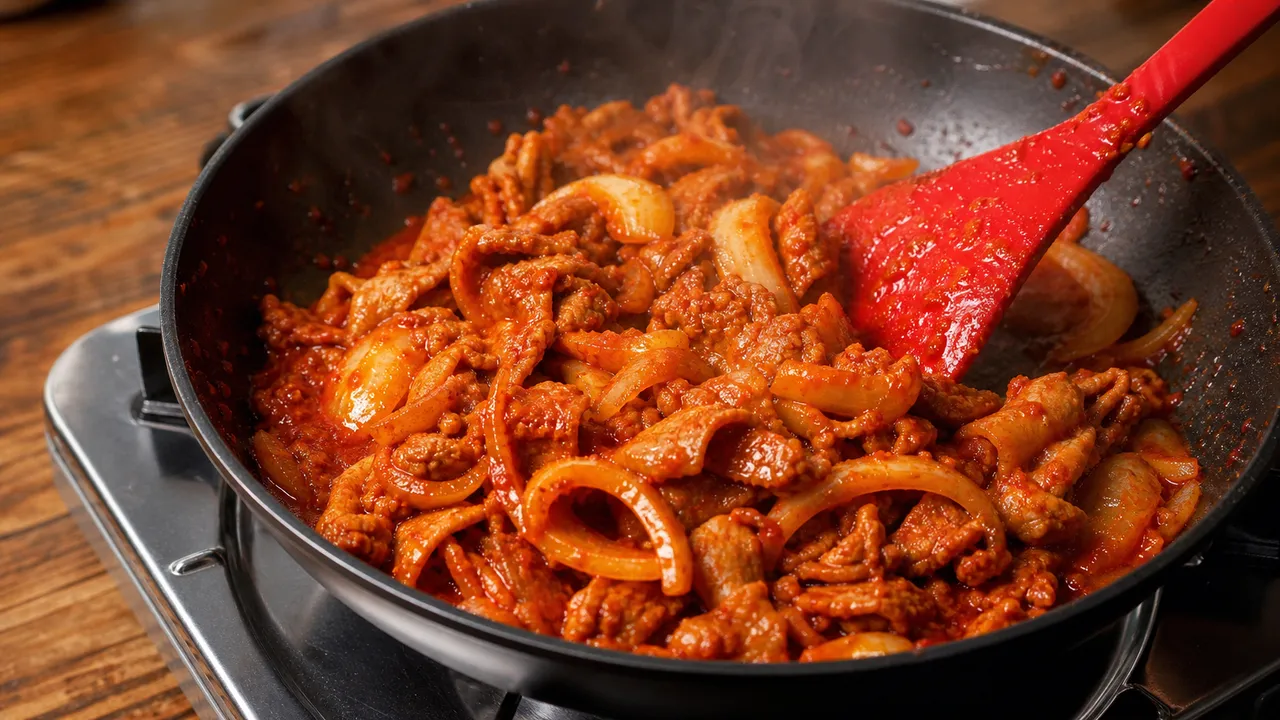
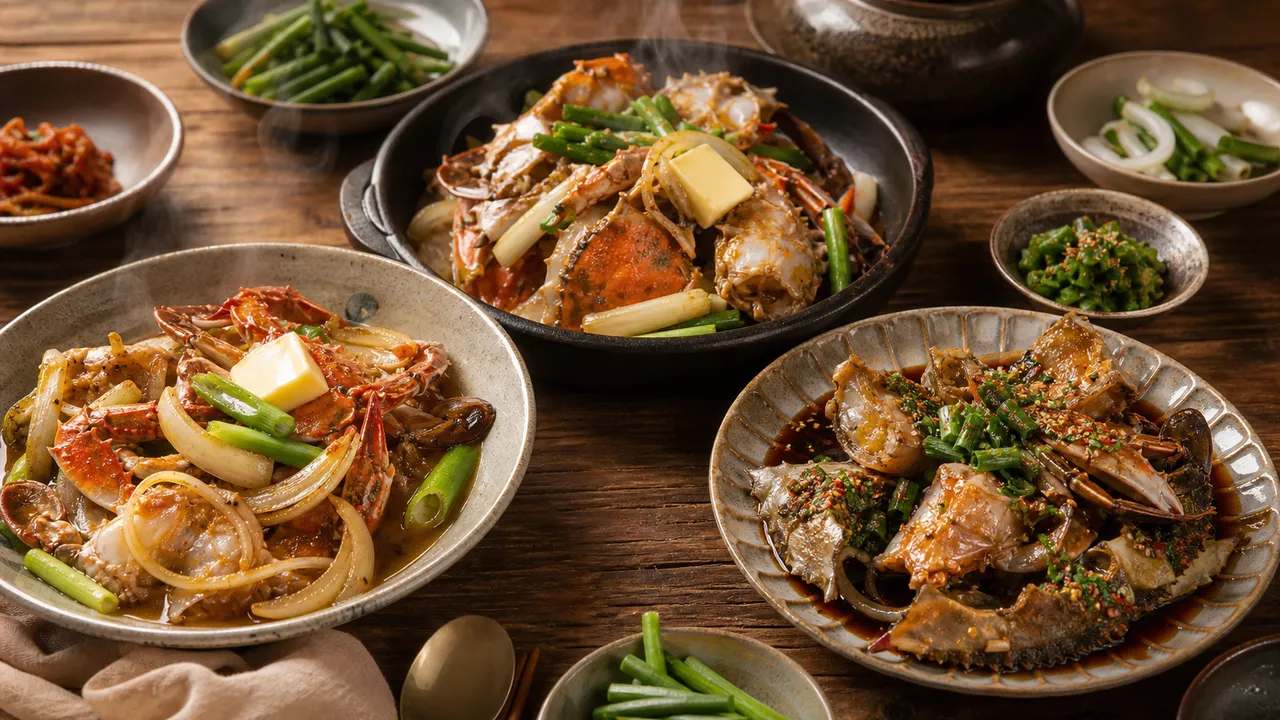
* 이미지는 AI가 생성한 참고 이미지로, 실제 조리 결과물과 다를 수 있습니다.
This is a super simple Jeyuk-bokkeum (Spicy Pork Stir-fry) recipe featuring pork shoulder and an abundance of vegetables, creating an exquisite sweet, salty, and spicy umami flavor.
📝 Editor's Notes
This Jeyuk-bokkeum recipe, using pork shoulder and various vegetables, can be whipped up in about 30 minutes.
With its golden ratio of sweet, salty, and spicy seasoning, this dish is bursting with umami and is especially perfect as a side dish for rice or a snack with drinks.
It's easy for anyone to follow without complicated steps, making it highly recommended for beginner cooks.
It's delicious any time of year, but enjoying it with a cold beer after a hard day's work will make it an even more special meal.
🛒 Ingredient Tips
For Jeyuk-bokkeum, which relies heavily on the quality of pork, it's best to choose pork shoulder with a good balance of lean meat and fat.
Too lean, and it can be dry; too fatty, and it might be greasy.
Fresh pork shoulder should have a bright reddish-pink color, a glossy sheen, and feel firm to the touch.
For onions and cabbage, choose fresh ones to add crispiness and sweetness.
Onions should have firm, shiny skins, and cabbage should have vibrant outer leaves and feel heavy.
Adding plenty of seasonal vegetables will enrich both the nutrition and flavor.
🔄 Substitution Guide
Instead of pork shoulder, you can use pork neck or pork belly.
Pork neck offers a more tender texture than shoulder, while pork belly provides a richer, fattier flavor.
If using pork belly, it's advisable to drain off excess fat during cooking.
If you don't have Montreal steak seasoning, you can mix salt, pepper, garlic powder, and onion powder, or substitute with a store-bought steak seasoning.
While the depth of flavor might vary slightly, it will still be delicious.
Note that using anchovy sauce (멸치액젓) instead of tuna sauce (참치액) can provide a cleaner umami taste.
🥘 Ingredients
👨🍳 Cooking Points
There are two crucial cooking points for this recipe.
First, season the pork with Montreal steak seasoning and cook it only about 80% through to render enough fat.
This helps to eliminate any gamey odor from the meat and enhances its flavor.
Second, stir-fry the sauce ingredients in the rendered fat in the center of the pan until slightly caramelized.
This searing effect allows gochugaru (고춧가루), soy sauce, and other seasonings to meet the hot oil, creating a deep smoky flavor and umami.
Finally, remember to add sugar, black pepper, sesame oil, and toasted sesame seeds after turning off the heat, mixing them with the residual heat to properly preserve their aroma and taste.
Keeping these points in mind will help you make delicious Jeyuk-bokkeum without fail.
👨🍳 Directions
Place the pork shoulder seasoned with Montreal steak seasoning in a pan, spread it evenly, and cook until about 80% done. Once some fat has rendered, add the julienned green onion and 1 tbsp minced garlic, and stir-fry until fragrant.
In the rendered fat gathered in the center of the pan, add 2 tbsp gochugaru (고춧가루), 2 tbsp soy sauce, 1 tsp gochujang (고추장), and 2 tbsp mirin. Stir-fry until fragrant and slightly caramelized, then mix well with the pork.
Add 1 julienned onion and a handful of cabbage. Stir-fry, then add 1 tbsp soy sauce and 1 tsp tuna sauce (참치액) and continue to stir-fry.
Stir-fry until the vegetables are tender, then add 1 tsp sugar and a pinch of black pepper, and turn off the heat. Finally, drizzle with 1 tsp sesame oil and sprinkle with 1 tbsp toasted sesame seeds to complete the delicious Jeyuk-bokkeum.
💡 Tips
Season the pork with Montreal steak seasoning and cook until about 80% done to render some fat first.
Stir-frying the sauce ingredients in the rendered fat in the center of the pan until slightly caramelized deepens the flavor.
Adding sugar, black pepper, sesame oil, and toasted sesame seeds at the very end after turning off the heat helps preserve their aroma and flavor.
📦 Storage & Reuse
Store the finished Jeyuk-bokkeum in an airtight container in the refrigerator for 2-3 days.
For longer storage, divide it into single-serving portions and freeze for up to 1 month.
To reheat frozen Jeyuk-bokkeum, thaw it in the microwave or warm it gently in a pan over low heat; adding a little water while stir-frying will help maintain its moisture.
Leftover Jeyuk-bokkeum can be transformed into a fantastic fried rice by adding rice, kimchi, and shredded nori (김가루), or used as a delicious rice bowl topping.
🥢 Who This Is For
This Jeyuk-bokkeum is a fantastic dish for the whole family to enjoy, especially for those who love spicy flavors.
Serve it over warm rice like a rice bowl, or with lettuce wraps for a more hearty meal.
Pairing it with a refreshing bean sprout soup (콩나물국) or seaweed soup (미역국) can help balance the spicy taste and complete a well-rounded meal.
It's also an excellent choice for home parties with friends or as a camping dish.
🔥 Nutrition Info
Based on this recipe, one serving (approx.
350g or 12.3 oz) of Jeyuk-bokkeum is estimated to contain around 600-700 calories.
It provides approximately 40-50g of protein, 40-50g of fat, and 20-30g of carbohydrates.
Pork shoulder is rich in B vitamins, especially B1, which helps with fatigue recovery, and its high iron content is beneficial for preventing anemia.
Vegetables like onions and cabbage provide dietary fiber and vitamin C, contributing to gut health and immune system strengthening.
While various spices and seasonings like Montreal steak seasoning and tuna sauce (참치액) enhance the flavor, the sodium content can be high, so it's advisable to monitor your intake.
💬 Frequently Asked Questions
- Q. What ingredients do I need for Super Simple Jeyuk-bokkeum (Spicy Pork Stir-fry) with Golden Ratio Sauce and Plenty of Vegetables?
- Main ingredients include Pork shoulder, Onion, Cabbage, Green onion, Soy sauce. For Jeyuk-bokkeum, which relies heavily on the quality of pork, it's best to choose pork shoulder with a good balance of lean meat and fat. Too lean, and it can be dry; too fatty, and it might be greasy. Fresh pork shoulder should have a bright reddish-pink color, a glossy sheen, and feel firm to the touch. For onions and cabbage, choose fresh ones to add crispiness and sweetness. Onions should have firm, shiny skins, and cabbage should have vibrant outer leaves and feel heavy. Adding plenty of seasonal vegetables will enrich both the nutrition and flavor.
- Q. What are the key tips for making Super Simple Jeyuk-bokkeum (Spicy Pork Stir-fry) with Golden Ratio Sauce and Plenty of Vegetables?
- There are two crucial cooking points for this recipe. First, season the pork with Montreal steak seasoning and cook it only about 80% through to render enough fat. This helps to eliminate any gamey odor from the meat and enhances its flavor. Second, stir-fry the sauce ingredients in the rendered fat in the center of the pan until slightly caramelized. This searing effect allows gochugaru (고춧가루), soy sauce, and other seasonings to meet the hot oil, creating a deep smoky flavor and umami. Finally, remember to add sugar, black pepper, sesame oil, and toasted sesame seeds after turning off the heat, mixing them with the residual heat to properly preserve their aroma and taste. Keeping these points in mind will help you make delicious Jeyuk-bokkeum without fail.
- Q. How should I store leftover Super Simple Jeyuk-bokkeum (Spicy Pork Stir-fry) with Golden Ratio Sauce and Plenty of Vegetables?
- Store the finished Jeyuk-bokkeum in an airtight container in the refrigerator for 2-3 days. For longer storage, divide it into single-serving portions and freeze for up to 1 month. To reheat frozen Jeyuk-bokkeum, thaw it in the microwave or warm it gently in a pan over low heat; adding a little water while stir-frying will help maintain its moisture. Leftover Jeyuk-bokkeum can be transformed into a fantastic fried rice by adding rice, kimchi, and shredded nori (김가루), or used as a delicious rice bowl topping.
- Q. How many calories are in Super Simple Jeyuk-bokkeum (Spicy Pork Stir-fry) with Golden Ratio Sauce and Plenty of Vegetables?
- Based on this recipe, one serving (approx. 350g or 12.3 oz) of Jeyuk-bokkeum is estimated to contain around 600-700 calories. It provides approximately 40-50g of protein, 40-50g of fat, and 20-30g of carbohydrates. Pork shoulder is rich in B vitamins, especially B1, which helps with fatigue recovery, and its high iron content is beneficial for preventing anemia. Vegetables like onions and cabbage provide dietary fiber and vitamin C, contributing to gut health and immune system strengthening. While various spices and seasonings like Montreal steak seasoning and tuna sauce (참치액) enhance the flavor, the sodium content can be high, so it's advisable to monitor your intake.
- Q. Can I substitute ingredients in Super Simple Jeyuk-bokkeum (Spicy Pork Stir-fry) with Golden Ratio Sauce and Plenty of Vegetables?
- Instead of pork shoulder, you can use pork neck or pork belly. Pork neck offers a more tender texture than shoulder, while pork belly provides a richer, fattier flavor. If using pork belly, it's advisable to drain off excess fat during cooking. If you don't have Montreal steak seasoning, you can mix salt, pepper, garlic powder, and onion powder, or substitute with a store-bought steak seasoning. While the depth of flavor might vary slightly, it will still be delicious. Note that using anchovy sauce (멸치액젓) instead of tuna sauce (참치액) can provide a cleaner umami taste.
💬 Comments
No comments yet. Be the first to comment!