
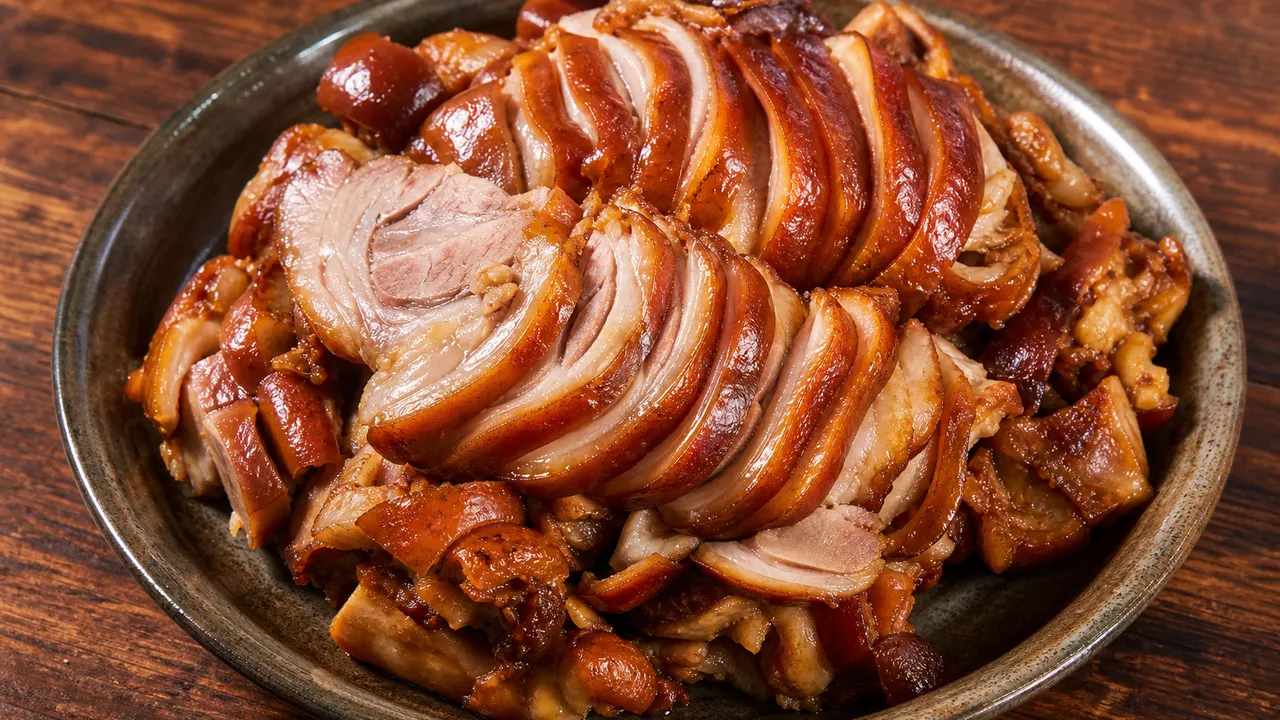
Sung Si-kyung's Super Easy Special Jokbal (족발) Recipe with C
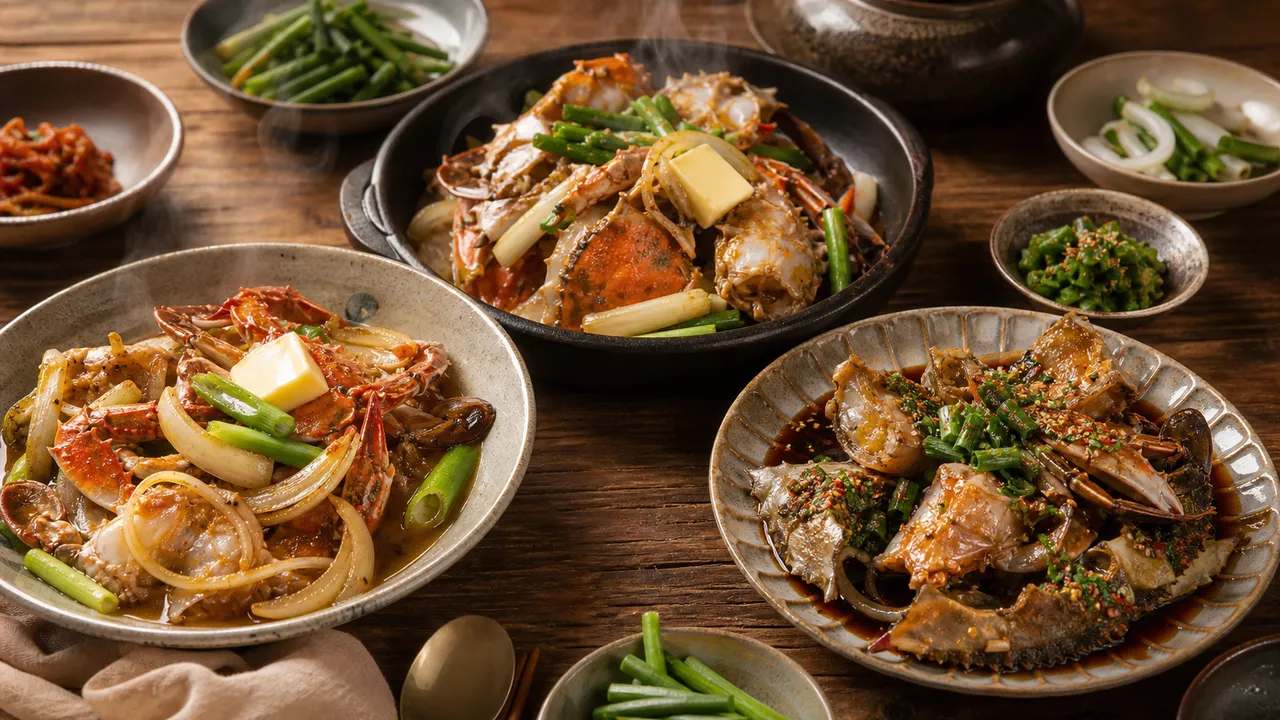
* 이미지는 AI가 생성한 참고 이미지로, 실제 조리 결과물과 다를 수 있습니다.
This is Sung Si-kyung's special recipe to enjoy tender braised pork, completed in just 40 minutes, along with a sweet and sour Chinese-style cucumber salad and spicy ramen.
📋 3 recipes — Select to view
An incredibly easy and delicious recipe for homemade Jokbal (족발) using pork shank.
📝 Editor's Notes
This is a super simple Jokbal (족발) recipe that can be beautifully completed in just 50 minutes using pork shank.
With no complicated steps, you just put all the ingredients together and braise them thoroughly, making it a foolproof dish even for beginner cooks.
The sweet and savory sauce deeply permeates the tender pork shank, making it excellent as a side dish for rice or an appetizer with drinks, and a perfect meal for the whole family.
It's especially delicious when enjoyed warm during chilly seasons.
🛒 Ingredient Tips
The key ingredient for this Jokbal (족발) recipe is pork shank.
Shank, sourced from the front or hind leg, is lean with plenty of meat, developing a tender yet chewy texture when braised for a long time.
Fresh shank should have a bright reddish-pink color, a glossy appearance, and feel firm.
When choosing at the supermarket, select cuts without excessive blood or a dark color.
Bay leaves and star anise are important spices that impart the unique Jokbal (족발) aroma and eliminate gamey odors, so be sure to have them ready.
Using red chili pepper instead of dried chili adds a subtle spiciness and vibrant color.
🔄 Substitution Guide
If you wish to use other cuts of pork instead of shank, you can use pork belly or pork neck.
Pork belly has a higher fat content, resulting in a softer and richer flavor, but it may lack the chewy texture characteristic of shank.
Pork neck offers a texture similar to shank but is slightly more tender.
If star anise or bay leaves are unavailable, you can substitute with other spices like whole black peppercorns or rosemary to eliminate gamey odors, though the authentic Jokbal (족발) aroma might be less prominent.
For a spicier kick, use Cheongyang chili pepper (청양고추) instead of red chili pepper.
🥘 Ingredients
👨🍳 Cooking Points
There are two crucial cooking points in this recipe.
First, season the meat thoroughly.
Pre-seasoning the pork shank with salt and black pepper enhances the meat's natural flavor and helps the sauce penetrate better.
Second, the process of thoroughly braising the seasoned meat for 40 minutes.
Heat control is extremely important during this step.
Start by boiling over medium heat, then reduce to low heat once it begins to boil, simmering gently to prevent the meat from burning and ensure tenderness.
If the sauce reduces too much or seems to be burning, add cold water incrementally to adjust.
Finally, the step of transferring to another pot and cooking for an additional 10 minutes over low heat is a secret tip for allowing the sauce to deeply infuse into the Jokbal (족발), so be sure to follow it.
👨🍳 Directions
Rinse the pork shank thoroughly and prepare it.
Season the pork shank with salt and black pepper to taste.
In a pot, add about 2/5 cup of soy sauce, about 1/4 cup of water, and about 1/5 cup of sugar.
Add the red chili pepper, star anise, bay leaf, and ginger powder to the pot.
Mix the sauce well and pour it over the meat.
Cover the pot and braise for about 40 minutes until thoroughly cooked.
During cooking, carefully adjust the heat to prevent the sauce from burning or overflowing. If needed, add cold water as an emergency measure.
Transfer the meat to another pot, pour the remaining sauce over it to keep it moist, and cook for another 10 minutes over low heat.
Place the cooked Jokbal (braised pork shank) on a cutting board, remove any excessively burnt parts, and slice it into bite-sized pieces.
💡 Tips
It is recommended to use pork shank when making Jokbal (족발).
Adjust the seasoning of the sauce to your taste, and experiment to find your own perfect ratio.
Even if the sauce burns, don't panic. Add cold water, transfer the meat to another pot, and try to rescue the dish using the remaining sauce.
📦 Storage & Reuse
Store the finished Jokbal (족발) in an airtight container in the refrigerator for 3-4 days.
For longer storage, divide leftover Jokbal (족발) into single-serving portions and freeze for up to 2 weeks.
To reheat frozen Jokbal (족발), microwave it, steam it, or warm it gently in a pan with a little sauce over low heat to keep it moist and warm.
Leftover Jokbal (족발) can also be shredded and used in bibimbap (비빔밥) or fried rice, or made into a refreshing Jokbal Naengchae (족발 냉채) salad for a special treat.
🥢 Who This Is For
This Jokbal (족발) recipe is excellent as a special weekend meal for the whole family.
It's also perfect for entertaining guests or as a housewarming dish.
Good accompaniments for Jokbal (족발) include sweet and sour Jaengban-guksu (쟁반국수, chilled noodle salad) or fresh Geotjeori (겉절이, spicy fresh kimchi salad).
The spicy seasoning and crisp vegetables will cut through the richness of the Jokbal (족발), making it even more enjoyable.
It also pairs wonderfully with a glass of makgeolli (막걸리, Korean rice wine) or a cold beer.
🔥 Nutrition Info
The estimated calorie count per serving for this Jokbal (족발) recipe is approximately 350-400 kcal.
Due to the use of pork shank, the protein content is very high, providing about 30-35g of protein.
Fat is estimated at approximately 15-20g, and carbohydrates at about 20-25g, depending on the amount of soy sauce and sugar used.
Pork is rich in B vitamins, especially Vitamin B1, which helps with fatigue recovery.
It also contains minerals such as iron and zinc, making it a nutritionally excellent dish.
However, be mindful of sodium content and adjust the seasoning accordingly.
💬 Frequently Asked Questions
- Q. What ingredients do I need for Sung Si-kyung's Super Easy Special Jokbal (족발) Recipe with Cucumber Salad and Spicy Ramen for a Perfect Meal?
- Main ingredients include Pork Shoulder Butt, Salt, Black Pepper, Soy Sauce, Water. Pork shoulder butt, the key ingredient for this recipe, has a good mix of lean meat and tendons, offering both chewy and tender textures when thoroughly simmered. When purchasing, choose cuts that are reddish-pink and don't have an excessively thick layer of fat. Spices like star anise and bay leaves play a crucial role in removing the distinctive gamey smell of pork and adding deep flavor, so be sure to have them ready. You can also use fresh ginger sliced thinly instead of ginger powder.
- Q. What are the key tips for making Sung Si-kyung's Super Easy Special Jokbal (족발) Recipe with Cucumber Salad and Spicy Ramen for a Perfect Meal?
- There are two main cooking points for this braised pork recipe. First, getting the sauce ratio right is crucial. Follow the given proportions for soy sauce, water, and sugar as a base, then adjust the sweetness or saltiness according to your personal preference. This is really important. Second, pay close attention to heat control when cooking the pork. Simmer it thoroughly over medium heat for the initial 40 minutes. If the sauce reduces too much or seems to be burning, reduce the heat to low and add a little cold water if necessary. The secret to tender braised pork is to simmer it with the remaining sauce over low heat for the final 10 minutes, keeping it moist.
- Q. How should I store leftover Sung Si-kyung's Super Easy Special Jokbal (족발) Recipe with Cucumber Salad and Spicy Ramen for a Perfect Meal?
- Store leftover braised pork in an airtight container in the refrigerator for 2-3 days to keep it fresh. When reheating, microwave it or pan-fry it lightly to restore its warm and moist texture. If you want to store it longer, divide it into single-serving portions and freeze. Frozen storage is ideal for about 2 weeks; after thawing, it's best to reheat over low heat. Use leftover braised pork in various dishes like fried rice or cold braised pork salad.
- Q. How many calories are in Sung Si-kyung's Super Easy Special Jokbal (족발) Recipe with Cucumber Salad and Spicy Ramen for a Perfect Meal?
- This braised pork meal is estimated to be around 700-800 kcal per serving. Pork shoulder butt is rich in protein, aiding in muscle building and maintenance, providing approximately 30-40g of protein. It's expected to contain about 40-50g of fat and 30-40g of carbohydrates from the sauce's sugar. It's also rich in B vitamins and iron, which help alleviate fatigue and prevent anemia. However, the sodium content can be high, so it's important to adjust the amount of sauce you consume.
- Q. Can I substitute ingredients in Sung Si-kyung's Super Easy Special Jokbal (족발) Recipe with Cucumber Salad and Spicy Ramen for a Perfect Meal?
- You can use pork front leg or hind leg instead of pork shoulder butt. While they may have less fat than shoulder butt, they can still be enjoyed deliciously when simmered until tender. If you don't have star anise or bay leaves, you can use other aromatic vegetables like whole black peppercorns, garlic, or onions to remove any gamey smell. The depth of flavor might differ slightly, but you'll still be able to make delicious braised pork. Using rice syrup or oligosaccharide instead of sugar can result in a glossier finish.
💬 Comments
No comments yet. Be the first to comment!