
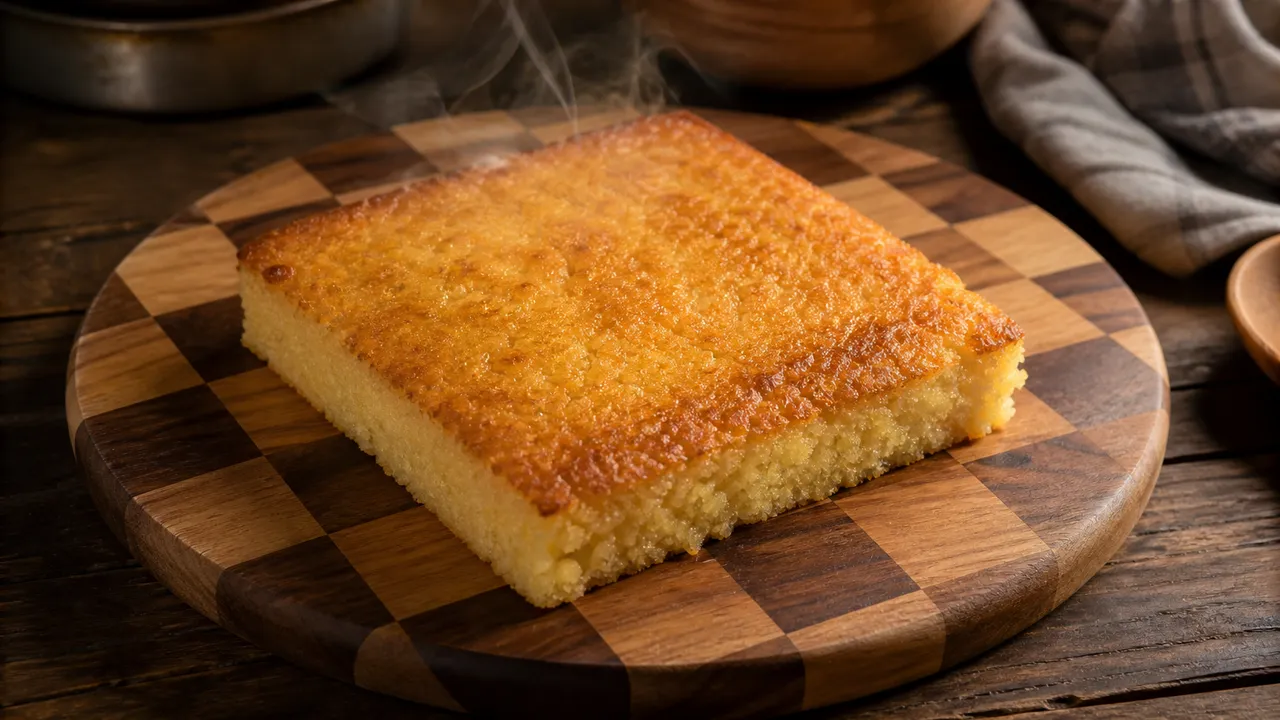
Secret to Making Fluffy Brown Rice Seolgi (현미설기) at Home
* 이미지는 AI가 생성한 참고 이미지로, 실제 조리 결과물과 다를 수 있습니다.
Brown Rice Seolgi (현미설기) is a healthy and fluffy rice cake made by thoroughly soaking brown rice and glutinous brown rice. This recipe enhances the flavor with high-acidity vinegar, salt, and raw sugar, and introduces the secrets to successfully making it at home, from soaking the rice to adjusting the water content and grinding the rice flour.
📝 Editor's Notes
Brown Rice Seolgi (현미설기) is a healthy rice cake made with nutritious brown rice and chickpeas.
In just 30 minutes of cooking, you can complete a soft and fluffy Seolgi that makes a great meal replacement.
It features a plain, rice-like flavor, is gentle on the stomach, and very filling, making it excellent for breakfast or snacks.
It's especially recommended for those looking to reduce wheat consumption or on a healthy diet.
It's even better when enjoyed with a warm cup of tea.
🛒 Ingredient Tips
When choosing brown rice and glutinous brown rice, it's important to select grains that are shiny, uniform in size, and have few broken pieces.
Check the milling date and choose the most recently milled rice for the freshest taste.
For chickpeas, ensure they have a vibrant color and no signs of insect damage.
Double-strength vinegar with 13% acidity or higher is more acidic than regular vinegar and is effective in softening the rice, so it's best to use a product with the specified acidity.
🔄 Substitution Guide
You can use other types of beans instead of chickpeas.
For example, cooked black soybeans (seoritae (서리태)) or green peas can also offer a savory and plain flavor.
Black soybeans will give a slightly chewier texture, while green peas will provide a softer one.
Using alternative sweeteners like stevia or erythritol instead of raw sugar can further reduce calories, but you might lose some of sugar's unique deep sweetness.
If making rice flour from scratch is difficult, store-bought brown rice flour can be used, but you'll need to adjust the amount of water to achieve the correct dough consistency.
🥘 Ingredients
👨🍳 Cooking Points
The most crucial cooking points for this Brown Rice Seolgi (현미설기) are soaking the rice, adjusting the water content, and sifting the rice flour.
Brown rice and glutinous brown rice must be soaked thoroughly for at least 12 hours to achieve a soft texture.
The water content should be just right—enough for the rice flour to hold its shape when squeezed in a fist without crumbling.
However, blender-ground rice flour might require more moisture, so in addition to the 7 tbsp listed in the recipe, add an extra 2-3 tbsp to adjust the moistness.
Finally, when sifting the rice flour, brown rice grains are coarse and may not pass through easily, so alternate between a medium and coarse sieve to ensure a fine, lump-free powder.
This is the secret to making fluffy Seolgi.
👨🍳 Directions
Soak the chickpeas for at least 5 hours. Then, add a generous amount of water (at least 3 times the volume of chickpeas) and a pinch of salt, bringing it to a rolling boil.
Once the chickpeas are boiling vigorously, skim off any foam. Continue to simmer over medium heat for about 15 minutes, then turn off the heat.
Soak 6.2 oz (177g) brown rice and 2.5 oz (72g) glutinous brown rice together for at least 12 hours.
Add 1 tbsp of double-strength vinegar (13% acidity or higher) to the soaked rice, mix well, and let it sit for 30 minutes.
After 30 minutes, drain the rice. It should be soft enough to crush between your fingers. Spread it on a sieve to drain, or pat dry using kitchen towels, replacing them twice.
Attach a grinding blade to a blender. Add the drained brown rice, glutinous brown rice, 2g salt, and 1.8 oz (50g) cooked chickpeas. Grind for about 15 seconds.
Thoroughly mix the rice flour from the sides and bottom. Then, grind again for 15 seconds and mix well.
Finally, grind for another 15 seconds, then sift through a medium-mesh sieve. Any rice that doesn't pass through the sieve should be returned to the blender, ground finely, and then sifted.
Check the water content of the ground rice flour. It should hold its shape when squeezed in your fist and not crumble easily when shaken.
First, add 3 tbsp of water to the rice flour and mix thoroughly. Then, observing the texture of the rice flour, gradually add more water for a total of 7 tbsp. It should feel moist to the touch.
Sift the re-hydrated rice flour through a medium-mesh sieve. Brown rice grains are coarse and moist, so they might not pass through easily. Sift as much as possible through the medium sieve, then use a coarse sieve for the rest.
Add 10g of raw sugar to the sifted rice flour and mix lightly.
Line the bottom of the steamer with two sheets of kitchen towel to prevent it from getting wet, then place a steaming sheet or a damp cotton cloth on top.
Place an 18cm (approx. 7-inch) square mousse mold. To prevent the rice cake from sticking, sprinkle sugar evenly on the bottom of the mold, then evenly spread the rice flour, making sure to fill the corners.
Level the rice flour with a scraper. Gently shake the mold up and down and side to side to create small gaps, then gently shake all four sides to compact it. Slowly lift and remove the mold.
Wrap two layers of cotton cloth around the steamer lid to prevent water from dripping onto the rice cake. Fill the steamer pot about 50% with water and bring it to a rolling boil in advance.
Place the rice flour mixture into the vigorously boiling steamer pot and steam over high heat for 30 minutes. The rice cake is done when fully cooked.
When cutting the Seolgi (설기), wrap the knife with plastic wrap and lightly coat it with oil for clean cuts.
💡 Tips
Cooked chickpeas can be stored frozen and taken out as needed for convenience.
For a moister rice cake made with blender-ground rice flour, it's recommended to add 2-3 tbsp more water.
You can adjust the sweetness by adding an extra 2-3 tbsp of sugar (in addition to the 10g raw sugar) according to your preference.
To cut Seolgi (설기) cleanly, wrap the knife with plastic wrap and lightly coat it with oil.
📦 Storage & Reuse
Once finished, let the Brown Rice Seolgi (현미설기) cool, then store it in an airtight container in the refrigerator for 2-3 days of freshness.
For longer storage, it's best to wrap individual pieces in plastic wrap and freeze them.
When frozen, it's recommended to consume within one month.
To eat, simply thaw at room temperature, steam for 5-10 minutes, or gently warm in the microwave to enjoy the soft texture as if it were freshly made.
Leftover chickpeas can be frozen for convenient use in other dishes later.
🥢 Who This Is For
This Brown Rice Seolgi (현미설기) is especially recommended for those who prefer healthy meals or are on a diet.
It's hearty as a breakfast substitute and excellent as a snack when you're feeling hungry.
It can be enjoyed even more deliciously with warm milk, soy milk, or fragrant herbal tea.
For children's snacks, a drizzle of honey or jocheong (조청) (Korean grain syrup) is a nice addition.
🔥 Nutrition Info
This Brown Rice Seolgi (현미설기) recipe is estimated to provide approximately 250-300 calories per serving (assuming the total recipe yields 4 servings).
It can provide about 50-60g of carbohydrates, 8-10g of protein, and 2-3g of fat.
Brown rice is rich in dietary fiber, which aids in gut health, and chickpeas are abundant in plant-based protein, iron, and folic acid, making them excellent for nutritional balance.
It also contains B vitamins and minerals, contributing to overall health, making it a healthy dietary option.
💬 Frequently Asked Questions
- Q. What ingredients do I need for Secret to Making Fluffy Brown Rice Seolgi (현미설기) at Home?
- Main ingredients include Brown Rice, Glutinous Brown Rice, Double-Strength Vinegar (13% acidity or higher), Salt, Raw Sugar. When choosing brown rice and glutinous brown rice, it's important to select grains that are shiny, uniform in size, and have few broken pieces. Check the milling date and choose the most recently milled rice for the freshest taste. For chickpeas, ensure they have a vibrant color and no signs of insect damage. Double-strength vinegar with 13% acidity or higher is more acidic than regular vinegar and is effective in softening the rice, so it's best to use a product with the specified acidity.
- Q. What are the key tips for making Secret to Making Fluffy Brown Rice Seolgi (현미설기) at Home?
- The most crucial cooking points for this Brown Rice Seolgi (현미설기) are soaking the rice, adjusting the water content, and sifting the rice flour. Brown rice and glutinous brown rice must be soaked thoroughly for at least 12 hours to achieve a soft texture. The water content should be just right—enough for the rice flour to hold its shape when squeezed in a fist without crumbling. However, blender-ground rice flour might require more moisture, so in addition to the 7 tbsp listed in the recipe, add an extra 2-3 tbsp to adjust the moistness. Finally, when sifting the rice flour, brown rice grains are coarse and may not pass through easily, so alternate between a medium and coarse sieve to ensure a fine, lump-free powder. This is the secret to making fluffy Seolgi.
- Q. How should I store leftover Secret to Making Fluffy Brown Rice Seolgi (현미설기) at Home?
- Once finished, let the Brown Rice Seolgi (현미설기) cool, then store it in an airtight container in the refrigerator for 2-3 days of freshness. For longer storage, it's best to wrap individual pieces in plastic wrap and freeze them. When frozen, it's recommended to consume within one month. To eat, simply thaw at room temperature, steam for 5-10 minutes, or gently warm in the microwave to enjoy the soft texture as if it were freshly made. Leftover chickpeas can be frozen for convenient use in other dishes later.
- Q. How many calories are in Secret to Making Fluffy Brown Rice Seolgi (현미설기) at Home?
- This Brown Rice Seolgi (현미설기) recipe is estimated to provide approximately 250-300 calories per serving (assuming the total recipe yields 4 servings). It can provide about 50-60g of carbohydrates, 8-10g of protein, and 2-3g of fat. Brown rice is rich in dietary fiber, which aids in gut health, and chickpeas are abundant in plant-based protein, iron, and folic acid, making them excellent for nutritional balance. It also contains B vitamins and minerals, contributing to overall health, making it a healthy dietary option.
- Q. Can I substitute ingredients in Secret to Making Fluffy Brown Rice Seolgi (현미설기) at Home?
- You can use other types of beans instead of chickpeas. For example, cooked black soybeans (seoritae (서리태)) or green peas can also offer a savory and plain flavor. Black soybeans will give a slightly chewier texture, while green peas will provide a softer one. Using alternative sweeteners like stevia or erythritol instead of raw sugar can further reduce calories, but you might lose some of sugar's unique deep sweetness. If making rice flour from scratch is difficult, store-bought brown rice flour can be used, but you'll need to adjust the amount of water to achieve the correct dough consistency.
💬 Comments
No comments yet. Be the first to comment!