
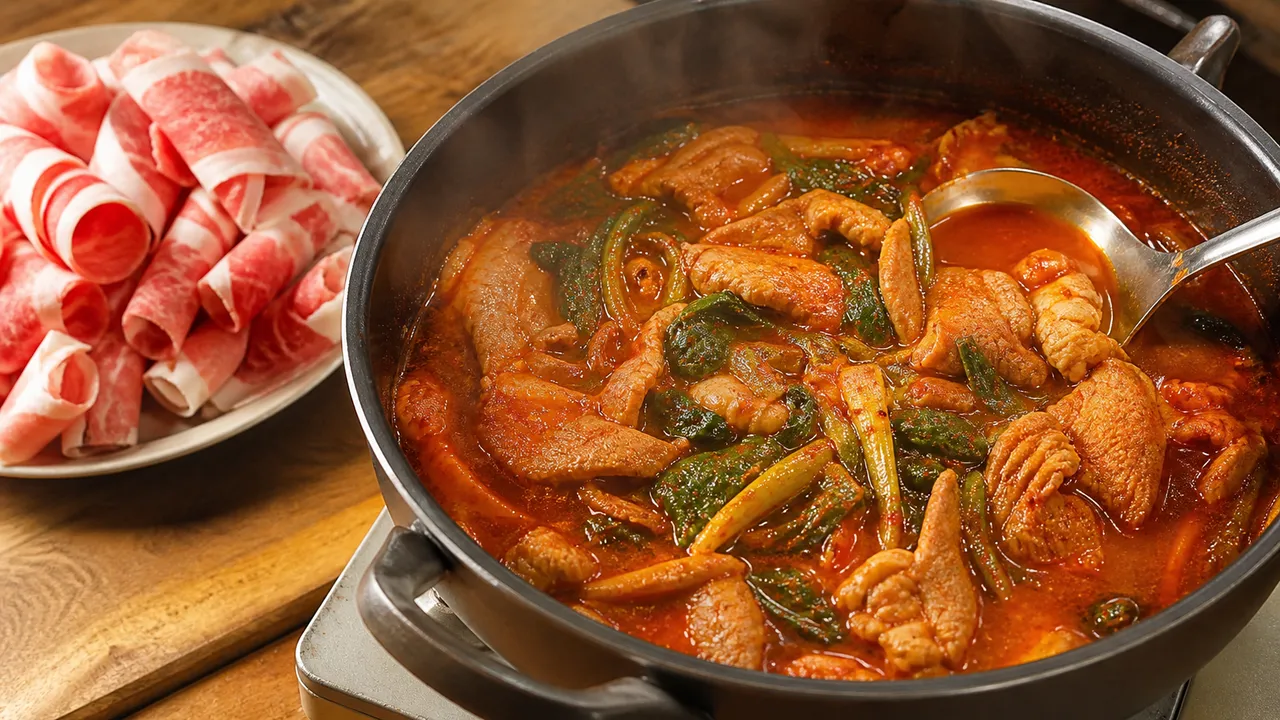
Chef Jung Ho-young's Super Easy Gamjatang with Thinly Sliced
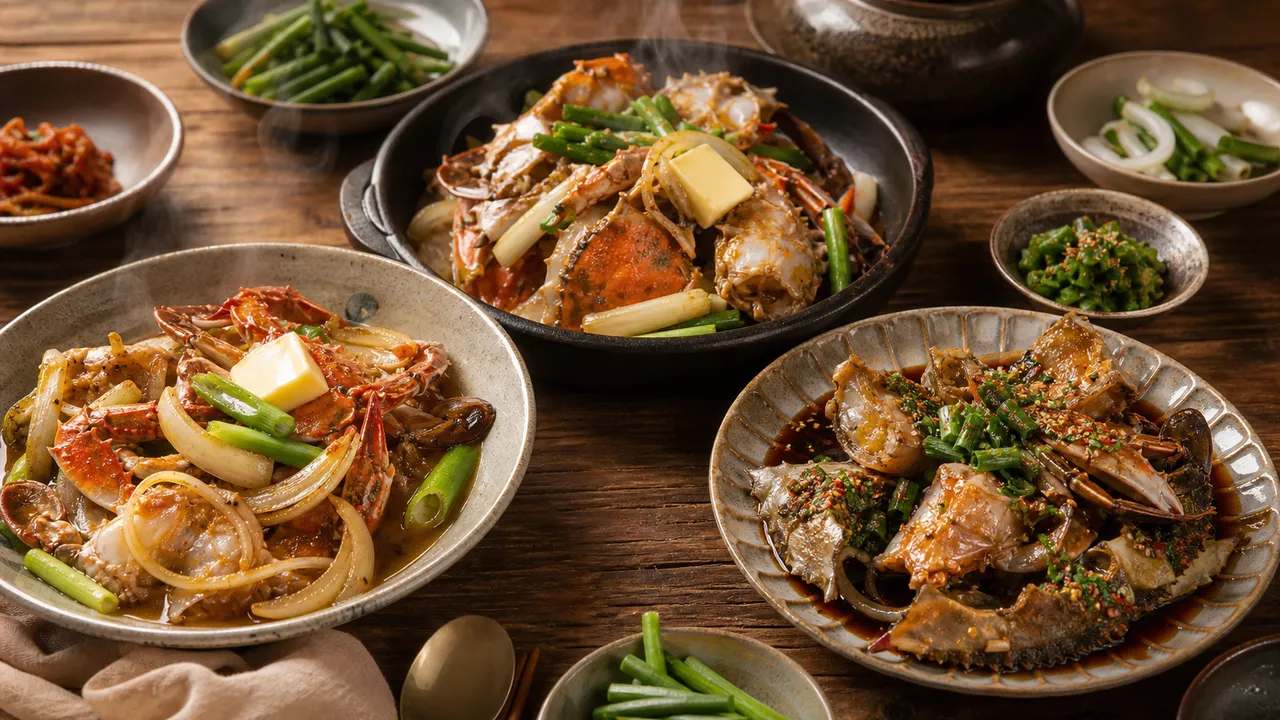
* 이미지는 AI가 생성한 참고 이미지로, 실제 조리 결과물과 다를 수 있습니다.
This is a gamjatang (Korean potato stew) recipe made without bones, using thinly sliced pork belly and beef bone broth. While the cooking time is reduced, you can enjoy a deep, rich broth flavor comparable to professional restaurants.
📝 Editor's Notes
Chef Jung Ho-young's Gamjatang with Thinly Sliced Pork Belly is a fantastic recipe that lets you create a wonderful gamjatang in about 30 minutes, without bones, using thinly sliced pork belly (대패삼겹살) and beef bone broth (사골육수).
While traditional gamjatang often involves the effort of deboning, this recipe uses tender thinly sliced pork belly instead, making it very convenient to eat.
The rich and spicy broth is perfect for enjoying with family on chilly days and also makes an excellent hangover remedy.
Highly recommended when you want to experience a deep, authentic flavor comparable to specialty restaurants, even with a busy schedule.
🛒 Ingredient Tips
The key ingredients for this gamjatang are fresh thinly sliced pork belly (대패삼겹살) and potatoes.
For the pork belly, choose slices that are not too thin but have a moderate thickness for a better chew.
Look for a bright pink color and clean fat layers.
For potatoes, it's important to select ones with no blemishes, a firm texture, and no sprouts.
Especially during chilly seasons like now, floury potatoes are at their best, so choosing good quality potatoes will yield a richer flavor.
Fresh perilla leaves (깻잎) with a strong aroma will add a fragrant touch to the broth.
🔄 Substitution Guide
You can use pork neck or thicker grilling pork belly instead of thinly sliced pork belly (대패삼겹살).
However, pork neck takes a bit longer to cook than thinly sliced pork belly and has less fat, which might result in a milder broth flavor.
Thicker grilling pork belly offers a better chew but requires a slightly longer simmering time to become tender.
If you don't have tuna fish sauce, you can substitute it with gukganjang (국간장, Korean soup soy sauce) or anchovy fish sauce, but it might lack the unique deep umami flavor of tuna fish sauce.
If you don't have sour kimchi (신김치), you can add a little vinegar to less ripened kimchi to enhance its sourness.
🥘 Ingredients
👨🍳 Cooking Points
There are three key cooking points for this recipe.
First, do not soak the thinly sliced potatoes in water for more than 10 minutes.
If too much starch is lost, the broth might become too thin, losing the characteristic thick texture of gamjatang.
Second, stir-fry the thinly sliced pork belly (대패삼겹살) in a non-oiled pan until golden brown to enhance its savory flavor.
This step is crucial for adding depth to the broth.
Third, it's important to add the seasoning sauce and kimchi (김치) immediately once the broth starts boiling.
This ensures the potatoes are well-seasoned and the broth maintains its ideal consistency, allowing you to fully enjoy the rich flavors of gamjatang.
Don't forget to stir frequently to prevent sticking.
👨🍳 Directions
Slice 1.8 oz (50g) of green onion diagonally.
Slice 2 medium potatoes (about 6 oz or 170g) thinly and soak them in water to prevent browning. (For a maximum of 10 minutes)
If you want a spicier kick, slice and prepare Cheongyang chili pepper (청양고추).
Slice 10 perilla leaves (깻잎).
In a bowl, combine 1 tbsp gochujang (고추장), 2 tbsp tuna fish sauce, 1 tbsp minced garlic, 1.5 tbsp doenjang (된장), 2 tbsp gochugaru (고춧가루), and 3 tbsp + 1 tsp (50ml) water. Mix well to create the seasoning sauce.
In a non-oiled, non-stick pan, stir-fry 7 oz (200g) of thinly sliced pork belly (대패삼겹살) until golden brown.
Add the potatoes (drained from water) to the golden-brown thinly sliced pork belly.
Pour in 17.6 oz (500g) of beef bone broth (사골육수) (1 package) and 13 tbsp + 1 tsp (200ml) water. Bring to a boil.
Once the broth starts boiling, immediately add the seasoning sauce and 7 oz (200g) of kimchi (김치), mixing well. (If using commercially pre-packaged kimchi, 3.5 oz (100g) may be sufficient).
Simmer for about 10 more minutes.
Add the sliced Cheongyang chili pepper (청양고추) (if using) and green onion, and simmer for another 3 minutes.
Stir frequently while simmering to prevent sticking, as the broth will thicken.
Add 3 tbsp perilla seed powder (들깻가루) and black pepper to taste, then add the perilla leaves (깻잎). Bring to a quick boil once more, then it's done.
💡 Tips
Slice potatoes thinly to ensure they cook quickly.
Soak sliced potatoes in water to prevent browning, but do not exceed 10 minutes to avoid losing too much starch, which can make the broth too thin.
Once the broth begins to boil, add the seasoning sauce immediately. This allows the potatoes to absorb the flavor well and helps maintain the thick, rich texture characteristic of gamjatang (Korean potato stew).
For faster cooking, thinly sliced pork belly (대패삼겹살) is recommended. (Pork neck or thicker grilling pork belly can also be used).
📦 Storage & Reuse
Leftover Gamjatang with Thinly Sliced Pork Belly can be cooled and stored in an airtight container in the refrigerator for 2-3 days.
For longer storage, portion it out and freeze it; it can be stored for about 1 month in the freezer.
When reheating, simmer gently over low heat.
If the broth has reduced too much, add a little water or beef bone broth (사골육수) to adjust the consistency.
You can also make a delicious fried rice by adding rice, shredded seaweed, and sesame oil to the leftover gamjatang.
🥢 Who This Is For
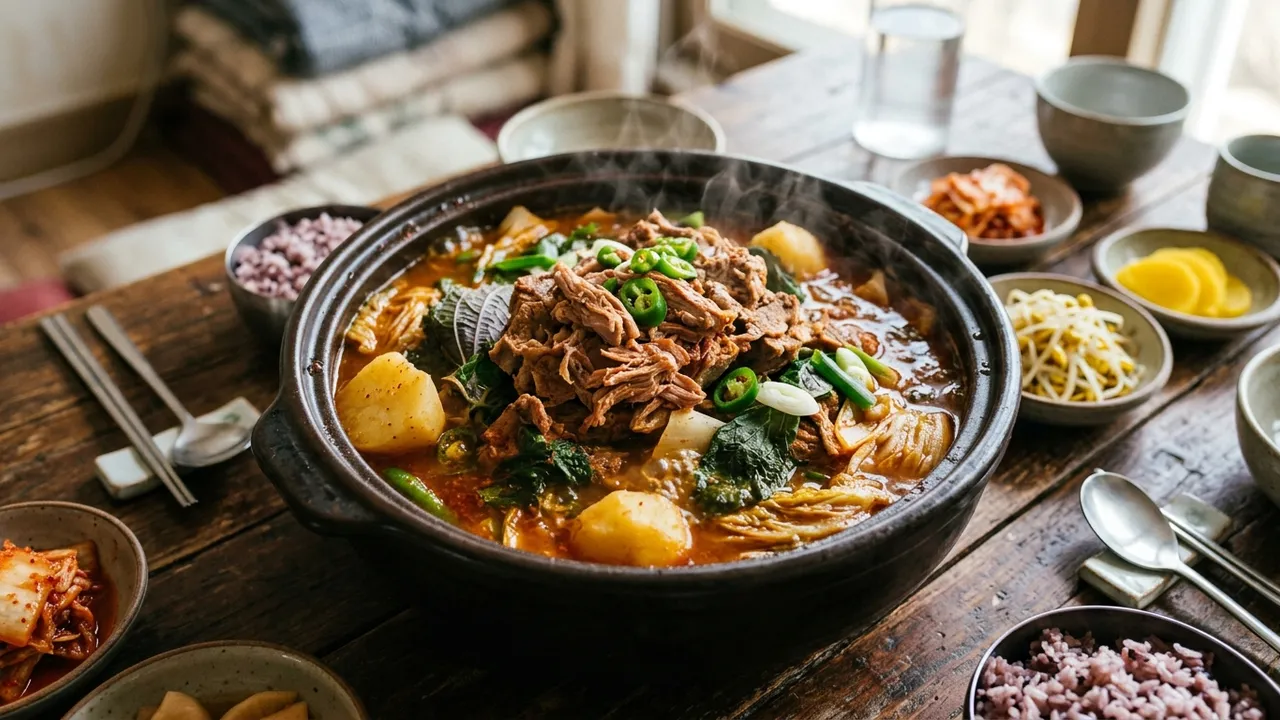
This Gamjatang with Thinly Sliced Pork Belly is an excellent family meal, enjoyable for children and seniors who might find it difficult to pick meat off bones.
It's also perfect for a warming meal on a cold day, or as a spicy accompaniment to drinks.
It makes a hearty meal with rice, and you can make it even more substantial by adding kalguksu (칼국수, knife-cut noodles) or sujaebi (수제비, hand-pulled dough flakes).
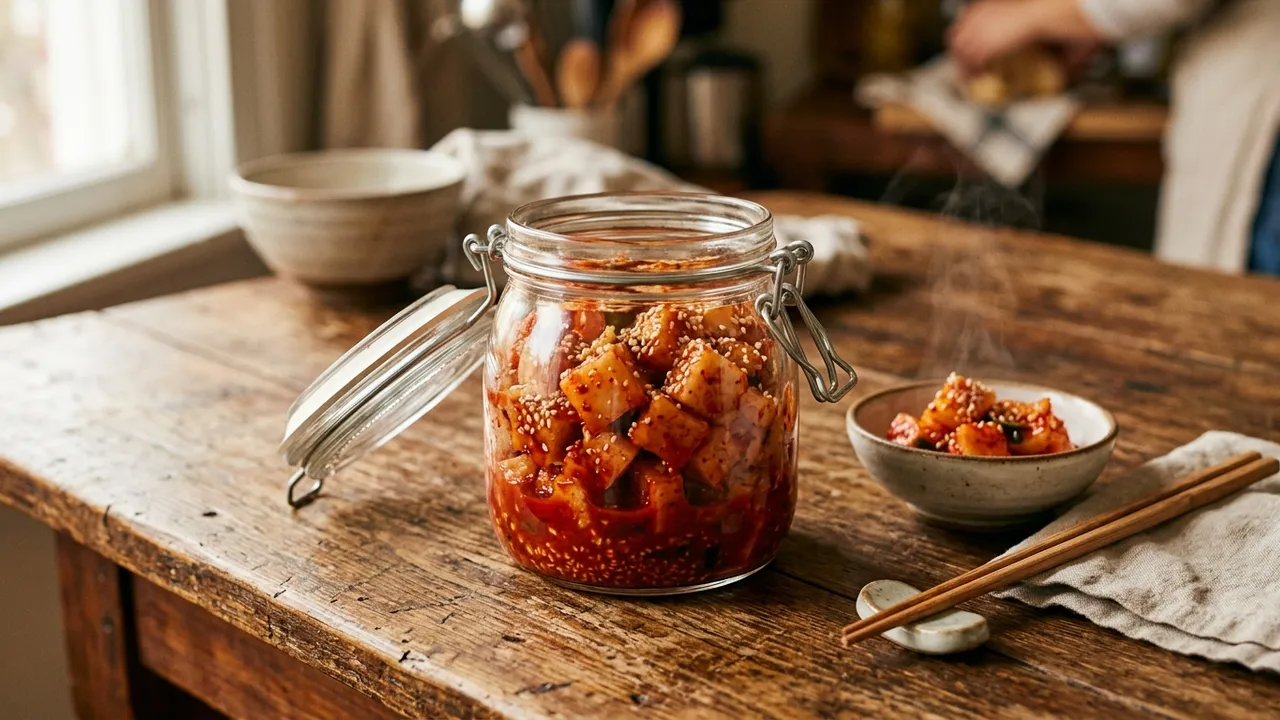
Serving it with kkakdugi (깍두기, cubed radish kimchi) or dongchimi (동치미, radish water kimchi) will enhance its refreshing taste.
🔥 Nutrition Info
Based on a serving size of 2, this recipe is estimated to be around 450-550 kcal per serving.
You can expect to consume approximately 25-30g of protein from the thinly sliced pork belly (대패삼겹살) and perilla seed powder (들깻가루), about 35-45g of fat from the pork belly and perilla seed powder, and 25-35g of carbohydrates from the potatoes, kimchi (김치), and seasoning sauce.
Notably, potatoes are rich in Vitamin C and potassium, and perilla leaves (깻잎) are high in iron and beta-carotene.
Perilla seed powder (들깻가루) is rich in Omega-3 fatty acids, making this a nutritious and wholesome meal.
💬 Frequently Asked Questions
- Q. What ingredients do I need for Chef Jung Ho-young's Super Easy Gamjatang with Thinly Sliced Pork Belly?
- Main ingredients include Thinly Sliced Pork Belly (대패삼겹살), Potatoes, Green Onion, Perilla Leaves (깻잎), Beef Bone Broth (사골육수). The key ingredients for this gamjatang are fresh thinly sliced pork belly (대패삼겹살) and potatoes. For the pork belly, choose slices that are not too thin but have a moderate thickness for a better chew. Look for a bright pink color and clean fat layers. For potatoes, it's important to select ones with no blemishes, a firm texture, and no sprouts. Especially during chilly seasons like now, floury potatoes are at their best, so choosing good quality potatoes will yield a richer flavor. Fresh perilla leaves (깻잎) with a strong aroma will add a fragrant touch to the broth.
- Q. What are the key tips for making Chef Jung Ho-young's Super Easy Gamjatang with Thinly Sliced Pork Belly?
- There are three key cooking points for this recipe. First, do not soak the thinly sliced potatoes in water for more than 10 minutes. If too much starch is lost, the broth might become too thin, losing the characteristic thick texture of gamjatang. Second, stir-fry the thinly sliced pork belly (대패삼겹살) in a non-oiled pan until golden brown to enhance its savory flavor. This step is crucial for adding depth to the broth. Third, it's important to add the seasoning sauce and kimchi (김치) immediately once the broth starts boiling. This ensures the potatoes are well-seasoned and the broth maintains its ideal consistency, allowing you to fully enjoy the rich flavors of gamjatang. Don't forget to stir frequently to prevent sticking.
- Q. How should I store leftover Chef Jung Ho-young's Super Easy Gamjatang with Thinly Sliced Pork Belly?
- Leftover Gamjatang with Thinly Sliced Pork Belly can be cooled and stored in an airtight container in the refrigerator for 2-3 days. For longer storage, portion it out and freeze it; it can be stored for about 1 month in the freezer. When reheating, simmer gently over low heat. If the broth has reduced too much, add a little water or beef bone broth (사골육수) to adjust the consistency. You can also make a delicious fried rice by adding rice, shredded seaweed, and sesame oil to the leftover gamjatang.
- Q. How many calories are in Chef Jung Ho-young's Super Easy Gamjatang with Thinly Sliced Pork Belly?
- Based on a serving size of 2, this recipe is estimated to be around 450-550 kcal per serving. You can expect to consume approximately 25-30g of protein from the thinly sliced pork belly (대패삼겹살) and perilla seed powder (들깻가루), about 35-45g of fat from the pork belly and perilla seed powder, and 25-35g of carbohydrates from the potatoes, kimchi (김치), and seasoning sauce. Notably, potatoes are rich in Vitamin C and potassium, and perilla leaves (깻잎) are high in iron and beta-carotene. Perilla seed powder (들깻가루) is rich in Omega-3 fatty acids, making this a nutritious and wholesome meal.
- Q. Can I substitute ingredients in Chef Jung Ho-young's Super Easy Gamjatang with Thinly Sliced Pork Belly?
- You can use pork neck or thicker grilling pork belly instead of thinly sliced pork belly (대패삼겹살). However, pork neck takes a bit longer to cook than thinly sliced pork belly and has less fat, which might result in a milder broth flavor. Thicker grilling pork belly offers a better chew but requires a slightly longer simmering time to become tender. If you don't have tuna fish sauce, you can substitute it with gukganjang (국간장, Korean soup soy sauce) or anchovy fish sauce, but it might lack the unique deep umami flavor of tuna fish sauce. If you don't have sour kimchi (신김치), you can add a little vinegar to less ripened kimchi to enhance its sourness.
💬 Comments
No comments yet. Be the first to comment!