
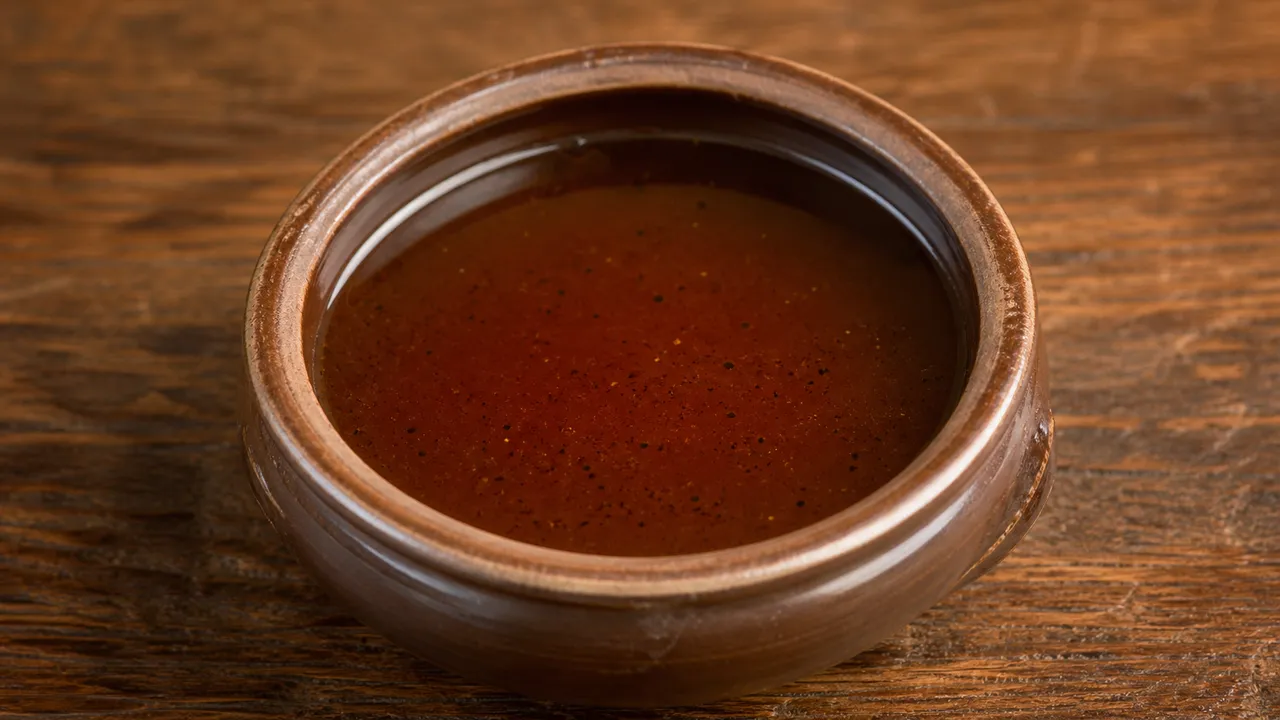
All-purpose Korean Soup Soy Sauce Concentrate Secret Recipe
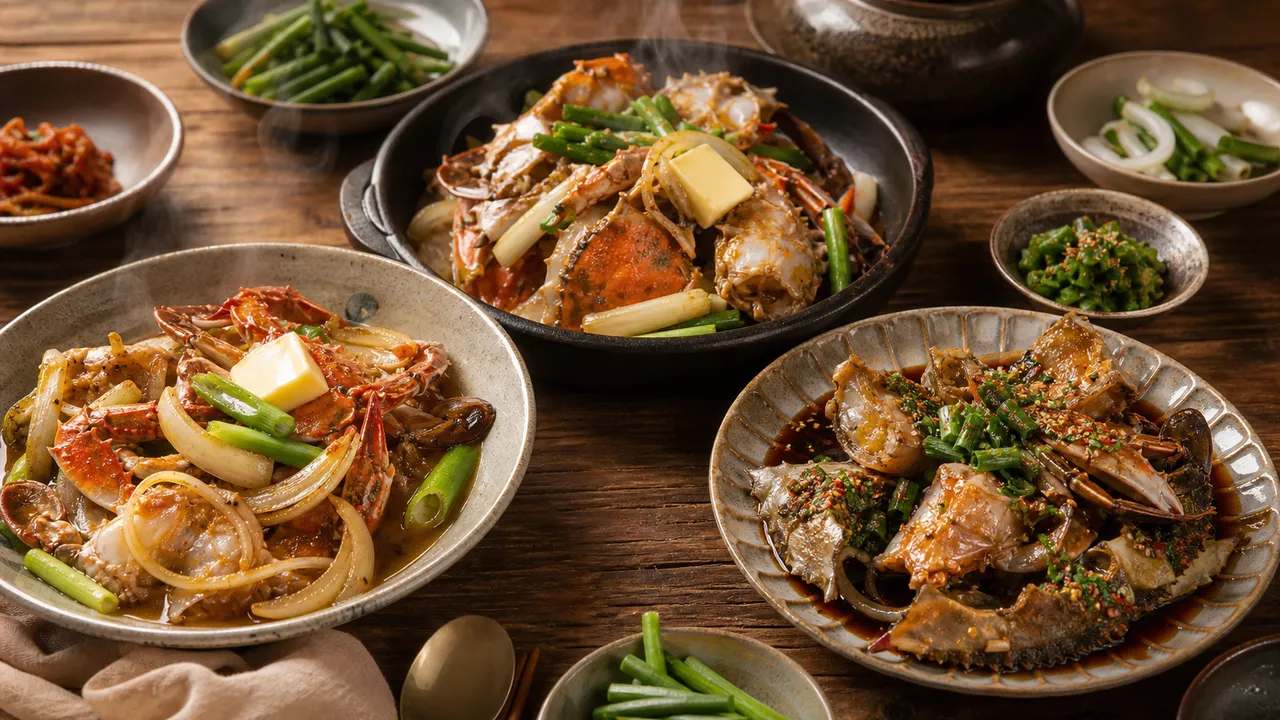
* 이미지는 AI가 생성한 참고 이미지로, 실제 조리 결과물과 다를 수 있습니다.
This all-purpose Korean soup soy sauce concentrate is a secret recipe that can be prepared quickly and used in various soup dishes, including the signature Beef and Radish Soup from a popular restaurant.
📋 2 recipes — Select to view
This recipe for an all-purpose soup soy sauce concentrate, from a popular restaurant, helps standardize flavors and boost efficiency for a wide range of Korean soup dishes.
📝 Editor's Notes
When you want to maintain a consistent flavor for your soup dishes, this all-purpose soup soy sauce concentrate recipe can be made in just 10 minutes.
This concentrate, which provides a deep umami flavor with just water and basic seasonings, without the complicated process of making broth, can be used in various soup dishes, significantly reducing cooking time.
It is highly recommended especially for those who, despite their busy lives, cannot give up the profound taste of home-cooked meals.
The saltiness of gukganjang (국간장), the umami of Dashida (다시다), and the sweetness of sugar create a perfect harmony, offering a warm and hearty meal in any season.
Try using it in everything from Beef Radish Soup to Seaweed Soup and Fish Cake Soup.
🛒 Ingredient Tips
The key to this all-purpose soup soy sauce concentrate lies in gukganjang (국간장) and Dashida (다시다).
Gukganjang has a higher salt content and a stronger unique savory aroma than regular brewed soy sauce, adding a deep flavor to soup dishes.
Opt for commercially available gukganjang with a high soybean content and a long fermentation period for an even richer taste.
Dashida (다시다) is responsible for the umami flavor in soups; using commercially available beef-flavored Dashida is convenient.
If you have a preference against MSG, you can substitute with natural seasonings like shiitake mushroom powder or anchovy powder, but be aware that the flavor concentration might differ slightly.
Sugar balances the taste, so any type, such as white sugar or organic sugar, is fine.
🔄 Substitution Guide
Gukganjang (국간장), a core ingredient of this all-purpose soup soy sauce concentrate, can be substituted with regular soy sauce (jin-ganjang or brewed soy sauce), but the flavor profile may differ.
Jin-ganjang has a lower salt content and stronger sweetness than gukganjang, so you might need to use more to achieve the desired seasoning, and it may lack the unique savory depth of gukganjang.
Instead of Dashida (다시다), you can use natural seasonings like anchovy-kelp broth packs or shiitake mushroom powder to achieve a deep umami flavor without MSG.
However, the immediate umami might not be as strong as with Dashida, so it's important to adjust the amount while tasting.
Sugar can be replaced with honey or oligo-saccharide; please adjust the amount considering the sweetness level.
Note that honey has a distinct aroma that might affect the taste of your soup dishes.
🥘 Ingredients
👨🍳 Cooking Points
The most crucial cooking point in this recipe is 'not boiling it for too long.' The key is to turn off the heat immediately once the sugar and Dashida (다시다) have completely dissolved and blended well in the water after placing all ingredients in a pot and turning on the heat.
Approximately 5-7 minutes over medium heat should be sufficient.
Boiling for too long can cause the gukganjang (국간장) aroma to dissipate or alter the flavor, so be sure to turn off the heat as soon as the ingredients melt.
Additionally, when stirring the ingredients in the pot, it's important to stir continuously to prevent them from sticking to the bottom.
This ensures that the sugar and Dashida dissolve evenly, creating a consistent flavor.
After turning off the heat, it must be cooled sufficiently at room temperature before storage to prevent spoilage.
👨🍳 Directions
Place all ingredients in a pot and turn on the heat.
Once the ingredients have fully dissolved and are well-blended, turn off the heat, cool, and store.
💡 Tips
There's no need to boil for a long time; simply turn off the heat as soon as the ingredients dissolve.
This concentrate can be used in a variety of soup dishes such as Beef Radish Soup, Galbitang (Korean Short Rib Soup), Miyeokguk (Seaweed Soup), Eomuk-tang (Fish Cake Soup), Doenjang-guk (Soybean Paste Soup), and more.
For soups that include doenjang (된장), dissolve the doenjang separately first, then season with this all-purpose soup soy sauce concentrate.
It can also be used in various banchan (side dishes) that call for gukganjang (국간장).
📦 Storage & Reuse
The finished all-purpose soup soy sauce concentrate is best stored in an airtight container in the refrigerator after it has completely cooled down.
When refrigerated, it can be kept fresh for about 2 weeks to a month.
If you want to store it for longer, portioning it into smaller containers and freezing it is a good method.
When frozen, it can be stored for about 2-3 months.
To use, thaw it in the refrigerator beforehand, or if you've frozen it in small portions, you can conveniently add it directly to your soup to melt.
Store any remaining gukganjang (국간장) in a cool, dry place, and Dashida (다시다) should be sealed and stored in a moisture-free area.
This concentrate can also be used as a seasoning for banchan (side dishes) that call for gukganjang (국간장), such as seasoned vegetables or braised dishes.
🥢 Who This Is For
This all-purpose soup soy sauce concentrate is especially recommended for novice home cooks, busy working mothers, and those living alone.
It allows you to create a deep flavor easily, without complicated broth-making, thereby shortening cooking time.
It's particularly great for various soup dishes like Beef Radish Soup, Galbitang (Korean Short Rib Soup), Miyeokguk (Seaweed Soup), and Eomuk-tang (Fish Cake Soup).
Even with just warm rice and kimchi, it can make for an excellent meal, and it will help you prepare quick and delicious soup dishes when hosting guests.
For stews like Doenjang-jjigae (Soybean Paste Stew) or Kimchi-jjigae (Kimchi Stew), where doenjang (된장) or kimchi are the main ingredients, first dissolve the doenjang/kimchi, then season with this concentrate to enjoy an even deeper flavor.
🔥 Nutrition Info
Since precise ingredient quantities are not provided, it is difficult to estimate nutritional values per serving.
However, this all-purpose soup soy sauce concentrate, primarily composed of gukganjang (국간장), sugar, and Dashida (다시다), is expected to have a high sodium content.
It likely contains approximately 20-30 kcal per 100ml, with carbohydrates (sugar) being the main component, and minimal protein and fat.
Gukganjang is rich in amino acids, contributing to its umami flavor, but individuals who need to manage their sodium intake should be mindful of the amount used.
While Dashida may contain small amounts of protein and minerals, it does not significantly impact the overall nutritional composition.
For health, it is important to dilute and season to taste when using.
💬 Frequently Asked Questions
- Q. What ingredients do I need for All-purpose Korean Soup Soy Sauce Concentrate Secret Recipe?
- Main ingredients include Water, Sugar, Korean soup soy sauce (Gukganjang), Dasida (다시다), Black pepper. The key ingredients for this all-purpose Korean soup soy sauce concentrate are Korean soup soy sauce (Gukganjang) and Dasida (다시다). Korean soup soy sauce has a higher salinity and a stronger savory aroma than regular brewed soy sauce, adding a deep flavor to soup dishes. Among the various Korean soup soy sauces available, choosing a product made using traditional methods will provide an even deeper flavor. Dasida (다시다) is an important ingredient for creating umami, but using too much can overpower the natural taste of the ingredients, so using an appropriate amount is key. It's best to use purified water, and sugar helps balance the overall taste by adjusting the sweetness. Black pepper is used to add a subtle aroma at the end.
- Q. What are the key tips for making All-purpose Korean Soup Soy Sauce Concentrate Secret Recipe?
- The most crucial cooking point when making this all-purpose Korean soup soy sauce concentrate is the 'boiling time.' As emphasized in the recipe tips, there's no need to boil it for a long time; it's important to turn off the heat as soon as all the ingredients are well dissolved and combined in the water. Approximately 5 to 10 minutes should be sufficient. Don't forget to stir occasionally to ensure the ingredients mix well. Boiling for too long can cause the soy sauce to reduce, leading to excessively high salinity and potentially altering the original flavor of the ingredients. After turning off the heat, it must be completely cooled before storing. Be careful not to store it in an airtight container while hot, as this increases the risk of spoilage.
- Q. How should I store leftover All-purpose Korean Soup Soy Sauce Concentrate Secret Recipe?
- Once the all-purpose Korean soup soy sauce concentrate has completely cooled, transfer it to a clean airtight container and refrigerate. It can be kept fresh for about 2 to 3 weeks in the refrigerator. If you wish to store it longer, dividing it into smaller portions and freezing it is a good option. Freezing it in ice cube trays makes it convenient to take out one or two cubes as needed. It can be stored for 2 to 3 months when frozen. To use, thaw it naturally in the refrigerator beforehand, or add it directly to soup dishes to melt. Any leftover concentrate can also be effectively used in other side dishes that call for Korean soup soy sauce, such as Dakbokkeum-tang (닭볶음탕, Spicy Braised Chicken) or Bulgogi (불고기, Marinated Beef) seasoning.
- Q. How many calories are in All-purpose Korean Soup Soy Sauce Concentrate Secret Recipe?
- Since this all-purpose Korean soup soy sauce concentrate is primarily used as a seasoning, estimating its nutritional content per serving is difficult. However, as Korean soup soy sauce (Gukganjang) and sugar are the main ingredients, it is expected to have a high sodium and carbohydrate (sugar) content. Water, Dasida (다시다), and black pepper do not significantly impact calories or major nutrients. Korean soup soy sauce, being a fermented food, may contain trace amounts of amino acids and minerals, but its primary purpose is seasoning rather than nutritional value. Therefore, it's important to use an appropriate amount of this concentrate to manage sodium intake. It may have an energy content of approximately 50-100 kcal per 100ml, mostly attributable to sugar.
- Q. Can I substitute ingredients in All-purpose Korean Soup Soy Sauce Concentrate Secret Recipe?
- The core of this recipe relies on Korean soup soy sauce (Gukganjang) and Dasida (다시다), making direct substitutions challenging, but some adjustments are possible depending on the situation. If you don't have Korean soup soy sauce, you can try mixing regular soy sauce (Jin-ganjang, 진간장) with salt. Regular soy sauce has a lower sodium content and a stronger sweetness than Korean soup soy sauce, so you might need to add a bit more to achieve the desired seasoning. While salt can provide seasoning, it's difficult to replicate the unique deep flavor of Korean soup soy sauce. Instead of Dasida (다시다), you can use natural seasonings like shiitake mushroom powder or concentrated anchovy broth for a more natural umami flavor, but the intensity and aroma may differ. Oligosaccharide or jocheong (조청, Korean grain syrup) can be used instead of sugar, but you'll need to adjust the sweetness level. Black pepper can be omitted.
💬 Comments
No comments yet. Be the first to comment!