
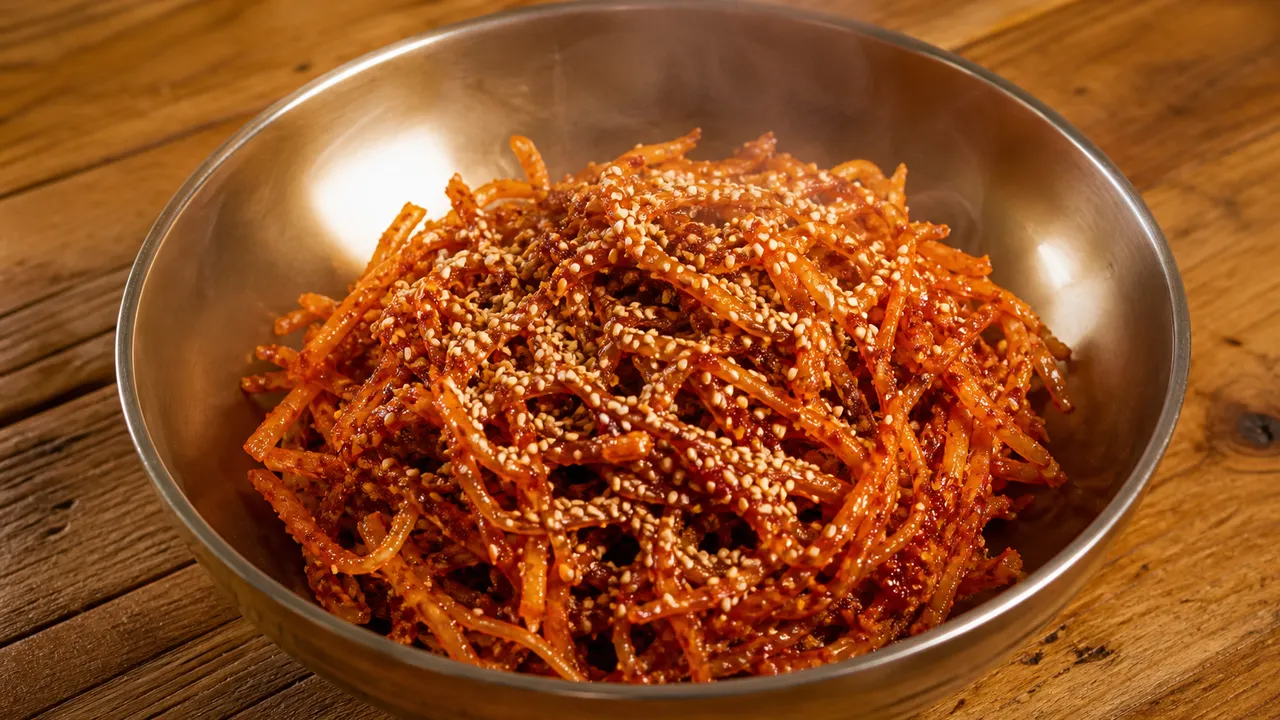
Soft, Spicy, and Sweet Stir-fried Dried Shredded Squid (Jjin
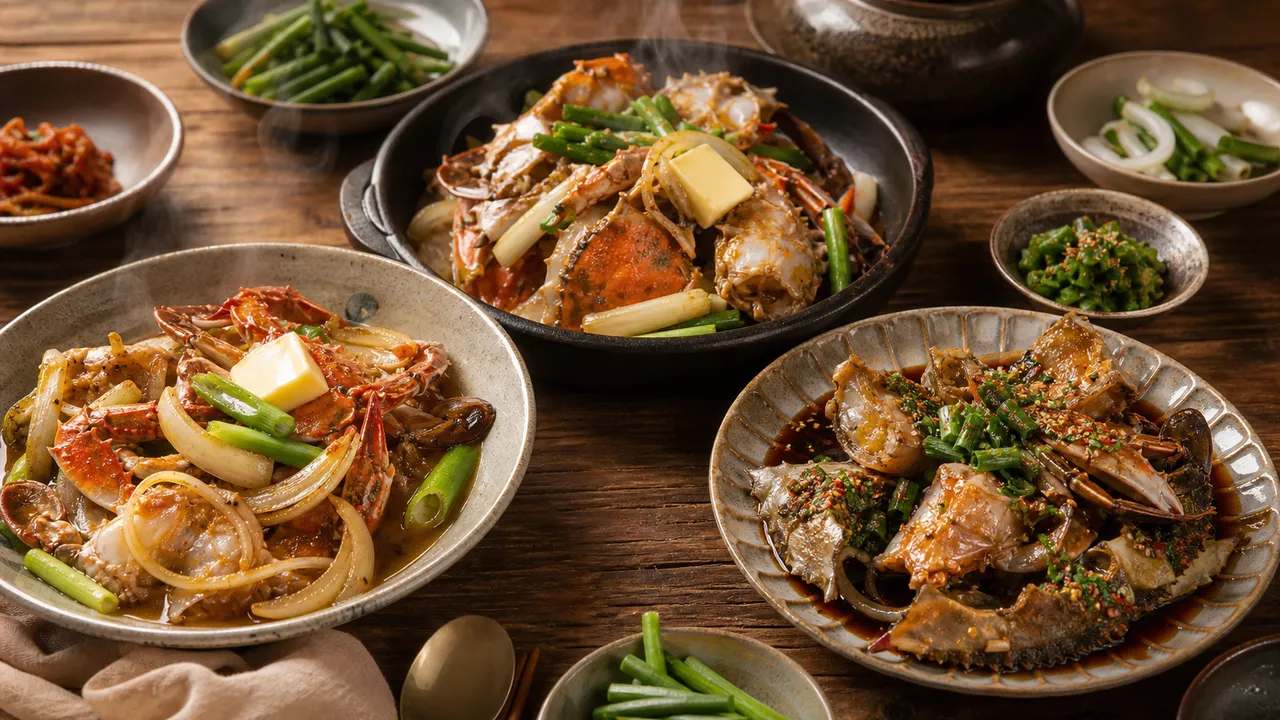
* 이미지는 AI가 생성한 참고 이미지로, 실제 조리 결과물과 다를 수 있습니다.
This recipe is for Jjinmichae Bokkeum (Stir-fried Dried Shredded Squid), a 'rice thief' dish made by tossing chewy white shredded dried squid with a spicy and sweet gochujang (고추장) sauce. Enjoy this super simple and foolproof side dish for your rice!
📝 Editor's Notes
This soft, spicy, and sweet Jjinmichae Bokkeum can be completed in about 20 minutes if you have Baek Jjinmichae (white shredded dried squid).
It's an unparalleled side dish for rice!
The deep flavor of the gochujang (고추장) sauce combined with the tender shredded squid creates an exquisite taste that everyone, young and old, will love.
The key is to cool the sauce after simmering before mixing in the squid.
Remember this tip, and you'll make delicious Jjinmichae Bokkeum every time.
We highly recommend this popular side dish, perfect for any meal, any time of year.
🛒 Ingredient Tips
The key to delicious Jjinmichae Bokkeum starts with choosing good quality Baek Jjinmichae (white shredded dried squid).
Look for squid that is slightly yellowish and shiny rather than pure white.
When you touch it, it should feel soft and elastic, not too stiff, which indicates freshness and good quality.
Also, check for a subtle, savory aroma rather than a strong fishy smell.
While readily available at large supermarkets or online, we recommend trying to select it in person if possible.
Using good quality squid ensures a soft texture and rich umami flavor after cooking.
🔄 Substitution Guide
If you want to use ingredients other than Baek Jjinmichae (white shredded dried squid), you can try dried squid (geoneojingeo) or dried pollack strips (hwangtaechae).
Dried squid is much chewier and has a stronger bite than Baek Jjinmichae, so it's best to soak it in water to soften it before use.
Soak for about 30 minutes, then squeeze out the water thoroughly.
Hwangtaechae (황태채) has a milder and softer texture than Jjinmichae, making it suitable for those who prefer a lighter, cleaner taste.
Hwangtaechae should also be lightly soaked in water, then drained.
When using substitute ingredients, the sauce absorption and texture may differ, so adjust the amount of sauce or mixing time to suit your preference.
For a milder, savory taste, you can make the dish with a soy sauce-based seasoning instead of gochujang (고추장).
🥘 Ingredients
👨🍳 Cooking Points
There are two key points for making soft and delicious Jjinmichae Bokkeum.
First, when simmering the sauce, ensure the oil is fully incorporated into the sauce and it boils up thickly.
Stir constantly over medium heat for about 3-5 minutes until the sauce thickens and the ingredients are well blended.
This process allows the deep flavors of the sauce to develop and prevents the ingredients from separating, resulting in a tastier dish.
Second, mix the shredded dried squid into the sauce only after turning off the heat and allowing it to cool.
Adding the squid directly to hot sauce can cause it to lose moisture and become tough.
By mixing the squid when the sauce is lukewarm or completely cooled, you can preserve its wonderfully soft texture.
Remember these two tips, and you'll consistently make delicious Jjinmichae Bokkeum.
👨🍳 Directions
Cut the white shredded dried squid (Baek Jjinmichae) into bite-sized pieces.
In a frying pan, add 3 tbsp of gochujang (고추장), 1 tbsp of minced garlic, 2 tbsp of soy sauce, 5 tbsp of rice bran oil, Korean chili powder (gochugaru) as needed, and rice syrup (ssalyeot) as needed.
Over medium heat, simmer the sauce, stirring constantly, until it is fully combined, the oil is no longer separate, and it boils up thickly.
Turn off the heat. Once the sauce has cooled, add the cut shredded dried squid and mix well until evenly coated with the sauce.
Add sesame oil and sesame seeds (as needed), mix well again, and serve.
💡 Tips
Using high-quality shredded dried squid is the secret to delicious Jjinmichae Bokkeum.
After simmering the sauce, turn off the heat and let it cool before mixing in the shredded dried squid. This prevents the squid from becoming tough and helps maintain its soft texture.
To achieve a deep flavor, simmer the sauce until the oil is fully incorporated and no longer separates, and the sauce boils up thickly.
Sprinkling sesame seeds at the very end adds a perfect finishing touch, making the dish even more appetizing.
📦 Storage & Reuse
Store the finished Jjinmichae Bokkeum in an airtight container in the refrigerator for about a week to keep it fresh.
If you want to store it for a longer period, it's a good idea to portion it out and freeze it.
Frozen Jjinmichae Bokkeum can be stored for about a month; simply transfer it to the refrigerator the day before serving or microwave briefly to thaw.
After thawing, mix it well again to ensure the sauce is evenly absorbed for enhanced flavor.
Leftover Jjinmichae Bokkeum can also be used as an ingredient for gimbap (김밥) or mixed into rice balls for a unique taste.
While delicious cold, gently heating it in the microwave for 20-30 seconds will give it an even softer texture.
🥢 Who This Is For
This Jjinmichae Bokkeum is an excellent choice for anyone looking for a satisfying meal even on busy days.
Its spicy and sweet flavor stimulates the appetite, making it so good with warm rice that you can finish a whole bowl without any other side dishes.
It's also great as a lunchbox item for children or as a convenient dish for camping and outdoor activities.
Good companions for this dish include mild soups like seaweed soup (miyeokguk) or bean sprout soup (kongnamulguk), and soft dishes like steamed egg (gyeranjjim), which will further enhance the flavors of the Jjinmichae Bokkeum.
🔥 Nutrition Info
For one serving of Jjinmichae Bokkeum, you can expect approximately 300-350 calories.
This includes about 15-20g of protein, 20-25g of fat, and 15-20g of carbohydrates.
As Jjinmichae is made from squid, it is rich in protein and essential amino acids, which can help with fatigue recovery.
It is also known to be high in taurine, beneficial for blood circulation and liver health.
However, please note that the sauce contains sugars from gochujang (고추장) and rice syrup (ssalyeot).
For individuals with diabetes or those managing blood sugar, we recommend adjusting the amount of rice syrup or using alternative sweeteners like stevia.
Substituting rice bran oil with olive oil can also increase your intake of unsaturated fatty acids.
💬 Frequently Asked Questions
- Q. What ingredients do I need for Soft, Spicy, and Sweet Stir-fried Dried Shredded Squid (Jjinmichae Bokkeum): A Secret Recipe for a Beloved Korean Side Dish?
- Main ingredients include White Dried Shredded Squid (Baek Jjinmichae), Gochujang (고추장), Minced Garlic, Soy Sauce, Rice Bran Oil. The key to delicious Jjinmichae Bokkeum starts with choosing good quality Baek Jjinmichae (white shredded dried squid). Look for squid that is slightly yellowish and shiny rather than pure white. When you touch it, it should feel soft and elastic, not too stiff, which indicates freshness and good quality. Also, check for a subtle, savory aroma rather than a strong fishy smell. While readily available at large supermarkets or online, we recommend trying to select it in person if possible. Using good quality squid ensures a soft texture and rich umami flavor after cooking.
- Q. What are the key tips for making Soft, Spicy, and Sweet Stir-fried Dried Shredded Squid (Jjinmichae Bokkeum): A Secret Recipe for a Beloved Korean Side Dish?
- There are two key points for making soft and delicious Jjinmichae Bokkeum. First, when simmering the sauce, ensure the oil is fully incorporated into the sauce and it boils up thickly. Stir constantly over medium heat for about 3-5 minutes until the sauce thickens and the ingredients are well blended. This process allows the deep flavors of the sauce to develop and prevents the ingredients from separating, resulting in a tastier dish. Second, mix the shredded dried squid into the sauce only after turning off the heat and allowing it to cool. Adding the squid directly to hot sauce can cause it to lose moisture and become tough. By mixing the squid when the sauce is lukewarm or completely cooled, you can preserve its wonderfully soft texture. Remember these two tips, and you'll consistently make delicious Jjinmichae Bokkeum.
- Q. How should I store leftover Soft, Spicy, and Sweet Stir-fried Dried Shredded Squid (Jjinmichae Bokkeum): A Secret Recipe for a Beloved Korean Side Dish?
- Store the finished Jjinmichae Bokkeum in an airtight container in the refrigerator for about a week to keep it fresh. If you want to store it for a longer period, it's a good idea to portion it out and freeze it. Frozen Jjinmichae Bokkeum can be stored for about a month; simply transfer it to the refrigerator the day before serving or microwave briefly to thaw. After thawing, mix it well again to ensure the sauce is evenly absorbed for enhanced flavor. Leftover Jjinmichae Bokkeum can also be used as an ingredient for gimbap (김밥) or mixed into rice balls for a unique taste. While delicious cold, gently heating it in the microwave for 20-30 seconds will give it an even softer texture.
- Q. How many calories are in Soft, Spicy, and Sweet Stir-fried Dried Shredded Squid (Jjinmichae Bokkeum): A Secret Recipe for a Beloved Korean Side Dish?
- For one serving of Jjinmichae Bokkeum, you can expect approximately 300-350 calories. This includes about 15-20g of protein, 20-25g of fat, and 15-20g of carbohydrates. As Jjinmichae is made from squid, it is rich in protein and essential amino acids, which can help with fatigue recovery. It is also known to be high in taurine, beneficial for blood circulation and liver health. However, please note that the sauce contains sugars from gochujang (고추장) and rice syrup (ssalyeot). For individuals with diabetes or those managing blood sugar, we recommend adjusting the amount of rice syrup or using alternative sweeteners like stevia. Substituting rice bran oil with olive oil can also increase your intake of unsaturated fatty acids.
- Q. Can I substitute ingredients in Soft, Spicy, and Sweet Stir-fried Dried Shredded Squid (Jjinmichae Bokkeum): A Secret Recipe for a Beloved Korean Side Dish?
- If you want to use ingredients other than Baek Jjinmichae (white shredded dried squid), you can try dried squid (geoneojingeo) or dried pollack strips (hwangtaechae). Dried squid is much chewier and has a stronger bite than Baek Jjinmichae, so it's best to soak it in water to soften it before use. Soak for about 30 minutes, then squeeze out the water thoroughly. Hwangtaechae (황태채) has a milder and softer texture than Jjinmichae, making it suitable for those who prefer a lighter, cleaner taste. Hwangtaechae should also be lightly soaked in water, then drained. When using substitute ingredients, the sauce absorption and texture may differ, so adjust the amount of sauce or mixing time to suit your preference. For a milder, savory taste, you can make the dish with a soy sauce-based seasoning instead of gochujang (고추장).
💬 Comments
No comments yet. Be the first to comment!