
Nature Lover's 3 Noodle Recipes: Super Easy Kongguksu, Janch
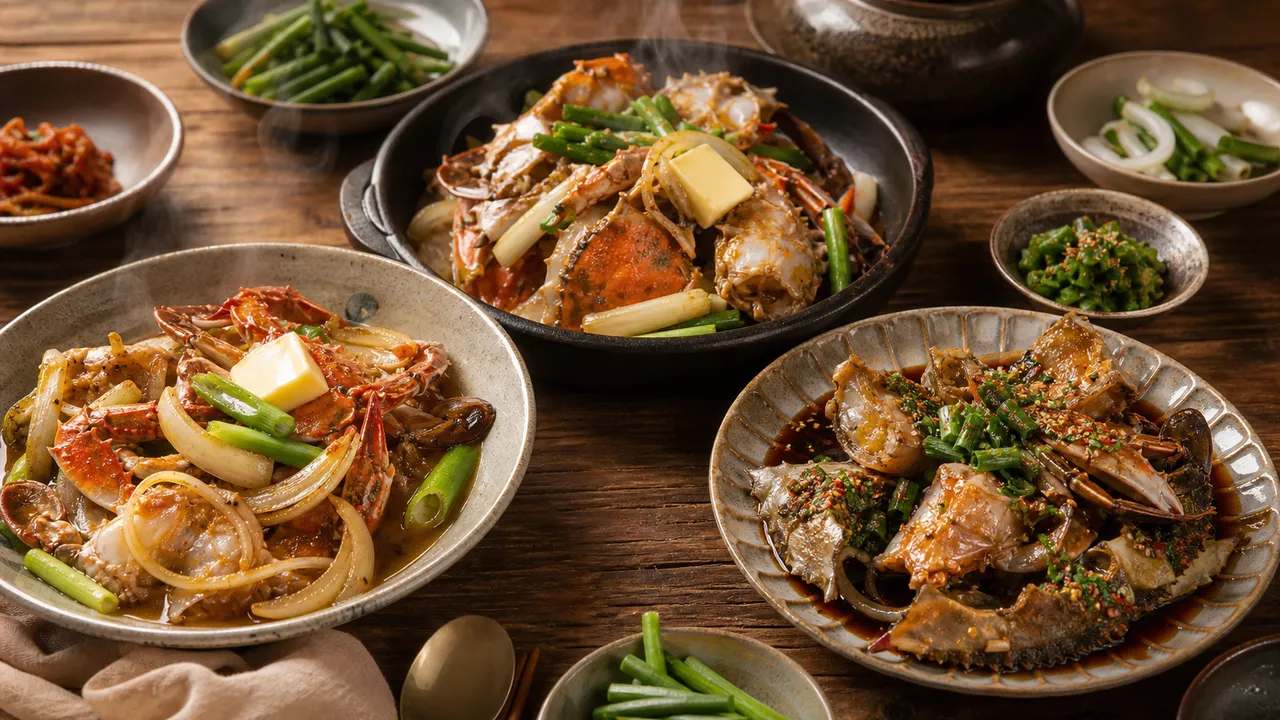
* 이미지는 AI가 생성한 참고 이미지로, 실제 조리 결과물과 다를 수 있습니다.
Discover three noodle dishes: Kongguksu (콩국수) made with store-bought soy milk (두유) for when fresh soybeans aren't available, Janchi Guksu (잔치국수) crafted with mountain vegetables, and Kalguksu (칼국수) made with soy flour (콩가루) noodles. These recipes are simple to prepare yet boast an exquisitely deep flavor.
📋 3 recipes — Select to view
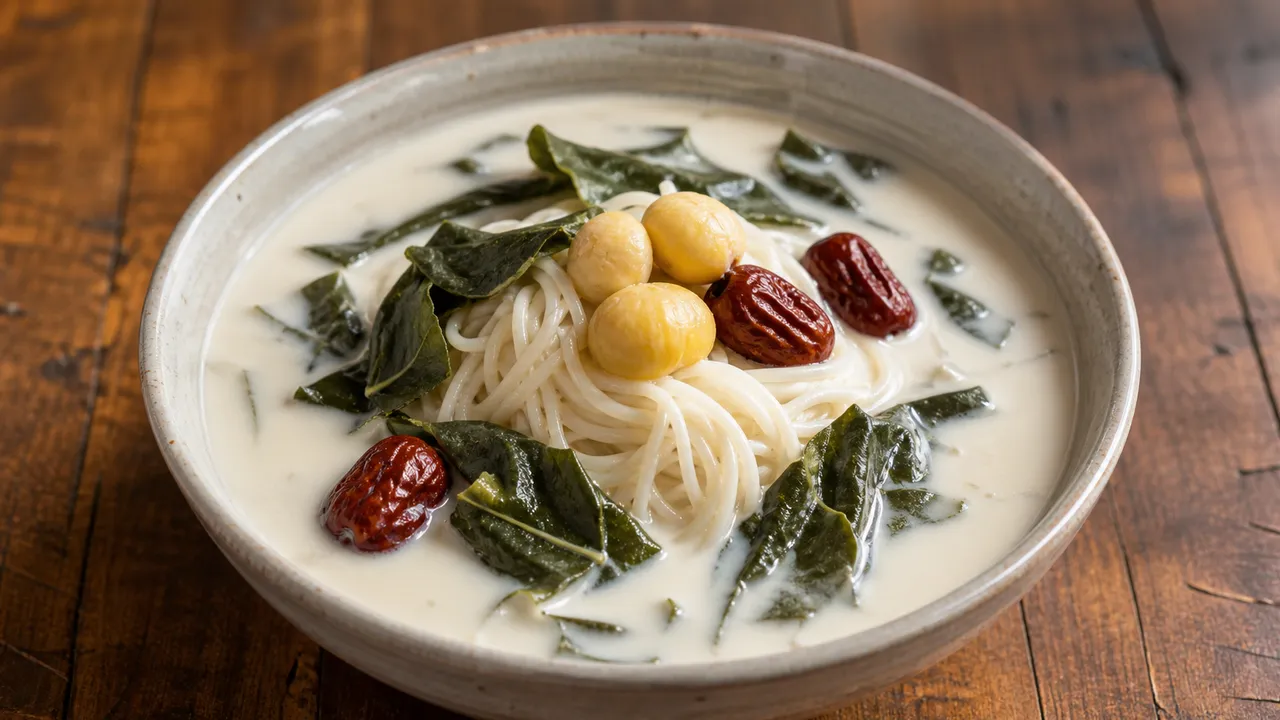
This is a quick and easy kongguksu (콩국수) made with store-bought soy milk (두유) for when you're in a natural setting and don't have soybeans. It's even more delicious when enjoyed with chik-tteok (칡떡).
📝 Editor's Notes
Today's recipe introduces the Nature-Lover's Instant Soy Milk Kongguksu (두유 콩국수), which can be whipped up in just 20 minutes using store-bought soy milk instead of actual soybeans.
The highlight is being able to enjoy savory and refreshing kongguksu without the hassle of soaking and cooking beans.
Especially when served with chik-tteok (칡떡) made from kudzu leaves, it makes for a perfectly healthy and satisfying meal.
It's excellent for cooling down in hot weather and makes a wonderful light lunch.
With its savory and slightly sweet flavor, it's a dish that everyone, young and old, is sure to love.
🛒 Ingredient Tips
The key to this recipe is the soy milk (두유).
For a healthier option, choose unsweetened or organic soy milk.
Selecting a plain-flavored soy milk with less sugar will best preserve the inherent savory taste of kongguksu.
For kudzu leaves (칡잎), choose fresh, green ones.
For chestnuts and jujubes (대추) to enhance the flavor of chik-tteok (칡떡), select large, unblemished ones.
For noodles, prepare somyeon (소면) or jungmyeon (중면) according to your preference.
Fresh, crisp seasonal cucumber and carrot are also recommended for better taste.
🔄 Substitution Guide
Instead of soy milk (두유), you can use soybeans that have been soaked, cooked, and blended yourself.
However, the essence of this recipe is its simplicity, so using store-bought soy milk is recommended.
If kudzu leaves (칡잎) are hard to find, you can use regular mugwort (쑥) or sweet rice flour to make mugwort tteok (쑥떡) or plain tteok as a side.
While the flavor and aroma will be different, you can still enjoy a chewy texture and sweet taste.
If chestnuts and jujubes (대추) are unavailable, a small amount of raisins or other nuts can be added to the chik-tteok (칡떡) for texture and nutrition.
Using rice noodles or buckwheat noodles instead of wheat noodles can offer a different taste and texture.
If you have allergies, prepare the dish excluding the relevant ingredients.
🥘 Ingredients
👨🍳 Cooking Points
The first cooking tip is to steam the chik-tteok (칡떡) perfectly.
The chik-tteok, made from flour dough with kudzu leaves, chestnuts, and jujubes, needs to be steamed thoroughly to ensure it's soft all the way through.
Depending on the size of the tteok, steaming for about 20-30 minutes in a hot steamer is usually sufficient.
The second tip is about cooking the noodles.
Boil the noodles, but be careful not to overcook them.
Refer to the cooking time on the package, then immediately rinse them several times in cold water to achieve a firm and springy texture.
Finally, after pouring the soy milk (두유) and adding garnishes, adjust the seasoning with salt.
A pinch of salt will enhance the savory and slightly sweet notes of the soy milk.
The chik-tteok (칡떡) is much more delicious when dipped in honey.
👨🍳 Directions
Place the flour dough on kudzu leaves (칡잎), then add chestnuts and jujubes (대추), and form them into chik-tteok (칡떡).
Put the formed chik-tteok (칡떡) into a steamer and steam until cooked.
Boil water in a pot and cook the noodles.
Rinse the cooked noodles in cold water until firm and springy, drain thoroughly, and place them in a bowl.
Pour soy milk (두유) over the noodles in the bowl.
Garnish with cucumber, carrot, and halved boiled eggs, then sprinkle with sesame seeds to finish.
Season with a pinch of salt to taste, or enjoy the chik-tteok (칡떡) dipped in honey.
💡 Tips
When soybeans are unavailable, you can make kongguksu (콩국수) using store-bought soy milk (두유).
Chik-tteok (칡떡) dipped in honey is a fantastic combination.
Kudzu leaves (칡잎) are said to be good for liver detoxification.
Soy milk kongguksu (콩국수) has a slightly sweet taste, so adding a little salt enhances the sweet and savory flavor.
📦 Storage & Reuse
It's best to store finished soy milk kongguksu (두유 콩국수) by separating the noodles and broth and refrigerating them.
The noodles, with all water thoroughly drained, should be stored in an airtight container and consumed within 2 days for the freshest and best taste.
The soy milk broth can be stored in the refrigerator for about 2-3 days; shake well before serving.
Chik-tteok (칡떡) can harden when refrigerated, so it's best to steam and eat only the amount you plan to consume immediately.
Leftover chik-tteok can be wrapped individually in plastic wrap and frozen for up to a month.
To thaw, re-steam in a steamer or heat in a microwave.
Use any leftover cucumber and carrot as salad ingredients or garnishes for other dishes.
🥢 Who This Is For
This Nature-Lover's Soy Milk Kongguksu (두유 콩국수) is highly recommended for hot summer days when you're feeling low on energy and crave a refreshing yet hearty meal.
It's especially great for those who love kongguksu but find the complicated cooking process daunting.
It's also a healthy and easy meal for busy professionals or those living alone.
Enjoying it with chik-tteok (칡떡) adds to the fullness and makes for a nutritionally balanced meal.
For side dishes, we recommend crisp geotjeori (겉절이) or refreshing yeolmu kimchi (열무김치).
The combination of spicy kimchi and savory kongguksu is always fantastic.
🔥 Nutrition Info
Based on 2 servings, the estimated calorie count for one serving of this Nature-Lover's Soy Milk Kongguksu (두유 콩국수) is approximately 450-550 kcal.
This can vary depending on the type of soy milk, ingredients, and quantity of chik-tteok (칡떡).
Protein is estimated at about 20-25g, fat at about 15-20g, and carbohydrates at about 60-70g.
Soy milk is rich in plant-based protein and calcium, aiding in bone health, and kudzu leaves (칡잎) are known to be good for liver detoxification.
Chestnuts and jujubes (대추) are rich in vitamins and minerals, contributing to immune system strengthening, while cucumber and carrot provide vitamin A and dietary fiber.
Boiled eggs add high-quality protein, making this a nutritionally balanced meal.
💬 Frequently Asked Questions
- Q. What ingredients do I need for Nature Lover's 3 Noodle Recipes: Super Easy Kongguksu, Janchi Guksu, and Kalguksu Secrets?
- Main ingredients include 칡잎, 밀가루, 밤, 대추, 국수. The essence of these recipes lies in Kongguksu (콩국수) made with store-bought soy milk (두유), Janchi Guksu (잔치국수) prepared with mountain vegetables, and Kalguksu (칼국수) featuring soy flour (콩가루) noodles. For the Kongguksu (콩국수) soy milk (두유), opt for unsweetened or low-sugar varieties to enhance the nutty flavor and allow for better salt adjustment to your preference. When using mountain vegetables, fresh seasonal ones are key; if you dislike their bitter taste, blanch them and soak them sufficiently in cold water. For Kalguksu (칼국수) noodles, choose products with a high soy flour (콩가루) content for a richer, nuttier, and chewier texture.
- Q. What are the key tips for making Nature Lover's 3 Noodle Recipes: Super Easy Kongguksu, Janchi Guksu, and Kalguksu Secrets?
- For all three noodle dishes, cooking the noodles properly is crucial. Since cooking times vary by noodle type, strictly follow the instructions on the package. Especially for Kongguksu (콩국수) and Janchi Guksu (잔치국수) noodles, rinse them thoroughly in cold water after cooking to remove excess starch, which ensures a chewier texture and prevents the broth from becoming cloudy. For Kalguksu (칼국수) noodles, immediately transfer them from the boiling water to the broth and simmer briefly; this allows the noodles to absorb the broth's flavor without becoming mushy. Adjust the seasoning of the broth to your liking with salt or guk ganjang (국간장, Korean soup soy sauce). A key point for Janchi Guksu (잔치국수) is to make a rich anchovy (멸치) and kelp (다시마) broth.
- Q. How should I store leftover Nature Lover's 3 Noodle Recipes: Super Easy Kongguksu, Janchi Guksu, and Kalguksu Secrets?
- While it's best to consume the finished noodles immediately, it's recommended to store any leftover broth and noodles separately. The broth can be kept fresh for 2-3 days in an airtight container in the refrigerator. After cooking, drain the noodles completely and refrigerate them; when reheating, be careful not to overcook them. Leftover mountain vegetables can be used as ingredients for bibimbap (비빔밥) or made into namul muchim (나물무침) for a few extra days of enjoyment. Kongguksu (콩국수) broth can also be frozen; simply thaw and blend with ice for a refreshing drink.
- Q. How many calories are in Nature Lover's 3 Noodle Recipes: Super Easy Kongguksu, Janchi Guksu, and Kalguksu Secrets?
- Based on a single serving, this recipe is expected to be approximately 450-600 kcal. Utilizing soy milk (두유) and soy flour (콩가루) noodles, it can provide about 20-30g of protein, 15-25g of fat, and 60-80g of carbohydrates. Soybeans, as a primary ingredient, are rich in plant-based protein and dietary fiber. The calcium and vitamin D found in soy milk (두유) can support bone health. Mountain vegetables contribute a wealth of vitamins and minerals, helping to maintain overall nutritional balance.
- Q. Can I substitute ingredients in Nature Lover's 3 Noodle Recipes: Super Easy Kongguksu, Janchi Guksu, and Kalguksu Secrets?
- For Kongguksu (콩국수), instead of store-bought soy milk (두유), you can blend your own cooked soybeans for a richer, nuttier flavor. If you have a soybean allergy, consider soaking and blending nuts (cashews, almonds) to create a similar kongguksu-like dish, or use cream pasta noodles with a milk or soy milk base. If mountain vegetables are unavailable, blanched, easily accessible vegetables like spinach or chives can be used. Substituting kalguksu (칼국수) noodles with somyeon (소면) or jungmyeon (중면) can shorten cooking time, but note that you might miss the unique savory and chewy texture of soy flour (콩가루) noodles.
💬 Comments
No comments yet. Be the first to comment!