
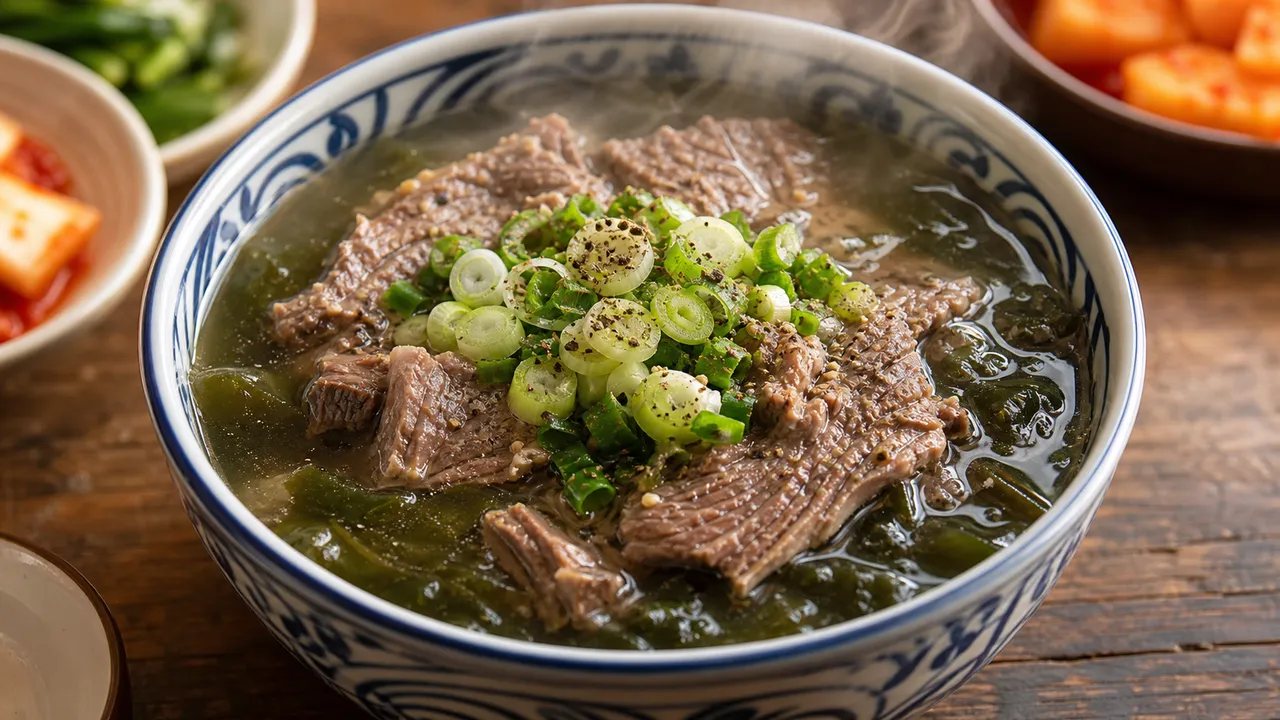
Easy 7-Minute Beef Brisket Galbitang (갈비탕) Recipe
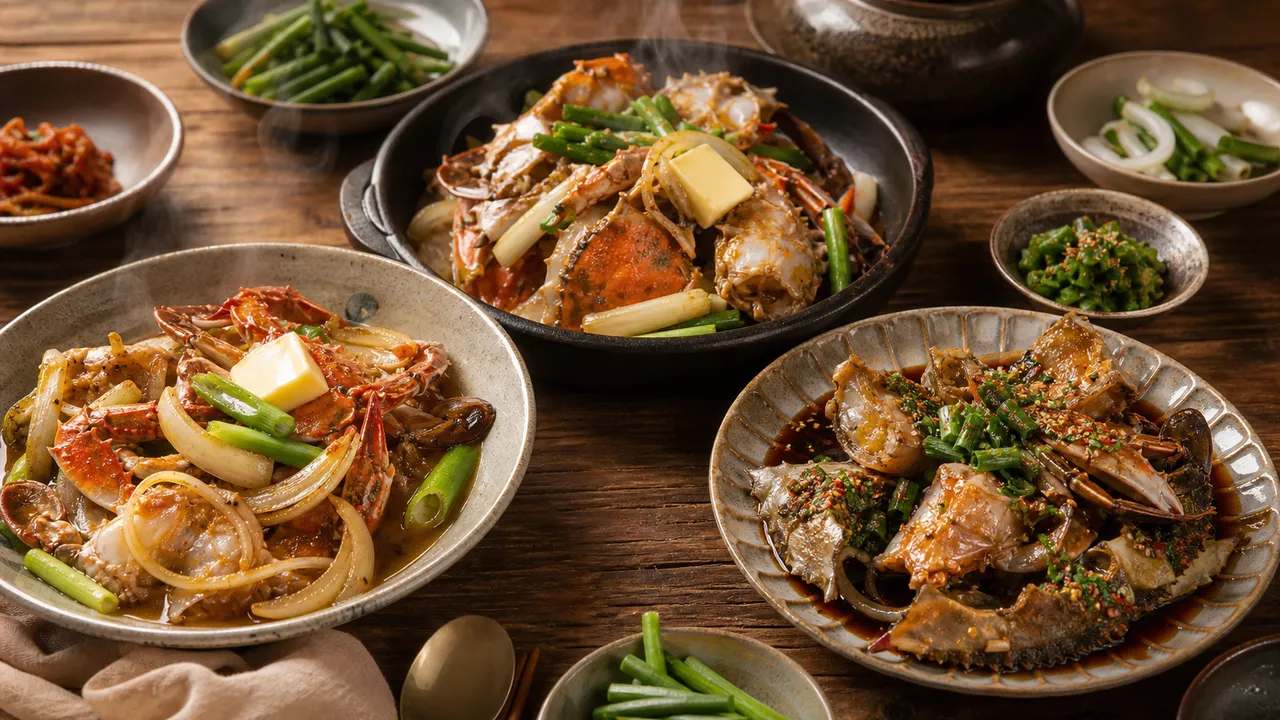
* 이미지는 AI가 생성한 참고 이미지로, 실제 조리 결과물과 다를 수 있습니다.
An astonishing flavor ready in just 7 minutes! This is an incredibly simple Galbitang (갈비탕) recipe featuring a rich and deep broth complemented by tender beef brisket slices.
📝 Editor's Notes
This ultra-simple 7-minute Beef Brisket Galbitang (갈비탕) is the perfect recipe for anyone looking to enjoy a warm and hearty meal amidst a busy schedule.
Despite a mere 7 minutes of cooking time, the deep umami flavor from the beef brisket slices (우삼겹), harmonized with oyster sauce and tuna sauce (참치액), creates a rich broth that tastes as if it's been simmered for hours.
The tender beef brisket slices, chewy glass noodles (당면), and refreshing green onions come together to deliver a profound taste.
Its easy difficulty makes it foolproof even for beginner cooks.
This dish is especially suitable for warming up on chilly days or when you need a simple yet special meal.
🛒 Ingredient Tips
For this recipe's star ingredient, beef brisket slices (우삼겹), it's important to choose fresh ones with a good balance of fat and lean meat.
Too much fat can make the broth greasy, while too little can make the meat dry.
When selecting packaged 우삼겹, choose those with no accumulated blood and a vibrant pink color.
For green onions (대파), it's best to pick ones that are fresh from the root to the tip, with a deep green color.
The white part of the green onion has a strong sweetness, and the green part has a good aroma, so using both will further enhance the flavor of the Galbitang.
Glass noodles (당면) should be pre-soaked to shorten cooking time and ensure a tender texture, so it's highly recommended to soak them in cold water for at least 30 minutes before starting to cook.
🔄 Substitution Guide
Chuck flap (차돌박이) can be an excellent substitute for beef brisket slices (우삼겹).
Like 우삼겹, chuck flap is thinly sliced and has a good balance of fat, offering a similar flavor and tenderness.
However, please note that chuck flap may be slightly more expensive than 우삼겹.
If you prefer a vegetarian broth without meat, try stir-frying oyster mushrooms or shiitake mushrooms instead of beef brisket slices to add umami.
While it won't have the rich meaty flavor, you'll enjoy a different charm with the mushrooms' unique aroma and chewy texture.
If you don't have oyster sauce, you can mix 1 tbsp soy sauce and 0.5 tbsp sugar, but the distinct deep umami flavor of oyster sauce might be slightly less pronounced.
🥘 Ingredients
👨🍳 Cooking Points
The most crucial first point is to separate the beef brisket slices (우삼겹) well while stir-frying to prevent them from clumping.
Lightly coat a pan with cooking oil, add the 우삼겹, and continuously stir with chopsticks or a spatula to separate each slice.
This ensures the meat cooks evenly and prevents the broth flavor from being uneven later.
The second point is to carefully skim off any foam that forms when the broth boils.
This foam consists of impurities from the meat, and removing it will result in a cleaner and clearer broth. The third point is seasoning.
1/3 tbsp of salt is the basic seasoning, and you can adjust it according to your personal taste.
The secret to a perfect flavor is to taste and adjust the seasoning at the end, after all ingredients have been added and sufficiently simmered.
Don't forget to add black pepper to enhance the aroma.
👨🍳 Directions
Lightly coat a pan with cooking oil and stir-fry 200g of beef brisket slices (우삼겹), making sure to separate them so they don't clump together. (Since beef brisket slices are already fatty, add only a small amount of cooking oil.)
Once the beef brisket slices are cooked, pour in 500ml of water and bring to a boil. Add 1 tbsp oyster sauce, 1 tbsp tuna sauce (참치액), 1 tbsp mirin (맛술), and 0.5 tbsp minced garlic, then mix well.
Once the broth boils, skim off any foam that rises to the surface. Add 1 finely chopped green onion and pre-soaked glass noodles (당면), and cook until just tender.
Finally, season with 1/3 tbsp salt and a dash of black pepper. Your Beef Brisket Galbitang (갈비탕) is now complete.
💡 Tips
When stir-frying the beef brisket slices, ensure they are separated and cooked evenly to achieve a consistent flavor.
Once the broth boils, remove any foam that rises to create a cleaner and clearer soup.
Adding plenty of green onions will further enhance the refreshing and umami-rich flavor of the Galbitang.
Despite the short cooking time, this recipe is characterized by a deep flavor, as if it had been simmered for a long time.
📦 Storage & Reuse
The finished Beef Brisket Galbitang (갈비탕) can be stored in an airtight container in the refrigerator for 2-3 days.
As it's a soup dish, the flavor may change with prolonged storage, so it's best to consume it as soon as possible.
If you wish to freeze it, divide it into single-serving portions and store in freezer-safe containers or zip-top bags.
For frozen storage, it's recommended to consume within 2 weeks.
To reheat, transfer to a pot and simmer gently over medium-low heat; adjust seasoning with salt if needed.
The leftover soup can also be enjoyed as a savory porridge by adding rice, shredded seaweed, and sesame oil, or you can substitute glass noodles (당면) with rice cake slices for a delicious variation.
🥢 Who This Is For
This Beef Brisket Galbitang (갈비탕) is highly recommended for busy professionals, students living alone, and beginner home cooks.
Since you can complete a hearty and delicious soup dish in just 7 minutes, it will warm you up after a long, tiring day at work.
It's also great for the whole family and serves as an excellent nourishing meal for children during exam periods.
A bowl of rice dipped into the soup will fill you up completely.
Pairing it with well-fermented kkakdugi (깍두기) or crispy kimchi (김치) will make it an even more perfect meal.
If you enjoy a spicy kick, try adding a bit of Cheongyang chili pepper (청양고추).
🔥 Nutrition Info
Based on a single serving (using 200g of beef brisket slices, 우삼겹), this ultra-simple 7-minute Beef Brisket Galbitang (갈비탕) is estimated to have approximately 550-650 kcal.
200g of 우삼겹 contains about 25-30g of protein, making it a sufficiently hearty meal.
The fat content is relatively high, around 40-50g, due to the nature of 우삼겹, but it plays a crucial role in energy supply.
Carbohydrates primarily come from the glass noodles (당면), which would be around 30-40g depending on the amount of soaked noodles used.
Green onions (대파) provide Vitamin C, calcium, and iron, while garlic's allicin compound helps boost immunity.
Overall, this dish can be considered a nourishing meal that offers a balanced intake of nutrients.
💬 Frequently Asked Questions
- Q. What ingredients do I need for Easy 7-Minute Beef Brisket Galbitang (갈비탕)?
- Main ingredients include Beef Brisket Slices (우삼겹), Cooking Oil, Water, Oyster Sauce, Tuna Sauce (참치액). For this recipe's star ingredient, beef brisket slices (우삼겹), it's important to choose fresh ones with a good balance of fat and lean meat. Too much fat can make the broth greasy, while too little can make the meat dry. When selecting packaged 우삼겹, choose those with no accumulated blood and a vibrant pink color. For green onions (대파), it's best to pick ones that are fresh from the root to the tip, with a deep green color. The white part of the green onion has a strong sweetness, and the green part has a good aroma, so using both will further enhance the flavor of the Galbitang. Glass noodles (당면) should be pre-soaked to shorten cooking time and ensure a tender texture, so it's highly recommended to soak them in cold water for at least 30 minutes before starting to cook.
- Q. What are the key tips for making Easy 7-Minute Beef Brisket Galbitang (갈비탕)?
- The most crucial first point is to separate the beef brisket slices (우삼겹) well while stir-frying to prevent them from clumping. Lightly coat a pan with cooking oil, add the 우삼겹, and continuously stir with chopsticks or a spatula to separate each slice. This ensures the meat cooks evenly and prevents the broth flavor from being uneven later. The second point is to carefully skim off any foam that forms when the broth boils. This foam consists of impurities from the meat, and removing it will result in a cleaner and clearer broth. The third point is seasoning. 1/3 tbsp of salt is the basic seasoning, and you can adjust it according to your personal taste. The secret to a perfect flavor is to taste and adjust the seasoning at the end, after all ingredients have been added and sufficiently simmered. Don't forget to add black pepper to enhance the aroma.
- Q. How should I store leftover Easy 7-Minute Beef Brisket Galbitang (갈비탕)?
- The finished Beef Brisket Galbitang (갈비탕) can be stored in an airtight container in the refrigerator for 2-3 days. As it's a soup dish, the flavor may change with prolonged storage, so it's best to consume it as soon as possible. If you wish to freeze it, divide it into single-serving portions and store in freezer-safe containers or zip-top bags. For frozen storage, it's recommended to consume within 2 weeks. To reheat, transfer to a pot and simmer gently over medium-low heat; adjust seasoning with salt if needed. The leftover soup can also be enjoyed as a savory porridge by adding rice, shredded seaweed, and sesame oil, or you can substitute glass noodles (당면) with rice cake slices for a delicious variation.
- Q. How many calories are in Easy 7-Minute Beef Brisket Galbitang (갈비탕)?
- Based on a single serving (using 200g of beef brisket slices, 우삼겹), this ultra-simple 7-minute Beef Brisket Galbitang (갈비탕) is estimated to have approximately 550-650 kcal. 200g of 우삼겹 contains about 25-30g of protein, making it a sufficiently hearty meal. The fat content is relatively high, around 40-50g, due to the nature of 우삼겹, but it plays a crucial role in energy supply. Carbohydrates primarily come from the glass noodles (당면), which would be around 30-40g depending on the amount of soaked noodles used. Green onions (대파) provide Vitamin C, calcium, and iron, while garlic's allicin compound helps boost immunity. Overall, this dish can be considered a nourishing meal that offers a balanced intake of nutrients.
- Q. Can I substitute ingredients in Easy 7-Minute Beef Brisket Galbitang (갈비탕)?
- Chuck flap (차돌박이) can be an excellent substitute for beef brisket slices (우삼겹). Like 우삼겹, chuck flap is thinly sliced and has a good balance of fat, offering a similar flavor and tenderness. However, please note that chuck flap may be slightly more expensive than 우삼겹. If you prefer a vegetarian broth without meat, try stir-frying oyster mushrooms or shiitake mushrooms instead of beef brisket slices to add umami. While it won't have the rich meaty flavor, you'll enjoy a different charm with the mushrooms' unique aroma and chewy texture. If you don't have oyster sauce, you can mix 1 tbsp soy sauce and 0.5 tbsp sugar, but the distinct deep umami flavor of oyster sauce might be slightly less pronounced.
💬 Comments
No comments yet. Be the first to comment!