
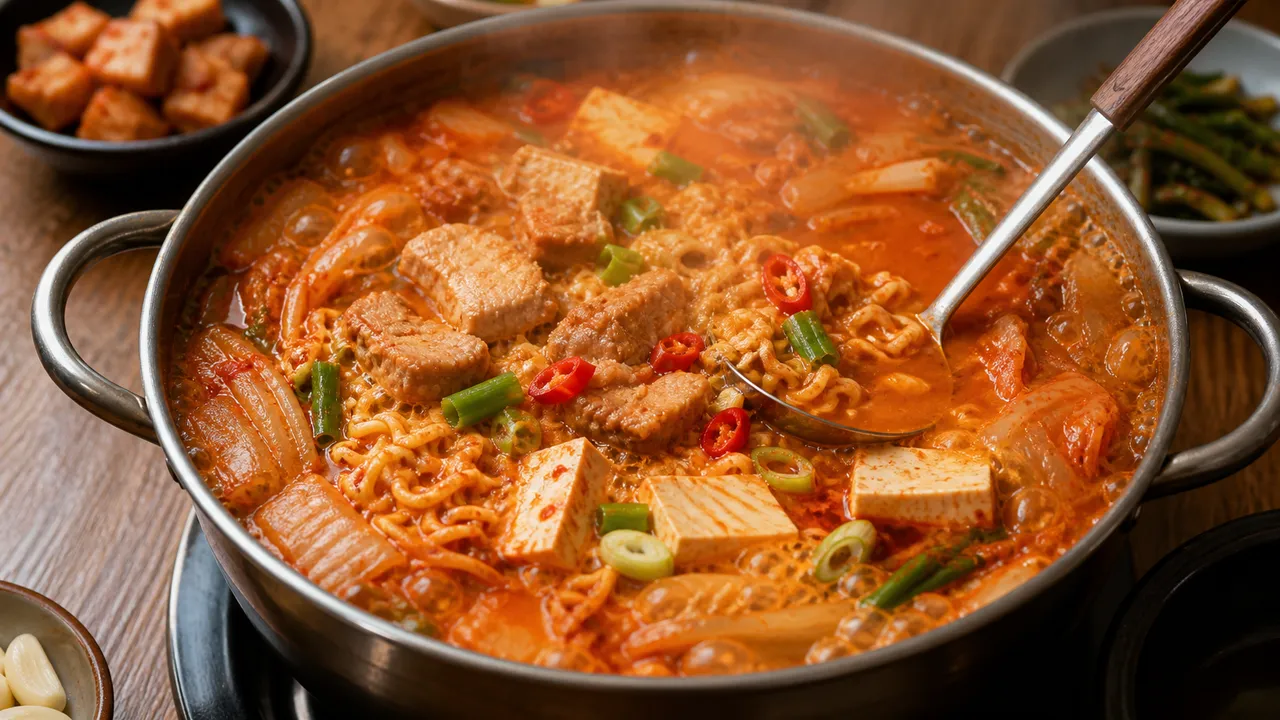
How to Make a Rich and Refreshing Pork Kimchi Jjigae Recipe
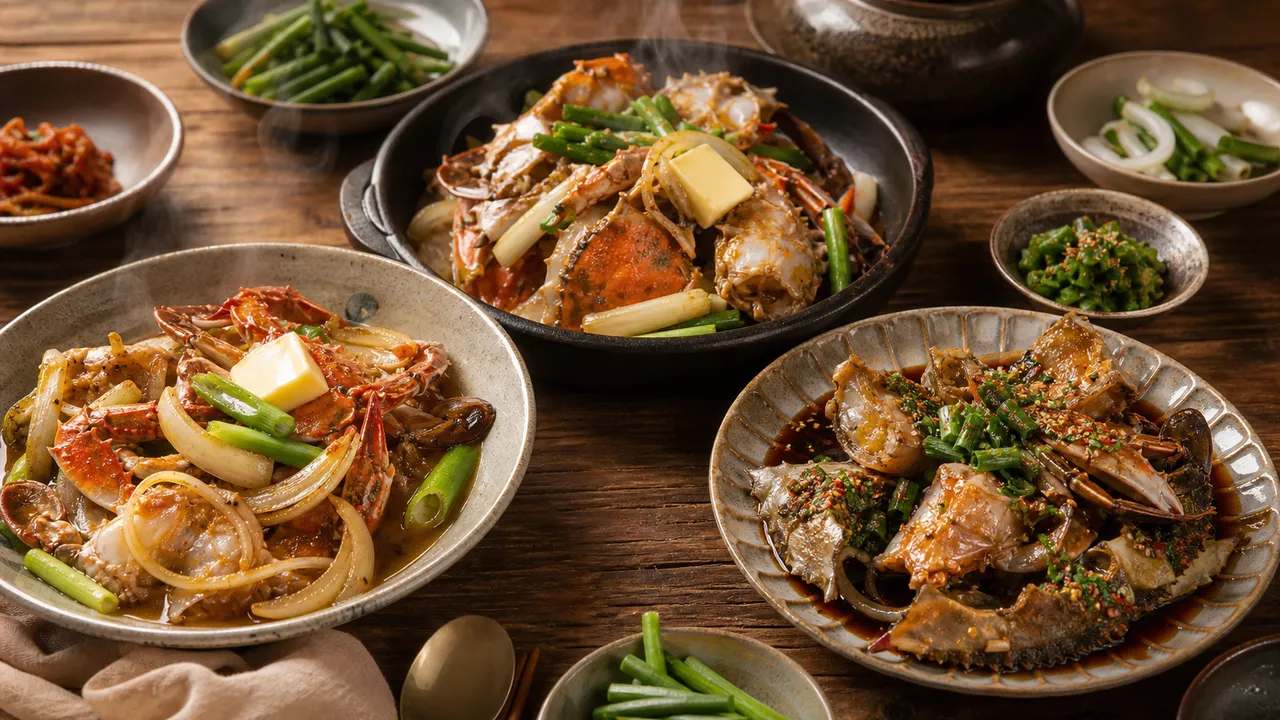
* 이미지는 AI가 생성한 참고 이미지로, 실제 조리 결과물과 다를 수 있습니다.
From seasoning the pork to enhancing the umami, this is the secret to making a rich and refreshing kimchi jjigae (김치찌개) broth at home, just like those served at Korean diners.
📝 Editor's Notes
This recipe shares the secret to enjoying a rich and refreshing pork kimchi jjigae (김치찌개).
The key to this stew is to pre-marinate the pork and then stir-fry it thoroughly with kimchi (김치) to bring out the umami.
Especially, removing the inner leaves/filling from the kimchi and straining the kimchi brine through a sieve plays a significant role in creating a clean yet deep broth.
Kimchi jjigae, a perfect side dish for rice, is a beloved dish for the whole family, not just in cold winter but all year round.
If you want to make delicious kimchi jjigae at home that rivals any Korean diner, definitely give this recipe a try.
By following the cooking steps carefully, anyone can succeed!
🛒 Ingredient Tips
For pork, use pork shoulder, choosing a cut with a good balance of lean meat and fat.
Too little fat can make it dry, while too much can make it greasy.
Good pork shoulder should be bright red, firm, with white and solid fat.
It's very important to use well-fermented kimchi (김치).
Under-fermented kimchi won't yield a deep flavor, and overly sour kimchi can make the stew too tangy.
Kimchi that has been aged in the refrigerator for at least 2 weeks is ideal.
For tofu, firm or pan-frying tofu is better than soft or silken tofu made from domestic beans, as it holds its shape well in the stew and has a good texture.
🔄 Substitution Guide
Instead of pork shoulder, you can use pork neck or pork belly.
Pork neck offers a more tender texture than shoulder, while pork belly provides a richer, fattier flavor, but be mindful it might become too greasy.
If saeujeot (새우젓) is unavailable, you can substitute with 1 tbsp anchovy sauce or 1 tbsp tuna sauce.
Anchovy sauce will add more umami, and tuna sauce will provide a deeper flavor.
However, since these sauces are salty, adjust the salt seasoning later after tasting.
If you don't have broth tablets, you can make your own dried anchovy and kelp broth, or use a commercial dashi pack.
Using broth will make the stew taste much deeper and richer.
🥘 Ingredients
👨🍳 Cooking Points
The first key to this kimchi jjigae (김치찌개) is the pork seasoning and stir-frying process.
Pre-seasoning the pork with soy sauce, mirin, etc., helps remove any gamey smell and allows the flavors to penetrate, making the meat much tastier.
The second point is to stir-fry the pork until golden brown over medium-high heat to bring out its umami, then add the kimchi (김치) and stir-fry it thoroughly in the rendered fat.
Stir-frying the kimchi for a long time mellows its sourness and develops a deeper flavor.
The third point is how to use the kimchi brine; straining it through a sieve prevents the broth from becoming murky, resulting in a clean yet deep flavor.
If you remember these three tips, you'll be able to make a foolproof kimchi jjigae!
👨🍳 Directions
Marinate 400g pork shoulder with 1 tbsp soy sauce, 1 tbsp mirin, 1 tbsp minced garlic, a pinch of black pepper, and some diagonally sliced green onions. Mix well and set aside to marinate.
Diagonally slice the remaining 1 stalk of green onion. Slice 1 Cheongyang chili pepper (청양고추) and 1 red chili pepper into bite-sized pieces. Cut 300g tofu into appropriate sizes. For a clean broth, remove the inner leaves/filling from 1/4 head of well-fermented kimchi (김치) and cut it into bite-sized pieces.
In the pot where the pork was marinated, add 1 tbsp cooking oil and stir-fry the pork over medium-high heat until it is evenly browned. Once the pork is cooked and has rendered enough fat, add the sliced kimchi (김치) and continue to stir-fry until the kimchi is also golden brown.
Add 700ml water and 1 broth tablet to the stir-fried pork and kimchi. Cover and bring to a boil over low heat.
To deepen the flavor of the kimchi jjigae (김치찌개) broth, strain 100ml of kimchi brine through a sieve and add it to the stew. Cover and bring to a boil once more over low heat.
For the final seasoning, add 1 tbsp saeujeot (새우젓) and mix well. Add the prepared tofu, remaining green onions, Cheongyang chili pepper (청양고추), and red chili pepper, and bring to a final simmer. If needed, add a pinch of salt to adjust the seasoning.
💡 Tips
Kimchi jjigae (김치찌개) turns out much more delicious when ingredients are added step-by-step rather than all at once.
Pre-frying the pork and kimchi (김치) not only enhances the flavor of the kimchi jjigae (김치찌개) but also allows for easy use in kimchi fried rice, making it convenient and tasty.
If you want a clean-tasting broth, remove the inner leaves/filling from the kimchi (김치) before cooking; this prevents a murky taste and results in a refreshing finish.
Saeujeot (새우젓) enhances the deep flavor of the stew. If unavailable, you can substitute with 1 tbsp anchovy sauce or tuna sauce.
📦 Storage & Reuse
Leftover kimchi jjigae (김치찌개) can be stored in an airtight container in the refrigerator for 3-4 days.
For longer storage, it's best to divide it into single-serving portions and freeze them.
It can be stored in the freezer for about one month.
To thaw, either naturally defrost in the refrigerator or microwave, then reheat in a pot.
Note that tofu's texture can change when frozen, so it's recommended to add fresh tofu when reheating after freezing.
The remaining stew broth can also be used to make a delicious kimchi fried rice by stir-frying it with rice, sesame oil, and shredded gim (김) (seaweed).
🥢 Who This Is For
This kimchi jjigae (김치찌개) is highly recommended for those who love a spicy and deep flavor.
It's especially great for the whole family to enjoy when you're craving a warm soup on a chilly day.
Eating a spoonful of this stew mixed with freshly cooked white rice is truly a "rice thief" (a dish so delicious you'll eat a lot of rice).
Pairing it with a fried egg, gim (김) (seaweed), and jeon (전) (Korean savory pancakes like kimchi jeon or buchu jeon) will make for an even richer meal.
It also pairs wonderfully with a glass of makgeolli (막걸리) (Korean rice wine).
🔥 Nutrition Info
This pork kimchi jjigae (김치찌개), based on 4 servings, is estimated to be approximately 350-400 kcal per serving.
Protein is estimated at about 25-30g, fat at 20-25g, and carbohydrates at 15-20g.
Pork shoulder is rich in high-quality protein and B vitamins, which help with fatigue recovery.
Kimchi (김치) is a fermented food, abundant in probiotics, vitamin C, and dietary fiber, beneficial for gut health and immune system enhancement.
Tofu is rich in plant-based protein and high in calcium, contributing to bone health.
Cheongyang chili peppers (청양고추) contain capsaicin, which boosts metabolism, and are also rich in vitamins A and C.
💬 Frequently Asked Questions
- Q. What ingredients do I need for How to Make a Rich and Refreshing Pork Kimchi Jjigae?
- Main ingredients include Pork shoulder, Soy sauce, Mirin, Minced garlic, Black pepper. For pork, use pork shoulder, choosing a cut with a good balance of lean meat and fat. Too little fat can make it dry, while too much can make it greasy. Good pork shoulder should be bright red, firm, with white and solid fat. It's very important to use well-fermented kimchi (김치). Under-fermented kimchi won't yield a deep flavor, and overly sour kimchi can make the stew too tangy. Kimchi that has been aged in the refrigerator for at least 2 weeks is ideal. For tofu, firm or pan-frying tofu is better than soft or silken tofu made from domestic beans, as it holds its shape well in the stew and has a good texture.
- Q. What are the key tips for making How to Make a Rich and Refreshing Pork Kimchi Jjigae?
- The first key to this kimchi jjigae (김치찌개) is the pork seasoning and stir-frying process. Pre-seasoning the pork with soy sauce, mirin, etc., helps remove any gamey smell and allows the flavors to penetrate, making the meat much tastier. The second point is to stir-fry the pork until golden brown over medium-high heat to bring out its umami, then add the kimchi (김치) and stir-fry it thoroughly in the rendered fat. Stir-frying the kimchi for a long time mellows its sourness and develops a deeper flavor. The third point is how to use the kimchi brine; straining it through a sieve prevents the broth from becoming murky, resulting in a clean yet deep flavor. If you remember these three tips, you'll be able to make a foolproof kimchi jjigae!
- Q. How should I store leftover How to Make a Rich and Refreshing Pork Kimchi Jjigae?
- Leftover kimchi jjigae (김치찌개) can be stored in an airtight container in the refrigerator for 3-4 days. For longer storage, it's best to divide it into single-serving portions and freeze them. It can be stored in the freezer for about one month. To thaw, either naturally defrost in the refrigerator or microwave, then reheat in a pot. Note that tofu's texture can change when frozen, so it's recommended to add fresh tofu when reheating after freezing. The remaining stew broth can also be used to make a delicious kimchi fried rice by stir-frying it with rice, sesame oil, and shredded gim (김) (seaweed).
- Q. How many calories are in How to Make a Rich and Refreshing Pork Kimchi Jjigae?
- This pork kimchi jjigae (김치찌개), based on 4 servings, is estimated to be approximately 350-400 kcal per serving. Protein is estimated at about 25-30g, fat at 20-25g, and carbohydrates at 15-20g. Pork shoulder is rich in high-quality protein and B vitamins, which help with fatigue recovery. Kimchi (김치) is a fermented food, abundant in probiotics, vitamin C, and dietary fiber, beneficial for gut health and immune system enhancement. Tofu is rich in plant-based protein and high in calcium, contributing to bone health. Cheongyang chili peppers (청양고추) contain capsaicin, which boosts metabolism, and are also rich in vitamins A and C.
- Q. Can I substitute ingredients in How to Make a Rich and Refreshing Pork Kimchi Jjigae?
- Instead of pork shoulder, you can use pork neck or pork belly. Pork neck offers a more tender texture than shoulder, while pork belly provides a richer, fattier flavor, but be mindful it might become too greasy. If saeujeot (새우젓) is unavailable, you can substitute with 1 tbsp anchovy sauce or 1 tbsp tuna sauce. Anchovy sauce will add more umami, and tuna sauce will provide a deeper flavor. However, since these sauces are salty, adjust the salt seasoning later after tasting. If you don't have broth tablets, you can make your own dried anchovy and kelp broth, or use a commercial dashi pack. Using broth will make the stew taste much deeper and richer.
💬 Comments
No comments yet. Be the first to comment!