
Summer Delights: Kongguksu, Yukjeon, Nakji Bokkeum, and Chef
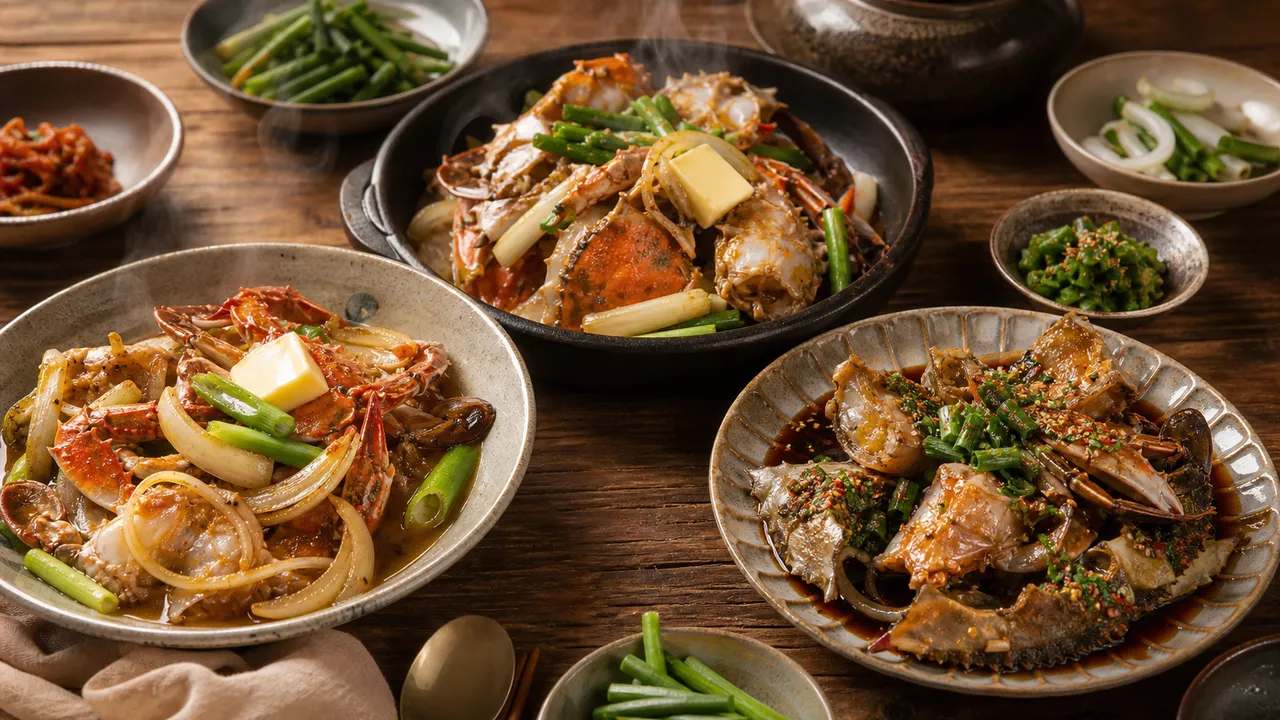
* 이미지는 AI가 생성한 참고 이미지로, 실제 조리 결과물과 다를 수 있습니다.
Introducing Kongguksu, Yukjeon, Nakji Bokkeum, and Chef Lee Yeon-bok's super simple Ganjjajang Ramyun recipe to help you beat the summer heat refreshingly and satisfyingly.
📋 5 recipes — Select to view
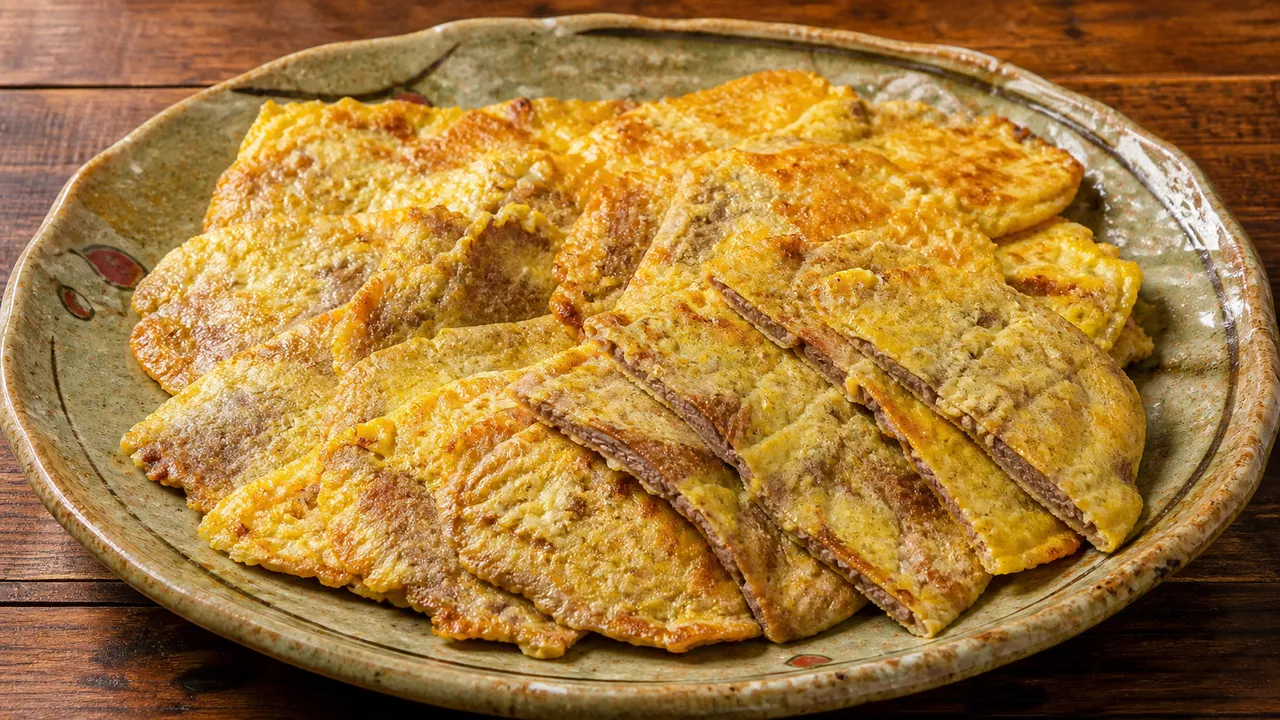
A savory and tender pan-fried beef dish (yukjeon) served with shredded green onions, a delightful summer treat.
📝 Editor's Notes
Yukjeon (육전) is a savory and tender pan-fried beef dish, perfect as a summer delicacy, allowing you to fully appreciate the rich flavor of beef.
Thinly sliced beef is coated with sweet rice flour (찹쌀가루) and egg wash, then pan-fried until golden.
Serving it with shredded green onions adds a clean and refreshing taste, preventing it from feeling too heavy.
The cooking process is relatively simple, making it accessible for beginner cooks.
It's also an elegant Korean dish that pairs wonderfully with dinner parties or special occasions.
For the best taste, serve warm immediately after cooking.
🛒 Ingredient Tips
The key to delicious yukjeon (육전) lies in choosing the right beef.
Sirloin and rump steak are commonly used, both being lean cuts with less fat, making them ideal for a clean-tasting yukjeon.
Sirloin is generally more tender and flavorful, while rump steak is more affordable and offers a chewier texture.
When selecting meat, look for bright red color, fine grain, and firm texture.
Fresh beef with minimal blood is the secret to savory yukjeon without any gamey taste.
Using fresh, local free-range eggs is also recommended for better flavor.
🔄 Substitution Guide
Instead of sirloin or rump steak, you can use beef tenderloin or eye of round.
Tenderloin offers a much softer texture when pan-fried as yukjeon but can be more expensive.
Eye of round, leaner than rump steak, provides a milder flavor but can become tough if not sliced thinly and cooked gently.
If sweet rice flour (찹쌀가루) is unavailable, all-purpose flour or Korean pancake mix (부침가루) can be substituted, though the unique chewy and crispy texture of sweet rice flour might be less prominent.
Using all-purpose flour will result in a softer texture.
For those with egg allergies, you can try dissolving cornstarch in water as a substitute for the egg wash, or explore vegetarian versions using ingredients like tofu or mushrooms.
🥘 Ingredients
👨🍳 Cooking Points
Temperature control is crucial for yukjeon (육전).
Frying over medium-low heat until golden brown ensures they cook through softly without burning.
Be careful not to use excessively high heat, as this can burn the outside while leaving the inside undercooked or tough.
A key tip is to evenly coat the beef in sweet rice flour (찹쌀가루) first, then dip it in the egg wash.
This method ensures a clean coating, prevents the batter from coming off, and keeps the flour from sticking to your hands for easier cooking.
Lastly, seasoning the beaten eggs with salt beforehand helps to neutralize any gamey smell from the meat and infuse flavor, resulting in a much more savory yukjeon.
Cooking time varies depending on the thickness of the meat, but generally, 1-2 minutes per side until golden is sufficient.
👨🍳 Directions
Slice sirloin or rump steak 2-3mm thick. Pat dry with a paper towel to remove excess blood, then season lightly with salt and black pepper.
Prepare two separate shallow dishes: one with sweet rice flour (찹쌀가루) and another with beaten eggs seasoned with a pinch of salt.
Heat a generous amount of cooking oil in a preheated pan over medium-low heat. Dredge the seasoned beef slices first in sweet rice flour (찹쌀가루), then dip them in the beaten eggs, and pan-fry until golden brown.
Arrange the beautifully pan-fried yukjeon (육전) on a serving plate.
💡 Tips
Frying over medium-low heat until golden brown ensures they cook through deliciously without burning.
Seasoning the beaten eggs with salt beforehand helps to eliminate any gamey taste from the beef.
First coating the beef in sweet rice flour (찹쌀가루) and then dipping in egg wash prevents the flour from sticking to your hands, making the process easier.
📦 Storage & Reuse
Leftover yukjeon (육전) can be stored in an airtight container in the refrigerator for 2-3 days.
For freezing, portion into single servings, wrap in plastic wrap, or place in a freezer bag.
It can be stored frozen for about 2 weeks.
To reheat after thawing, warm lightly in a microwave or pan-fry again over low heat to enjoy warm and delicious yukjeon.
Leftover yukjeon can also be a delightful addition to kimchi jjigae (김치찌개) or Jeongol (전골), or used as a topping for rice bowls.
🥢 Who This Is For
Yukjeon (육전) is a dish loved by all ages, making it excellent for family meals or entertaining guests.
It's especially good as a side dish for children, and adults will find it a perfect accompaniment to makgeolli (막걸리) or a cold beer.
Served with refreshing shredded green onions, it can be enjoyed cleanly without feeling heavy.
Pairing yukjeon with a cool bean sprout soup (콩나물국) or doenjang jjigae (된장찌개) will complete a hearty Korean meal.
🔥 Nutrition Info
Yukjeon (육전), with beef as its main ingredient, is a highly nutritious dish rich in protein.
A single serving is estimated to contain approximately 300-400 kcal, with about 25-30g of protein, 15-20g of fat, and 10-15g of carbohydrates.
Beef provides high-quality protein, along with iron and zinc which are beneficial for preventing anemia, and a rich supply of B vitamins, all contributing to energy recovery and immune system enhancement.
Sweet rice flour (찹쌀가루) provides a small amount of carbohydrates, and eggs supplement protein and various vitamins and minerals.
The use of cooking oil also contributes to a moderate fat intake.
💬 Frequently Asked Questions
- Q. What ingredients do I need for Summer Delights: Kongguksu, Yukjeon, Nakji Bokkeum, and Chef Lee Yeon-bok's Ganjjajang Ramyun Recipes?
- Main ingredients include 채끝살 또는 우둔살, 소금, 후추, 찹쌀가루, 계란물. For Kongguksu (콩국수), it's best to use Seoritae (서리태) black soybeans or Baektae (백태) white soybeans. Seoritae (서리태) offers a richer, deeper nutty flavor, while Baektae (백태) is characterized by a clean and mild taste. When choosing soybeans, select those that are uniform in size, shiny, and free from insect damage. For Yukjeon (육전), it's important to prepare thinly sliced beef from leaner, tender cuts like top round or eye of round. If the slices are too thick, the Yukjeon (육전) can become tough, so ask your butcher to slice them thinly or do it yourself. Fresh octopus is key to the deliciousness of Nakji Bokkeum (낙지볶음). Live octopus with clear eyes, glossy body, and active suckers is ideal, but if not available, frozen octopus is acceptable. After thawing, make sure to remove the internal organs and ink sac and wash it thoroughly.
- Q. What are the key tips for making Summer Delights: Kongguksu, Yukjeon, Nakji Bokkeum, and Chef Lee Yeon-bok's Ganjjajang Ramyun Recipes?
- When making Kongguksu (콩국수), the most crucial steps are soaking and boiling the soybeans. After soaking them sufficiently, avoid boiling them for too long, as it can lead to a bitter taste, or too short, which can leave a raw beany smell. It is recommended to boil them for about 5 minutes once they start boiling. Afterward, rinse them immediately with cold water and peel off the skins to create a smooth soy milk broth. For Yukjeon (육전), the key is to slice the meat thinly to ensure tenderness. When pan-frying with an egg wash, avoid cooking over high heat, as the outside may burn while the inside remains undercooked or becomes tough. Instead, cook over medium heat until golden brown. For Nakji Bokkeum (낙지볶음), it's important to stir-fry quickly over high heat. Octopus tends to become tough if cooked for too long, so stir-fry the seasoning and vegetables first, then add the octopus last and cook just until it's tender and loses its raw appearance, to maintain its delicate texture.
- Q. How should I store leftover Summer Delights: Kongguksu, Yukjeon, Nakji Bokkeum, and Chef Lee Yeon-bok's Ganjjajang Ramyun Recipes?
- Kongguksu (콩국수) broth remains fresh for about 2-3 days when refrigerated. It's good to shake it before serving. Yukjeon (육전) can be stored in an airtight container in the refrigerator for 2-3 days after cooking and cooling; reheat them in an air fryer or on a pan over low heat. Nakji Bokkeum (낙지볶음) is good for up to 2 days in the refrigerator, but it's best to consume it as soon as possible due to the nature of seafood. Leftover Nakji Bokkeum (낙지볶음) can be stir-fried with rice to make Nakji Bokkeumbap (낙지볶음밥) or mixed with somen (소면) noodles for a delicious meal. Chef Lee Yeon-bok's Ganjjajang Ramyun (간짜장 라면) is best eaten immediately after cooking. Store any leftover ingredients separately in airtight containers, and it's recommended to cook only as much ramyun as you will eat at once, as reheating can cause the noodles to become soggy and alter the taste.
- Q. How many calories are in Summer Delights: Kongguksu, Yukjeon, Nakji Bokkeum, and Chef Lee Yeon-bok's Ganjjajang Ramyun Recipes?
- This diverse recipe includes several dishes, making it difficult to calculate exact single-serving calories, but we can estimate approximate nutritional information. Kongguksu (콩국수), rich in protein and plant-based fats, is estimated to be around 300-400 kcal, with approximately 20g protein, 15g fat, and 30g carbohydrates. Yukjeon (육전), mainly composed of beef protein and fat, is estimated at 250-350 kcal, with about 25g protein, 20g fat, and 5g carbohydrates. Nakji Bokkeum (낙지볶음), thanks to octopus's low-calorie and high-protein nature, is estimated at 200-300 kcal, with approximately 20g protein, 10g fat, and 20g carbohydrates. Chef Lee Yeon-bok's Ganjjajang Ramyun (간짜장 라면), due to the nature of ramyun, is estimated at 500-600 kcal, with about 15g protein, 25g fat, and 70g carbohydrates. Overall, this is a well-balanced diet with high protein intake and various nutrients such as B vitamins from Kongguksu (콩국수), iron from Yukjeon (육전), and taurine from octopus.
- Q. Can I substitute ingredients in Summer Delights: Kongguksu, Yukjeon, Nakji Bokkeum, and Chef Lee Yeon-bok's Ganjjajang Ramyun Recipes?
- For Kongguksu (콩국수), you can use soy milk instead of soybeans for a simpler preparation of the soy milk broth. Store-bought unsweetened soy milk allows you to enjoy cool Kongguksu (콩국수) without the boiling process, though it might be less rich and nutty than homemade soy milk. If beef for Yukjeon (육전) is a concern, thinly sliced pork loin or tenderloin can be used. It offers a different, lighter, and tender taste compared to beef Yukjeon (육전). For Nakji Bokkeum (낙지볶음), squid can be used instead of octopus. Squid also provides a chewy texture and savory taste similar to octopus, though the unique tenderness and flavor of octopus might be slightly reduced. Use these alternatives if you have allergies or difficulty finding specific ingredients.
💬 Comments
No comments yet. Be the first to comment!