
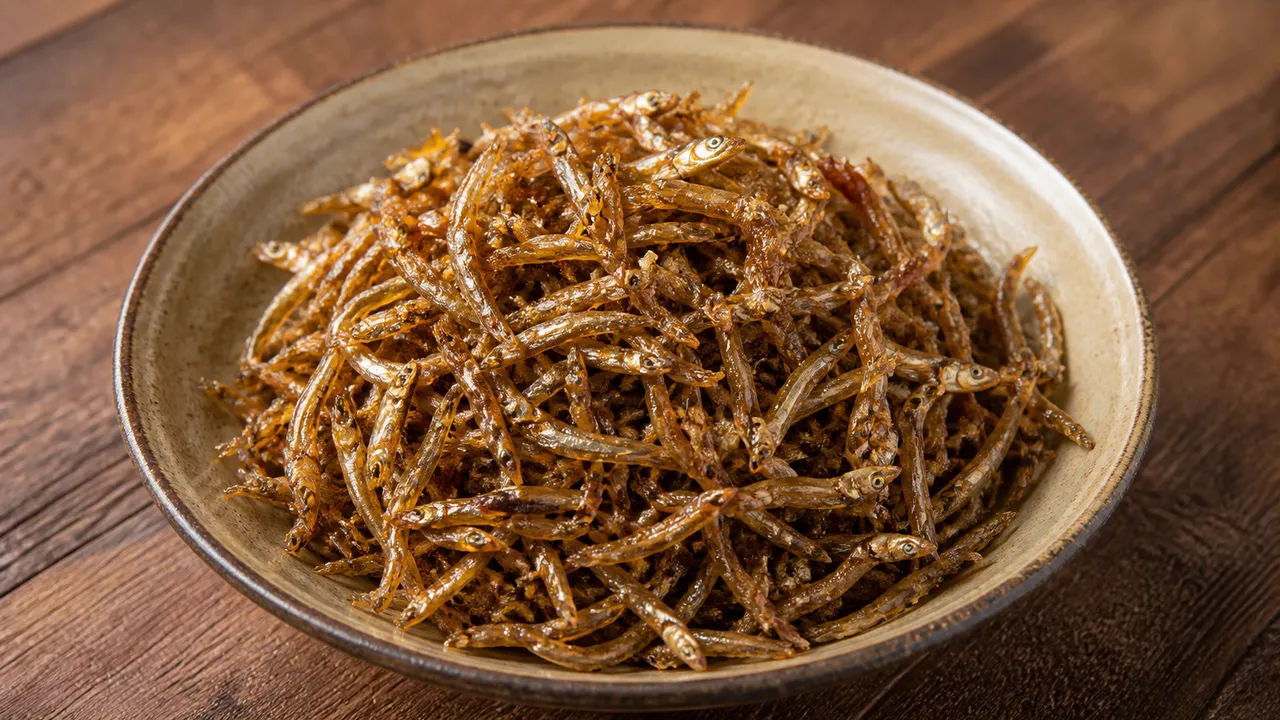
Top 3 Banchan Store Side Dishes: Stir-fried Anchovies, Seaso
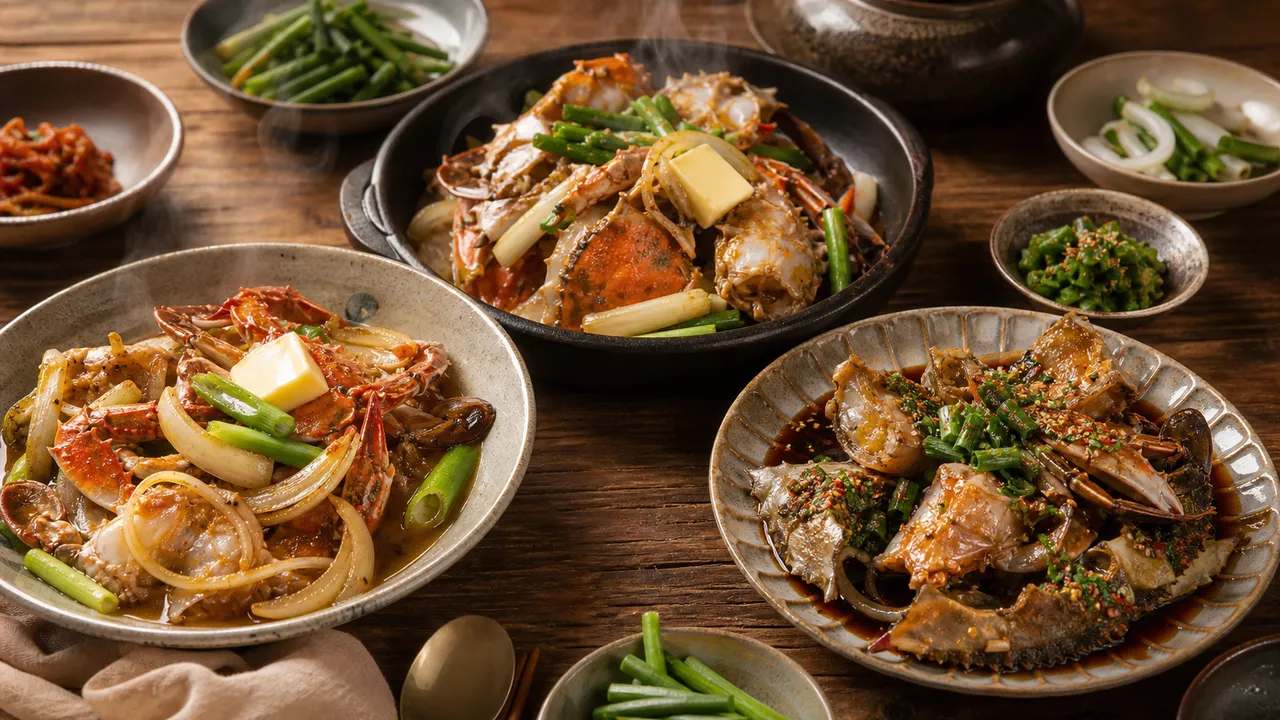
* 이미지는 AI가 생성한 참고 이미지로, 실제 조리 결과물과 다를 수 있습니다.
This recipe recreates three popular side dishes (banchan) from Korean side dish stores at home: stir-fried anchovies (myeolchi-bokkeum), seasoned dried shredded squid (jinmichae-muchim), and stir-fried dried shredded squid (ojingeo silchae-bokkeum).
📋 3 recipes — Select to view
Crispy, sweet, and savory stir-fried anchovies (Myeolchi-bokkeum) are a popular Korean side dish that anyone can make successfully.
📝 Editor's Notes
Crispy, sweet, and savory stir-fried anchovies (Myeolchi-bokkeum) are a beloved Korean side dish (banchan) enjoyed by all ages.
This recipe focuses on achieving a perfect crispy texture by thoroughly drying the anchovies over medium-low heat, and prevents them from becoming tough by mixing them with the sauce off the heat.
The use of Korean rice syrup (Jocheong) adds a lovely shine and a mellow sweetness, making this recipe even more appealing.
It's easy to make successfully, even for beginner cooks, requiring no special culinary skills.
Served over warm rice, it's a magical side dish that can rekindle your appetite.
While delicious year-round, it's especially perfect as a side dish in autumn.
🛒 Ingredient Tips
For the key ingredient, medium-sized dried anchovies (Jung-myeolchi), choose ones that are uniform in size and have a silvery sheen.
Avoid anchovies that appear too yellow or reddish, as they may be old or poorly stored.
If you are sensitive to the fishy smell of anchovies, you can split them open and remove the guts for a cleaner taste.
Select Cheongyang chili peppers (Cheongyang-gochu) that are firm and vibrantly colored, not soft.
Use freshly minced garlic for the best aroma and flavor.
For the Korean rice syrup (Jocheong), using traditional rice-based jocheong will provide a deeper, more subtle sweetness.
For soy sauce, we recommend using regular brewed soy sauce rather than soup soy sauce (Guk-ganjang), as the latter can be too salty.
🔄 Substitution Guide
If you wish to use small dried anchovies (Jjan-myeolchi) instead of medium-sized ones, the cooking method can remain the same.
However, since small anchovies are smaller and thinner, you should reduce the stir-frying time by 1-2 minutes to prevent burning and achieve crispiness.
If Korean rice syrup (Jocheong) is unavailable, you can substitute it with corn syrup (mulleot) or oligo syrup, though the unique deep sweetness and gloss of jocheong might be slightly less prominent.
If you only use sugar for sweetness, the anchovies might become hard, so make sure to use corn syrup or oligo syrup along with it.
If Cheongyang chili pepper (Cheongyang-gochu) is too spicy for your preference, you can mince and add bell peppers or red chilies instead.
This will reduce the spiciness while adding a beautiful color.
🥘 Ingredients
👨🍳 Cooking Points
The two most crucial points for this Myeolchi-bokkeum recipe are: First, when stir-frying the anchovies, maintain medium-low heat to thoroughly dry them out until crispy.
This step is essential for eliminating any fishy smell and bringing out their savory flavor.
Approximately 5-7 minutes of stir-frying should be sufficient.
Second, after boiling the sauce, you must turn off the heat before adding the anchovies.
Mixing anchovies and sauce over high heat can make the anchovies tough and cause them to stick together.
Quickly mix them using the residual heat of the pan to keep them crispy and ensure the sauce is evenly coated.
Finally, add the Korean rice syrup (Jocheong) just before turning off the heat after the sauce boils to best enhance the shine and sweetness.
👨🍳 Directions
Place 120g of medium-sized dried anchovies (Jung-myeolchi) in a pan. Over medium-low heat, stir-fry until all moisture has evaporated and the anchovies are crispy.
Sieve the stir-fried anchovies to remove any powdered bits.
In the same pan, add about 1-2 tbsp of cooking oil, 1 tbsp soy sauce, 1.5 tbsp sugar, 1 tbsp Mirin (Mat-sul), 1 tbsp ground sesame seeds, a small amount of minced green onion, 1-2 pieces of minced Cheongyang chili pepper (Cheongyang-gochu), and 0.5 tbsp minced garlic. Simmer over low heat until the sauce comes to a boil.
Once the sauce boils, add 2 tbsp of Korean rice syrup (Jocheong) and mix well.
Turn off the heat, add the stir-fried anchovies, and quickly mix them with the sauce using the residual heat of the pan.
Let the stir-fried anchovies cool down completely.
Once completely cooled, transfer the anchovies to an airtight container and store them in the refrigerator.
💡 Tips
When stir-frying the anchovies, use medium-low heat and ensure all moisture is evaporated to achieve crispiness.
After boiling the sauce, turn off the heat before adding the anchovies. This prevents them from becoming hard or sticking together.
Adding Korean rice syrup (Jocheong) provides sweetness and a glossy finish, and also helps prevent the anchovies from sticking.
To maintain crispiness, the stir-fried anchovies must be cooled completely before storage.
📦 Storage & Reuse
To maintain crispiness, the finished Myeolchi-bokkeum must be completely cooled before being stored in an airtight container in the refrigerator.
Storing it while still warm can cause moisture to form and make it soggy.
When refrigerated, it can be enjoyed deliciously for about a week.
Freezing is also possible, but the texture might become slightly chewier upon thawing, so it's recommended to refrigerate and consume it promptly.
If you have leftover Myeolchi-bokkeum, you can wrap it with warm rice in seaweed (gim) or add it to egg rolls for a unique flavor.
🥢 Who This Is For
This crispy, sweet, and savory Myeolchi-bokkeum is a fantastic side dish for the whole family to enjoy.
It's particularly great for providing calcium to growing children.
For busy working parents or those who eat alone, it's a reliable and satisfying 'rice thief' (bap-doduk).
While it's most delicious served over warm white rice, it can also be used as an ingredient for kimbap or mixed into rice balls for a delightful twist.
It pairs wonderfully with spicy kimchi stew or savory doenjang stew (Korean soybean paste stew).
🔥 Nutrition Info
Based on an estimated serving size of about 30g, one serving of this Myeolchi-bokkeum recipe is expected to contain approximately 100-150 kcal.
Using 120g of medium-sized dried anchovies as a base, you would consume about 10-15g of protein, 5-8g of fat, and 8-12g of carbohydrates.
Anchovies are rich in calcium, which is excellent for bone health, and also contain Vitamin D, aiding in calcium absorption.
Furthermore, they are abundant in omega-3 fatty acids, which can positively impact cardiovascular health.
Minced garlic and Cheongyang chili pepper provide nutrients that support immune system enhancement and antibacterial activity.
While Korean rice syrup (Jocheong) has a higher mineral content than sugar, it is still a sugar, so consume in moderation.
💬 Frequently Asked Questions
- Q. What ingredients do I need for Top 3 Banchan Store Side Dishes: Stir-fried Anchovies, Seasoned Dried Shredded Squid, and Stir-fried Dried Shredded Squid?
- Main ingredients include Dried Medium Anchovies (jung-myeolchi), Cooking oil, Soy sauce, Sugar, Cooking wine (mat-sul). For stir-fried anchovies (myeolchi-bokkeum), it's crucial to choose medium-sized anchovies (jung-myeolchi) that are not too salty and have minimal fishy odor. Look for anchovies with a clean, silvery sheen that are not broken and maintain their intact shape. Smell them directly in the dried seafood section to ensure freshness. The amount of minced Cheongyang chili pepper (cheongyang-gochu) can be adjusted to your preference, or omitted if children will be eating it. Grain syrup (jocheong) is a vital ingredient responsible for the gloss and sweetness of the dish. Use jocheong with a moderate consistency, not too runny or too thick. By selecting these three ingredients carefully, you can make delicious stir-fried anchovies.
- Q. What are the key tips for making Top 3 Banchan Store Side Dishes: Stir-fried Anchovies, Seasoned Dried Shredded Squid, and Stir-fried Dried Shredded Squid?
- There are two crucial points for this stir-fried anchovy (myeolchi-bokkeum) recipe. First, controlling the heat when stir-frying the anchovies is key. It's important to use medium-low heat to completely evaporate the moisture and make them crispy. Stir-fry for about 5-7 minutes. If the anchovies are soggy, they can become hard when coated with the sauce. Second, once the sauce boils, be sure to turn off the heat before adding the anchovies and quickly mixing them with the residual heat. If you add the anchovies with the heat still on, the sauce can be absorbed too strongly, making the anchovies hard or causing them to stick together. Remembering these two points will help you make crispy and delicious stir-fried anchovies every time.
- Q. How should I store leftover Top 3 Banchan Store Side Dishes: Stir-fried Anchovies, Seasoned Dried Shredded Squid, and Stir-fried Dried Shredded Squid?
- It is best to let the finished stir-fried anchovies cool completely before storing them in an airtight container in the refrigerator. When refrigerated, they can be enjoyed crispy and delicious for about a week. It's recommended to consume them as soon as possible, as storing them for too long can make them soggy or alter their taste. Freezing is not recommended, as it can cause the anchovies to lose their crispy texture and become hard. Leftover stir-fried anchovies can be used as an ingredient for gimbap (김밥) or mixed into rice balls for a different delicious treat.
- Q. How many calories are in Top 3 Banchan Store Side Dishes: Stir-fried Anchovies, Seasoned Dried Shredded Squid, and Stir-fried Dried Shredded Squid?
- For this stir-fried anchovy (myeolchi-bokkeum) recipe, assuming approximately 4 servings, the estimated calories per serving are around 200-250 kcal. Protein is estimated at about 15-20 g, fat at 10-15 g, and carbohydrates at 15-20 g. Anchovies are known as the 'king of calcium' due to their rich calcium content, making them excellent for bone health. They are also rich in Vitamin D, which aids calcium absorption, and contain abundant essential amino acids and omega-3 fatty acids like DHA and EPA, which positively impact brain development and vascular health. Cheongyang chili peppers (cheongyang-gochu) provide Vitamin C, while garlic and green onions help boost immunity.
- Q. Can I substitute ingredients in Top 3 Banchan Store Side Dishes: Stir-fried Anchovies, Seasoned Dried Shredded Squid, and Stir-fried Dried Shredded Squid?
- If you need to use other ingredients instead of anchovies, you can use baby anchovies (jan-myeolchi) or dried shrimp. Baby anchovies are smaller and softer than medium anchovies, making them good for children, but you should reduce the stir-frying time slightly. Dried shrimp offers a savory flavor different from anchovies and can be a good alternative if there are no shrimp allergies. If you don't have grain syrup (jocheong), you can substitute it with corn syrup (mulyeot) or oligo syrup. Corn syrup is sweeter and thicker than jocheong, so you might need to use a bit less. Oligo syrup is less sweet and may not provide as much gloss as jocheong. Each substitute may result in subtle differences in taste and texture, so keep that in mind.
💬 Comments
No comments yet. Be the first to comment!