
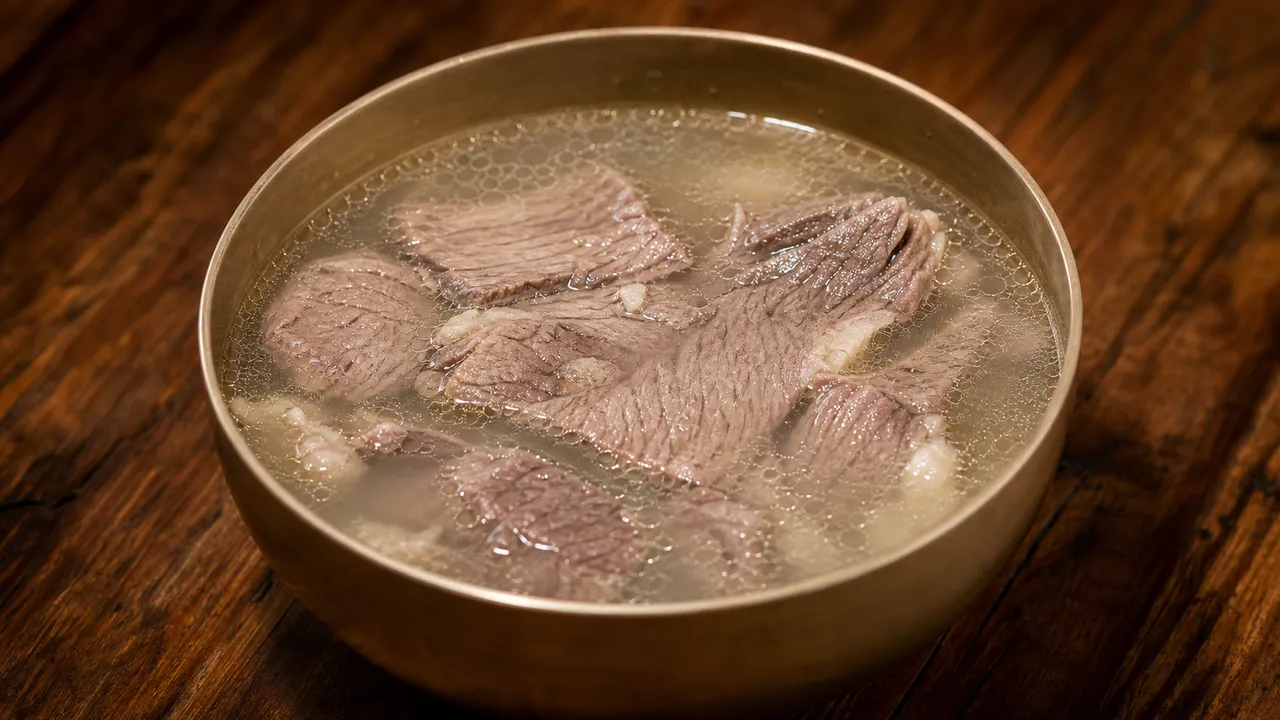
Professional-Grade Clear Gomtang (Korean Beef Bone Soup) Bro
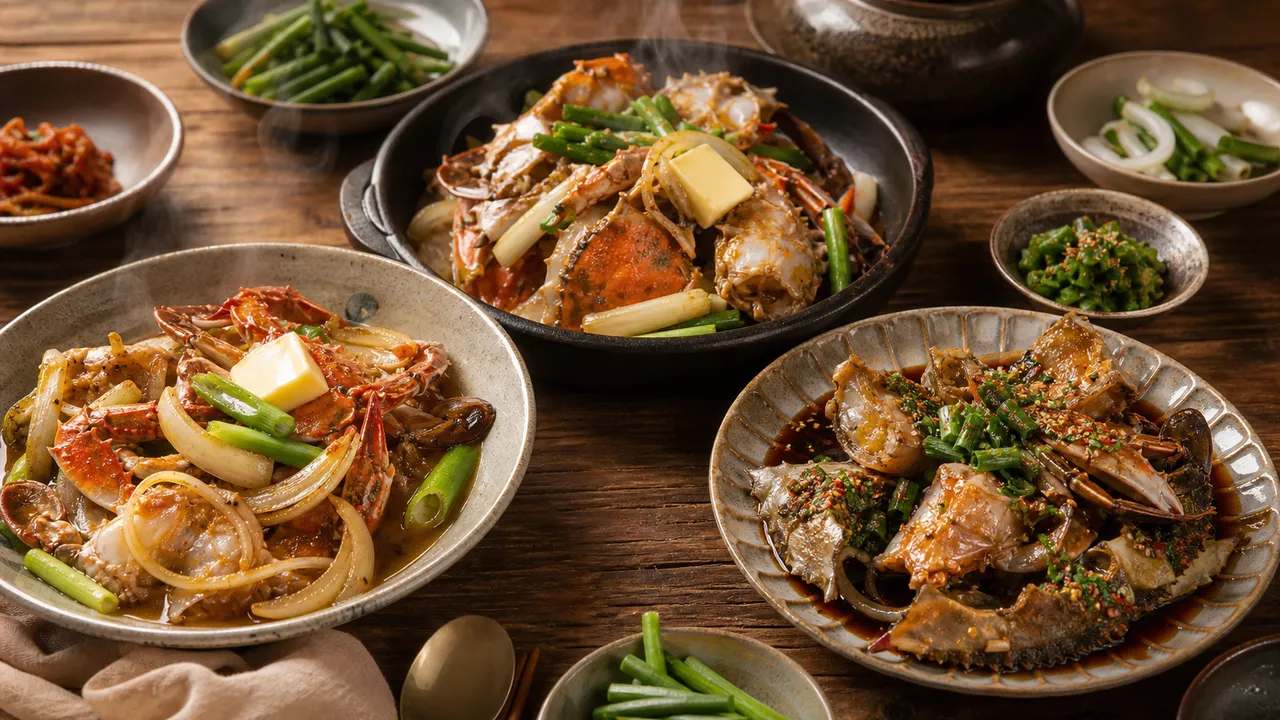
* 이미지는 AI가 생성한 참고 이미지로, 실제 조리 결과물과 다를 수 있습니다.
A recipe for making a deep and clear Gomtang (Korean Beef Bone Soup) broth using a professional restaurant's secret technique, along with recipes for Gomtang Gukbap and Pyeongyang Naengmyeon that utilize this broth.
📋 3 recipes — Select to view
A recipe for professional-grade beef gomtang broth, delivering a deep and clear flavor.
📝 Editor's Notes
This recipe provides instructions for making professional-grade Gomtang (곰탕) broth, renowned for its deep and clear flavor.
While it's a large-scale recipe that might be intimidating for home cooks, it offers invaluable insights into the authentic method of preparing stock.
The recipe highlights delicate techniques for keeping the meat tender while extracting a clear broth.
From ingredient pre-preparation and temperature control during boiling to final impurity removal, it truly reflects the craftsmanship involved in a bowl of gomtang.
If you prepare gomtang with this broth for family gatherings or special occasions, it's sure to impress everyone.
It also serves as an excellent nourishing meal to warm your body and soul on chilly days.
🛒 Ingredient Tips
The essential ingredient for gomtang broth is undoubtedly beef brisket.
The recipe specifies 5 kg of Australian beef brisket, which is excellent for creating a deep flavor as it contains a good balance of meat and fat.
When choosing fresh brisket, look for a bright red color and white fat.
If there's standing blood or the color is dark, its freshness may be compromised.
For salt, Egyptian sea salt and refined salt are mentioned; sea salt, rich in minerals, adds depth, while refined salt provides a clean saltiness.
For home cooking, readily available sea salt or regular refined salt can be used, but pay close attention to adjusting the saltiness.
Guk-ganjang (국간장) is a crucial ingredient that adds umami without clouding the broth's color in soup dishes, so make sure to use guk-ganjang.
🔄 Substitution Guide
Instead of brisket (yangji), which is a key ingredient in this recipe, you can also use beef shank (satae) or short ribs (galbi-sal).
Beef shank has less fat and is leaner than brisket, yielding a clearer broth, but care must be taken with cooking time to avoid it becoming tough.
Short ribs are fattier, producing a richer and more savory flavor, but they can make the broth cloudy and are generally more expensive.
Nucleotide IG and Miwon (미원) are seasonings that maximize umami flavor; if you prefer not to use them, you can substitute them with natural umami-rich ingredients like shiitake mushrooms, dried kelp (dashima), or radish.
However, in this case, the deep and rich umami flavor intended for this professional-grade gomtang might differ slightly.
For salt, using just one type, either sea salt or refined salt, is fine, and you should adjust the saltiness to your personal preference.
🥘 Ingredients
👨🍳 Cooking Points
There are two crucial cooking points in this recipe.
First is the bleeding process and low-temperature cooking to tenderize the meat.
Soaking the brisket in water for 4 hours to remove blood is essential for eliminating gamey odors and achieving a tender texture.
The key is to reduce the temperature to below 100°C and simmer for 90 minutes once the water starts boiling.
If the water boils vigorously, the meat can toughen, so maintain gentle convection and continuously skim off impurities.
Second is maintaining a consistent broth concentration and flavor.
It's important to gradually add small amounts of water during boiling to keep the water level at 12 cm.
Adding too much water at once can cause a sudden drop in temperature, affecting the flavor.
Finally, remember that seasonings dissolve and blend best when added to hot broth.
👨🍳 Directions
Cut the brisket into pieces suitable for the pot, removing only any blood clots. There's no need to remove the fat.
Soak the prepared brisket in water to thaw and bleed (remove blood). Place it in a pot with water and let it sit for 4 hours. (Using tap water in a narrow, deep pot allows the water pressure to effectively draw out the blood, which helps tenderize the meat.)
Place the thawed brisket, 20 liters of water, and 100g of salt into a pot and bring to a boil. Once the water starts boiling, reduce the heat to maintain a temperature below 100°C (just simmering with gentle bubbles) and cook for 90 minutes. (To prevent the meat from toughening, ensure the water does not boil vigorously; maintain gentle convection. Continuously skim off any foam or impurities. Gradually add small amounts of water to maintain a consistent water level of 12 cm.)
After 90 minutes, remove the meat from the broth. Replenish the water as needed to reach the initial water level. Add the remaining 100g of salt, 4.5g of Nucleotide IG, 65g of Miwon (미원), 80g of Guk-ganjang (국간장), and 180g of Fine Beef Brisket Stock Powder to the broth, and boil for another 5 minutes over high heat. (Seasonings dissolve best when added to hot liquid.)
Strain the broth through a cheesecloth (muslin cloth soaked in water) until it becomes clear, removing all impurities. (Soaking the cheesecloth in water beforehand prevents it from imparting any odor. For Pyeongyang Naengmyeon broth, it's typically strained clear the day after it has fully cooled.)
💡 Tips
The saltiness may vary depending on the seasoning products used, so it's best to taste and adjust the final salt level yourself.
When making soup, using a light soy sauce like Guk-ganjang (국간장) instead of regular dark soy sauce prevents the broth from becoming cloudy or excessively sweet.
Using Miwon (미원) and Nucleotide IG together can enhance the umami flavor by 4 to 8 times.
To keep the meat tender and prevent it from toughening, cook at a low temperature below 100°C, ensuring the water does not boil vigorously.
It's important to maintain a consistent water level while boiling. Adding too much water at once can drop the temperature and affect the flavor, so replenish it gradually.
📦 Storage & Reuse
Once the gomtang broth is complete, let it cool completely before refrigerating, where it will stay fresh for 3-4 days.
For longer storage, we recommend dividing it into single-serving portions and freezing.
It can be stored frozen for up to approximately 3 months.
To reheat, gently warm refrigerated broth in a pot over medium-low heat.
Frozen broth can be thawed in a microwave or a pot before reheating.
Be careful not to reheat it over very high heat all at once, as this can alter the flavor.
Leftover broth can be used to add depth of flavor to various soup dishes, such as Tteokguk (떡국, sliced rice cake soup), Manduguk (만둣국, dumpling soup), Yukgaejang (육개장, spicy beef soup), or Kimchi-jjigae (김치찌개, kimchi stew).
You can also enjoy it by adding rice and cooking it like a porridge.
🥢 Who This Is For
This clear gomtang broth is highly recommended as a nourishing meal for the whole family.
It's especially beneficial when you feel run down or need a boost during seasonal changes.
Prepare a generous batch and enjoy a warm bowl of gomtang with rice for a hearty and comforting meal.
You can also use the gomtang broth to make Tteokguk (떡국, sliced rice cake soup) or Manduguk (만둣국, dumpling soup), or add cooked somyeon (소면, thin wheat noodles) to enjoy it like Janchi-guksu (잔치국수, feast noodles) for a delicious twist.
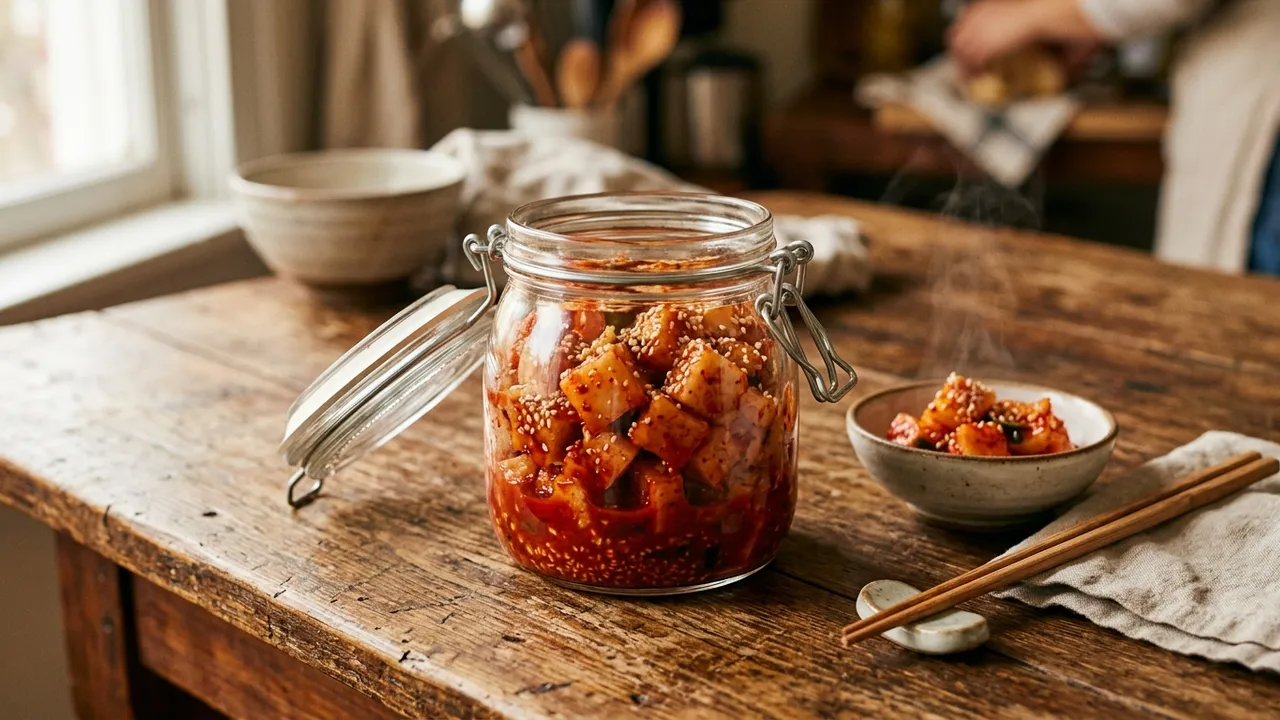
Serving it with Kkakdugi (깍두기, diced radish kimchi) or well-fermented kimchi will enhance the flavor even more.
Share your warm heart with loved ones by preparing this carefully made broth.
🔥 Nutrition Info
This recipe uses 5 kg of brisket for 40 servings, meaning approximately 125g of brisket per serving.
Since 100g of brisket contains about 200-250 kcal, the estimated calorie count per serving would be around 250-310 kcal.
It may contain approximately 20-25g of protein and 15-20g of fat.
Carbohydrates are almost non-existent in the meat itself but may be present in small amounts from seasonings like guk-ganjang, estimated to be around 1-3g per serving.
Beef is rich in high-quality protein, iron, zinc, and B vitamins, which help prevent anemia and boost immunity.
However, the salt content is relatively high, so individuals with high blood pressure should adjust their intake or reduce the amount of salt used in cooking.
While Nucleotide IG and Miwon (미원) are used to enhance umami flavor, from a nutritional perspective, it's generally better to rely on the natural flavors of ingredients.
💬 Frequently Asked Questions
- Q. What ingredients do I need for Professional-Grade Clear Gomtang (Korean Beef Bone Soup) Broth, for Gomtang Gukbap and Pyeongyang Naengmyeon?
- Main ingredients include Australian Beef Brisket, Water, Salt (e.g., Egyptian sea salt, refined salt), Nucleic Acid IG, Miwon (미원). Beef brisket is a key ingredient that determines the taste of Gomtang broth. When choosing fresh Australian beef brisket, select pieces that are bright red and have a moderate amount of fat. You don't need to remove the fat, as it adds flavor to the broth. For salt, you can use Egyptian sea salt or refined salt; sea salt adds a deep flavor with rich minerals, while refined salt provides a clean taste. Choose according to your personal preference. Gukganjang (Korean Soup Soy Sauce) plays an important role in seasoning the broth without making its color cloudy. It's best to choose a commercial Gukganjang product that is not too salty and has a clear color. Selecting good ingredients is the first step to a delicious broth.
- Q. What are the key tips for making Professional-Grade Clear Gomtang (Korean Beef Bone Soup) Broth, for Gomtang Gukbap and Pyeongyang Naengmyeon?
- The most crucial cooking point is 'heat control.' When simmering the meat, it must be cooked for 90 minutes at a low temperature below 100°C (212°F) to prevent the meat from toughening and keep it tender. The secret is to immediately reduce the heat once the water starts boiling, maintaining a gentle simmer with small bubbles. The second point is 'removing impurities.' Continuously skim off any foam or impurities that rise to the surface throughout the simmering process to achieve a clear and clean broth. Finally, 'maintaining the water level' is also important. Gradually add water during simmering to keep the water level at 12 cm (approx. 4.7 inches), ensuring the broth's consistency remains stable and the flavor balance is not disturbed. Be careful not to add too much water at once, as this can cause a sudden drop in temperature and affect the flavor.
- Q. How should I store leftover Professional-Grade Clear Gomtang (Korean Beef Bone Soup) Broth, for Gomtang Gukbap and Pyeongyang Naengmyeon?
- Once the Gomtang broth is complete, let it cool completely, then store it in an airtight container in the refrigerator for 3-4 days of fresh enjoyment. If you wish to store it longer, it's recommended to portion it into single servings or amounts you'll use and freeze it. When frozen, it can last for 2-3 months. To reheat, gently warm refrigerated broth in a pot over medium heat, or thaw frozen broth in the refrigerator overnight or heat it slowly from frozen over low heat. Leftover broth can also be used to make porridge or as a base for other soup dishes. Dumpling soup (Mandu-guk) or rice cake soup (Tteok-guk) made with Gomtang broth are particularly delicious treats.
- Q. How many calories are in Professional-Grade Clear Gomtang (Korean Beef Bone Soup) Broth, for Gomtang Gukbap and Pyeongyang Naengmyeon?
- This recipe is for 40 servings; the estimated calorie count per serving is approximately 150-200 kcal. It is expected to contain about 15-20g of protein and 8-12g of fat from the beef brisket. Carbohydrates are negligible or present in trace amounts. Beef brisket is rich in minerals such as iron and zinc, which can help prevent anemia and boost immunity. It is also known to contain collagen, beneficial for skin health. However, as salt and seasonings are used, it's advisable to be mindful of sodium intake. This clear broth is a nutritious and invigorating dish that can be enjoyed without burden.
- Q. Can I substitute ingredients in Professional-Grade Clear Gomtang (Korean Beef Bone Soup) Broth, for Gomtang Gukbap and Pyeongyang Naengmyeon?
- The main ingredient of this recipe, beef brisket, can be substituted with beef shank or other cuts of beef. Beef shank (satae) has less fat and more lean meat than brisket, yielding a clearer broth, but brisket generally provides a deeper flavor to the broth. Note that using pork shank or chicken will result in a completely different flavored broth. Nucleic Acid IG and Miwon (미원) are flavor enhancers; if they are difficult to find or you prefer not to use them, you can substitute with a natural broth made by thoroughly steeping kelp and shiitake mushrooms. However, the intensity of the umami flavor may be slightly weaker. Using regular soy sauce (Jin-ganjang) instead of soup soy sauce (Gukganjang) can make the broth cloudy and excessively sweet, so it's best to use a light soy sauce type.
💬 Comments
No comments yet. Be the first to comment!