
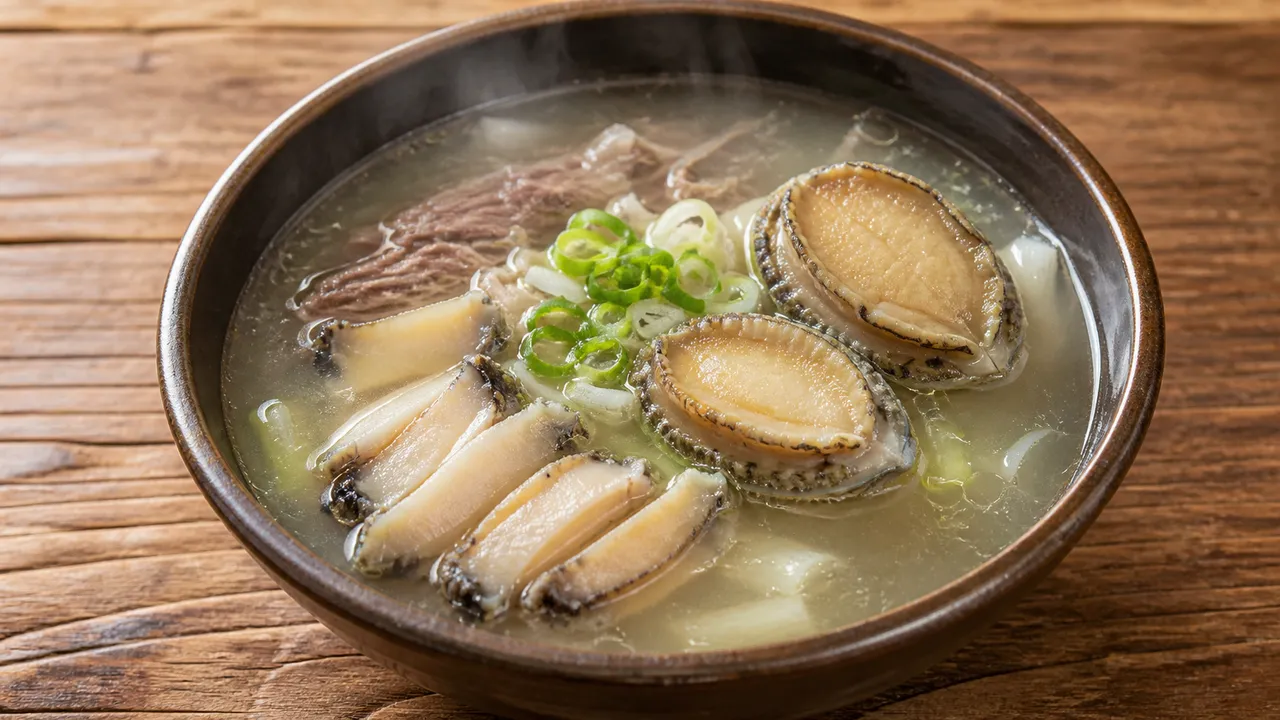
Lee Jung-hyun's Abalone Trio for Her Parents-in-Law Recipe
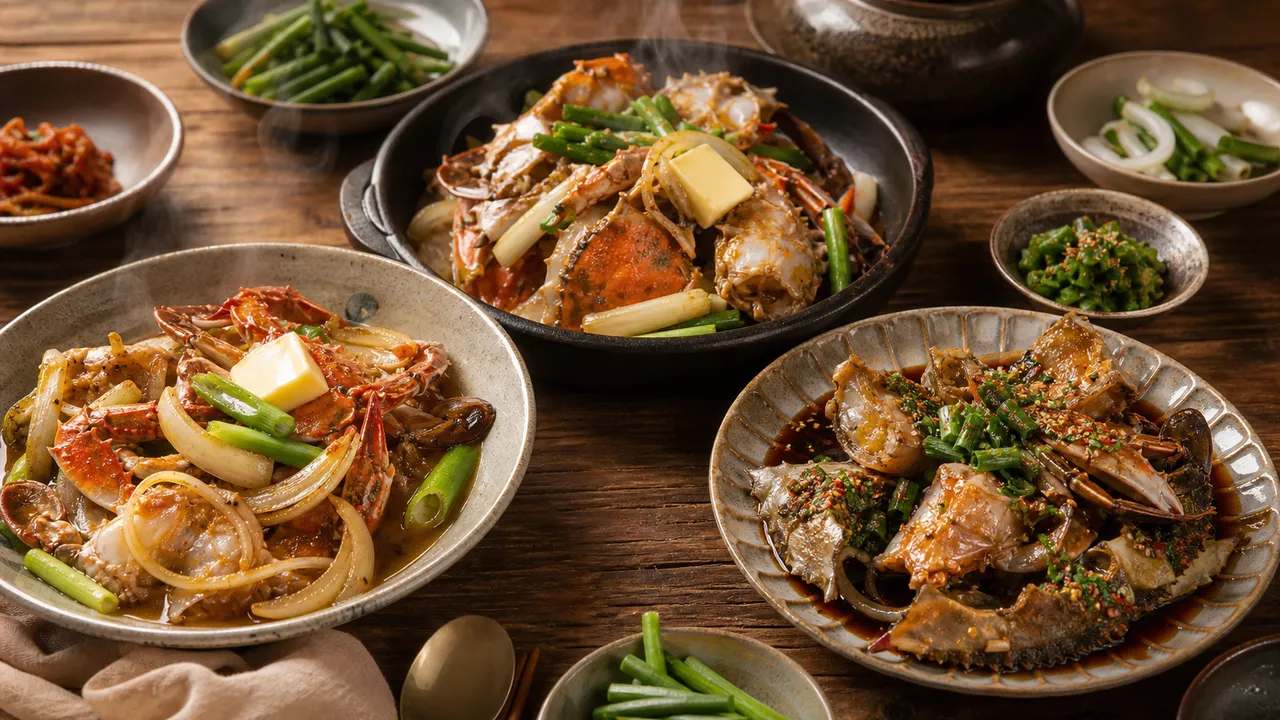
* 이미지는 AI가 생성한 참고 이미지로, 실제 조리 결과물과 다를 수 있습니다.
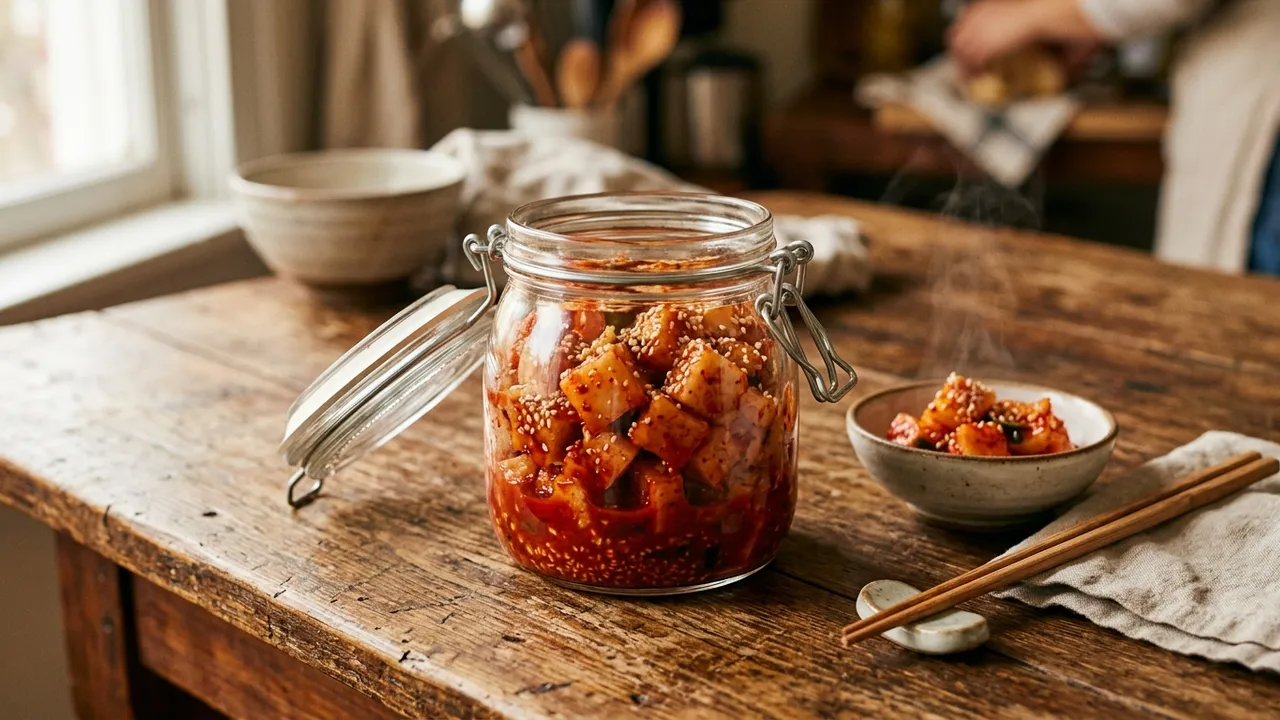
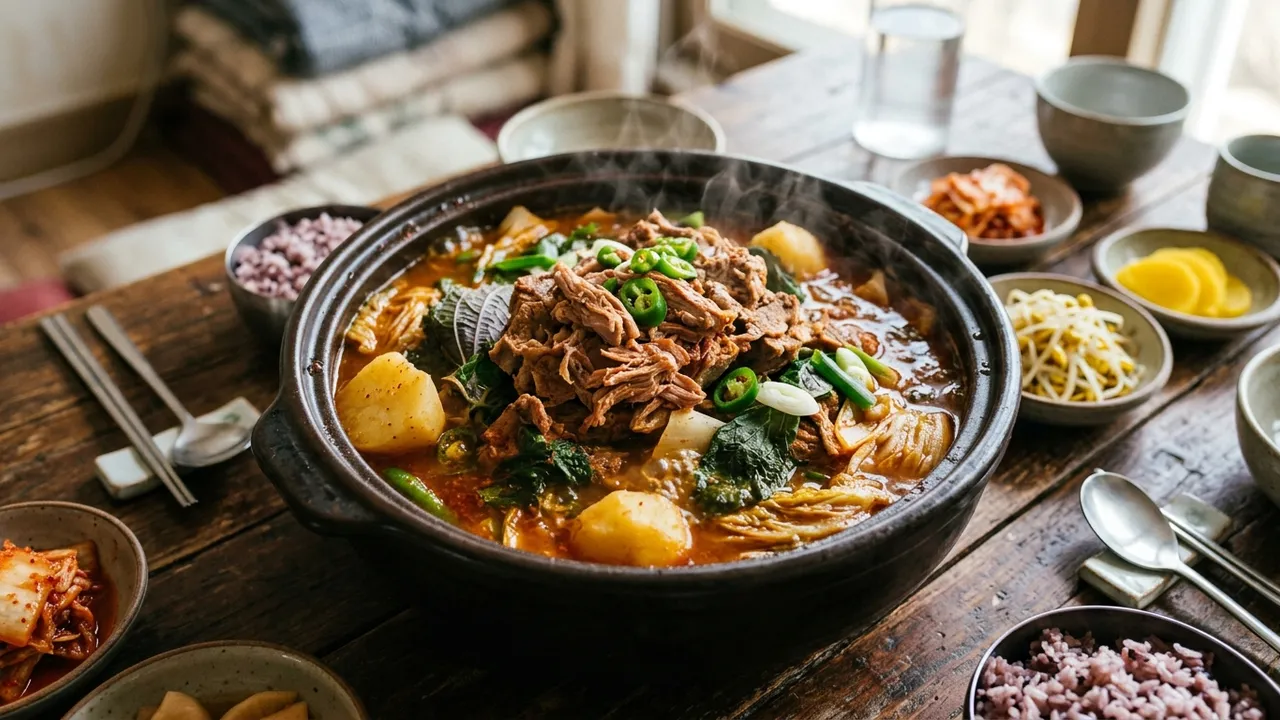
A recipe for Abalone Gomtang, Abalone Kimchi, and Octopus Abalone Claypot Rice, meticulously prepared with a daughter-in-law's love and care.
📋 3 recipes — Select to view
This recipe for clear and savory abalone soup recreates the homemade taste of my mother-in-law's cooking. You can achieve a deep, rich broth in just 30 minutes.
📝 Editor's Notes
Today's 'Easy 30-Minute Abalone Soup' is a nutritious and restorative recipe that allows you to effortlessly recreate your mother-in-law's deep, homemade flavors at home.
Its greatest charm is its clear and savory broth, which boasts a profound taste achievable in just 30 short minutes.
You can make an abalone soup comparable to a fine Korean traditional restaurant without complex procedures, making it a great challenge for even novice cooks.
It's especially wonderful to enjoy with the whole family when you feel low on energy, need a nutritional boost, or crave warm soup on a chilly day.
Its hearty yet light flavor makes it easy on the stomach.
🛒 Ingredient Tips
When choosing abalone, it's important to select those with smooth, shiny shells and plump, firm flesh.
Fresh abalone should actively squirm or move when touched.
Abalone is most nutritious and delicious during its peak season in summer.
Also, check that the innards are intact and not ruptured.
Using high-quality Korean sesame oil (참기름) can further elevate the savory, nutty flavor of the abalone soup.
Rather than clear and transparent sesame oil, one that is slightly cloudy but has a deep aroma is often preferred.
Using sea salt or roasted salt that isn't too salty can help create a cleaner taste for the broth.
🔄 Substitution Guide
If abalone is difficult to find or too expensive, you can substitute with other shellfish.
Scallops or surf clam adductor muscles can provide a similar texture and refreshing taste, but the deep umami flavor unique to abalone may be slightly less pronounced.
Cooking time for adductor muscles is much shorter, so reduce the stir-frying time.
If you have a sesame oil allergy, you can substitute with perilla oil (들기름).
Perilla oil has less of a nutty flavor, but its unique aroma can add depth to the broth.
However, perilla oil has a lower smoke point than sesame oil, so be careful not to stir-fry over too high heat.
You can use regular cooking oil instead of avocado oil, but avocado oil is recommended due to its high smoke point and healthy fats.
Olive oil has a strong aroma, so it's not recommended for abalone soup.
🥘 Ingredients
👨🍳 Cooking Points
The most important cooking points for this recipe are the abalone cleaning and stir-frying processes.
First, utilizing the principle of osmosis by dissolving salt in cold water and soaking the abalone for 5 minutes greatly helps effectively remove impurities and mucus from inside the abalone.
Thanks to this process, the broth becomes clearer and cleaner.
Second, don't forget to soak the abalone in warm water (about 140°F / 60°C) to soften the dark grime.
Thorough cleaning is key to the taste of the abalone soup.
Third, stir-frying the cleaned abalone until lightly golden in a pot with sesame oil (참기름) and avocado oil is a secret to removing its fishy taste and maximizing its savory, nutty aroma.
The key is to gently stir-fry over medium heat to prevent burning.
Finally, pouring in 1 liter of water and boiling over high heat for 30 minutes will extract a deep flavor.
Adjust the salt seasoning to your preference at the end.
👨🍳 Directions
Dissolve salt in cold water, submerge the abalone, and leave for 5 minutes. (This process uses osmosis to remove impurities and mucus from the abalone.)
Discard the salted water, then pour warm water (about 140°F / 60°C) over the abalone. (This process softens the dark grime on the abalone.)
Gently rub the surface of the abalone with your hands or a clean cloth to clean it thoroughly.
Using a spoon, separate the abalone meat from its shell.
Remove the abalone's mouth (tooth) and separate the innards.
Using a knife, remove the sand sac (or digestive tract) from the abalone's innards.
Drizzle a generous amount of sesame oil (참기름) and a little avocado oil (or cooking oil) into a pot. Add the cleaned abalone and stir-fry until lightly golden.
Pour in 1 liter of water and bring to a boil over high heat for 30 minutes.
Season with 1 teaspoon of salt, then bring to a quick boil again before serving.
💡 Tips
When cleaning abalone, it's recommended to dissolve salt in cold water and soak the abalone for 5 minutes. This uses osmosis to effectively remove impurities and mucus.
Pouring warm water (about 140°F / 60°C) over the abalone helps soften its dark grime, making cleaning easier.
Stir-frying abalone in sesame oil (참기름) helps eliminate any fishy odor and adds a savory, nutty flavor.
Adjust the amount of salt to your preference.
📦 Storage & Reuse
Store the finished abalone soup in an airtight container in the refrigerator for 2-3 days.
For longer storage, it's recommended to divide into single servings and freeze.
It can be stored for up to 1 month when frozen.
To best preserve its flavor and aroma, it's better to reheat slowly in a pot over low heat rather than thawing in the refrigerator or microwaving.
You can also add rice to the leftover broth and cook it like porridge, or add kalguksu (칼국수) noodles to make a delicious abalone kalguksu.
Leftover abalone meat can be made into butter-grilled abalone for a beer snack or marinated abalone (전복장) to serve as a side dish.
🥢 Who This Is For
This easy abalone soup is excellent as a nutritious meal for the whole family when feeling weak, tired, or lacking appetite.
It's especially a hearty and easy-to-digest meal for children and the elderly.
Served with a warm bowl of rice, it makes a perfect meal.
Enjoy it with well-fermented kkakdugi (깍두기) (diced radish kimchi), baechu-kimchi (배추김치) (napa cabbage kimchi), and refreshing mul-kimchi (물김치) (water kimchi) to enhance the rich flavor of the abalone soup.
It's also perfect for entertaining guests on special occasions.
🔥 Nutrition Info
One serving of this abalone soup (based on 2-3 abalones) is estimated to be approximately 150-200 kcal.
It contains about 15-20g of high-quality protein from abalone, which is excellent for restoring energy.
It includes about 8-12g of healthy unsaturated fatty acids from sesame oil (참기름) and avocado oil, with very few carbohydrates.
Abalone is rich in taurine, which aids in fatigue recovery and liver function improvement, and arginine, which contributes to strengthening immunity.
It's also rich in B vitamins and minerals such as calcium, phosphorus, and iron, making it excellent for overall health promotion.
Especially as a low-fat, high-protein food, it's a nourishing dish that can be enjoyed guilt-free by those on a diet.
💬 Frequently Asked Questions
- Q. What ingredients do I need for Lee Jung-hyun's Abalone Trio for Her Parents-in-Law?
- Main ingredients include Abalone, Sesame Oil, Avocado Oil (can substitute with cooking oil), Salt, Water. When selecting abalone (전복), choose those that are lively, with smooth, glossy shells. Fresh abalone will be plump and firm to the touch. Live abalone that wiggles when touched and has strong suction is a sign of freshness. You can enjoy fresher and tastier abalone by purchasing it at large supermarkets or fish markets during its peak season, from May to October. Abalone is an excellent tonic food, low in the typical fishy smell of seafood and high in nutrients. Live abalone is especially good as you can enjoy its entrails fresh. This recipe uses 7 abalone; since the serving size isn't explicitly stated, adjust the quantity as needed. For sesame oil (참기름), using high-quality, domestically produced sesame oil with a rich, nutty aroma will further enhance the abalone's flavor.
- Q. What are the key tips for making Lee Jung-hyun's Abalone Trio for Her Parents-in-Law?
- The most important cooking points for this Abalone Gomtang (전복 곰탕) recipe are abalone preparation and stir-frying. First, soaking the abalone in cold saltwater for 5 minutes, utilizing the principle of osmosis, is a secret tip for effectively removing impurities and mucus. Then, soaking it in warm water (around 60°C or 140°F) to soften the black impurities allows for even cleaner preparation. Second, stir-frying the cleaned abalone until lightly browned in sesame oil (참기름) and avocado oil is key to eliminating any fishy smell and enhancing its nutty flavor. Avoid stir-frying over too high heat for too long, as it can make the abalone tough; cook gently over medium heat. Finally, pour in 1 L of water and boil over high heat for 30 minutes to extract the deep flavor of the abalone. Be careful not to boil for too long, as this can toughen the abalone meat; it's best not to exceed 30 minutes. Adjust salt to taste at the end.
- Q. How should I store leftover Lee Jung-hyun's Abalone Trio for Her Parents-in-Law?
- The finished Abalone Gomtang (전복 곰탕) can be stored in an airtight container in the refrigerator for about 2-3 days. When reheating, gently warm it over low heat to prevent the abalone from becoming tough. Freezing is also possible, but the texture of the abalone meat may change slightly. For freezing, divide it into single-serving portions, place in freezer-safe containers, and consume within approximately 1 month. After thawing, reheat by boiling to enjoy warm. If there are any remaining parts after cleaning the abalone, such as entrails or teeth, you can collect the entrails separately to use when making abalone porridge (전복죽) or mince them for fried rice. Make the most of every part of the fresh abalone.
- Q. How many calories are in Lee Jung-hyun's Abalone Trio for Her Parents-in-Law?
- This Abalone Gomtang (전복 곰탕) is made with 7 abalone, so the nutritional information per serving may vary depending on the amount of abalone consumed. Estimating approximately 70-80 kcal per abalone, this Abalone Gomtang provides significant nutrition from the abalone itself. Based on 7 abalone, the total calorie count could range from about 490-560 kcal, with additional calories from the fats in sesame oil (참기름) and avocado oil. Abalone (전복) is particularly rich in protein, aiding in muscle maintenance and cell regeneration. It is also low in fat and abundant in amino acids like arginine and taurine, which are beneficial for fatigue recovery and liver function improvement. Furthermore, it's rich in minerals such as B vitamins, vitamin E, zinc, and iron, contributing to immune system strengthening and anemia prevention. Be mindful of sodium intake due to the salt seasoning. Overall, it can be considered a healthy and highly nutritious tonic food.
- Q. Can I substitute ingredients in Lee Jung-hyun's Abalone Trio for Her Parents-in-Law?
- Abalone (전복) is the key ingredient in this recipe, making substitutions difficult. However, if you wish to use other seafood due to allergies or cost, scallops or mussels can be considered. Scallops offer a tender and mild flavor similar to abalone, but you might miss the unique chewy texture and deep umami of abalone. Mussels have a stronger seafood aroma and umami, with the advantage of being more affordable. In such cases, be aware that cooking times and cleaning methods may differ from abalone. Also, regular cooking oil can be used instead of avocado oil. While avocado oil has a high smoke point and health benefits, regular cooking oil is perfectly adequate for stir-frying abalone. However, sesame oil (참기름) plays a crucial role in removing the abalone's fishy smell and adding a nutty flavor, so substituting it with another oil is not recommended.
💬 Comments
No comments yet. Be the first to comment!