
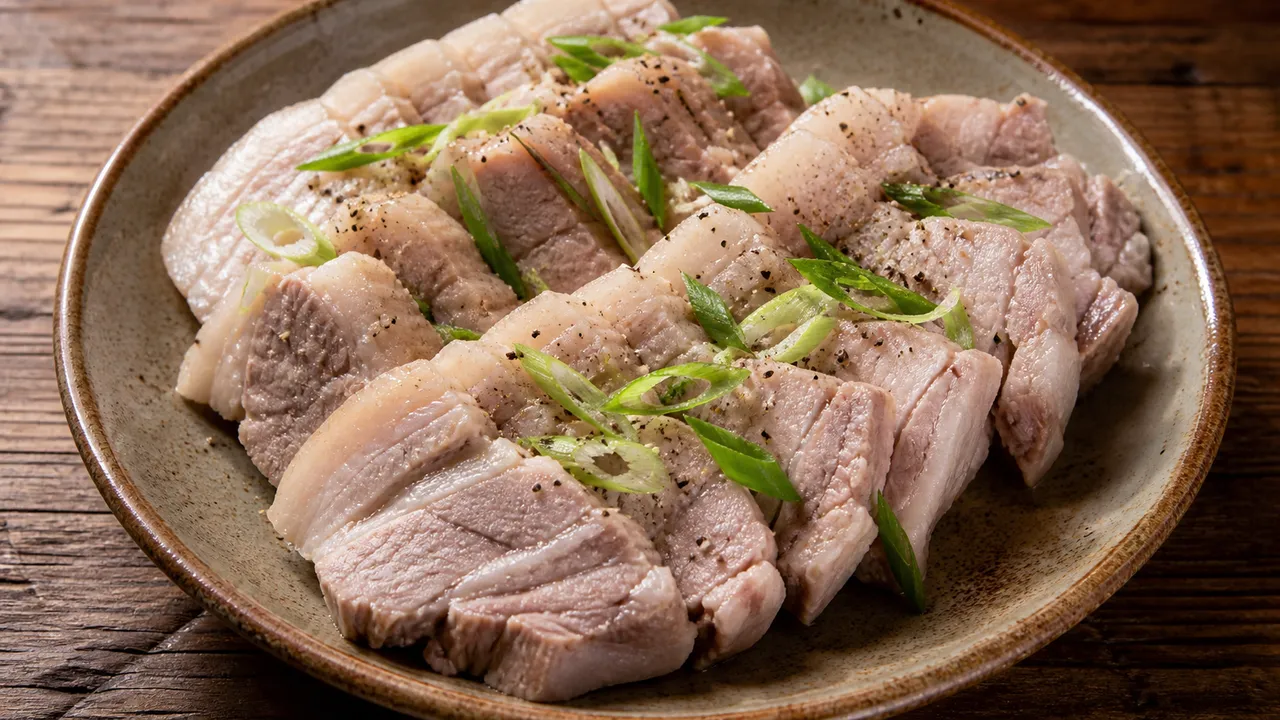
Microwave Super Easy Pork Belly Suyuk Recipe
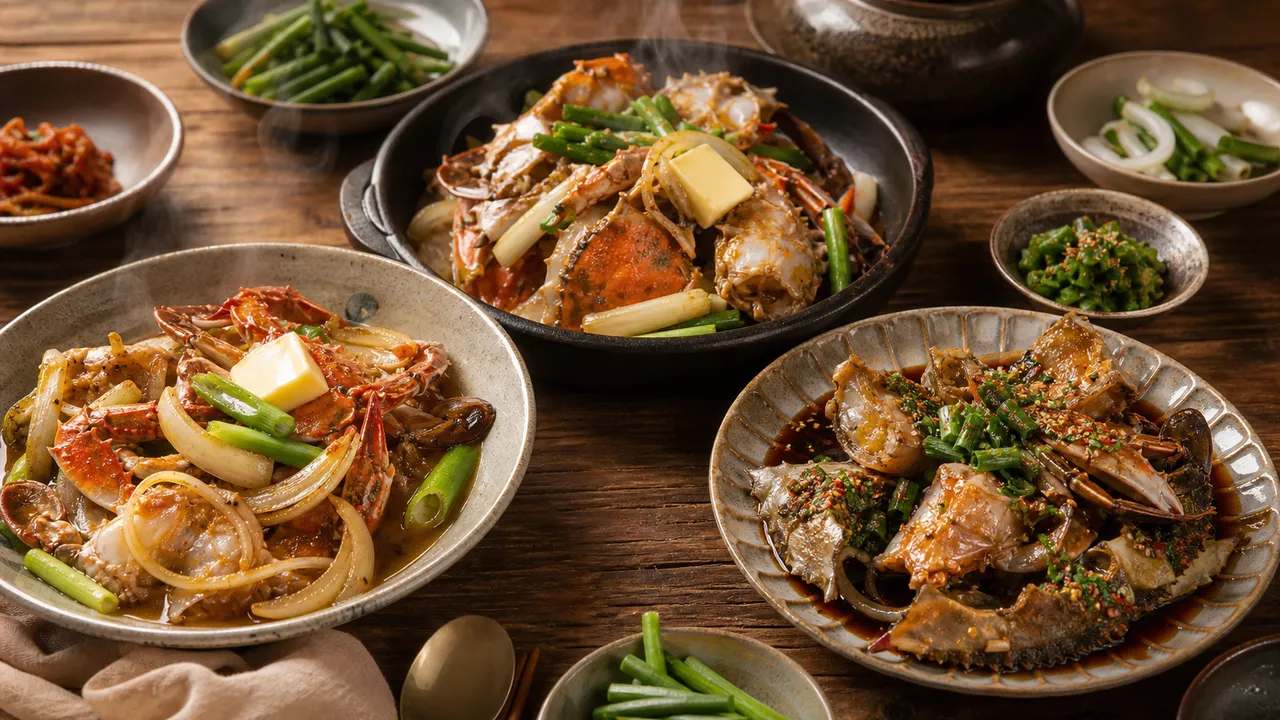
* 이미지는 AI가 생성한 참고 이미지로, 실제 조리 결과물과 다를 수 있습니다.
Just 10 minutes in the microwave and you'll have tender pork belly suyuk (수육) that will surprise even a butcher. This is a super easy recipe that doesn't require a large pot or an hour of waiting.
📋 2 recipes — Select to view
In just 10 minutes in the microwave, you'll have tender suyuk (수육) that even a butcher would be surprised by. This is a super easy recipe that doesn't require a large pot or an hour of waiting.
📝 Editor's Notes
Microwave Easy Pork Belly Suyuk (수육) is a brilliant recipe that makes tender suyuk (수육) in just 10 minutes using the microwave, as the name suggests.
With no complicated steps, you just score the pork belly, season it, and microwave it, making it foolproof even for beginner cooks.
Not only is the texture moist and tender, but the green onions and mirin perfectly eliminate any gamey smell, resulting in an impeccably clean taste.
This is a convenient recipe to enjoy anytime, whether unexpected guests arrive, you're daunted by complex cooking, or you simply crave delicious suyuk (수육) on your own.
🛒 Ingredient Tips
The key ingredient for this recipe is pork belly.
It's important to choose fresh pork belly that is at least 0.8 inches (2cm) thick.
If it's too thin, it may shrink or become tough when microwaved.
Select pork with a bright pink color and white, glossy fat.
Mirin plays a role in removing the gamey smell from pork and enhancing its flavor.
If you don't have mirin at home, cheongju (청주) or soju (소주) can be used as a substitute.
For green onions, choose ones with vivid green leaves and clear white stalks.
The allicin in green onions helps eliminate gamey odors and adds a subtle sweetness.
🔄 Substitution Guide
You can use pork neck (목살) or pork shoulder (앞다리살) instead of pork belly.
Pork neck (목살) has less fat than pork belly, making it suitable for those who prefer a leaner taste, while pork shoulder (앞다리살) is a more budget-friendly option.
However, pork neck (목살) or pork shoulder (앞다리살) might not be as tender as pork belly, so it's a good idea to increase the cooking time by 1-2 minutes or extend the resting time.
If mirin is unavailable, cheongju (청주) or soju (소주) can be substituted; the flavor might be slightly different, but they are effective for removing gamey odors.
If green onions are unavailable, thinly sliced onions can add a subtle sweetness, though they may lack the unique aroma of green onions.
🥘 Ingredients
👨🍳 Cooking Points
There are three key cooking points.
First, when scoring the pork belly, make cuts about 0.4 inches (1cm) apart, about two-thirds of the way through the meat's thickness.
Cutting too deep can cause the meat to fall apart when cooked, while too shallow won't allow the seasoning to penetrate well.
Second, it's crucial to cover the dish carefully with two layers of plastic wrap and pierce 4-5 small holes with a chopstick or knife tip.
This maintains appropriate pressure, allows steam to circulate for moist cooking, and prevents the plastic wrap from bursting.
Finally, letting it rest for 5 minutes with residual heat immediately after microwaving is the 'secret weapon' of this recipe.
This process allows the meat juices to redistribute, resulting in even softer and more moist suyuk (수육).
👨🍳 Directions
Prepare 10.5 oz (300g) of pork belly, at least 0.8 inches (2cm) thick. (Pork belly that is too thin can shrink when cooked, so it's best to choose a thicker cut.)
Place the pork belly on a cutting board and score it about two-thirds of the way through the thickness of the meat, making cuts about 0.4 inches (1cm) apart. (Be careful not to cut all the way through, to prevent the meat from falling apart while cooking.)
Sprinkle salt evenly on both sides of the scored meat, until a light white dusting is visible.
Sprinkle black pepper on both sides of the meat.
After seasoning with salt and pepper, drizzle mirin (or cheongju (청주), soju (소주)) once around on both sides of the meat. (The alcohol in mirin helps remove the gamey smell from pork and allows the seasoning to penetrate deeply.)
Slice one stalk of green onion diagonally and place a generous amount on top of the meat. (The allicin in green onions helps eliminate any gamey odor and adds a subtle sweetness.)
Place the meat in a microwave-safe dish and carefully cover it with two layers of plastic wrap.
Pierce 4-5 small holes in the plastic wrap with a chopstick or the tip of a knife. (If you don't make holes, the pressure can become too strong and the plastic wrap might burst.)
Microwave for 10 minutes. (If your microwave has lower power, cook for up to 12 minutes.)
After 10 (or 12) minutes, do not remove it immediately. Let it rest in the microwave for an additional 5 minutes. (The residual heat will finish cooking the inside, allowing the juices to redistribute within the meat, making it even more moist.)
Remove the suyuk (수육) and carefully wipe away the accumulated oil and broth at the bottom of the dish with a paper towel.
Place it on a cutting board and slice it thickly, about 0.4 inches (1cm) thick. (Slicing it too thin will compromise its texture.)
💡 Tips
To remove the gamey smell from the pork and allow the seasoning to penetrate deeply, it's crucial to score the meat and drizzle with mirin.
Make sure to cover the dish carefully with two layers of plastic wrap and pierce 4-5 holes with a chopstick or knife tip to allow steam to circulate, ensuring the meat cooks moistly.
After microwaving, letting the suyuk (수육) rest for 5 minutes with residual heat allows the juices to redistribute, resulting in even softer and more moist meat.
Eating pork belly with aged kimchi (묵은지) helps supplement essential vitamins and fiber, and the lactic acid bacteria aid in the digestion of fatty pork belly. If aged kimchi (묵은지) is unavailable, regular kimchi or wild garlic leaves (명이나물) can be used as a substitute.
📦 Storage & Reuse
Store any leftover suyuk (수육) in an airtight container in the refrigerator for 2-3 days.
For longer storage, portion it into single servings, freeze, and consume within 2 weeks.
To thaw, either naturally defrost in the refrigerator or briefly microwave.
To reheat, microwave for 1-2 minutes or lightly pan-fry over low heat for warm, moist results.
Leftover suyuk (수육) can also be used in kimchi jjigae (김치찌개) or fried rice, or shredded as a topping for bibim guksu (비빔국수) for a special treat.
🥢 Who This Is For
This suyuk (수육) is highly recommended for busy working parents, those living alone, or beginner cooks.
It can be prepared quickly without complex steps, making it perfect for a weeknight dinner.
It's also great as a special weekend meal for the whole family.
Served with aged kimchi (묵은지), kimchi, or wild garlic leaves (명이나물), it becomes a wonderful, well-balanced meal, both delicious and nutritious.
It pairs perfectly with a refreshing glass of makgeolli (막걸리) or soju (소주).
🔥 Nutrition Info
One serving (based on 10.5 oz (300g) of pork belly) of this Microwave Easy Pork Belly Suyuk (수육) is estimated to be approximately 1,200-1,500 kcal.
Pork belly has a high fat content, so it is high in calories.
It is estimated to contain about 45-55g of protein, 120-150g of fat, and less than 5g of carbohydrates.
Pork is rich in Vitamin B1, which is good for fatigue recovery, and also contains minerals like iron and zinc.
Green onions are rich in nutrients such as Vitamin C, calcium, and iron, and their allicin content helps improve blood circulation and boost immunity.
However, since the fat intake is high, consuming it with aged kimchi (묵은지) or other vegetables will help supplement dietary fiber and vitamins and aid in digestion.
💬 Frequently Asked Questions
- Q. What ingredients do I need for Microwave Super Easy Pork Belly Suyuk?
- Main ingredients include Pork Belly (at least 2 cm thick), Salt, Black pepper, Mirin (or Cheongju (청주), Soju (소주)), Green onion (scallion), diagonally sliced. Pork belly is the most crucial ingredient that determines the taste of suyuk. The key to this recipe is using pork belly that is at least 2 cm thick, as thin pork belly can shrink and have a less satisfying texture when cooked. It's best to ask your butcher for 'suyuk-용 (for suyuk)' pork belly, cut thickly. Choose meat with a good balance of fat and lean meat for a more tender and savory flavor. For green onions, choose fresh ones with vibrant green leaves. Avoid those with withered or yellowed leaves.
- Q. What are the key tips for making Microwave Super Easy Pork Belly Suyuk?
- There are three key points to this recipe. First, scoring the pork belly and seasoning it with mirin. Make score marks about 2/3 of the way through the meat's thickness, spaced 1 cm apart. This allows the seasoning to penetrate well and helps the meat cook tenderly while maintaining its shape. Mirin is essential for removing gamey pork smells and enhancing flavor. Second, carefully cover the dish with two layers of plastic wrap and poke 4-5 holes. This ensures proper steam circulation, keeping the meat moist as it cooks. Third, 'resting' the suyuk for 5 minutes after microwaving. Allowing it to rest with residual heat finishes cooking the inside and redistributes the juices, resulting in much more tender and moist suyuk. Remember these three points, and you'll be able to make delicious suyuk without fail.
- Q. How should I store leftover Microwave Super Easy Pork Belly Suyuk?
- Finished suyuk can be stored in an airtight container in the refrigerator for 2-3 days. When reheating, you can warm it slightly in the microwave or crisp up the outside in an air fryer for a delicious texture. Leftover suyuk can be thinly sliced and added to kimchi fried rice or finely minced and used as a filling for dumplings. For freezing, divide into single-serving portions, seal tightly, and consume within 2 weeks. When reheating after thawing, it's good to add a small amount of water or broth to maintain moisture.
- Q. How many calories are in Microwave Super Easy Pork Belly Suyuk?
- Based on 1 serving (using 300g of pork belly) for this Microwave Super Easy Pork Belly Suyuk, it is estimated to contain approximately 800-900 kcal. Pork belly is high in fat, making it calorie-dense, with an estimated protein content of about 45-50g and fat content of about 70-80g. A small amount of carbohydrates may be consumed from the green onions and mirin used, but they are not the main nutrients. Pork is rich in Vitamin B1, which helps combat fatigue, and also contains minerals such as zinc and iron. Pairing it with aged kimchi (묵은지), kimchi, or wild garlic leaves (명이나물) can supplement lacking Vitamin C and dietary fiber, helping to balance nutrition.
- Q. Can I substitute ingredients in Microwave Super Easy Pork Belly Suyuk?
- You can use pork neck (목살) instead of pork belly. Pork neck has less fat than pork belly, making it a good choice for those who prefer a leaner taste, but it can become dry when microwaved, so it's important to slightly reduce the cooking time or increase the resting time to preserve its juiciness. If you don't have mirin, Cheongju (청주) or Soju (소주) can be substituted, as their alcohol content helps remove gamey smells. If green onions are unavailable, you can use onions or garlic, but the unique refreshing and sweet aroma of green onions may be somewhat diminished. Instead of aged kimchi (묵은지), regular napa cabbage kimchi or wild garlic leaves (명이나물) can be served, each offering different flavors and textures to enjoy with the suyuk.
💬 Comments
No comments yet. Be the first to comment!