
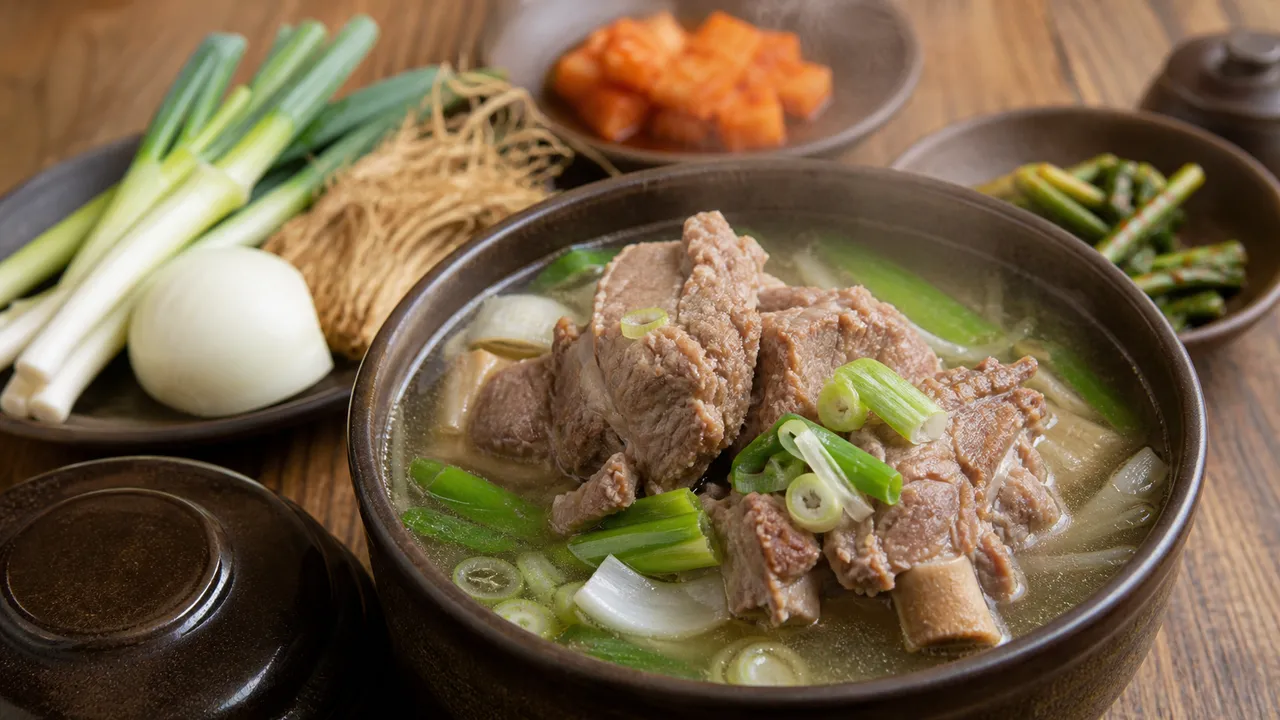
Hearty and Deep-Flavored Pork Back Bone Galbitang (갈비탕)
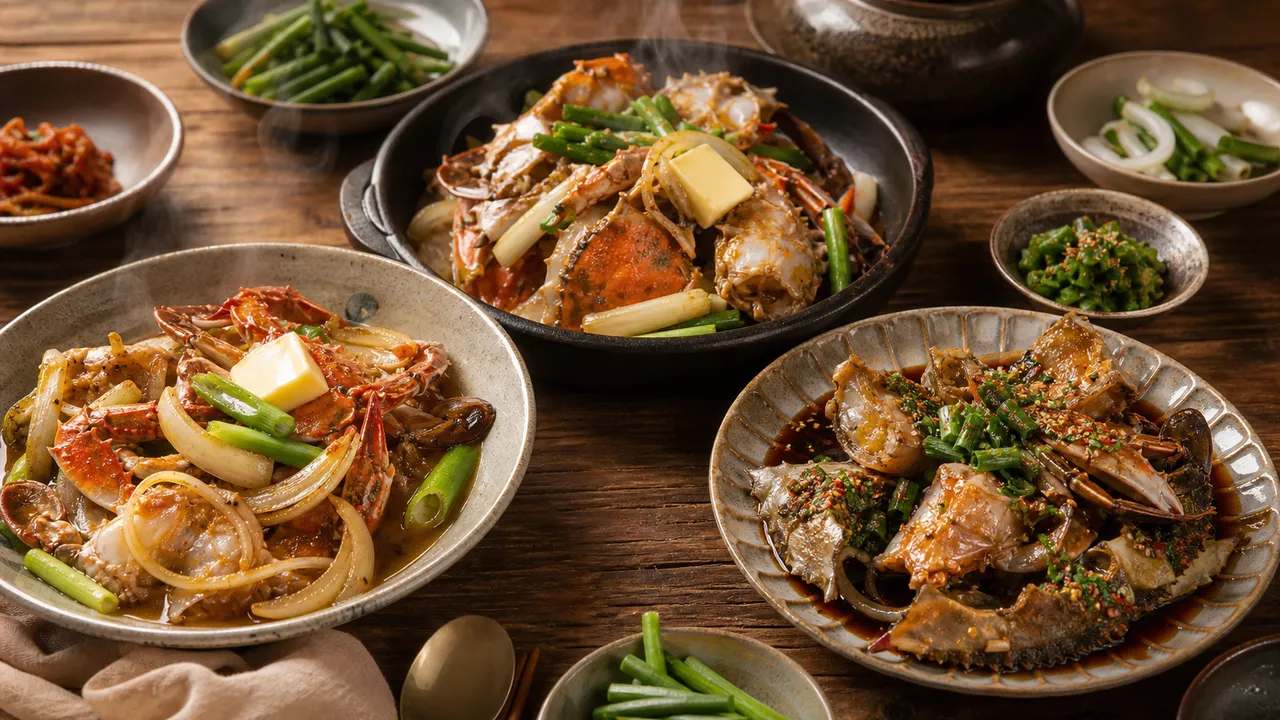
* 이미지는 AI가 생성한 참고 이미지로, 실제 조리 결과물과 다를 수 있습니다.
This is a special galbitang made with pork back bones instead of expensive beef galbitang. Anyone can easily achieve a deep flavor, and it makes an even more wonderful meal when served with gimjang kimchi (김장김치).
📝 Editor's Notes
This recipe presents a hearty and deeply flavored galbitang (갈비탕) made with pork back bones instead of expensive beef galbitang.
It is characterized by its process of removing the unique gamey odor of pork back bones and achieving tender meat and a rich broth through thorough blood removal, parboiling, and long simmering.
Detailed tips are provided so anyone can easily create a deep umami flavor without special skills.
It's perfect for the whole family, especially as a hearty restorative meal on chilly days, and makes an even more abundant meal when served with gimjang kimchi (김장김치).
Although the cooking time is long, you'll experience a deep, heartfelt flavor.
🛒 Ingredient Tips
The freshness of pork back bones is paramount.
Choose ones that are bright reddish-pink, glossy, and firm.
It's best to select bones with plenty of meat attached, and avoid old bones which can have a gamey odor.
When purchasing at a supermarket or butcher shop, ensure there's enough meat between the back bones for a more generous galbitang (갈비탕).
Dried green onion roots impart a deeper and more refreshing flavor, but if unavailable, adding a generous amount of regular green onions is fine.
For whole garlic, choose firm cloves that are not too small and have clean skins.
🔄 Substitution Guide
If you use beef back bones instead of pork back bones, you can enjoy a more luxurious beef galbitang (갈비탕), but the disadvantage is that it's much more expensive.
The taste will be richer and have the unique tender flavor of beef, but the cooking process will be almost the same.
If back bones are difficult to find or if you prefer lean meat, you can use whole chunks of pork neck or front leg meat.
In this case, the simmering time may be slightly reduced, and the focus will be more on the tender texture of the meat rather than the deep flavor extracted from the bones.
If you don't have dried green onion roots, you can add a generous amount of the white parts of regular green onions or simmer with daikon radish pieces to add a refreshing taste.
Using a small amount of fish sauce (액젓) instead of oyster sauce can enhance umami, but be mindful of the quantity as it can impart a distinct aroma.
🥘 Ingredients
👨🍳 Cooking Points
The first and most important point in this recipe is blood removal.
You must perfectly remove the blood from 8.8 lbs of pork back bones by soaking them in cold water for at least 2 hours to avoid any gamey odor and achieve a clean broth.
Don't forget to change the water once or twice in between.
The second point is cleaning the back bones after parboiling.
After parboiling for 10 minutes, carefully rub the back bones by hand under running water to remove any impurities and bone fragments.
This step is crucial for the clarity and taste of the broth.
Finally, it's essential to simmer deeply for 3 to 4 hours with aromatic vegetables like green onions and onions to ensure the meat separates tenderly from the bones and the broth develops a rich flavor.
Remember to periodically skim off impurities and oil during this process.
👨🍳 Directions
Soak 8.8 lbs of pork back bones in cold water for at least 1 hour to remove blood. Once blood comes out, change the water and soak again for at least 1 more hour to completely remove the blood.
Place the blood-free pork back bones in a large pot, pour in water, and parboil for about 10 minutes until vigorously boiling. There's no need to skim off any impurities that float to the surface at this stage.
Drain the parboiled pork back bones and water into a colander. Rub the back bones by hand under running water to thoroughly clean off any small bone fragments and impurities. Clean the large pot as well.
Put the cleaned pork back bones back into the large pot and fill it with water. Add 2 stalks of green onions, 2 onions, a handful of dried green onion roots, a handful of whole garlic, a suitable amount of whole black peppercorns, and 1 cup of soju (소주). Simmer deeply for about 3 to 4 hours.
During boiling, periodically skim off any impurities and oil that rise to the surface.
Once the broth has developed a rich flavor, season it by adding 1 tbsp of oyster sauce, a suitable amount of soy sauce, a suitable amount of fine sea salt, and a small amount of dashida (다시다) beef seasoning powder.
Gently place the pork back bones and pre-soaked glass noodles in an earthenware pot (ttukbaegi (뚝배기)), pour in the broth, and bring it to a boil once more.
When the soup boils, sprinkle with a suitable amount of chopped green onions and black pepper powder to finish.
💡 Tips
To prevent any gamey odor, make sure to soak pork back bones in cold water for at least 2 hours to completely remove the blood.
After parboiling, thoroughly remove any impurities and bone fragments attached to the back bones under running water. This ensures a clean and odorless broth.
Simmering deeply for 3 to 4 hours with green onions, onions, dried green onion roots, whole garlic, whole black peppercorns, and soju (소주) is essential for the meat to separate easily from the bones and become tender.
Periodically skimming off impurities and oil during boiling will result in a much cleaner and lighter broth.
For a spicier flavor, add Cheongyang chili peppers (청양고추) or gochugaru (고춧가루) to your liking, or enjoy it by dipping the meat in a soy sauce and mustard dip for an even better taste.
📦 Storage & Reuse
The finished Pork Back Bone Galbitang (갈비탕) can be stored in an airtight container in the refrigerator for about 3-4 days.
Storing the broth and back bones separately can keep them fresh longer.
For long-term storage, it is recommended to portion them into individual servings and freeze.
When frozen, they can be kept for approximately 1-2 months.
To reheat, simmer refrigerated portions in a pot over medium heat until thoroughly hot.
For frozen portions, thaw them in the refrigerator beforehand or defrost in a microwave before simmering in a pot.
Leftover meat from the back bones can be shredded and used in fried rice or added to kimchi jjigae (김치찌개) for another delicious dish.
🥢 Who This Is For
This hearty Pork Back Bone Galbitang (갈비탕) is an excellent dish for the whole family to enjoy.
It is highly recommended as a substantial restorative meal, especially during transitional seasons when energy levels might drop or in cold winter months.
It's also perfect for entertaining guests, and preparing it as a special weekend meal will surely satisfy everyone.
The best accompaniments are well-fermented gimjang kimchi (김장김치) or kkakdugi (깍두기).
You can also enjoy it by dipping the meat in a spicy dipping sauce, or mixing rice into the soup for a filling meal.
When serving to children, it's good to season it less intensely.
🔥 Nutrition Info
Based on 8.8 lbs of pork back bones, this Pork Back Bone Galbitang (갈비탕) provides a generous amount of protein and fat.
While precise nutritional values per serving vary depending on the cooking and consumption amount, an estimated calorie count for one serving (approx.
1.1 lb / 500g) could be around 400-500 kcal.
Protein is estimated at about 30-40g, fat at 25-35g, and carbohydrates (including soaked glass noodles and vegetables) at approximately 15-20g.
Pork back bones are rich in B vitamins (especially B1, B2), aiding in fatigue recovery, and also contain minerals like iron and zinc.
Simmering for a long time allows for the intake of calcium and collagen extracted from the bones, which can have a positive effect on joint health.
However, the fat content can be somewhat high, so it's advisable to sufficiently remove the oil during cooking.
💬 Frequently Asked Questions
- Q. What ingredients do I need for Hearty and Deep-Flavored Pork Back Bone Galbitang (갈비탕)?
- Main ingredients include Pork Back Bones, Water, Green Onions (for boiling), Onions (for boiling), Dried Green Onion Roots. The freshness of pork back bones is paramount. Choose ones that are bright reddish-pink, glossy, and firm. It's best to select bones with plenty of meat attached, and avoid old bones which can have a gamey odor. When purchasing at a supermarket or butcher shop, ensure there's enough meat between the back bones for a more generous galbitang (갈비탕). Dried green onion roots impart a deeper and more refreshing flavor, but if unavailable, adding a generous amount of regular green onions is fine. For whole garlic, choose firm cloves that are not too small and have clean skins.
- Q. What are the key tips for making Hearty and Deep-Flavored Pork Back Bone Galbitang (갈비탕)?
- The first and most important point in this recipe is blood removal. You must perfectly remove the blood from 8.8 lbs of pork back bones by soaking them in cold water for at least 2 hours to avoid any gamey odor and achieve a clean broth. Don't forget to change the water once or twice in between. The second point is cleaning the back bones after parboiling. After parboiling for 10 minutes, carefully rub the back bones by hand under running water to remove any impurities and bone fragments. This step is crucial for the clarity and taste of the broth. Finally, it's essential to simmer deeply for 3 to 4 hours with aromatic vegetables like green onions and onions to ensure the meat separates tenderly from the bones and the broth develops a rich flavor. Remember to periodically skim off impurities and oil during this process.
- Q. How should I store leftover Hearty and Deep-Flavored Pork Back Bone Galbitang (갈비탕)?
- The finished Pork Back Bone Galbitang (갈비탕) can be stored in an airtight container in the refrigerator for about 3-4 days. Storing the broth and back bones separately can keep them fresh longer. For long-term storage, it is recommended to portion them into individual servings and freeze. When frozen, they can be kept for approximately 1-2 months. To reheat, simmer refrigerated portions in a pot over medium heat until thoroughly hot. For frozen portions, thaw them in the refrigerator beforehand or defrost in a microwave before simmering in a pot. Leftover meat from the back bones can be shredded and used in fried rice or added to kimchi jjigae (김치찌개) for another delicious dish.
- Q. How many calories are in Hearty and Deep-Flavored Pork Back Bone Galbitang (갈비탕)?
- Based on 8.8 lbs of pork back bones, this Pork Back Bone Galbitang (갈비탕) provides a generous amount of protein and fat. While precise nutritional values per serving vary depending on the cooking and consumption amount, an estimated calorie count for one serving (approx. 1.1 lb / 500g) could be around 400-500 kcal. Protein is estimated at about 30-40g, fat at 25-35g, and carbohydrates (including soaked glass noodles and vegetables) at approximately 15-20g. Pork back bones are rich in B vitamins (especially B1, B2), aiding in fatigue recovery, and also contain minerals like iron and zinc. Simmering for a long time allows for the intake of calcium and collagen extracted from the bones, which can have a positive effect on joint health. However, the fat content can be somewhat high, so it's advisable to sufficiently remove the oil during cooking.
- Q. Can I substitute ingredients in Hearty and Deep-Flavored Pork Back Bone Galbitang (갈비탕)?
- If you use beef back bones instead of pork back bones, you can enjoy a more luxurious beef galbitang (갈비탕), but the disadvantage is that it's much more expensive. The taste will be richer and have the unique tender flavor of beef, but the cooking process will be almost the same. If back bones are difficult to find or if you prefer lean meat, you can use whole chunks of pork neck or front leg meat. In this case, the simmering time may be slightly reduced, and the focus will be more on the tender texture of the meat rather than the deep flavor extracted from the bones. If you don't have dried green onion roots, you can add a generous amount of the white parts of regular green onions or simmer with daikon radish pieces to add a refreshing taste. Using a small amount of fish sauce (액젓) instead of oyster sauce can enhance umami, but be mindful of the quantity as it can impart a distinct aroma.
💬 Comments
No comments yet. Be the first to comment!