
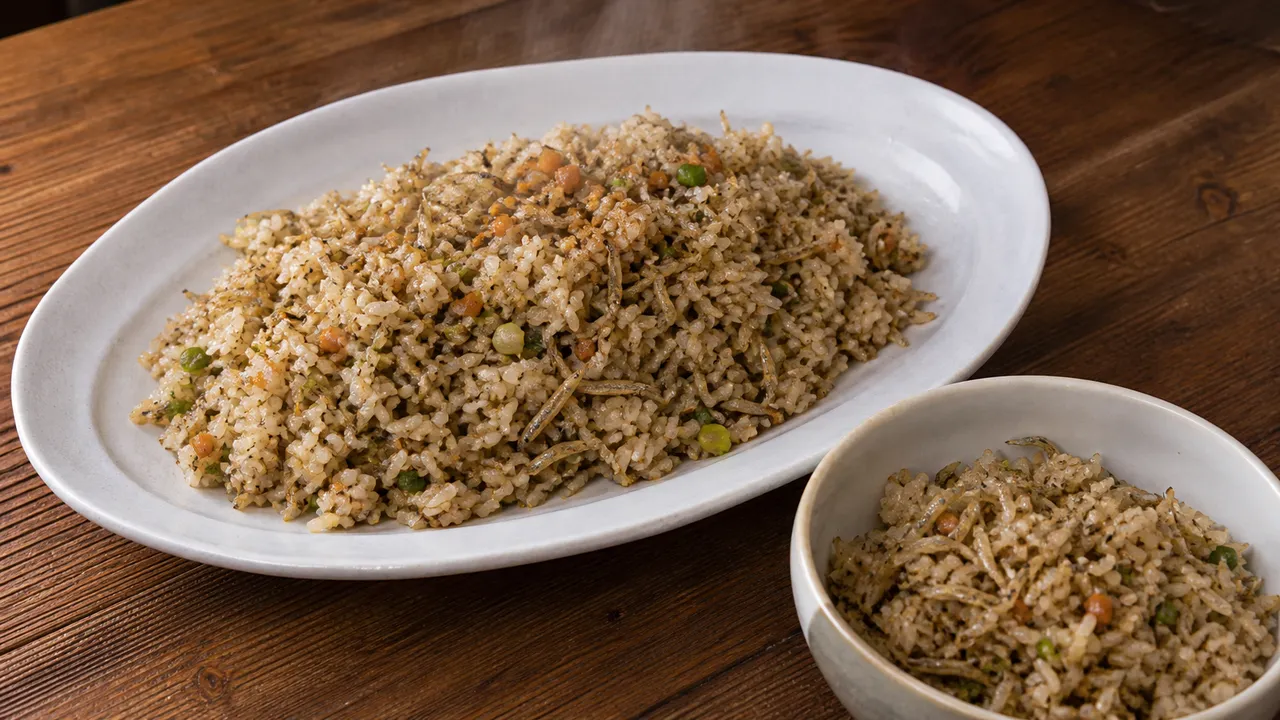
Savory Stir-fried Anchovies (Myulchi Bokkeum) Kids Love: The
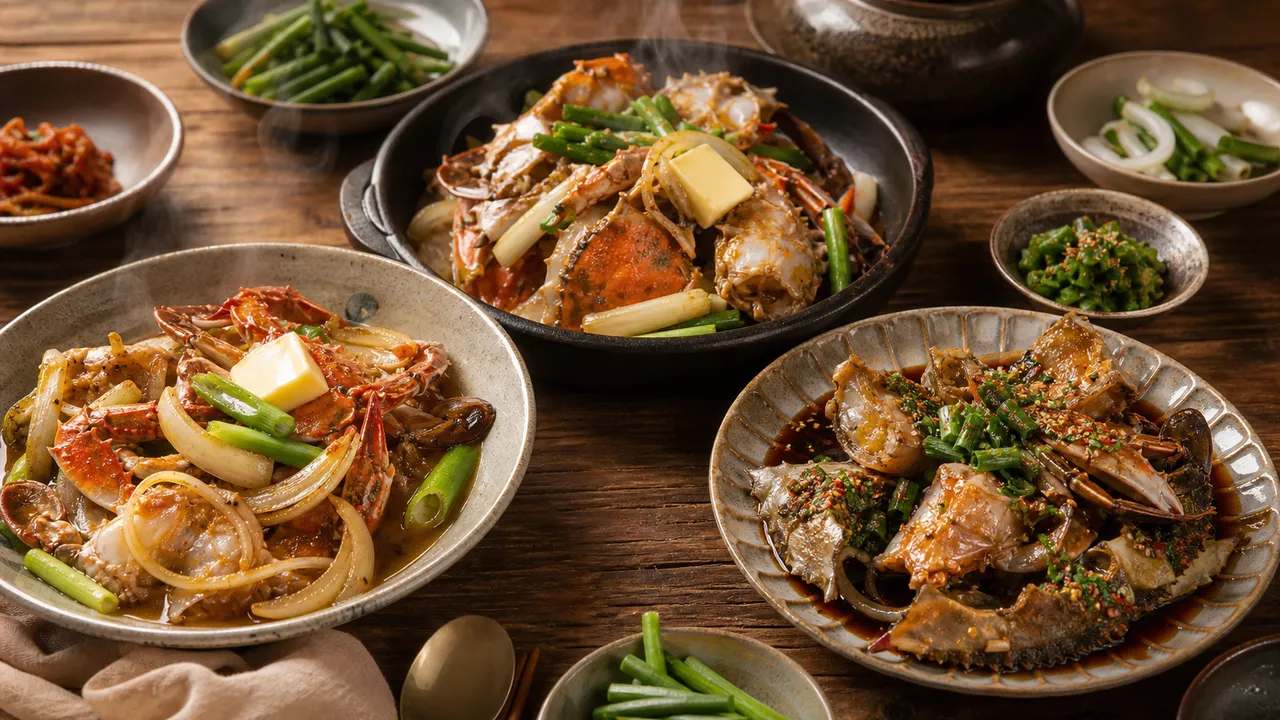
* 이미지는 AI가 생성한 참고 이미지로, 실제 조리 결과물과 다를 수 있습니다.
A super simple Korean side dish (banchan) made by stir-frying nutritious small anchovies (jiryeolchi) and savory nuts! We're introducing the golden recipe for this crispy and savory dish that even kids love.
📝 Editor's Notes
This savory Myulchi Bokkeum, loved by kids, is a super simple side dish that can be completed in about 20 minutes, using small anchovies (jiryeolchi) and nuts as main ingredients.
It features a crispy and savory taste, perfect for serving over warm rice or using as an ingredient for rice balls.
It's especially beneficial for growing children, aiding in calcium intake, and with the added nutrition from nuts, it's a healthy side dish for the whole family to enjoy.
It's an attractive menu item that will enrich your dining table all year round.
🛒 Ingredient Tips
Small anchovies (jiryeolchi) are tiny and soft, making them easy for children to eat.
When choosing anchovies, it's important to select those with a silvery sheen, minimal fishy odor, and intact, unbroken shapes.
Avoid overly salty anchovies, and it's good to taste them slightly to adjust the seasoning.
Using fresh nuts is key to maximizing their savory flavor; choose nuts that are not rancid and are plump.
Mixing various nuts like almonds, walnuts, pumpkin seeds, and sunflower seeds can balance taste and nutrition.
🔄 Substitution Guide
You can use medium-sized anchovies (janmyulchi) instead of small anchovies (jiryeolchi).
Janmyulchi are slightly larger than jiryeolchi but are still soft and well-suited for stir-frying.
While the taste won't change significantly, the texture might be a bit chewier than jiryeolchi.
Nuts can be substituted with other types based on allergies or preference.
For example, peanuts or cashews can also provide a savory flavor.
If you don't have nuts, you can add a small amount of dried fruits like raisins or cranberries for a unique sweet touch.
However, dried fruits should not be stir-fried; add them when mixing with the sauce.
Minced garlic can be omitted for children who dislike its flavor.
You can still make delicious Myulchi Bokkeum without it.
🥘 Ingredients
👨🍳 Cooking Points
The most crucial cooking point is to stir-fry the anchovies and nuts separately.
Lightly stir-fry the anchovies in a dry pan over low heat for only 30 seconds to 1 minute to remove moisture and fishy odor.
Remember, stir-frying over high heat will make them tough.
It's also important to lightly stir-fry the nuts over low heat to enhance their savory flavor.
The second point is to boil the sauce first.
Mixing rice syrup, mirin, soy sauce, sugar, and minced garlic and bringing them to a boil allows the seasoning to be absorbed better, adding depth to the flavor.
Finally, when mixing the anchovies and nuts into the sauce, do not stir-fry for too long to maintain their crispy texture.
👨🍳 Directions
Heat a dry pan over low heat. Without oil, lightly stir-fry 7 oz (200g) small anchovies (jiryeolchi) for 30 seconds to 1 minute to remove moisture and fishy odor. Transfer to a plate. (Be careful not to stir-fry over high heat, as the anchovies will become tough.)
In the same pan, add 2.8 oz (80g) mixed nuts and lightly stir-fry over low heat to enhance their nutty flavor. Transfer to a plate.
Combine the stir-fried anchovies and nuts in a bowl and set aside.
In a new pan, add 5 tbsp rice syrup (mullyeot), 2 tbsp mirin (matsul), 1/2 tbsp soy sauce (ganjang), 1/2 tbsp sugar, and 1/2 tbsp minced garlic. Mix well and cook until the sauce comes to a boil.
Once the sauce boils, reduce the heat to low, add the prepared anchovies and nuts, and mix well until they are evenly coated with the sauce. (Do not stir-fry for too long.)
Turn off the heat, add 2 tbsp sesame oil (chamgireum) and 2 tbsp toasted sesame seeds (tongkkae), and mix well again.
Serve the finished Myulchi Bokkeum in a nice dish. (It's great with rice balls or mixed with rice.)
💡 Tips
Depending on the saltiness of the anchovies, you can adjust or omit the soy sauce. Check the anchovies' saltiness before mixing the sauce with them. Minced garlic can also be omitted for children who dislike the smell of garlic.
You can choose any nuts you like, such as walnuts, almonds, pumpkin seeds, or sunflower seeds. Stir-frying them separately makes them even more savory and crispy. It's best to stir-fry them separately because they won't cook properly if stir-fried with the small anchovies.
By bringing the sauce ingredients (rice syrup, mirin, soy sauce, sugar, minced garlic) to a boil before adding the anchovies and nuts, the seasoning will be absorbed better, resulting in a richer, nuttier flavor.
To prevent the Myulchi Bokkeum from hardening or becoming stiff, turn off the heat just before it's done and mix in 1 tbsp mayonnaise. If you want more sweetness, it's better to add more rice syrup instead of sugar. (Too much sugar can make the Myulchi Bokkeum stiff.)
📦 Storage & Reuse
Once prepared, the Myulchi Bokkeum can be stored in an airtight container in the refrigerator for about 5-7 days.
If you plan to store it for longer, portioning it out and freezing it is a good method.
It can be kept in the freezer for up to about a month.
When ready to eat, thaw naturally in the refrigerator or warm slightly in the microwave for a more delicious taste.
Leftover Myulchi Bokkeum can be mixed with rice, used as a filling for Gimbap, or added to warm rice balls for a hearty snack or meal.
Store any remaining nuts in an airtight container in a cool, dry place for future use in other dishes.
🥢 Who This Is For
This savory Myulchi Bokkeum is especially recommended for families with growing children.
The calcium from the anchovies and the unsaturated fatty acids from the nuts are beneficial for children's growth.
It's also an excellent side dish for busy working mothers or those living alone.
Served with warm, freshly cooked white rice, you'll finish a whole bowl in no time.
It's also a delightful treat when made into rice balls with dried seaweed flakes and sesame oil.
Paired with spicy Kimchi Jjigae (kimchi stew) or refreshing Kongnamul Guk (bean sprout soup), it will make for an even richer meal.
🔥 Nutrition Info
This Myulchi Bokkeum recipe, when prepared for approximately 4 servings, is estimated to contain about 250-300 kcal per serving.
You can expect to consume approximately 15-20g of protein, 15-20g of fat, and 15-20g of carbohydrates.
Notably, anchovies are rich in calcium, which contributes to bone health, and nuts are abundant in unsaturated fatty acids, Vitamin E, and dietary fiber, beneficial for cardiovascular and gut health.
Given the sodium content from soy sauce and sugars from rice syrup and sugar, it's best to enjoy in moderation rather than excessive consumption.
It's a highly nutritious and healthy side dish.
💬 Frequently Asked Questions
- Q. What ingredients do I need for Savory Stir-fried Anchovies (Myulchi Bokkeum) Kids Love: The Golden Recipe?
- Main ingredients include Small anchovies (jiryeolchi), Soy sauce (ganjang), Rice syrup (mullyeot), Mirin (matsul), Sesame oil (chamgireum). Small anchovies (jiryeolchi) are tiny and soft, making them easy for children to eat. When choosing anchovies, it's important to select those with a silvery sheen, minimal fishy odor, and intact, unbroken shapes. Avoid overly salty anchovies, and it's good to taste them slightly to adjust the seasoning. Using fresh nuts is key to maximizing their savory flavor; choose nuts that are not rancid and are plump. Mixing various nuts like almonds, walnuts, pumpkin seeds, and sunflower seeds can balance taste and nutrition.
- Q. What are the key tips for making Savory Stir-fried Anchovies (Myulchi Bokkeum) Kids Love: The Golden Recipe?
- The most crucial cooking point is to stir-fry the anchovies and nuts separately. Lightly stir-fry the anchovies in a dry pan over low heat for only 30 seconds to 1 minute to remove moisture and fishy odor. Remember, stir-frying over high heat will make them tough. It's also important to lightly stir-fry the nuts over low heat to enhance their savory flavor. The second point is to boil the sauce first. Mixing rice syrup, mirin, soy sauce, sugar, and minced garlic and bringing them to a boil allows the seasoning to be absorbed better, adding depth to the flavor. Finally, when mixing the anchovies and nuts into the sauce, do not stir-fry for too long to maintain their crispy texture.
- Q. How should I store leftover Savory Stir-fried Anchovies (Myulchi Bokkeum) Kids Love: The Golden Recipe?
- Once prepared, the Myulchi Bokkeum can be stored in an airtight container in the refrigerator for about 5-7 days. If you plan to store it for longer, portioning it out and freezing it is a good method. It can be kept in the freezer for up to about a month. When ready to eat, thaw naturally in the refrigerator or warm slightly in the microwave for a more delicious taste. Leftover Myulchi Bokkeum can be mixed with rice, used as a filling for Gimbap, or added to warm rice balls for a hearty snack or meal. Store any remaining nuts in an airtight container in a cool, dry place for future use in other dishes.
- Q. How many calories are in Savory Stir-fried Anchovies (Myulchi Bokkeum) Kids Love: The Golden Recipe?
- This Myulchi Bokkeum recipe, when prepared for approximately 4 servings, is estimated to contain about 250-300 kcal per serving. You can expect to consume approximately 15-20g of protein, 15-20g of fat, and 15-20g of carbohydrates. Notably, anchovies are rich in calcium, which contributes to bone health, and nuts are abundant in unsaturated fatty acids, Vitamin E, and dietary fiber, beneficial for cardiovascular and gut health. Given the sodium content from soy sauce and sugars from rice syrup and sugar, it's best to enjoy in moderation rather than excessive consumption. It's a highly nutritious and healthy side dish.
- Q. Can I substitute ingredients in Savory Stir-fried Anchovies (Myulchi Bokkeum) Kids Love: The Golden Recipe?
- You can use medium-sized anchovies (janmyulchi) instead of small anchovies (jiryeolchi). Janmyulchi are slightly larger than jiryeolchi but are still soft and well-suited for stir-frying. While the taste won't change significantly, the texture might be a bit chewier than jiryeolchi. Nuts can be substituted with other types based on allergies or preference. For example, peanuts or cashews can also provide a savory flavor. If you don't have nuts, you can add a small amount of dried fruits like raisins or cranberries for a unique sweet touch. However, dried fruits should not be stir-fried; add them when mixing with the sauce. Minced garlic can be omitted for children who dislike its flavor. You can still make delicious Myulchi Bokkeum without it.
💬 Comments
No comments yet. Be the first to comment!