
Irresistible Kkwari-gochu (Korean Shishito Pepper) and Ancho
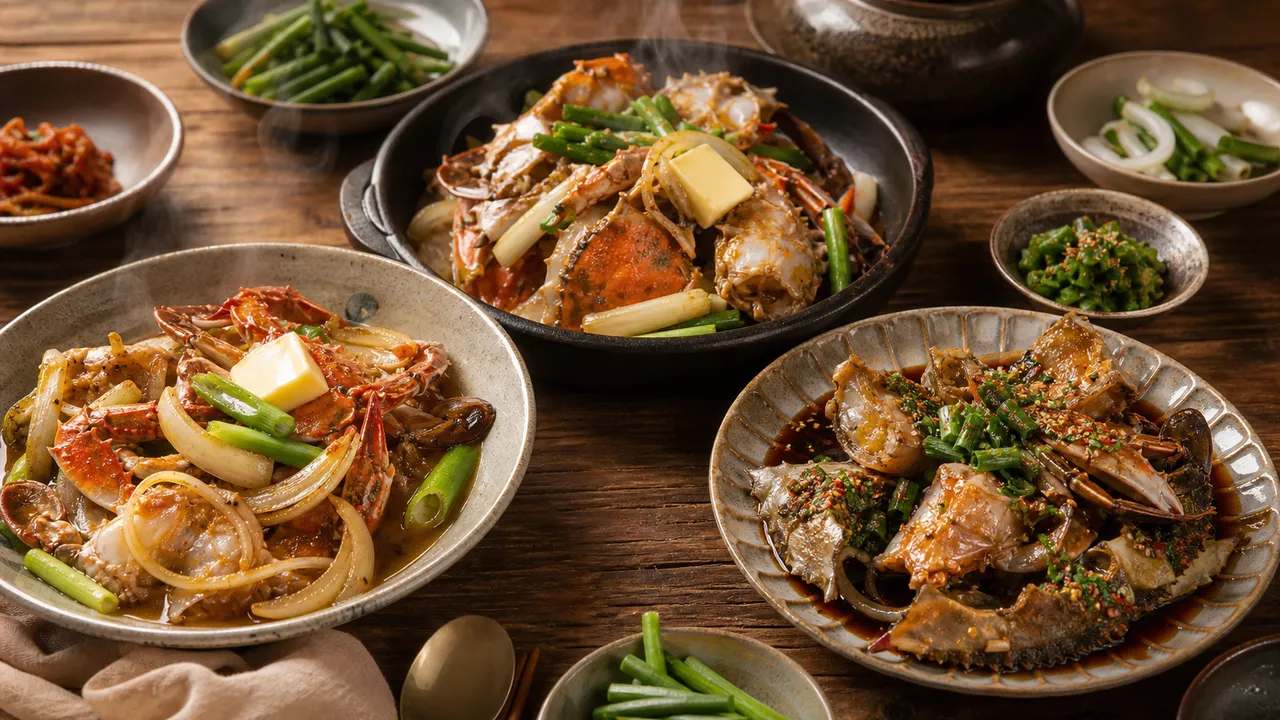
* 이미지는 AI가 생성한 참고 이미지로, 실제 조리 결과물과 다를 수 있습니다.
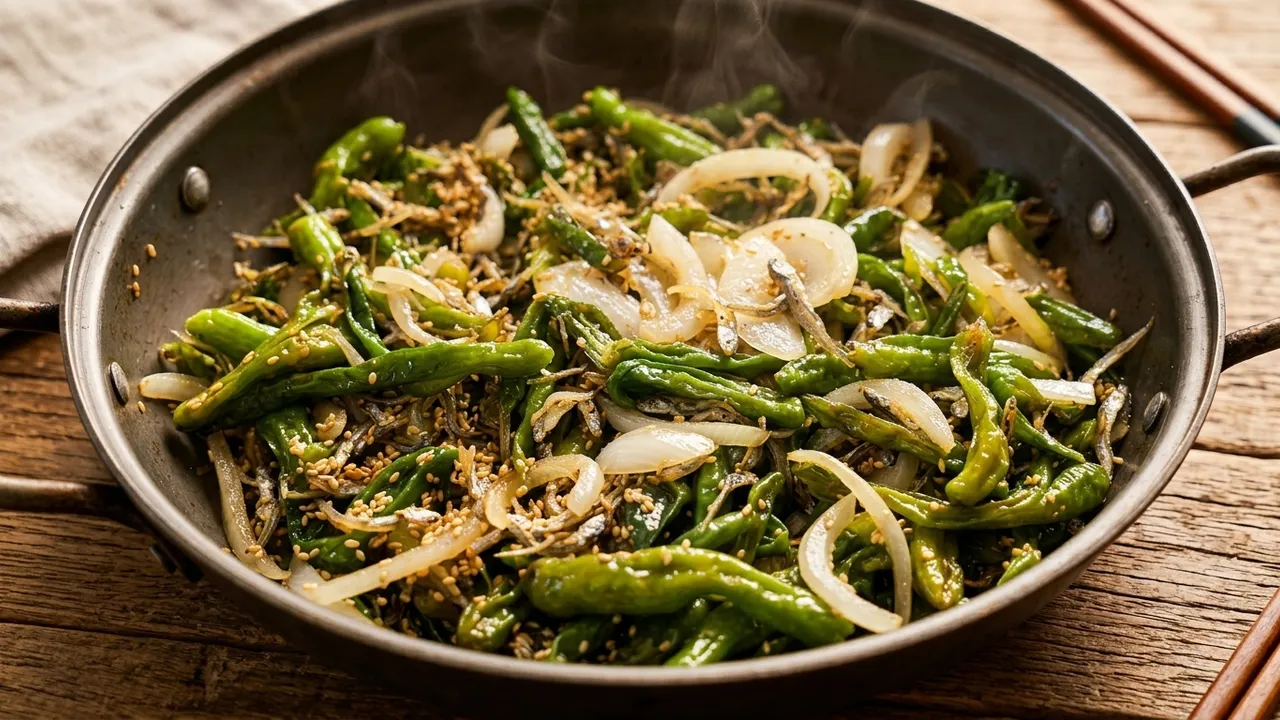
A sweet and savory side dish for rice, made with Kkwari-gochu (Korean shishito peppers) and anchovies.
📝 Editor's Notes
The Kkwari-gochu (Korean Shishito Pepper) and Anchovy Stir-fry we're introducing today is an appealing side dish with a delightful sweet and savory flavor combined with the subtle aroma of Kkwari-gochu, making you finish a bowl of rice in no time.
The crispy texture of the anchovies and the tender bite of Kkwari-gochu create a wonderful mouthfeel.
It's also relatively simple to make, so even beginner cooks can easily give it a try.
We'll share tips on how to eliminate the fishy smell from anchovies and how to control the texture of Kkwari-gochu, ensuring anyone can successfully make delicious Kkwari-gochu Myeolchi Bokkeum.
We highly recommend this as a hearty and beloved side dish for the whole family.
🛒 Ingredient Tips
For fresh Kkwari-gochu (Korean shishito peppers), choose ones that are glossy, have a vibrant color, and are free from blemishes.
Selecting medium-sized peppers, not too large, ensures they absorb the seasoning well and have a good texture.
For anchovies (Myeolchi), it's important to choose clean ones with minimal fishy odor.
Medium or small anchovies that are not too salty and have a subtle umami flavor are ideal.
Using Korean-made fish sauce (Myeolchi-aekjeot) can add a deeper umami flavor.
Choosing good ingredients is the first step to delicious cooking, so make sure to check carefully before purchasing.
🔄 Substitution Guide
If you prefer a crispy texture, you can use Oi-gochu (오이고추, Korean cucumber peppers) instead of Kkwari-gochu (Korean shishito peppers).
However, please note that Oi-gochu are much less spicy and have higher water content, potentially shortening cooking time.
Instead of anchovies (Myeolchi), stir-frying nuts (such as almonds or walnuts) can add a nutty flavor and nutrition, making it a good alternative for those with anchovy allergies.
You can use oligosaccharide or jocheong (조청, Korean rice syrup) instead of corn syrup (Mul-yeot) for sweetness, but corn syrup provides the best gloss and stickiness.
When substituting, please adjust considering changes in taste and texture.
🥘 Ingredients
👨🍳 Cooking Points
The most crucial points of this recipe are removing the fishy smell from anchovies and preserving the texture of Kkwari-gochu (Korean shishito peppers).
First, when stir-frying anchovies, the key is to use a generous amount of cooking oil to stir-fry them until golden brown, then add 1 tbsp of soju (소주) to completely eliminate the fishy smell.
As the soju evaporates, it takes away the fishy taste.
Second, stir-fry Kkwari-gochu over medium heat until vibrant, then add soy sauce (Ganjang) and fish sauce (Myeolchi-aekjeot) and simmer.
Cover and simmer until the Kkwari-gochu are completely softened and wrinkled, allowing the seasoning to penetrate deeply for a more delicious flavor.
Lastly, remember to add the pre-fried anchovies in the final step to maintain their crispy texture.
If you keep these points in mind, you'll be able to make delicious Kkwari-gochu Myeolchi Bokkeum without fail.
👨🍳 Directions
Heat a generous amount of cooking oil in a hot pan and stir-fry 4.9 oz (140g) of anchovies until golden brown and crispy.
To remove the fishy smell from the anchovies, add 1 tbsp of soju (소주) and continue stir-frying until the soju evaporates and the fishy odor dissipates.
Drizzle a generous amount of corn syrup (Mul-yeot) (about 3 circles in the pan) and stir-fry until sweet. Once the anchovies are golden brown, transfer them to a separate dish.
Without washing the pan used for the anchovies, drizzle a circle of cooking oil, then add 17.6 oz (500g) of Kkwari-gochu (Korean shishito peppers) and stir-fry over medium heat until their color becomes vibrant.
Add 4 tbsp of soy sauce (Ganjang) and 1 tbsp of fish sauce (Myeolchi-aekjeot), then stir and continue to stir-fry.
Once the Kkwari-gochu (Korean shishito peppers) have softened slightly, add corn syrup (Mul-yeot) to taste and stir.
Cover the pan and simmer until the Kkwari-gochu (Korean shishito peppers) are fully softened and wrinkled.
Optionally, add shredded onion and cover the pan, cooking briefly until the onion becomes translucent.
Add the previously stir-fried anchovies and stir well to combine thoroughly.
Taste and adjust seasoning to your preference. Add sesame seeds and sesame oil or perilla oil as desired, mix well, and serve.
💡 Tips
Adding 1 tbsp of soju (소주) is recommended to remove the fishy smell from the anchovies.
If you prefer the Kkwari-gochu (Korean shishito peppers) to remain vibrant green, you can add the anchovies immediately after seasoning. However, if you prefer a wrinkled texture, it's better to simmer the Kkwari-gochu for a longer time.
Onion is optional and can be added according to preference. Adding onion enhances the sweetness and adds a refreshing flavor.
The amount of sesame seeds and sesame oil (or perilla oil) can be adjusted to personal taste.
📦 Storage & Reuse
Store the finished Kkwari-gochu (Korean Shishito Pepper) and Anchovy Stir-fry in an airtight container in the refrigerator for 3-5 days.
For longer storage, it can be portioned and frozen, but the texture of Kkwari-gochu may become slightly softer.
When frozen, it is recommended to consume within approximately 2 weeks.
To enjoy, gently reheat in the microwave or briefly stir-fry in a pan over low heat to restore its original taste.
You can also finely chop leftover bokkeum and use it as a filling for Gimbap (김밥) or mix it into Bibimbap (비빔밥) for a delicious twist.
🥢 Who This Is For
This Kkwari-gochu (Korean Shishito Pepper) and Anchovy Stir-fry, when served over warm rice, truly lives up to its 'rice thief' nickname.
If you like a spicy kick, feel free to add a little cheongyang-gochu (청양고추, Korean chili pepper).
For children's side dishes, try using bell peppers or paprika instead of chili peppers.
It's also excellent for busy breakfasts or lunchboxes.
Paired with Kimchi Jjigae (김치찌개, kimchi stew) or Doenjang Jjigae (된장찌개, soybean paste stew), it completes a richer meal.
We highly recommend this as a nutritious side dish that the whole family can enjoy.
🔥 Nutrition Info
This Kkwari-gochu (Korean Shishito Pepper) and Anchovy Stir-fry is estimated to contain approximately 150-200 calories per serving (as a side dish).
You can expect to consume about 10-15g of protein from anchovies (Myeolchi), 10-15g of fat from cooking oil and anchovies, and 10-15g of carbohydrates from Kkwari-gochu and corn syrup (Mul-yeot).
Notably, anchovies are rich in calcium, which is excellent for bone health, while Kkwari-gochu are packed with Vitamin C and dietary fiber, boosting immunity and supporting gut health.
Due to the soy sauce (Ganjang) and fish sauce (Myeolchi-aekjeot), sodium content may be high, so those with high blood pressure should consume in moderation.
Nourish your family with this healthy and delicious side dish.
💬 Frequently Asked Questions
- Q. What ingredients do I need for Irresistible Kkwari-gochu (Korean Shishito Pepper) and Anchovy Stir-fry?
- Main ingredients include Kkwari-gochu (Korean shishito peppers), Anchovies (Myeolchi), Cooking oil, Soju (소주), Corn syrup (Mul-yeot). For fresh Kkwari-gochu (Korean shishito peppers), choose ones that are glossy, have a vibrant color, and are free from blemishes. Selecting medium-sized peppers, not too large, ensures they absorb the seasoning well and have a good texture. For anchovies (Myeolchi), it's important to choose clean ones with minimal fishy odor. Medium or small anchovies that are not too salty and have a subtle umami flavor are ideal. Using Korean-made fish sauce (Myeolchi-aekjeot) can add a deeper umami flavor. Choosing good ingredients is the first step to delicious cooking, so make sure to check carefully before purchasing.
- Q. What are the key tips for making Irresistible Kkwari-gochu (Korean Shishito Pepper) and Anchovy Stir-fry?
- The most crucial points of this recipe are removing the fishy smell from anchovies and preserving the texture of Kkwari-gochu (Korean shishito peppers). First, when stir-frying anchovies, the key is to use a generous amount of cooking oil to stir-fry them until golden brown, then add 1 tbsp of soju (소주) to completely eliminate the fishy smell. As the soju evaporates, it takes away the fishy taste. Second, stir-fry Kkwari-gochu over medium heat until vibrant, then add soy sauce (Ganjang) and fish sauce (Myeolchi-aekjeot) and simmer. Cover and simmer until the Kkwari-gochu are completely softened and wrinkled, allowing the seasoning to penetrate deeply for a more delicious flavor. Lastly, remember to add the pre-fried anchovies in the final step to maintain their crispy texture. If you keep these points in mind, you'll be able to make delicious Kkwari-gochu Myeolchi Bokkeum without fail.
- Q. How should I store leftover Irresistible Kkwari-gochu (Korean Shishito Pepper) and Anchovy Stir-fry?
- Store the finished Kkwari-gochu (Korean Shishito Pepper) and Anchovy Stir-fry in an airtight container in the refrigerator for 3-5 days. For longer storage, it can be portioned and frozen, but the texture of Kkwari-gochu may become slightly softer. When frozen, it is recommended to consume within approximately 2 weeks. To enjoy, gently reheat in the microwave or briefly stir-fry in a pan over low heat to restore its original taste. You can also finely chop leftover bokkeum and use it as a filling for Gimbap (김밥) or mix it into Bibimbap (비빔밥) for a delicious twist.
- Q. How many calories are in Irresistible Kkwari-gochu (Korean Shishito Pepper) and Anchovy Stir-fry?
- This Kkwari-gochu (Korean Shishito Pepper) and Anchovy Stir-fry is estimated to contain approximately 150-200 calories per serving (as a side dish). You can expect to consume about 10-15g of protein from anchovies (Myeolchi), 10-15g of fat from cooking oil and anchovies, and 10-15g of carbohydrates from Kkwari-gochu and corn syrup (Mul-yeot). Notably, anchovies are rich in calcium, which is excellent for bone health, while Kkwari-gochu are packed with Vitamin C and dietary fiber, boosting immunity and supporting gut health. Due to the soy sauce (Ganjang) and fish sauce (Myeolchi-aekjeot), sodium content may be high, so those with high blood pressure should consume in moderation. Nourish your family with this healthy and delicious side dish.
- Q. Can I substitute ingredients in Irresistible Kkwari-gochu (Korean Shishito Pepper) and Anchovy Stir-fry?
- If you prefer a crispy texture, you can use Oi-gochu (오이고추, Korean cucumber peppers) instead of Kkwari-gochu (Korean shishito peppers). However, please note that Oi-gochu are much less spicy and have higher water content, potentially shortening cooking time. Instead of anchovies (Myeolchi), stir-frying nuts (such as almonds or walnuts) can add a nutty flavor and nutrition, making it a good alternative for those with anchovy allergies. You can use oligosaccharide or jocheong (조청, Korean rice syrup) instead of corn syrup (Mul-yeot) for sweetness, but corn syrup provides the best gloss and stickiness. When substituting, please adjust considering changes in taste and texture.
💬 Comments
No comments yet. Be the first to comment!