
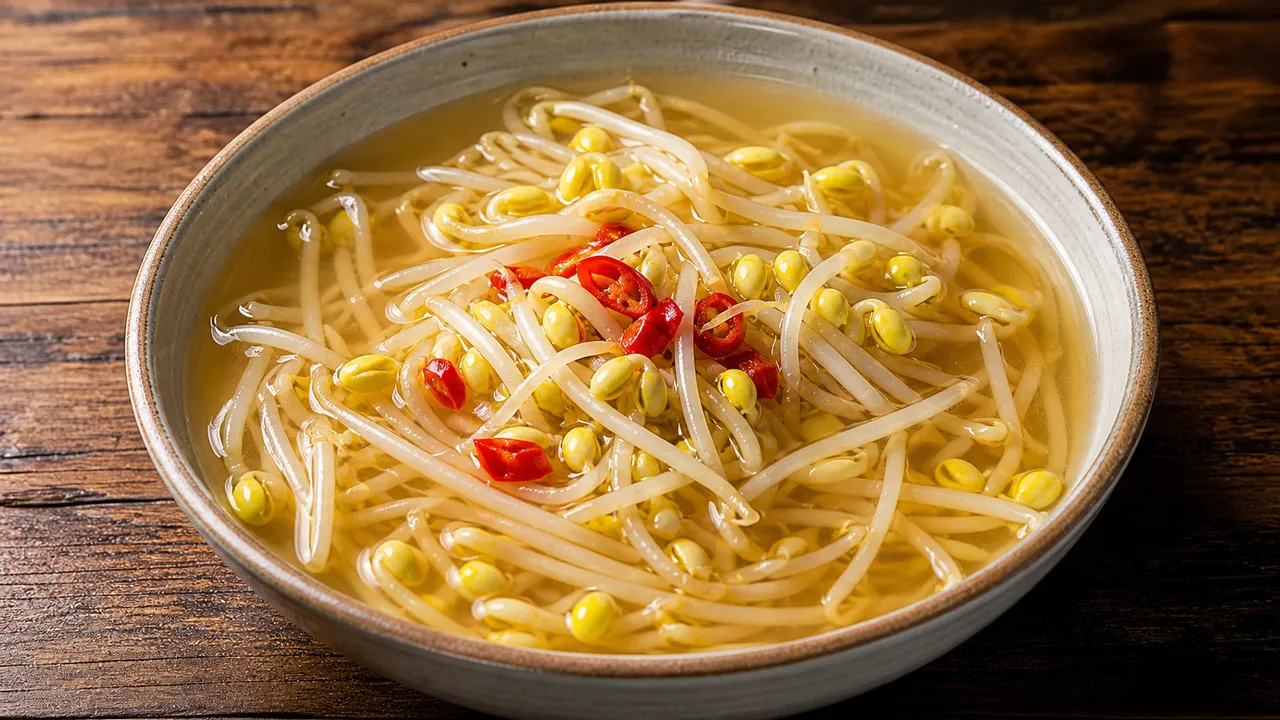
Soybean Sprout Soup, Dubu-kimchi (두부김치), and Makgeolli (막걸리)
* 이미지는 AI가 생성한 참고 이미지로, 실제 조리 결과물과 다를 수 있습니다.
A simple yet satisfying recipe for Soybean Sprout Soup and Dubu-kimchi (두부김치), perfect for a late-night meal.
📋 2 recipes — Select to view
A comforting and refreshing soybean sprout soup perfect for a late night.
📝 Editor's Notes
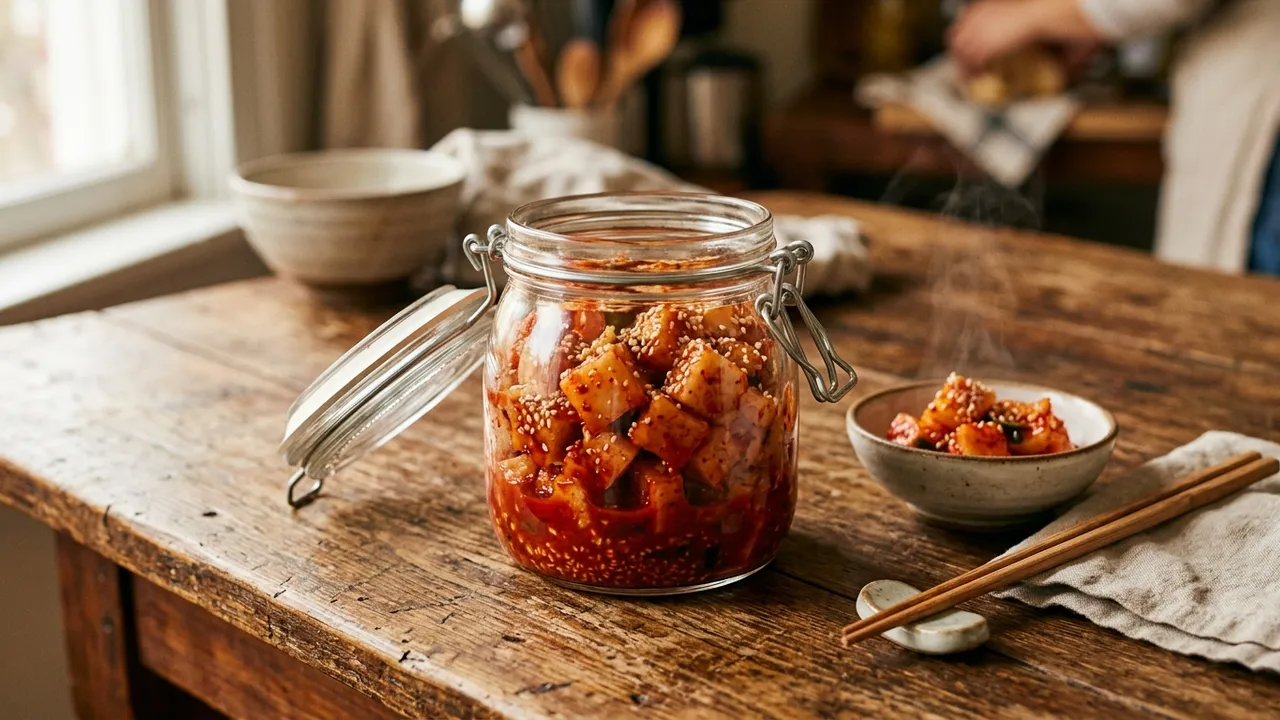
Dubu Kimchi (두부김치), a dish that instantly brings to mind a glass of makgeolli (막걸리), features a fantastic harmony of spicy, deeply flavored stir-fried kimchi and savory, mild tofu.
It can be easily prepared with simple ingredients without complex steps, making it perfect for novice cooks.
The piquant kick of kimchi combined with the soft texture of tofu creates an endlessly delightful taste experience.
Enjoyable year-round, it makes an excellent accompaniment, especially on rainy days or when you want to have a light drink with friends.
It's hearty yet not overwhelming, making it ideal as a light meal or a drinking snack.
🛒 Ingredient Tips
The key ingredients that determine the flavor of Dubu Kimchi (두부김치) are kimchi and tofu.
The trick is to use well-fermented, sour kimchi.
When stir-fried, sour kimchi develops a deep umami flavor and its sweet-and-sour notes are maximized, making it even more delicious.
If the kimchi is too sour, try adding a little sugar to balance the tartness.
For tofu, it's best to choose firm or extra-firm varieties.
Tofu with less moisture and a firm texture will hold its shape when sliced and provide a good chew when eaten with the stir-fried kimchi.
Using high-quality sesame oil with a rich, nutty aroma will further enhance the dish's flavor.
🔄 Substitution Guide
If your kimchi is not fully fermented or lacks sourness, you can add 1/2 tbsp gochujang (고추장), 1/2 tbsp sugar, and 1/2 tbsp soy sauce while stir-frying to deepen the flavor.
This can transform less sour kimchi into a delicious dish.
If you don't have tofu, try stir-frying thinly sliced pork shoulder or pork belly with the kimchi.
The meat juices will blend with the kimchi, creating a richer and more savory flavor.
However, this will result in a heartier taste compared to the mildness of tofu, so choose according to your preference.
Using perilla oil instead of sesame oil will offer a different nutty and aromatic flavor.
🥘 Ingredients
👨🍳 Cooking Points
The most crucial cooking point for Dubu Kimchi (두부김치) is to stir-fry the kimchi deliciously.
Drizzle sesame oil in a frying pan, add the kimchi, and stir-fry over medium heat until it sizzles, softens, and becomes glossy.
Stir-frying for approximately 5-7 minutes will eliminate any raw kimchi smell and bring out a deep flavor.
Be careful not to burn it by using too high heat, and it's important to stir occasionally to prevent the kimchi from sticking to the bottom of the pan.
Tofu can break easily if sliced too thinly, so it's best to prepare it by slicing it about 1-1.5 cm (0.4-0.6 inches) thick.
👨🍳 Directions
Place a pot on the induction cooktop.
Pour an appropriate amount of water into the pot.
Add 5-6 peperoncino to the water.
Wait until the water comes to a boil (heated to 180 degrees as shown in the video).
Once the water boils, add 160g of soybean sprouts (콩나물).
Wait until the water comes to a boil again.
Add 1 tbsp of soy sauce and season to taste. Be careful not to add too much.
Grind in salt to taste.
Slice and add 3-4 cloves of garlic.
Serve the soybean sprout soup in a bowl.
💡 Tips
Soybean sprout soup is delicious when served warm, but can also be enjoyed slightly cooled for a clearer, refreshing flavor.
📦 Storage & Reuse
Prepared Dubu Kimchi (두부김치) can be stored fresh in an airtight container in the refrigerator for 2-3 days.
Tofu is best eaten immediately, but any leftover tofu can be stored in water in the refrigerator for about a day.
If you refrigerate the stir-fried kimchi, you can gently reheat it in a pan when you're ready to eat it again to enjoy its original warm flavor.
Leftover stir-fried kimchi is very versatile; you can reuse it to make delicious kimchi fried rice with cold rice or add it to kimchi jjigae (김치찌개).
🥢 Who This Is For
This Dubu Kimchi (두부김치) pairs especially well with makgeolli (막걸리).
The spicy kimchi and mild tofu create a perfect harmony with the smooth texture of makgeolli.
It is highly recommended as a light drink snack after work or a casual accompaniment to enjoy with family on a weekend evening.
It also makes an excellent side dish for rice and can be enjoyed as a light late-night snack when you're feeling hungry.
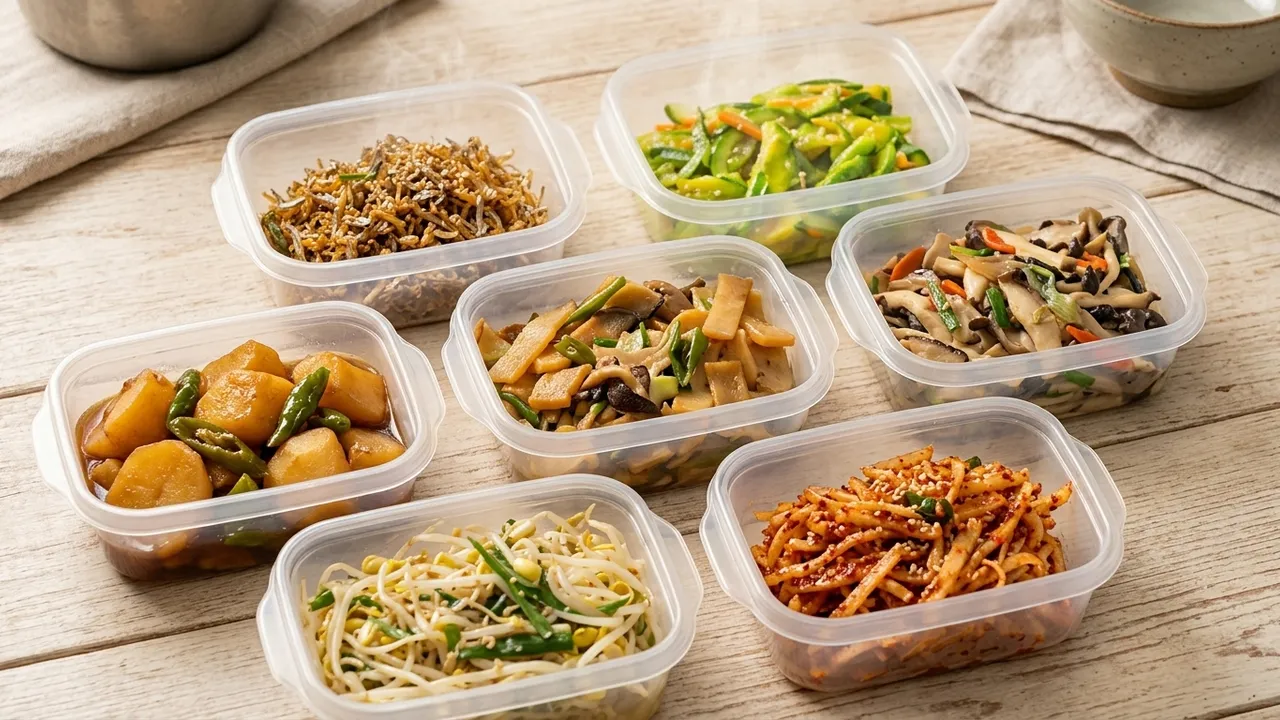
Serving it with simple banchan (밑반찬) like savory stir-fried anchovies (멸치볶음) or crisp cucumber salad (오이무침) can make for an even more fulfilling meal.
🔥 Nutrition Info
One serving of this Dubu Kimchi (두부김치) (based on 2 servings) is estimated to have approximately 450-550 kcal.
Protein can be estimated at around 25-35g, fat at 30-40g, and carbohydrates at 15-25g.
Tofu, the main ingredient, is an excellent source of plant-based protein, and kimchi is rich in dietary fiber and probiotics, which contribute to gut health.
Sesame oil, rich in unsaturated fatty acids, can positively impact vascular health.
This dish also provides various micronutrients such as Vitamin K, Vitamin C, calcium, and iron, making it a nutritionally balanced meal.
However, please note that adding sugar or other seasonings when stir-frying kimchi can increase the calorie count.
💬 Frequently Asked Questions
- Q. What ingredients do I need for Soybean Sprout Soup, Dubu-kimchi (두부김치), and Makgeolli (막걸리) for a Late-Night Snack?
- Main ingredients include Water, Peperoncino, Soybean Sprouts, Soy Sauce, Salt. The key to the taste of this Soybean Sprout Soup lies in fresh soybean sprouts. When choosing soybean sprouts, it's important to select those with plump stems, few thin roots, and no mushiness or black spots. Avoid packages with excessive water accumulation or a strong, 'beany' smell unique to soybean sprouts. Peperoncino (페페론치노) is a special ingredient that adds a spicy and refreshing kick to the soup; if you find it too spicy, you can adjust the amount or use a small amount of cheongyang chili peppers (청양고추) instead. Sliced whole garlic cloves impart a subtle aroma to the broth, enhancing its depth of flavor.
- Q. What are the key tips for making Soybean Sprout Soup, Dubu-kimchi (두부김치), and Makgeolli (막걸리) for a Late-Night Snack?
- The most crucial point when cooking Soybean Sprout Soup is to prevent the sprouts from developing a 'beany' smell. After adding the soybean sprouts, either boil the soup with the lid completely open or completely closed from start to finish to prevent this smell. Be careful not to open and close the lid midway, as this can cause the 'beany' smell to emerge. Furthermore, when seasoning, adding soy sauce first enhances the umami, and then adjusting the remaining seasoning with salt is the secret to a clean-tasting broth. Too much soy sauce can make the broth cloudy, so it's recommended to season primarily with salt. Do not overcook the soybean sprouts, as they will become mushy; boil them briefly over high heat to maintain their crisp texture.
- Q. How should I store leftover Soybean Sprout Soup, Dubu-kimchi (두부김치), and Makgeolli (막걸리) for a Late-Night Snack?
- Once finished, let the Soybean Sprout Soup cool completely, then store it in an airtight container in the refrigerator for 2-3 days to maintain its freshness. Be sure to cool it before refrigerating, as placing hot soup directly into the fridge can affect other foods inside. To reheat, gently simmer it in a pot over medium heat or warm it in the microwave. Leftover soybean sprouts can be stored in water in the refrigerator to keep them fresh longer. If you have leftover broth, you can enjoy it as 'kongnamul-gukbap' (콩나물국밥) by adding rice, or add a beaten egg to boost its nutritional value.
- Q. How many calories are in Soybean Sprout Soup, Dubu-kimchi (두부김치), and Makgeolli (막걸리) for a Late-Night Snack?
- This Soybean Sprout Soup is very low in calories, estimated at approximately 50-70 kcal per serving. Based on 5.6 oz (160g) of soybean sprouts for two servings, each serving is estimated to contain about 2-3g of protein, 5-7g of carbohydrates, and less than 0.5g of fat. Soybean sprouts, the main ingredient, are rich in asparagine, which helps relieve hangovers, and also abundant in Vitamin C, beneficial for fatigue recovery and immune system enhancement. Garlic contains allicin, which aids in improving blood circulation and has antibacterial properties. While generally a low-calorie, low-fat food, it's important to be mindful of sodium intake due to the soy sauce and salt used for seasoning. It's a nutritious and light soup that can be enjoyed healthily.
- Q. Can I substitute ingredients in Soybean Sprout Soup, Dubu-kimchi (두부김치), and Makgeolli (막걸리) for a Late-Night Snack?
- If you don't have soybean sprouts, mung bean sprouts (숙주나물) can be used for a similar crunchy texture, though the flavor profile will be slightly different from the unique refreshing taste of soybean sprouts. If you lack soybean sprouts or desire a different texture, you can thinly slice and boil radish (무) for a clear and refreshing broth. If peperoncino (페페론치노) is unavailable, you can add 1-2 sliced cheongyang chili peppers (청양고추) for a Korean-style spiciness, or a small amount of gochugaru (고춧가루) for a piquant kick. However, gochugaru (고춧가루) may make the broth cloudy. For garlic, minced garlic can be used instead of whole sliced cloves, but sliced garlic imparts a cleaner aroma to the broth.
💬 Comments
No comments yet. Be the first to comment!