
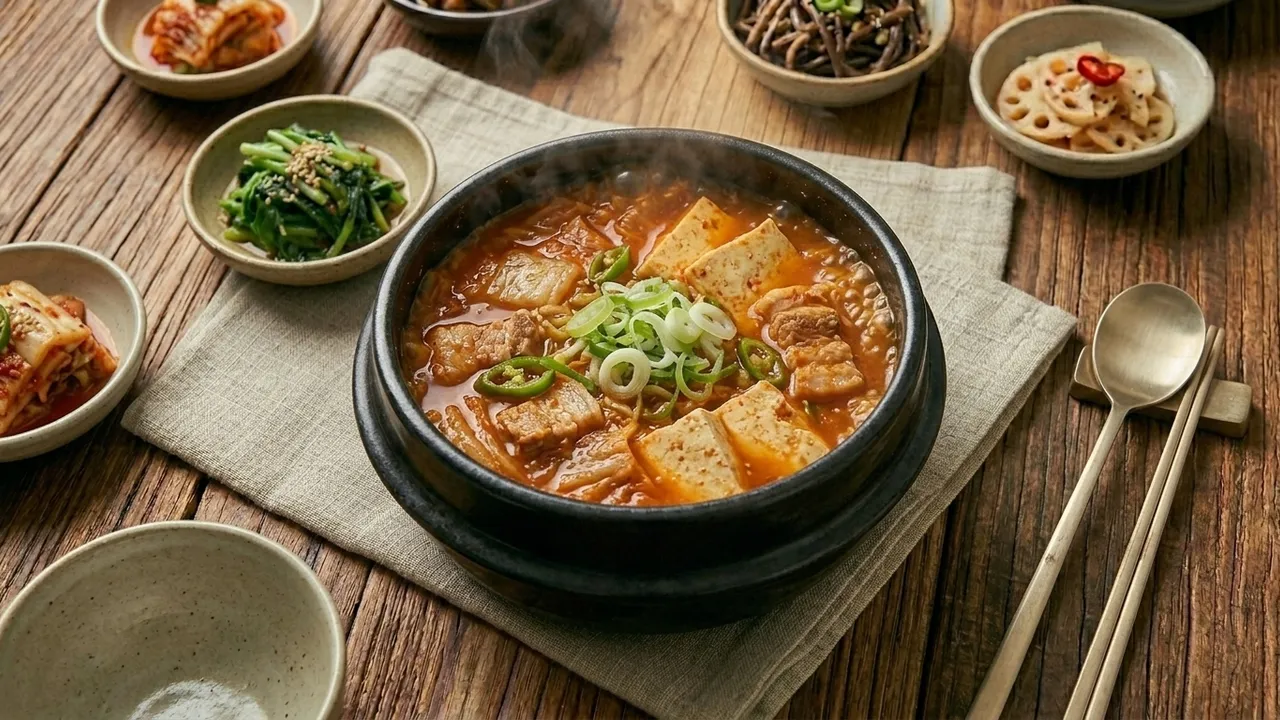
Eonam Seonsaeng's Gochujang Jjigae Recipe
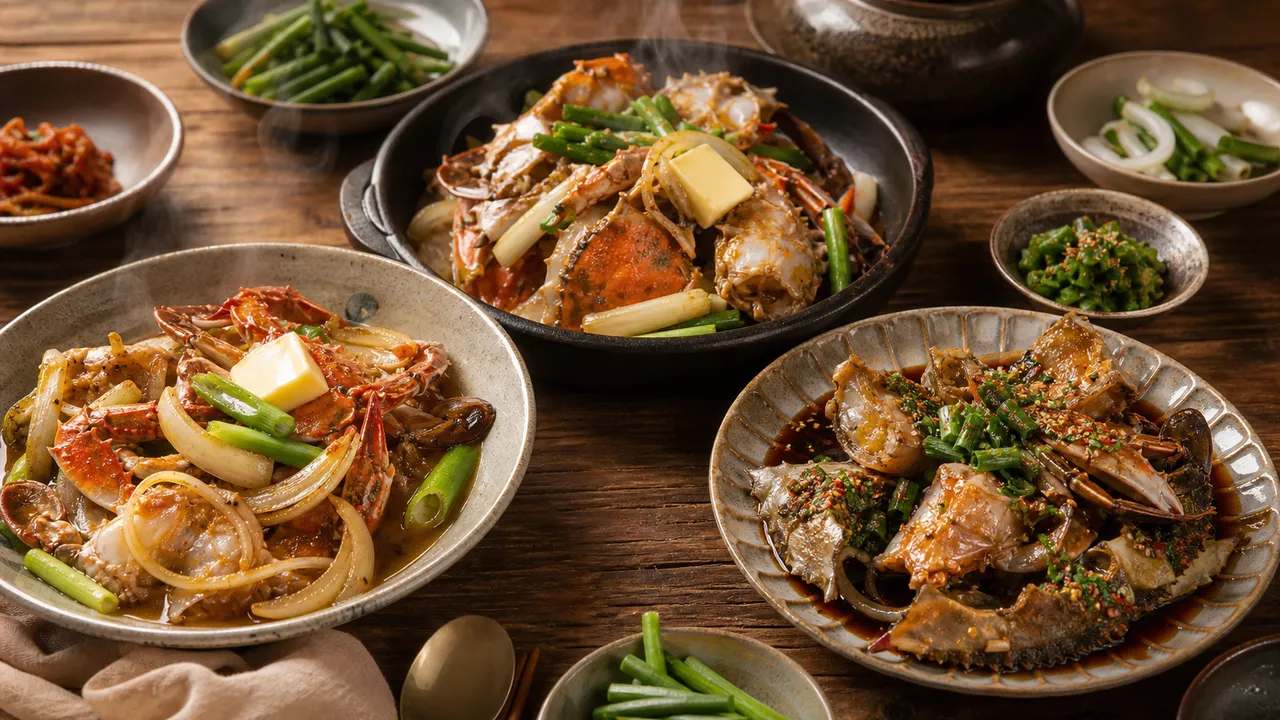
* 이미지는 AI가 생성한 참고 이미지로, 실제 조리 결과물과 다를 수 있습니다.
A rich and deeply flavored gochujang jjigae made by rendering pork belly fat to create chili oil, without using any separate broth.
📝 Editor's Notes
This Eonam Seonsaeng's Gochujang Jjigae is characterized by its deep flavor derived from the savory fat rendered from pork belly, instead of using a typical broth.
The rich umami of pork combined with the spicy kick of gochujang (고추장) makes you crave a bowl of rice.
While the process of stir-frying ingredients to develop their aroma is crucial, anyone can achieve a rich and deep flavor by following the steps carefully, making its difficulty level intermediate.
It's perfect for enjoying with family on a chilly day and makes a satisfying meal.
🛒 Ingredient Tips
The key ingredient for this jjigae is undeniably pork belly.
Choose fresh pork belly with a good balance of fat and lean meat to ensure delicious fat renders out, which determines the taste of the stew.
Parts with too much lean meat will struggle to create a deep flavor for the jjigae.
Gochujang (고추장) is like the face of our jjigae, so choose a brand you normally enjoy that offers a deep flavor.
For vegetables like potatoes, onions, and Korean zucchini (aehobak, 애호박), prepare fresh, firm ones without blemishes.
Using seasonal vegetables will further enhance the flavor.
🔄 Substitution Guide
If you prefer a lighter taste or want to reduce fat intake, you can use pork shoulder or neck meat instead of pork belly.
However, since they don't render as much savory fat as pork belly, the jjigae's flavor might be less rich.
In this case, you can use a bit more cooking oil or drizzle a touch of sesame oil at the end to add a nutty aroma.
If you have a gochujang (고추장) allergy or want to adjust the spiciness, try increasing the amount of gochugaru (고춧가루) and mixing in a little doenjang (된장) (Korean fermented soybean paste).
The flavor profile will be different, but you'll still enjoy a savory and spicy stew.
While you can substitute fish sauce (myeolchi-aekjeot, 멸치액젓) or salted fermented shrimp (saeujeot, 새우젓) with regular brewed soy sauce or salt, be aware that the unique deep umami flavor might be slightly diminished.
🥘 Ingredients
👨🍳 Cooking Points
The first key to the flavor of this jjigae is properly rendering chili oil from the pork belly.
Lightly drizzle cooking oil on the bottom of the pot to prevent sticking, and slowly sauté over medium heat to extract enough savory fat from the pork belly.
The second key is stir-frying the seasoning ingredients like gochugaru (고춧가루), fish sauce, and gochujang (고추장) over low heat.
This is a crucial step to remove any pungent flavors and infuse a deep aroma and red color into the broth, so take your time and sauté gently.
Finally, it's important to simmer for at least 20 minutes or more to allow the flavors of the ingredients to deeply penetrate the broth.
Don't forget the clever trick of adding Korean zucchini (aehobak, 애호박) halfway through to help it maintain its shape.
👨🍳 Directions
Cut 3 strips of pork belly (approx. 10.6 oz or 300g) into bite-sized cubes.
Preheat a pot over medium heat for 3 minutes, then drizzle a little cooking oil on the bottom.
Add the diced pork belly and 2 pinches of salt, and slowly sauté over medium heat until the fat renders from the pork belly. Stir continuously to prevent the meat from sticking to the bottom of the pot.
Reduce the heat to low, add a little ginger and a generous 1 tbsp of minced garlic, and sauté to remove any gamey smell from the pork.
Add a generous 2 tbsp of gochugaru (고춧가루) and stir-fry well over low heat to create chili oil until the stew base turns bright red.
Slice 1 green onion and 3 Cheongyang chili peppers, add them to the pot, and continue to sauté over low heat until all ingredients are well combined.
Add 2 tbsp of sugar, 2 tbsp of soy sauce, 1 tbsp of fish sauce (myeolchi-aekjeot, 멸치액젓), and a generous 1 tbsp of salted fermented shrimp (saeujeot, 새우젓) in order, and sauté briefly over low heat to eliminate the pungent smell of the fish sauce.
Add a generous 4 tbsp of gochujang (고추장) and stir-fry well over low heat to complete the gochujang jjigae seasoning base.
Pour in 1 L of water and bring it to a rolling boil over high heat.
Dice 1 onion and 2 potatoes and add them. Also dice and add the tofu.
Close the lid and simmer for at least 20 minutes.
After 10 minutes of simmering, dice and add 1/2 Korean zucchini (aehobak, 애호박), then slightly reduce the heat to medium and simmer for another 10 minutes.
Finally, add 1 tbsp of vinegar to complete the gochujang jjigae.
💡 Tips
Using pork belly, which is fattier than pork shoulder or hind leg, yields a richer and more savory flavor.
To create a delicious chili oil base, lightly drizzle cooking oil on the bottom of the pot to prevent meat from sticking, and slowly render the fat over medium heat.
When stir-frying the fish sauce and gochujang (고추장), sauté them sufficiently over low heat to remove any fishy smell and to add a rich red color and deep flavor to the broth.
Like curry, gochujang jjigae tastes better when simmered gently for at least 20 minutes to allow the flavors of the ingredients to meld. Add the Korean zucchini (aehobak, 애호박) after 10 minutes to help it maintain its shape, and finally, add 1 tbsp of vinegar to balance the flavors.
📦 Storage & Reuse
Once prepared, the gochujang jjigae can be stored in an airtight container in the refrigerator for 3-4 days.
For longer storage, divide it into single-serving portions and freeze for up to a month.
When reheating frozen jjigae, thaw it first, then transfer to a pot and simmer gently over low heat.
If the broth has reduced too much, add a little water or kelp broth to adjust the consistency.
You can also enjoy a different treat by adding ramen noodles or tteokbokki tteok (rice cakes) to the leftover broth.
🥢 Who This Is For
This gochujang jjigae is a perfect hearty and warm dish for the whole family to gather around on a chilly day.
It is highly recommended for those who love rich pork flavor and a spicy gochujang (고추장) kick.
Served with freshly cooked warm rice, it makes an excellent meal even without other side dishes.
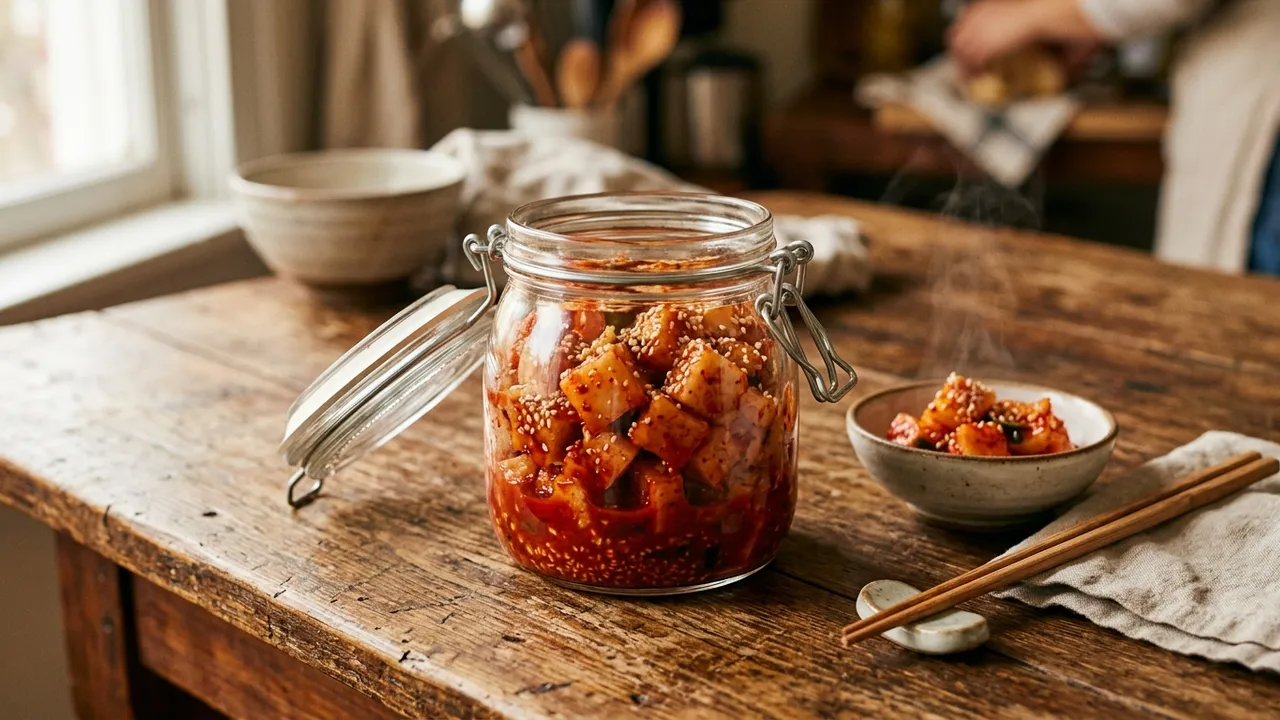
Accompanying it with refreshing kkakdugi (깍두기) (diced radish kimchi) or crunchy cucumber salad will further enhance the rich flavor of the spicy stew.
It's also great for serving generously to guests.
🔥 Nutrition Info
This gochujang jjigae is high in protein and fat due to the generous amounts of pork belly and tofu.
Per serving, it can be estimated to contain approximately 500-550 kcal, with about 18-22g of protein, 20-25g of fat, and 20-25g of carbohydrates.
Pork belly is rich in B vitamins, which help with fatigue recovery, while tofu provides plant-based protein and calcium.
Vegetables like potatoes, onions, and Korean zucchini (aehobak, 애호박) offer dietary fiber and vitamin C, helping to balance the nutrition.
However, the sodium content can be high, so it's advisable to moderate your broth intake.
💬 Frequently Asked Questions
- Q. What ingredients do I need for Eonam Seonsaeng's Gochujang Jjigae?
- Main ingredients include Pork Belly, Cooking Oil, Salt, Ginger, Minced Garlic. The key ingredient for this jjigae is undeniably pork belly. Choose fresh pork belly with a good balance of fat and lean meat to ensure delicious fat renders out, which determines the taste of the stew. Parts with too much lean meat will struggle to create a deep flavor for the jjigae. Gochujang (고추장) is like the face of our jjigae, so choose a brand you normally enjoy that offers a deep flavor. For vegetables like potatoes, onions, and Korean zucchini (aehobak, 애호박), prepare fresh, firm ones without blemishes. Using seasonal vegetables will further enhance the flavor.
- Q. What are the key tips for making Eonam Seonsaeng's Gochujang Jjigae?
- The first key to the flavor of this jjigae is properly rendering chili oil from the pork belly. Lightly drizzle cooking oil on the bottom of the pot to prevent sticking, and slowly sauté over medium heat to extract enough savory fat from the pork belly. The second key is stir-frying the seasoning ingredients like gochugaru (고춧가루), fish sauce, and gochujang (고추장) over low heat. This is a crucial step to remove any pungent flavors and infuse a deep aroma and red color into the broth, so take your time and sauté gently. Finally, it's important to simmer for at least 20 minutes or more to allow the flavors of the ingredients to deeply penetrate the broth. Don't forget the clever trick of adding Korean zucchini (aehobak, 애호박) halfway through to help it maintain its shape.
- Q. How should I store leftover Eonam Seonsaeng's Gochujang Jjigae?
- Once prepared, the gochujang jjigae can be stored in an airtight container in the refrigerator for 3-4 days. For longer storage, divide it into single-serving portions and freeze for up to a month. When reheating frozen jjigae, thaw it first, then transfer to a pot and simmer gently over low heat. If the broth has reduced too much, add a little water or kelp broth to adjust the consistency. You can also enjoy a different treat by adding ramen noodles or tteokbokki tteok (rice cakes) to the leftover broth.
- Q. How many calories are in Eonam Seonsaeng's Gochujang Jjigae?
- This gochujang jjigae is high in protein and fat due to the generous amounts of pork belly and tofu. Per serving, it can be estimated to contain approximately 500-550 kcal, with about 18-22g of protein, 20-25g of fat, and 20-25g of carbohydrates. Pork belly is rich in B vitamins, which help with fatigue recovery, while tofu provides plant-based protein and calcium. Vegetables like potatoes, onions, and Korean zucchini (aehobak, 애호박) offer dietary fiber and vitamin C, helping to balance the nutrition. However, the sodium content can be high, so it's advisable to moderate your broth intake.
- Q. Can I substitute ingredients in Eonam Seonsaeng's Gochujang Jjigae?
- If you prefer a lighter taste or want to reduce fat intake, you can use pork shoulder or neck meat instead of pork belly. However, since they don't render as much savory fat as pork belly, the jjigae's flavor might be less rich. In this case, you can use a bit more cooking oil or drizzle a touch of sesame oil at the end to add a nutty aroma. If you have a gochujang (고추장) allergy or want to adjust the spiciness, try increasing the amount of gochugaru (고춧가루) and mixing in a little doenjang (된장) (Korean fermented soybean paste). The flavor profile will be different, but you'll still enjoy a savory and spicy stew. While you can substitute fish sauce (myeolchi-aekjeot, 멸치액젓) or salted fermented shrimp (saeujeot, 새우젓) with regular brewed soy sauce or salt, be aware that the unique deep umami flavor might be slightly diminished.
💬 Comments
No comments yet. Be the first to comment!