
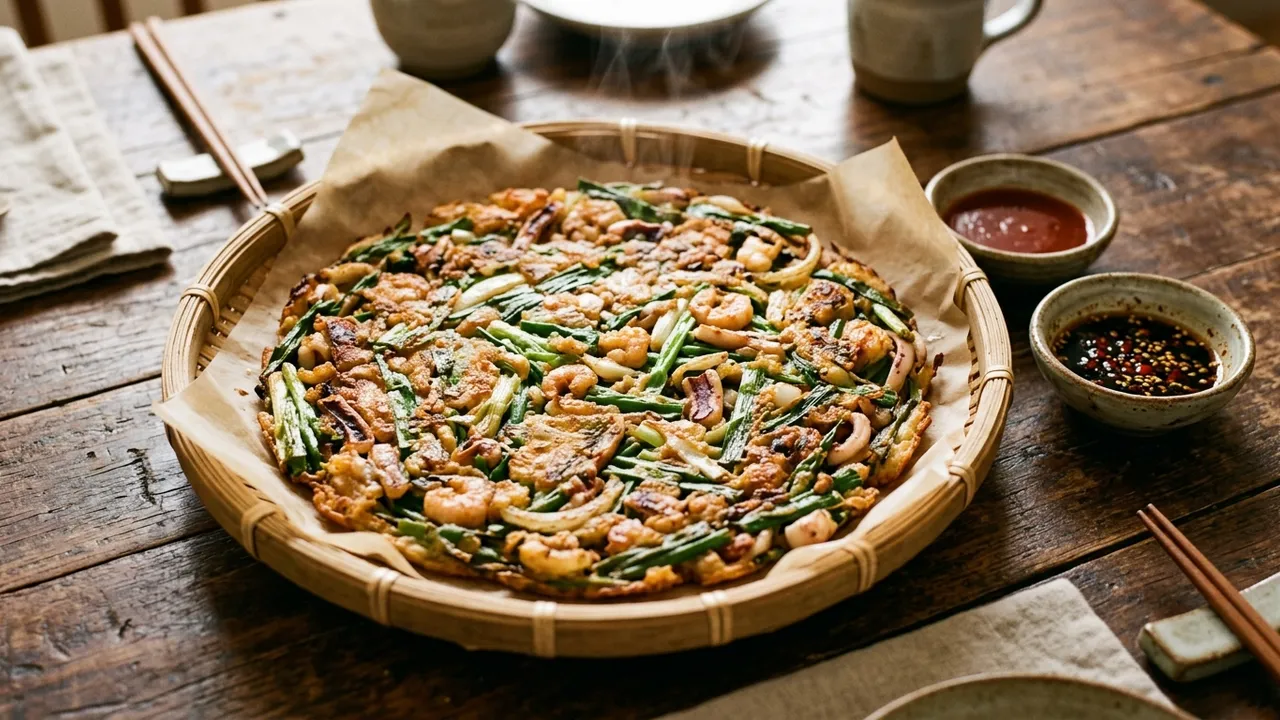
Haemul Pajeon (Seafood Scallion Pancake) Recipe
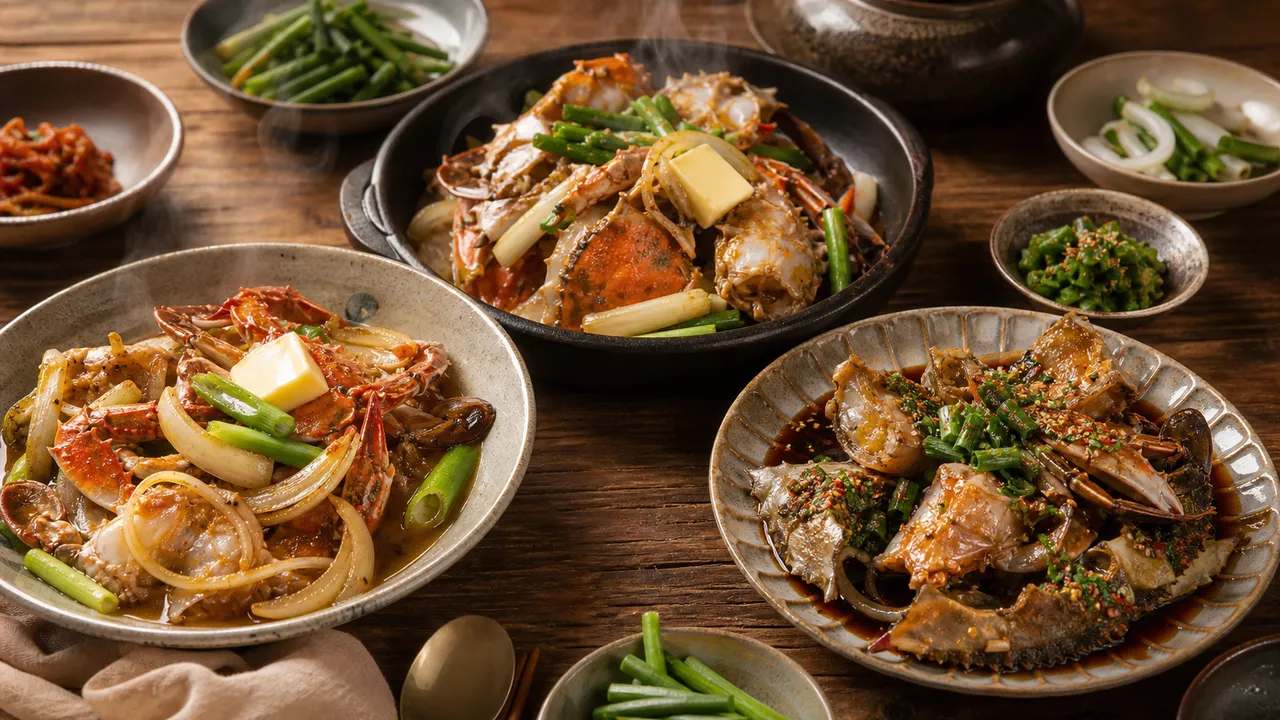
* 이미지는 AI가 생성한 참고 이미지로, 실제 조리 결과물과 다를 수 있습니다.
This practical recipe, incorporating 18 years of restaurant industry expertise, allows anyone to make crispy and delicious Haemul Pajeon (Seafood Scallion Pancake) at home.
📝 Editor's Notes
This Haemul Pajeon recipe incorporates 18 years of restaurant industry expertise, allowing you to enjoy a crispy and delicious pancake at home that rivals professional establishments.
By utilizing potato starch and Korean beef seasoning (dashida), it achieves both crispiness and umami flavor in the batter.
The rich seafood flavor harmonizes with the fragrant scallions, creating a deep and satisfying taste.
The detailed steps for batter fermentation and cooking ensure that even beginners can easily follow along and achieve highly satisfying results.
It's a perfect dish for a rainy day, a weekend treat, or to enjoy with a glass of makgeolli (막걸리 - Korean rice wine).
🛒 Ingredient Tips
Let's carefully choose the key ingredients that determine the taste of Haemul Pajeon.
First, for scallions, it's important to select ones that are not too thick, have a vibrant green color, and fresh, un-wilted leaves.
Firmer roots are also a good sign.
For squid, fresh ones have a firm, transparent body and clear eyes.
Buying a whole squid and preparing it yourself is often much tastier than pre-peeled ones.
For shrimp, choose those with glossy shells and firm flesh.
If using frozen shrimp, make sure to thoroughly drain them after thawing to avoid any fishy taste and ensure a clean-tasting pajeon.
While regular Korean pancake mix (buchimgaru) is sufficient, mixing in some frying powder can result in an even crispier texture.
🔄 Substitution Guide
Here are some ingredient substitutions you can use if you're short on ingredients or want to try different flavors.
Instead of squid or shrimp, you can add other seafood like clams, oysters, or mussels.
If you have a seafood allergy, thinly sliced pork or beef makes a delicious alternative, resulting in a heartier and more savory pajeon.
If scallions are unavailable, you can use chives or the green parts of leeks.
Chives will add a fragrant and crisp texture, while leeks will contribute a stronger aroma.
If you prefer not to use Korean beef seasoning (dashida), which adds umami to the recipe, you can substitute it with anchovy kelp broth or omit it entirely.
While the umami flavor might be slightly reduced, the natural refreshing taste of the seafood will still make it delicious.
Potato starch can be replaced with cornstarch or sweet potato starch, but remember that potato starch is most effective for achieving the crispiest and chewiest texture.
🥘 Ingredients
👨🍳 Cooking Points
Here are key cooking points for a crispy and delicious Haemul Pajeon!
First, resting the batter is not an option, it's essential.
Refrigerating the batter for about a day stabilizes its consistency and allows gluten to form, resulting in an even crispier and chewier texture.
If you're short on time, try to rest it for at least 30 minutes.
Second, thoroughly removing moisture from the seafood is crucial for crispiness.
Especially for squid, meticulously patting it dry with a paper towel prevents the batter from becoming watery and avoids oil splattering.
Third, heat control and cooking method are important.
Heat the pan sufficiently, add a generous amount of oil, and then place the pajeon over medium-high heat.
Do not press too hard; gently press it down.
Flipping it a total of four times until golden brown and crispy ensures it's cooked through with a beautifully golden and crunchy exterior.
👨🍳 Directions
In a bowl, combine the batter ingredients: 2 cups of Korean pancake mix (buchimgaru) (can be used in place of frying powder), 1 tbsp potato starch, 1/3 tbsp salt, 1/3 tbsp Korean beef seasoning (dashida), 1 large egg, and 1.8 cups water.
Mix all ingredients well to make the batter. (If refrigerated for about a day, the batter will settle, and the pancake will be crispier when cooked).
If the scallions are thick, lightly tap the root ends, then cut them into 4-5 cm (1.6-2 inch) lengths.
Rinse the shrimp once with water and prepare them whole, without cutting.
Remove moisture from the squid with a paper towel (this prevents slipping when slicing and reduces excess water in the dish).
Thinly slice the squid body and legs into 4-5 cm (1.6-2 inch) lengths, similar to the scallions. (You can peel the skin or use it as is).
Add the prepared scallions, shrimp, and squid to the batter and mix evenly.
Heat a non-stick pan and add a generous amount of oil, ensuring it's hot.
Pour a moderate amount of batter and ingredients onto the hot pan, shaping it to be neither too thin nor too thick.
Place individual pieces of seafood (shrimp, squid) onto any empty spots.
Once the pancake is partially cooked, gently press it down. Drizzle with a little more oil, then flip the pancake to cook the other side.
Flip the pajeon a total of four times, cooking until golden brown and crispy. (On the final flip, ensure the seafood that was initially placed on top faces upwards).
Serve the deliciously cooked Haemul Pajeon on a plate.
💡 Tips
If the batter is refrigerated for about a day, it will settle and result in a crispier pancake when cooked.
For a crispier pajeon, it's recommended to use a mix of 1 cup Korean pancake mix (buchimgaru) and 1 cup frying powder. If frying powder is unavailable, you can substitute with Korean pancake mix.
Thoroughly removing moisture from the squid prevents it from slipping when slicing and reduces excess water in the dish.
For dishes prone to sticking, such as fried eggs or pancakes, it's best to use a non-stick pan.
When cooking the pajeon, do not press too hard, as this can release moisture from the scallions and other ingredients, reducing its crispiness. Press gently.
Flipping the pajeon a total of four times results in the most delicious outcome. It's best if the seafood that was initially placed on top faces upwards on the final presentation.
📦 Storage & Reuse
Curious how to keep your delicious Haemul Pajeon crispy if you have leftovers?
Once cooked, let the pajeon cool slightly, then store it in an airtight container in the refrigerator for 2-3 days.
If you want to store it longer, wrap each piece individually in plastic wrap and freeze for up to a month.
To reheat, air fry at 350°F (180°C) for 5-7 minutes, or pan-fry in a lightly oiled pan over low heat until golden brown and crispy, as if freshly made.
Microwaving will warm it but may reduce its crispiness.
Leftover batter can be refrigerated for about a day, and prepared seafood can be stored in an airtight container in the refrigerator or freezer.
🥢 Who This Is For
This Haemul Pajeon is the perfect dish to enhance the ambiance on a rainy day, and it makes an excellent appetizer for weekend family gatherings or casual drinks with friends.
It pairs wonderfully with chilled makgeolli (막걸리 - Korean rice wine) or beer, offering a savory and delightful experience that can truly melt away stress.
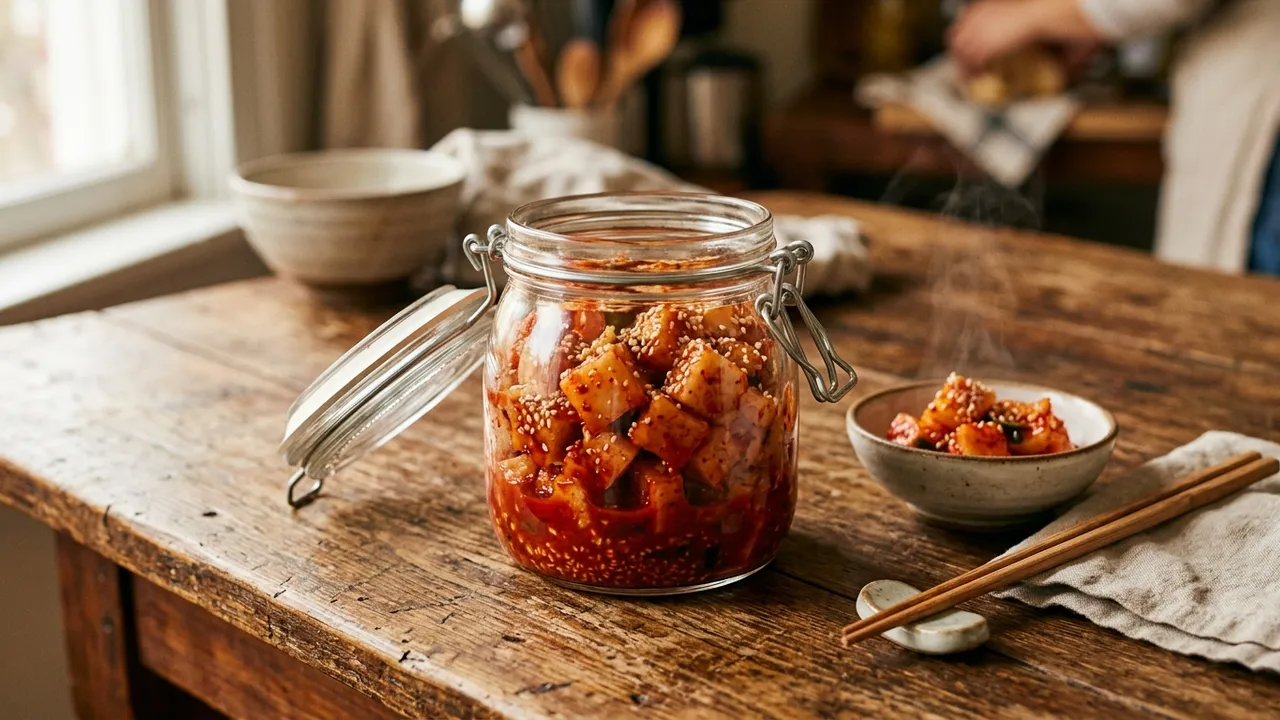
For an even richer flavor, try serving it with pickled onions (yangpa jangajji, 양파 장아찌) or crunchy kkakdugi (깍두기 - cubed radish kimchi) to cut through the richness.
🔥 Nutrition Info
This Haemul Pajeon boasts enough nutrition to be considered a complete meal, but due to the generous use of oil in its preparation, it is relatively high in calories.
If this recipe yields 2 servings, one serving is estimated to be approximately 860 kcal. Carbohydrates (approx. 90g) and fats (approx.
55g) make up a large proportion, but thanks to the seafood and egg, you also get a good amount of protein (approx. 45g).
Squid and shrimp are particularly rich in taurine, which aids in fatigue recovery and cholesterol regulation.
Scallions are high in vitamins A and C, and dietary fiber, contributing to immune system strengthening and gut health.
However, considering the high fat and sodium content, it's advisable to avoid excessive consumption and be mindful of sodium intake when serving with soy sauce dipping sauce.
💬 Frequently Asked Questions
- Q. What ingredients do I need for Haemul Pajeon (Seafood Scallion Pancake)?
- Main ingredients include Scallions, Squid, Shrimp, Egg, Korean pancake mix (buchimgaru). Let's carefully choose the key ingredients that determine the taste of Haemul Pajeon. First, for scallions, it's important to select ones that are not too thick, have a vibrant green color, and fresh, un-wilted leaves. Firmer roots are also a good sign. For squid, fresh ones have a firm, transparent body and clear eyes. Buying a whole squid and preparing it yourself is often much tastier than pre-peeled ones. For shrimp, choose those with glossy shells and firm flesh. If using frozen shrimp, make sure to thoroughly drain them after thawing to avoid any fishy taste and ensure a clean-tasting pajeon. While regular Korean pancake mix (buchimgaru) is sufficient, mixing in some frying powder can result in an even crispier texture.
- Q. What are the key tips for making Haemul Pajeon (Seafood Scallion Pancake)?
- Here are key cooking points for a crispy and delicious Haemul Pajeon! First, resting the batter is not an option, it's essential. Refrigerating the batter for about a day stabilizes its consistency and allows gluten to form, resulting in an even crispier and chewier texture. If you're short on time, try to rest it for at least 30 minutes. Second, thoroughly removing moisture from the seafood is crucial for crispiness. Especially for squid, meticulously patting it dry with a paper towel prevents the batter from becoming watery and avoids oil splattering. Third, heat control and cooking method are important. Heat the pan sufficiently, add a generous amount of oil, and then place the pajeon over medium-high heat. Do not press too hard; gently press it down. Flipping it a total of four times until golden brown and crispy ensures it's cooked through with a beautifully golden and crunchy exterior.
- Q. How should I store leftover Haemul Pajeon (Seafood Scallion Pancake)?
- Curious how to keep your delicious Haemul Pajeon crispy if you have leftovers? Once cooked, let the pajeon cool slightly, then store it in an airtight container in the refrigerator for 2-3 days. If you want to store it longer, wrap each piece individually in plastic wrap and freeze for up to a month. To reheat, air fry at 350°F (180°C) for 5-7 minutes, or pan-fry in a lightly oiled pan over low heat until golden brown and crispy, as if freshly made. Microwaving will warm it but may reduce its crispiness. Leftover batter can be refrigerated for about a day, and prepared seafood can be stored in an airtight container in the refrigerator or freezer.
- Q. How many calories are in Haemul Pajeon (Seafood Scallion Pancake)?
- This Haemul Pajeon boasts enough nutrition to be considered a complete meal, but due to the generous use of oil in its preparation, it is relatively high in calories. If this recipe yields 2 servings, one serving is estimated to be approximately 860 kcal. Carbohydrates (approx. 90g) and fats (approx. 55g) make up a large proportion, but thanks to the seafood and egg, you also get a good amount of protein (approx. 45g). Squid and shrimp are particularly rich in taurine, which aids in fatigue recovery and cholesterol regulation. Scallions are high in vitamins A and C, and dietary fiber, contributing to immune system strengthening and gut health. However, considering the high fat and sodium content, it's advisable to avoid excessive consumption and be mindful of sodium intake when serving with soy sauce dipping sauce.
- Q. Can I substitute ingredients in Haemul Pajeon (Seafood Scallion Pancake)?
- Here are some ingredient substitutions you can use if you're short on ingredients or want to try different flavors. Instead of squid or shrimp, you can add other seafood like clams, oysters, or mussels. If you have a seafood allergy, thinly sliced pork or beef makes a delicious alternative, resulting in a heartier and more savory pajeon. If scallions are unavailable, you can use chives or the green parts of leeks. Chives will add a fragrant and crisp texture, while leeks will contribute a stronger aroma. If you prefer not to use Korean beef seasoning (dashida), which adds umami to the recipe, you can substitute it with anchovy kelp broth or omit it entirely. While the umami flavor might be slightly reduced, the natural refreshing taste of the seafood will still make it delicious. Potato starch can be replaced with cornstarch or sweet potato starch, but remember that potato starch is most effective for achieving the crispiest and chewiest texture.
💬 Comments
No comments yet. Be the first to comment!