
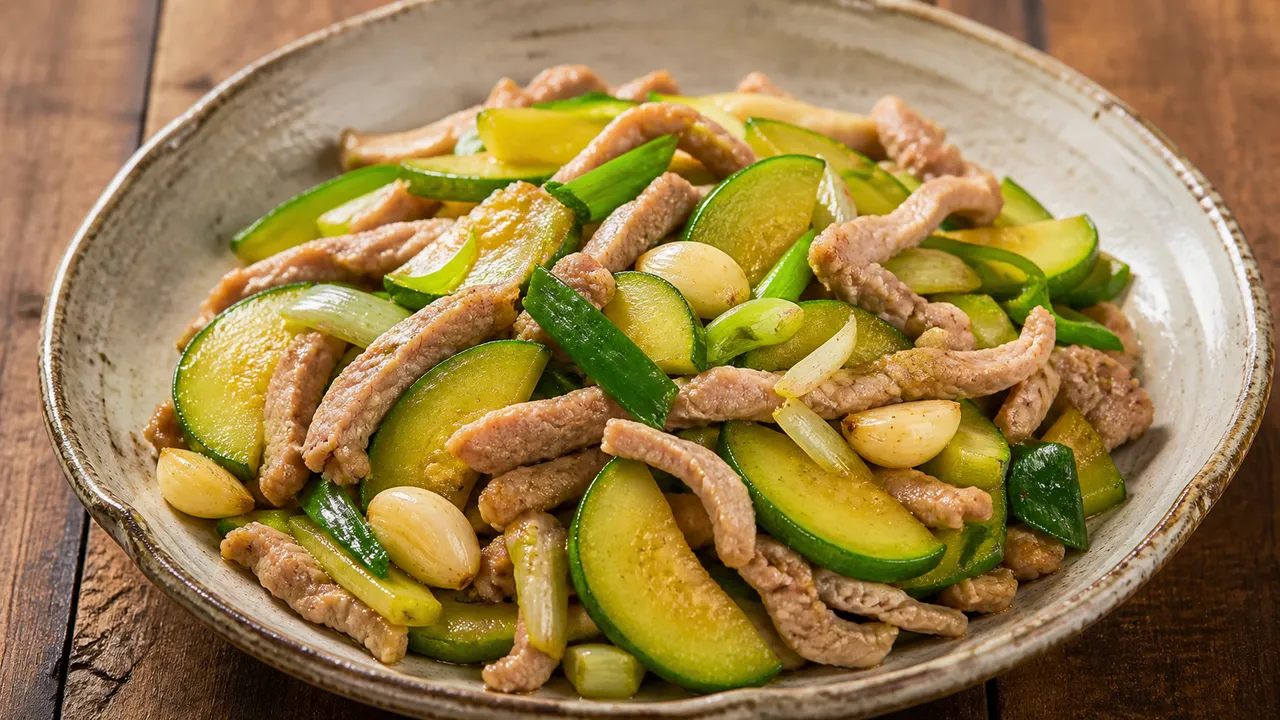
3 Korean Zucchini Dishes Recipe
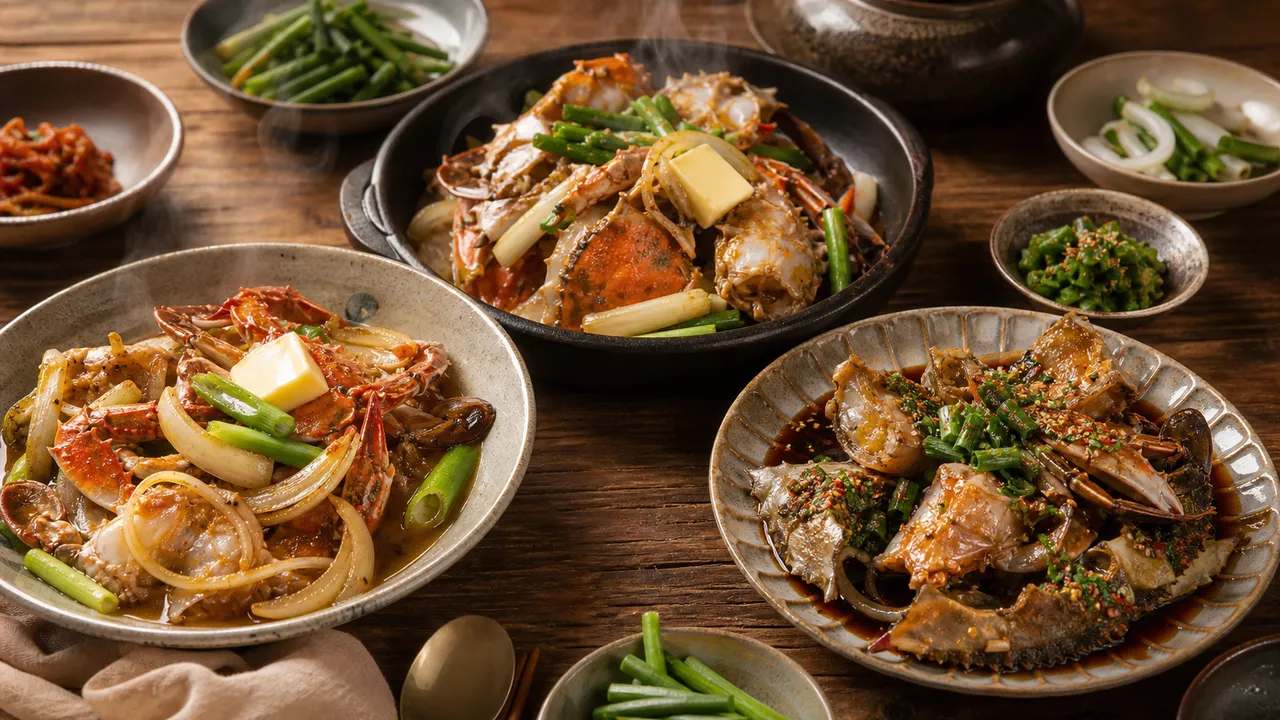
* 이미지는 AI가 생성한 참고 이미지로, 실제 조리 결과물과 다를 수 있습니다.
Here are three versatile Korean zucchini recipes for you to enjoy.
📋 3 recipes — Select to view
This side dish offers a deep umami flavor, made by stir-frying Korean zucchini and pork loin in chili oil.
📝 Editor's Notes
Aehobak Saeujeon (Korean Zucchini and Shrimp Pancake) is a special jeon (전) dish that offers a mouthfeel full of umami, combining bouncy shrimp and tender Korean zucchini (애호박).
Its clean yet deep flavor is exquisite, making it a dish that everyone, young and old, will love.
While it takes a bit of effort to make, once you see the finished dish, you'll find the effort well worth it.
From summer to fall, when Korean zucchini (애호박) is in season, it's perfect for family meals and even for entertaining guests.
It's great as a warm side dish for rice and also a delightful treat to pair with a refreshing glass of makgeolli (막걸리) (Korean rice wine).
🛒 Ingredient Tips
Fresh Korean zucchini (애호박) has a glossy, smooth surface without blemishes, and feels heavy and firm when lifted.
Choosing a medium size that isn't too large ensures tender fibers, perfect for making jeon.
After thawing frozen shrimp, thoroughly pat them dry with a paper towel to achieve a bouncy texture without any fishy smell.
If moisture remains, the filling can easily fall apart when frying the jeon, so pay attention to this detail.
For the filling, use firm tofu, like that for pan-frying (buchim-yong dubu), as it's easier to squeeze out water and helps the jeon maintain its shape without falling apart during frying.
🔄 Substitution Guide
You can use zucchini instead of Korean zucchini (애호박).
Zucchini is firmer and contains less moisture than Korean zucchini (애호박), which results in a chewier texture when made into jeon.
If you have a shrimp allergy or don't enjoy seafood, try using minced pork or chicken breast instead.
Pork adds a savory flavor, while chicken breast provides a clean taste.
For vegetarians, minced mushrooms (such as shiitake or king oyster mushrooms) can be substituted to make fragrant and healthy vegetarian jeon.
Instead of potato starch, adding sweet rice flour can create a chewier texture, while using wheat flour will result in a softer jeon, though it may be less crispy.
🥘 Ingredients
👨🍳 Cooking Points
To successfully make this jeon, remember three key points.
First, the key is to slice the Korean zucchini (애호박) thinly, salt it, and then thoroughly remove the released moisture.
This makes the Korean zucchini (애호박) tender and easy to roll, preventing the jeon from becoming soggy.
Second, when making the shrimp filling, coarsely chop the shrimp for a slightly chewy texture, and finely chop the onion, carrot, and green onion so that all ingredients blend well.
Potato starch will act as an excellent binder for the filling.
Finally, it's important to heat enough cooking oil over medium-low heat and cook with a lid on.
Cook each side for about 4 minutes, then flip and pan-fry until golden brown and crispy.
👨🍳 Directions
Trim the ends of 2 Korean zucchinis (애호박) and cut them lengthwise into quarters. Scoop out and discard the soft inner part (or seeds) as desired. Slice lengthwise into 0.2-inch (0.5 cm) thick pieces, then cut them in half and place in a bowl.
Add 2/3 tbsp salt to the Korean zucchini and let it sit for about 30 minutes. Turn it over once in between.
Rinse the salted Korean zucchini once under cold water to remove excess salt, then squeeze out the water thoroughly and drain in a colander.
Slice 1/5 of a carrot into 0.1-inch (0.3 cm) thick pieces, then julienne them to the same thickness. Slice 1/2 green onion diagonally into 0.2-inch (0.5 cm) thick pieces. Roughly chop 3 garlic cloves. Slice 1 Cheongyang chili pepper (청양고추) diagonally into 0.15-inch (0.4 cm) thick pieces.
Place a pan over medium-low heat, add 4 tbsp olive oil. Once hot, add 8.7 oz (246g) of julienned pork loin. Break up any clumps of meat and stir-fry until it starts to brown.
Add the chopped garlic and Cheongyang chili pepper (청양고추) to the stir-fried pork and continue to stir-fry to enhance the aroma.
Add 1 tbsp salted fermented shrimp (새우젓), 1 tbsp soy sauce, and 1 tbsp Korean chili powder (고춧가루). Stir-fry them in the oil to create chili oil, which adds depth of flavor. Add 1 additional tbsp of olive oil to further enhance the chili oil.
Add the carrot, green onion, and Korean zucchini (애호박). Mix thoroughly and stir-fry for about 2 minutes until the seasoning is evenly distributed and the Korean zucchini is crisp-tender. Turn off the heat.
Serve generously on a plate and sprinkle with a pinch of savory sesame seeds. Enjoy!
💡 Tips
The soft inner part of the Korean zucchini can be used in dishes like doenjang jjigae (된장찌개) (Korean soybean paste stew).
Instead of julienned pork loin, you can use pork belly or pork neck. In this case, reduce the amount of olive oil.
When making chili oil, stir-frying Korean chili powder (고춧가루) with olive oil together can add a deeper flavor.
📦 Storage & Reuse
Store the finished Aehobak Saeujeon (Korean Zucchini and Shrimp Pancake) in an airtight container in the refrigerator for 2-3 days.
For longer storage, portion them into single servings, wrap in plastic, or place in freezer bags, and freeze for 1-2 weeks.
To reheat frozen jeon, air fry at 350°F (180°C) for 5-7 minutes, or pan-fry over low heat until golden brown and crispy.
Reheating in a microwave will make it moist but less crispy.
Use leftover Korean zucchini (애호박) for stir-fries or doenjang jjigae (된장찌개), and leftover shrimp filling for donggeurangttaeng (동그랑땡) (Korean pan-fried meatballs) or mandu (만두) (dumpling) filling.
🥢 Who This Is For
This Aehobak Saeujeon (Korean Zucchini and Shrimp Pancake) is made with nutritious ingredients, making it an excellent healthy snack or nutritious side dish for growing children.
Its clean and sophisticated flavor makes it wonderful for entertaining guests, and it becomes a delicious anju (안주) (drinking snack) when paired with refreshing makgeolli (막걸리) or beer.
When eaten as a side dish for rice, it's delicious enough on its own without a soy sauce dipping sauce, but a slightly salty soy-vinegar dipping sauce can also be a delightful addition.
Serve with a warm soup or stew for a hearty meal.
🔥 Nutrition Info
One serving of Aehobak Saeujeon (Korean Zucchini and Shrimp Pancake) is estimated to be approximately 260-280 kcal, containing about 20-22g of protein, 14-16g of fat, and 9-11g of carbohydrates.
Korean zucchini (애호박) is rich in dietary fiber and vitamin C, aiding digestion and promoting skin health.
Shrimp is a high-protein, low-fat food rich in taurine, which helps with fatigue recovery and vascular health.
Additionally, with the plant-based protein and calcium from tofu, it's a healthy dish with excellent nutritional balance.
Although it's a pan-fried jeon, it's rich in vegetables and protein, so you can enjoy it without guilt.
Sodium content can be adjusted with oyster sauce and salt.
💬 Frequently Asked Questions
- Q. What ingredients do I need for 3 Korean Zucchini Dishes?
- Main ingredients include Korean Zucchini (애호박), Salt, Pork Loin (for stir-fry), Green Onion, Garlic Cloves. Choose Korean zucchini with a smooth, glossy surface, no blemishes, and a firm, heavy feel. A medium size, rather than overly large or plump, will have fewer seeds and a softer texture, making it sweeter. Also, check that the stem is fresh and not dried out. For the pork loin, select fresh meat with a vibrant pink color and a moderate amount of fat. If buying pre-sliced meat for japchae, ensure the pieces aren't clumped together. For salted fermented shrimp (새우젓), choose one with a refreshing and savory aroma rather than a strong, pungent smell, as this will significantly enhance the dish's flavor.
- Q. What are the key tips for making 3 Korean Zucchini Dishes?
- The first key to this dish is preparing the Korean zucchini. It's crucial to slice the zucchini into 0.2-inch (0.5 cm) thick pieces, salt them for 30 minutes, then rinse them in cold water and squeeze out all excess moisture. This process helps retain the zucchini's crisp texture and prevents it from becoming watery when stir-fried. The second key is making the chili oil. By first stir-frying Korean chili flakes (고춧가루), salted fermented shrimp (새우젓), and soy sauce in olive oil, you create a flavorful oil that deeply infuses the ingredients, resulting in a much richer taste. Be careful to stir-fry over medium-low heat to prevent burning. Finally, the point is to quickly stir-fry the vegetables, including the zucchini, for only about 2 minutes. Overcooking the zucchini will make it mushy, so turn off the heat while it still retains its crispness.
- Q. How should I store leftover 3 Korean Zucchini Dishes?
- The finished Korean zucchini stir-fry can be stored in an airtight container in the refrigerator for 2-3 days. To reheat, gently stir-fry it in a pan over low heat or warm it in a microwave. Be careful not to overcook the zucchini, as it can become mushy. When reheating in a pan, adding a little cooking oil can help maintain its original taste and texture. Don't discard the scooped-out zucchini pulp; it's excellent for adding deep flavor to stews like doenjang jjigae (된장찌개) or sundubu jjigae. Leftover pork loin can also be finely minced and used in fried rice or Jjajang sauce.
- Q. How many calories are in 3 Korean Zucchini Dishes?
- This Korean zucchini stir-fry is estimated to be around 250-280 calories per serving, containing approximately 15-20g of protein, 20-25g of fat, and 5-10g of carbohydrates. Korean zucchini is rich in various vitamins and minerals like Vitamin A, C, potassium, and manganese, which help boost immunity and reduce fatigue. It's also rich in dietary fiber, benefiting gut health. Pork loin is a good source of quality protein, abundant in B vitamins, iron, and zinc, which are good for energy production and anemia prevention. Olive oil provides healthy unsaturated fatty acids that can positively impact cardiovascular health. However, the sodium content may be somewhat high, so those who prefer a less salty diet should adjust the amount of salted fermented shrimp (새우젓) or soy sauce.
- Q. Can I substitute ingredients in 3 Korean Zucchini Dishes?
- 돼지고기 등심 대신 삼겹살이나 목살을 사용하시면 더욱 풍부한 맛과 부드러운 식감을 즐길 수 있습니다. 다만, 삼겹살이나 목살은 지방 함량이 높으므로 레시피에 제시된 올리브유 양을 절반 정도로 줄여서 사용하시는 것이 좋아요. 담백한 맛을 선호하시면 닭가슴살을 채 썰어 넣어도 좋고, 채식주의자라면 새송이버섯이나 표고버섯을 길게 썰어 넣어 고기 대신 쫄깃한 식감을 더할 수 있습니다. 애호박 대신 주키니나 노각을 사용해도 좋습니다. 노각은 애호박보다 수분이 많으니 소금에 절이는 시간을 좀 더 늘리고 물기를 더 꾹 짜주세요. 새우젓이 없거나 해산물 알레르기가 있으시다면, 멸치 액젓 1큰술로 대체하거나 진간장 양을 조금 늘리고 소금으로 간을 맞춰도 좋습니다. 다만, 새우젓 특유의 시원하고 감칠맛 나는 풍미는 조금 줄어들 수 있다는 점을 감안해 주세요.
💬 Comments
No comments yet. Be the first to comment!