
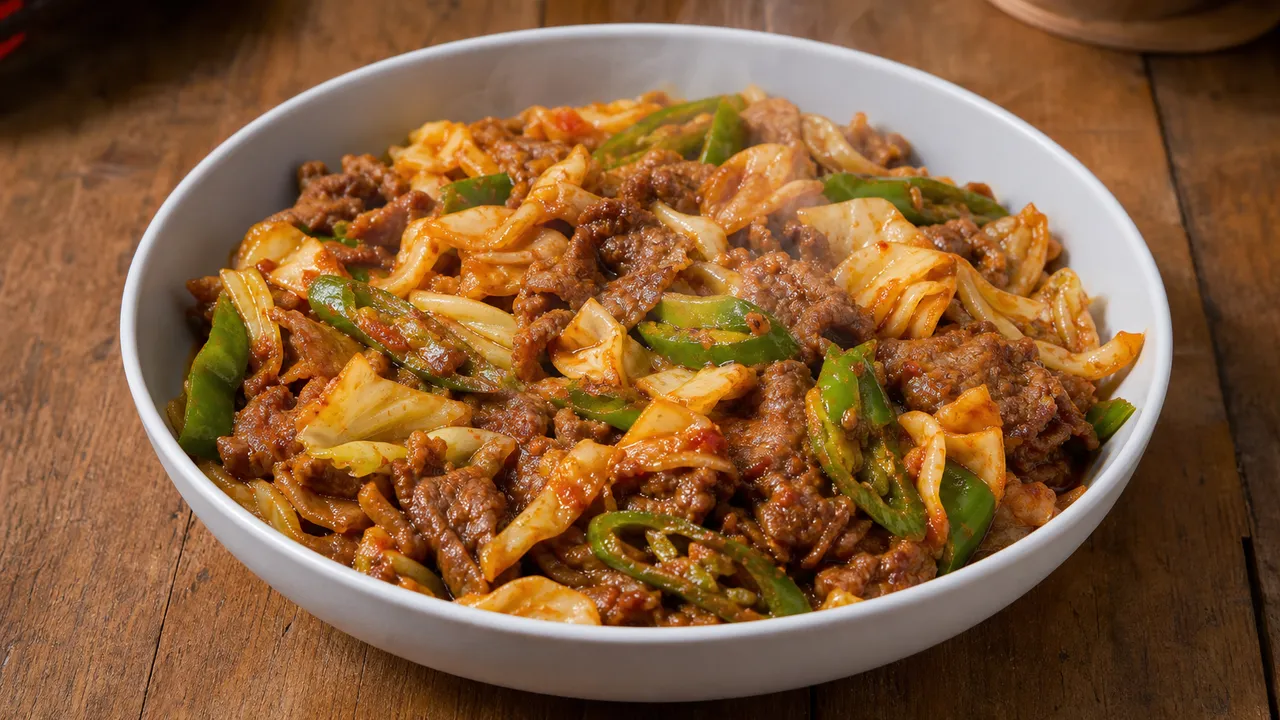
Super Easy Thinly Sliced Pork Bulgogi: A 'Rice Thief' Recipe
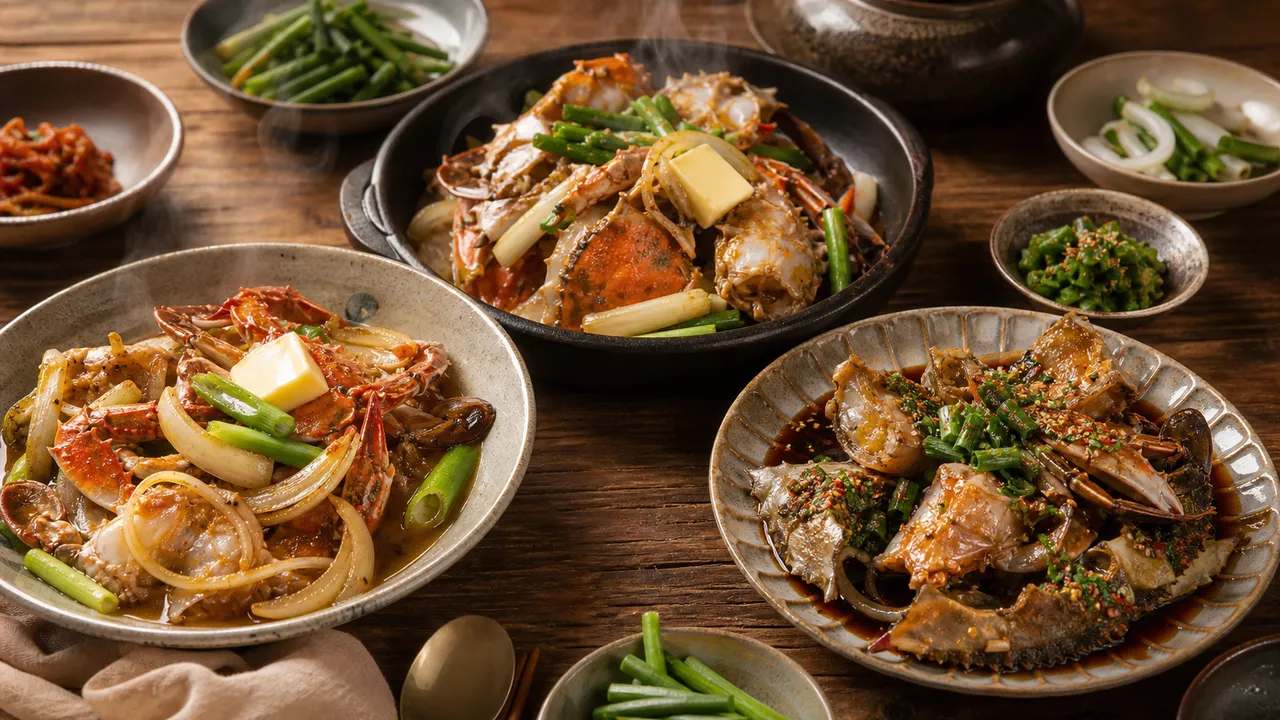
* 이미지는 AI가 생성한 참고 이미지로, 실제 조리 결과물과 다를 수 있습니다.
This spicy and sweet thinly sliced pork bulgogi (daepae bulgogi) is a 'rice thief' dish, completed in just 5 minutes with 600g of thinly sliced pork shoulder butt and a special sauce.
📝 Editor's Notes
This super easy thinly sliced pork bulgogi recipe allows you to complete a wonderful meal in just 5 minutes with 600g of thinly sliced pork shoulder butt and a special sauce.
Its spicy and sweet flavor is exquisite, perfectly suited to its nickname 'rice thief'.
It's great for busy weeknights or when unexpected guests arrive, and it's absolute heaven when served over warm rice.
It's a family-favorite menu, especially highly recommended for meat lovers.
🛒 Ingredient Tips
For this recipe's key ingredient, thinly sliced pork shoulder butt, it's best to choose slices that aren't too thin.
Moderately thick slices provide a better chew and retain juices better.
If you use thinly sliced pork belly, which is fattier, you don't need to add extra cooking oil. Choose fresh, firm cabbage.
Discard the outer leaves and use the inner leaves for a crisper texture.
Young garlic shoots are wonderfully fragrant when in season, but if difficult to find, using a generous amount of the white part of green onions will still yield a fragrant flavor.
🔄 Substitution Guide
If thinly sliced pork shoulder butt is unavailable, you can use thinly sliced regular pork shoulder or pork leg meat.
However, when using regular pork shoulder, which is thicker, you should increase the marinating time by about 10 minutes and also extend the cooking time a bit.
If you don't have cheongju (청주) or soju, adding about 2 tbsp of cooking wine (mirin or sake) can help remove gamey odor and enhance flavor.
Using allulose instead of sugar can be a good alternative for those who are health-conscious, as it reduces sugar content.
Using green onions instead of young garlic shoots is fine, but note that the unique fragrance of young garlic shoots might be slightly less.
🥘 Ingredients
👨🍳 Cooking Points
The most important cooking point is to stir-fry quickly over high heat for a short time.
Overcooking the meat will make it tough and lose its juices, affecting the flavor.
After adequately heating the pan, add the seasoned meat and stir-fry quickly over high heat for about 5 minutes.
The second point is to cover the pan and cook for 2-3 minutes after adding the vegetables.
This allows the vegetables to wilt nicely, and the flavors of the meat and sauce to meld together for a deeper taste.
Finally, in the finishing step, adding corn syrup (or rice syrup), sesame oil, and toasted sesame seeds adds a glossy finish and savory richness, elevating the flavor.
This is the secret to this 'rice thief' thinly sliced pork bulgogi!
👨🍳 Directions
Add 3 tbsp soy sauce, 2 tbsp sugar (or allulose), 3 tbsp cheongju (청주) (or soju), 1 tbsp gochujang (고추장), 3 tbsp gochugaru (고춧가루), black pepper to taste, 100ml water, 2 tbsp minced garlic, and a suitable amount of minced white part of green onions to 600g of pork (thinly sliced pork shoulder butt). Mix well and massage to ensure the seasoning is absorbed. If using regular pork shoulder, add 3 tbsp cooking oil.
Slice a handful of cabbage into long strips. Slice young garlic shoots (or green onions) into finger-length pieces and prepare.
Heat a pan until hot. Add the seasoned meat and stir-fry quickly over high heat for about 5 minutes.
Once the meat is partially cooked and juices start to form, add the sliced cabbage and young garlic shoots (or green onions). Cover the pan and cook for 2-3 minutes to allow the garlic aroma to spread evenly.
Open the lid and stir-fry the wilted vegetables and meat once more. Finish by drizzling with corn syrup (or rice syrup), a drizzle of sesame oil (or perilla oil), and a pinch of toasted sesame seeds. You can add more gochugaru (고춧가루) to taste, if desired.
💡 Tips
Minced white part of green onions enhances the flavor of the seasoning.
Using young garlic shoots adds a richer aroma to the stir-fried meat.
Thinly sliced pork belly has a lot of fat, so you can omit the cooking oil. For thinly sliced pork shoulder butt, which is leaner, it's good to add 3 tbsp of cooking oil.
Covering the pan and cooking for 2-3 minutes after adding vegetables allows the juices and flavors to develop properly.
If eating with ssam (쌈) vegetables, avoid making it too salty to enjoy harmoniously with myeonginamul (명이 나물 - pickled wild garlic leaves).
📦 Storage & Reuse
Leftover thinly sliced pork bulgogi can be stored in an airtight container in the refrigerator for 2-3 days.
When ready to eat, reheat in a pan over low heat or microwave to enjoy warm.
It can also be frozen; portion and freeze for up to 1 month.
After thawing, stir-fry again, adding a little water to maintain moisture.
Leftover thinly sliced pork bulgogi is also delicious as a topping for rice (덮밥) or mixed into kimchi fried rice.
🥢 Who This Is For
This thinly sliced pork bulgogi is especially recommended for busy dual-income couples or cooking beginners.
You can quickly create a fantastic main dish in a short amount of time.
The spicy and sweet flavor that kids also love makes it perfect for a family dinner.
You can enjoy it more richly and deliciously with fresh ssam (쌈) vegetables like lettuce and perilla leaves, and serving it with refreshing soybean sprout soup (kongnamul-guk) or doenjang-jjigae (된장찌개) will complete a perfect Korean meal.
🔥 Nutrition Info
This thinly sliced pork bulgogi is estimated to be around 450-550 kcal per serving (based on approximately 200g).
It can be considered to contain approximately 25-30g protein, 30-40g fat, and 15-20g carbohydrates.
Pork shoulder butt is rich in protein, which is good for muscle formation and energy supply, and it's also rich in B vitamins, which help alleviate fatigue.
Vegetables like cabbage and young garlic shoots replenish dietary fiber and vitamin C, contributing to nutritional balance.
If not eaten too spicy, it will be a healthy and satisfying meal.
💬 Frequently Asked Questions
- Q. What ingredients do I need for Super Easy Thinly Sliced Pork Bulgogi: A 'Rice Thief' Recipe with Golden Sauce?
- Main ingredients include Pork (Thinly Sliced Pork Shoulder Butt), Soy sauce, Sugar (or allulose), Cheongju (청주) (or soju), Gochujang (고추장). For this recipe's key ingredient, thinly sliced pork shoulder butt, it's best to choose slices that aren't too thin. Moderately thick slices provide a better chew and retain juices better. If you use thinly sliced pork belly, which is fattier, you don't need to add extra cooking oil. Choose fresh, firm cabbage. Discard the outer leaves and use the inner leaves for a crisper texture. Young garlic shoots are wonderfully fragrant when in season, but if difficult to find, using a generous amount of the white part of green onions will still yield a fragrant flavor.
- Q. What are the key tips for making Super Easy Thinly Sliced Pork Bulgogi: A 'Rice Thief' Recipe with Golden Sauce?
- The most important cooking point is to stir-fry quickly over high heat for a short time. Overcooking the meat will make it tough and lose its juices, affecting the flavor. After adequately heating the pan, add the seasoned meat and stir-fry quickly over high heat for about 5 minutes. The second point is to cover the pan and cook for 2-3 minutes after adding the vegetables. This allows the vegetables to wilt nicely, and the flavors of the meat and sauce to meld together for a deeper taste. Finally, in the finishing step, adding corn syrup (or rice syrup), sesame oil, and toasted sesame seeds adds a glossy finish and savory richness, elevating the flavor. This is the secret to this 'rice thief' thinly sliced pork bulgogi!
- Q. How should I store leftover Super Easy Thinly Sliced Pork Bulgogi: A 'Rice Thief' Recipe with Golden Sauce?
- Leftover thinly sliced pork bulgogi can be stored in an airtight container in the refrigerator for 2-3 days. When ready to eat, reheat in a pan over low heat or microwave to enjoy warm. It can also be frozen; portion and freeze for up to 1 month. After thawing, stir-fry again, adding a little water to maintain moisture. Leftover thinly sliced pork bulgogi is also delicious as a topping for rice (덮밥) or mixed into kimchi fried rice.
- Q. How many calories are in Super Easy Thinly Sliced Pork Bulgogi: A 'Rice Thief' Recipe with Golden Sauce?
- This thinly sliced pork bulgogi is estimated to be around 450-550 kcal per serving (based on approximately 200g). It can be considered to contain approximately 25-30g protein, 30-40g fat, and 15-20g carbohydrates. Pork shoulder butt is rich in protein, which is good for muscle formation and energy supply, and it's also rich in B vitamins, which help alleviate fatigue. Vegetables like cabbage and young garlic shoots replenish dietary fiber and vitamin C, contributing to nutritional balance. If not eaten too spicy, it will be a healthy and satisfying meal.
- Q. Can I substitute ingredients in Super Easy Thinly Sliced Pork Bulgogi: A 'Rice Thief' Recipe with Golden Sauce?
- If thinly sliced pork shoulder butt is unavailable, you can use thinly sliced regular pork shoulder or pork leg meat. However, when using regular pork shoulder, which is thicker, you should increase the marinating time by about 10 minutes and also extend the cooking time a bit. If you don't have cheongju (청주) or soju, adding about 2 tbsp of cooking wine (mirin or sake) can help remove gamey odor and enhance flavor. Using allulose instead of sugar can be a good alternative for those who are health-conscious, as it reduces sugar content. Using green onions instead of young garlic shoots is fine, but note that the unique fragrance of young garlic shoots might be slightly less.
💬 Comments
No comments yet. Be the first to comment!