
8 Hearty Korean Side Dishes for a Week Recipe
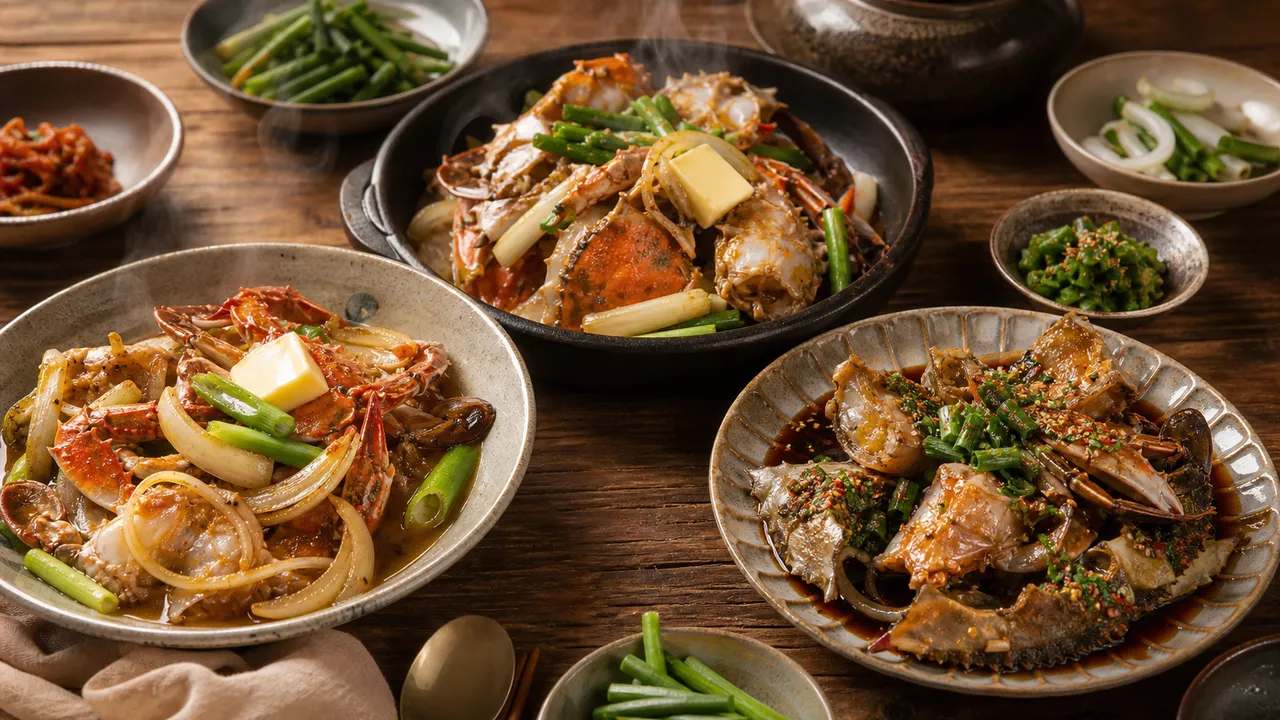
* 이미지는 AI가 생성한 참고 이미지로, 실제 조리 결과물과 다를 수 있습니다.
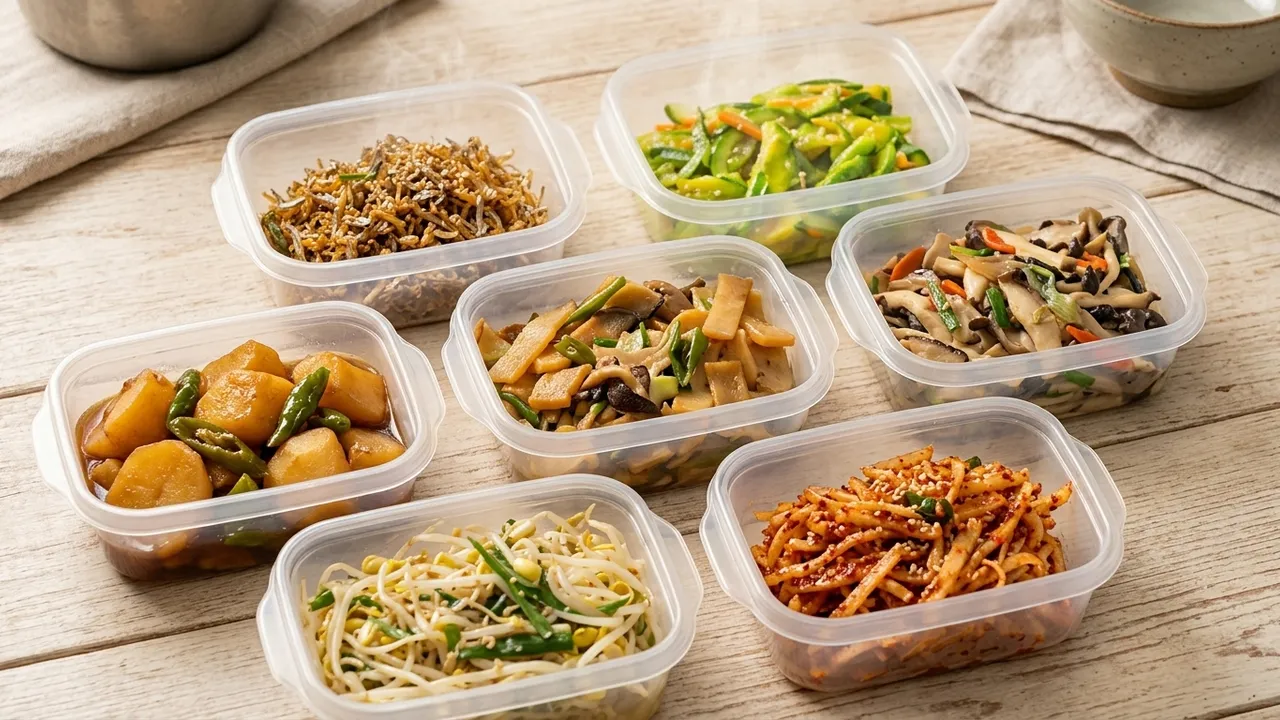
A collection of 8 hearty and delicious Korean side dishes (banchan) that can last you all week for the cost of one meal out. These dishes are even loved by picky eaters.
📋 8 recipes — Select to view
This is a hearty and delicious Korean side dish that can be enjoyed all week long for the price of one meal out. It's a dish even picky eaters will love.
📝 Editor's Notes
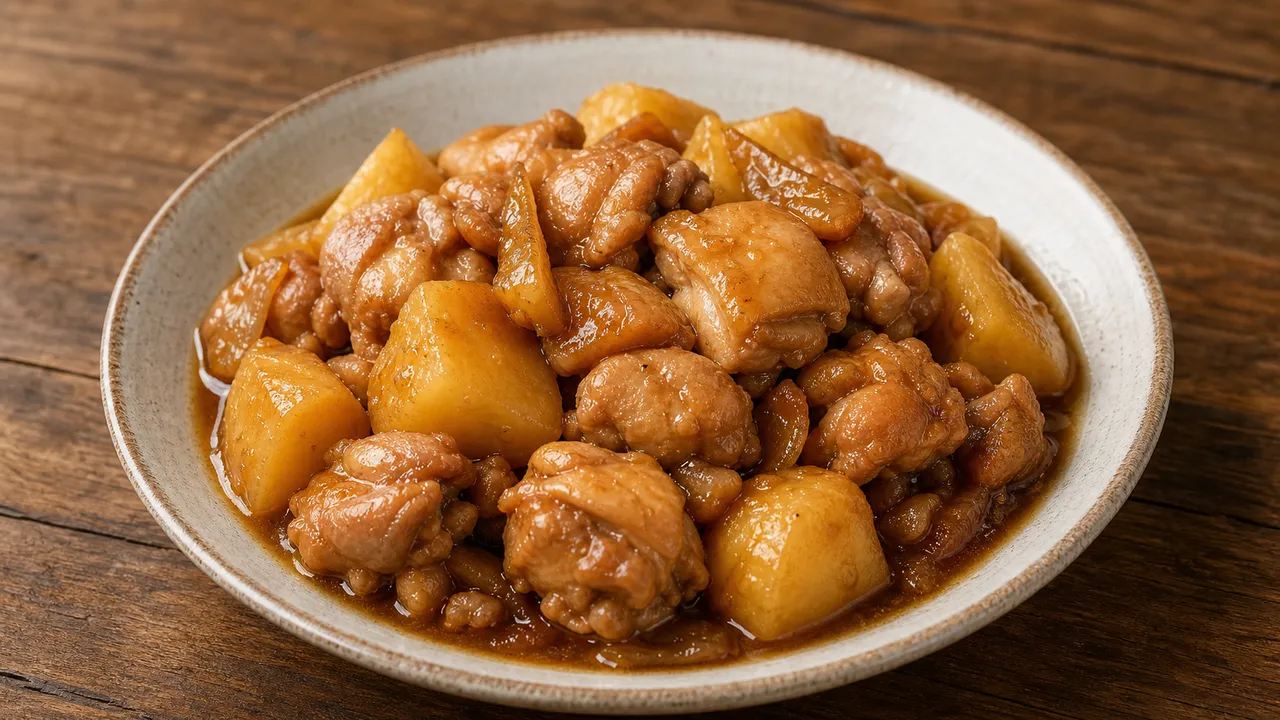
Tender Braised Chicken Thighs with Potatoes is a sweet and savory homemade side dish featuring crispy-on-the-outside, juicy-on-the-inside chicken thighs and soft potatoes.
Its simple cooking process makes it easy for beginners, and the short 5-minute cooking time is a big advantage for busy daily life.
With its universally appealing flavor, it's perfect for the whole family and especially great with rice.
It can be stored in the refrigerator for up to a week, making it an excellent make-ahead side dish.
🛒 Ingredient Tips
For the chicken thighs, the key ingredient in this recipe, it's important to choose fresh ones.
Select chicken that has a bright pink color, a glossy sheen, and is firm to the touch.
Using high-quality products, such as Harim Natural Farm antibiotic-free chicken thighs, will result in a more delicious dish.
For potatoes, choose those with unblemished skin, firm texture, and no sprouts.
New potatoes (햇감자) have a high moisture content, making them good for a fluffy texture, while autumn potatoes are higher in starch, offering a richer flavor.
For Korean chives (부추), choose those with vivid green leaves that aren't wilted to add a fragrant aroma.
🔄 Substitution Guide
Chicken breast can be used instead of chicken thighs.
Chicken breast is leaner but may not achieve the same moist texture as thighs.
In this case, reduce cooking time slightly or add a little milk to the sauce for tenderness.
Sweet potatoes or pumpkin can be used instead of regular potatoes for a different sweet flavor.
Sweet potatoes may take longer to cook than regular potatoes, so it's best to cook them first.
If rice syrup (조청) is unavailable, any sweetener such as corn syrup, oligosaccharide, honey, allulose, or sugar can be used.
Note that sugar is sweeter, so adjust the amount accordingly.
🥘 Ingredients
👨🍳 Cooking Points
There are two key cooking points for this dish.
First, lightly sprinkling cornstarch on the chicken thighs helps achieve a crispy exterior and a moist interior.
The starch forms a thin film on the meat's surface, preventing moisture loss and adding crispness.
Second, after browning the chicken thighs and potatoes, add the sauce and cover with a lid to cook.
Cook the chicken over medium heat until the skin is crispy, then add the sauce and cover for about 5 minutes to steam-cook.
This makes the meat tender and the potatoes fluffy throughout.
Be careful not to cook for too long over high heat, as the sauce may burn.
👨🍳 Directions
Cut 2 medium potatoes into large pieces and soak them in water.
Lightly sprinkle cornstarch over the meaty side of 350g boneless chicken thighs.
Place the chicken thighs and potatoes in a pan and cook until golden brown.
Flip occasionally, cooking until the outside is crispy and chewy, and the inside is moist.
Add 3 tbsp soy sauce, 3 tbsp mirin (Korean cooking wine), 1 tbsp rice syrup (조청), and 1 tbsp minced garlic, then mix lightly.
Cover with a lid to steam, cooking the meat and tenderizing the potatoes.
Chop the Korean chives and sprinkle them over the braised dish.
Sprinkle with toasted sesame seeds to finish, then transfer to a side dish container.
Add rice and 1 tbsp oyster sauce to the remaining sauce and make fried rice.
💡 Tips
Potatoes can be frozen and thawed, and still taste delicious.
Sprinkling cornstarch on the chicken thighs helps them cook up crispy on the outside and moist on the inside.
If you don't have rice syrup (조청), you can substitute it with corn syrup, oligosaccharide, honey, allulose, or sugar.
Tender Braised Chicken Thighs (포슬포슬 닭다리살 조림) can be frozen for storage and kept in the refrigerator for up to a week.
📦 Storage & Reuse
Store the finished braised chicken thighs in an airtight container in the refrigerator for about a week.
For longer storage, divide into single portions and freeze.
It is recommended to consume frozen portions within one month.
Thaw frozen portions in the microwave or reheat gently in a pan over low heat.
When reheating, if the sauce has reduced, add 1-2 tbsp of water to maintain its moisture.
Leftover potatoes or chicken can also be finely chopped and used in kimchi fried rice (김치볶음밥) or curry.
🥢 Who This Is For
This braised chicken thigh dish is an absolute 'rice thief' (밥도둑 – so delicious it makes you eat a lot of rice) when served with warm rice.
It's great as a side dish for kids and a perfect accompaniment to drinks for adults.
The hidden gem of this recipe is making fried rice with the leftover sauce, adding rice and oyster sauce – be sure to try it!
For accompanying dishes, we recommend refreshing bean sprout soup (콩나물국), seaweed soup (미역국), or crispy cucumber salad.
This is a highly recommended family meal that will fill you up deliciously.
🔥 Nutrition Info
This braised chicken thigh dish is estimated to be approximately 450-500 kcal per serving (about half of this recipe's total yield).
It is estimated to contain about 30-35g of protein, 25-30g of fat, and 25-30g of carbohydrates.
Chicken thighs are rich in high-quality protein, iron, and B vitamins, which help in restoring energy.
Potatoes are rich in vitamin C, potassium, and dietary fiber, promoting immune health and gut health, while starch provides energy.
Due to seasonings like rice syrup (조청) and soy sauce, there may be some sodium and sugar content, so it's advisable to consume in moderation for health.
💬 Frequently Asked Questions
- Q. What ingredients do I need for 8 Hearty Korean Side Dishes for a Week?
- Main ingredients include Boneless Chicken Thigh, Potato, Starch, Brewed Soy Sauce, Mirin (cooking wine). For delicious braised chicken thighs, it's important to choose fresh ingredients. First, 🍗 select chicken thighs with clean skin and firm flesh. Using boneless thighs will make cooking much easier. 🥔 For potatoes, choose those that are firm, blemish-free, and haven't sprouted. Floury potatoes (such as russets) will yield a fluffier texture. For the key seasoning, 🍶 brewed soy sauce, a product with a longer fermentation period will add a deeper flavor. While summer potatoes are at their peak, good quality potatoes can be found year-round, so no worries.
- Q. What are the key tips for making 8 Hearty Korean Side Dishes for a Week?
- The keys to success for this recipe are 'crispy outside, juicy inside' chicken thighs and 'fluffy' potatoes! First, 🌟 lightly sprinkling starch on the chicken thighs is crucial. Don't sprinkle too much, just a thin coating. This makes the chicken crispy on the outside and juicy with its natural juices on the inside when cooked. Second, 🔥 it's important to thoroughly brown the chicken thighs and potatoes. Cook the chicken thighs skin-side down over medium heat for about 5-7 minutes until crispy, then flip and cook for another 5 minutes. Continuously roll the potatoes alongside to brown them as well. Third, ⏱️ the steaming time after adding the sauce is important. In about 5-8 minutes over medium-low heat, the chicken will cook through and become tender, and the potatoes will absorb the seasoning and become fluffy. Keep these points in mind for a delicious, foolproof braised dish!
- Q. How should I store leftover 8 Hearty Korean Side Dishes for a Week?
- Let me give you some tips for storing your carefully prepared braised chicken thighs (Poseul-poseul Dakdari-sal Jorim) deliciously. 🧊 Once cooled, transfer the finished dish to an airtight container and refrigerate it, where it will stay fresh for about a week. If you want to store it longer, I recommend dividing it into single-serving portions and freezing them. For frozen storage, it's best to consume within one month. To reheat, microwave for 2-3 minutes or sauté in a pan over low heat until warm, tasting as fresh as when it was just made. Besides fried rice, you can also use the leftover sauce as a tteokbokki (spicy rice cake) sauce for another delightful treat, so definitely give it a try! 💖
- Q. How many calories are in 8 Hearty Korean Side Dishes for a Week?
- This braised chicken thigh dish provides substantial nutrition. Based on 350g of chicken thighs and 2 medium potatoes (approx. 300g), one serving (out of 4 servings) is estimated to be around 250-300 kcal. Key nutrients include high-quality protein (approx. 70-80g/350g) and essential amino acids from the chicken thighs, aiding in muscle maintenance and growth. Potatoes provide carbohydrates (approx. 50g/300g) for energy, along with vitamin C and potassium, which help with sodium excretion and immune system strengthening. Minced garlic in the seasoning adds antioxidants, while garlic chives provide vitamins A, C, and iron, balancing the nutritional profile. It's a healthy and delicious meal! 💪
- Q. Can I substitute ingredients in 8 Hearty Korean Side Dishes for a Week?
- If you don't have certain ingredients or want to try a different flavor, no worries! Here are a few substitutions. 🔄 You can use chicken breast instead of chicken thighs for a leaner, lower-calorie option, but be careful not to overcook it to avoid dryness. Pork shoulder or pork leg can also be used for an excellent braised dish. 🥔 If you don't have potatoes, sweet potatoes or pumpkin can add a sweeter flavor that children might enjoy even more, and radishes can provide a refreshing, crunchy texture. 🍯 If jocheong (Korean grain syrup) is unavailable, you can substitute with corn syrup, oligosaccharide, honey, allulose, or sugar. While jocheong offers a unique deep sweetness and glaze, these alternatives will still result in a delicious dish, so feel free to use what you have!
💬 Comments
No comments yet. Be the first to comment!