
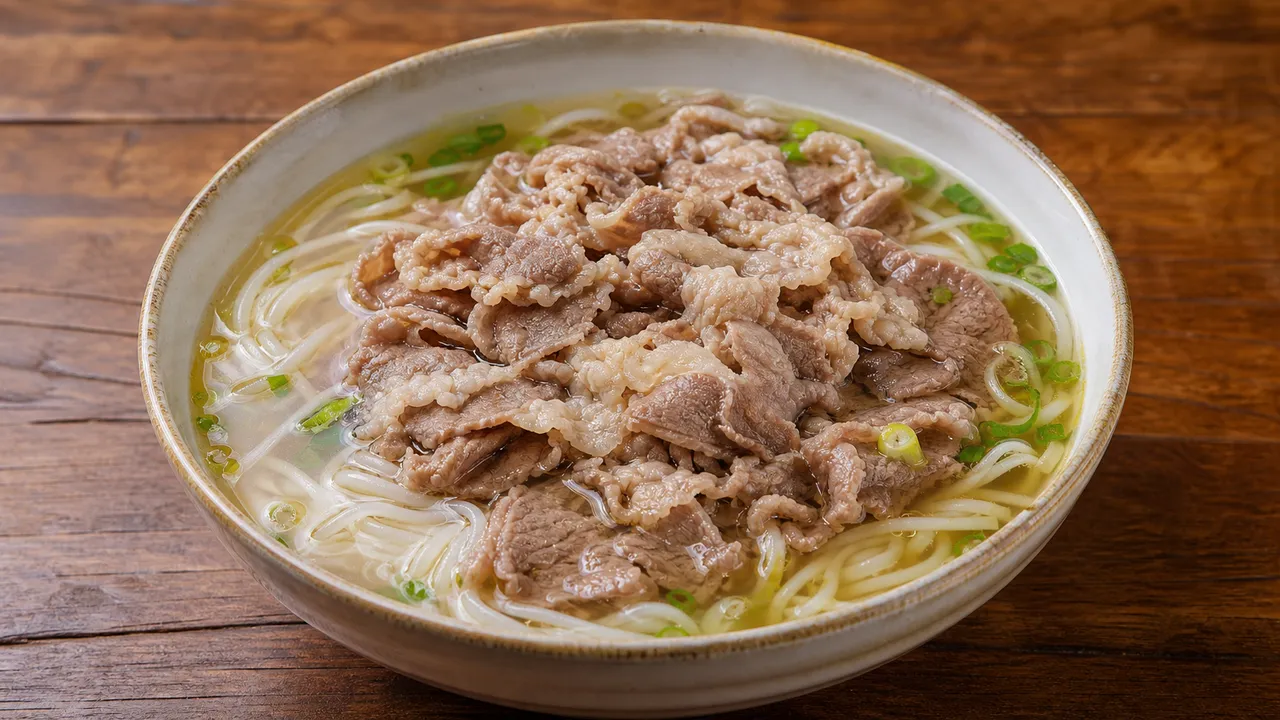
7 Woosamgyup (우삼겹) Meal Prep Recipes for Single Households
* 이미지는 AI가 생성한 참고 이미지로, 실제 조리 결과물과 다를 수 있습니다.
This is a collection of 6 dishes (Beef Brisket Rice Noodles, Stir-fried Udon, Kimchi Fried Rice, Doenjang Jjigae (된장찌개), Crispy Bulgogi (바싹불고기), and Jjamppong (짬뽕)) that are as simple as cooking ramen for those living alone, utilizing Woosamgyup (우삼겹) meal prep to help reduce food expenses.
📋 7 recipes — Select to view
This is a collection of 7 recipes (Rice Noodle Soup, Stir-fried Udon, Kimchi Fried Rice, Doenjang Jjigae (Korean Soybean Paste Stew), Crispy Bulgogi, Jjamppong (Spicy Seafood Noodle Soup)) utilizing Woosamgyup (우삼겹) meal prep, designed to be as simple as cooking ramen and reduce food expenses for those living alone.
📝 Editor's Notes
Woosamgyup (우삼겹) Rice Noodle Soup is a Korean-style rice noodle soup perfect for those who want a hearty and warm meal even in their busy daily lives.
The rich flavor of Woosamgyup (beef brisket) combined with the refreshing broth makes it excellent for hangovers or simply for a quick, satisfying meal.
Utilizing meal prep makes the cooking process very convenient, and the addition of spicy Cheongyang chili pepper (청양고추) and aromatic bean sprouts creates a wonderful balance of flavors.
It's especially recommended as a delightful dish to warm you up on chilly days.
With its short cooking time, it's a dish even beginner cooks can try without hesitation.
🛒 Ingredient Tips
Freshness is crucial for Woosamgyup (우삼겹).
Choose meat that is bright pink in color with white and clean fat.
It should not have any strong gamey odor and ideally have moderate marbling.
For scallions, choose those with clear green leaves and firm white stalks.
There are various types of rice noodles, including dried, fresh, and frozen.
If using dried noodles, soak them in lukewarm water before cooking to make them softer and chewier.
Fresh bean sprouts should have short, plump roots and a crisp texture.
Cheongyang chili peppers (청양고추) should be dark in color and not withered.
🔄 Substitution Guide
You can substitute Woosamgyup (우삼겹) with chadolbagi (차돌박이) (beef brisket point) or thinly sliced beef for bulgogi.
Chadolbagi offers a similar richness to woosamgyup, while bulgogi-style beef can be leaner and milder.
If using leaner beef, it's good to add a little cooking oil when stir-frying.
If you don't have rice noodles, you can use somyeon (소면) (thin wheat noodles) or thin kalguksu (칼국수) noodles, but the unique Southeast Asian aroma and texture of rice noodles might be lost.
If Dashida (다시다) is unavailable, you can use an anchovy-kelp broth pack or beef stock powder, but the depth of flavor might differ slightly, so adjust to your taste.
Instead of bean sprouts, you can add enoki mushrooms or oyster mushrooms for added texture and nutrition.
🥘 Ingredients
👨🍳 Cooking Points
There are two key points in this recipe.
First, it's important not to overcook the Woosamgyup (우삼겹) when stir-frying.
Cook it just until it's done and a little oil renders out to preserve its rich flavor.
Overcooking can make the meat tough.
Second, the ideal cooking time for rice noodles is about 1 minute.
Boil them briefly to prevent them from becoming mushy.
Cooking times may vary depending on the type of noodles, so refer to the package instructions or adjust based on the noodle's consistency.
Finally, when serving, the bean sprouts can be gently cooked by the residual heat of the broth when mixed with the noodles, allowing them to remain crisp yet tender.
👨🍳 Directions
Place two handfuls of Woosamgyup (우삼겹) per serving into a freezer-safe container.
Add one handful of chopped scallions and one tablespoon of minced garlic.
Freeze the portioned ingredients as described above. (Meal Prep)
Take out one meal prep pack and use it for the various dishes below.
💡 Tips
For convenience, portion and store meal prep ingredients in individual freezer-safe containers.
Pickled onion sauce can be made by mixing water, vinegar, and sugar in a 1:1:1 ratio. (Based on description)
📦 Storage & Reuse
The finished Woosamgyup Rice Noodle Soup is best enjoyed immediately as the noodles and broth can absorb too much liquid.
If there are leftovers, it's best to store the broth and noodles separately in the refrigerator.
The broth can be kept in an airtight container for 2-3 days, and the drained noodles should be stored in an airtight container and consumed within 1 day.
When reheating, warm the broth first, then add the noodles and briefly simmer.
Any leftover woosamgyup or bean sprouts can be used in fried rice or other stir-fried dishes.
The leftover broth can also be used to make porridge or as a base for stews.
🥢 Who This Is For
This Woosamgyup Rice Noodle Soup is highly recommended for busy professionals and students living alone.
It's a simple yet hearty meal.
It's also great for hangovers or when you crave a warm bowl of soup on a rainy day.
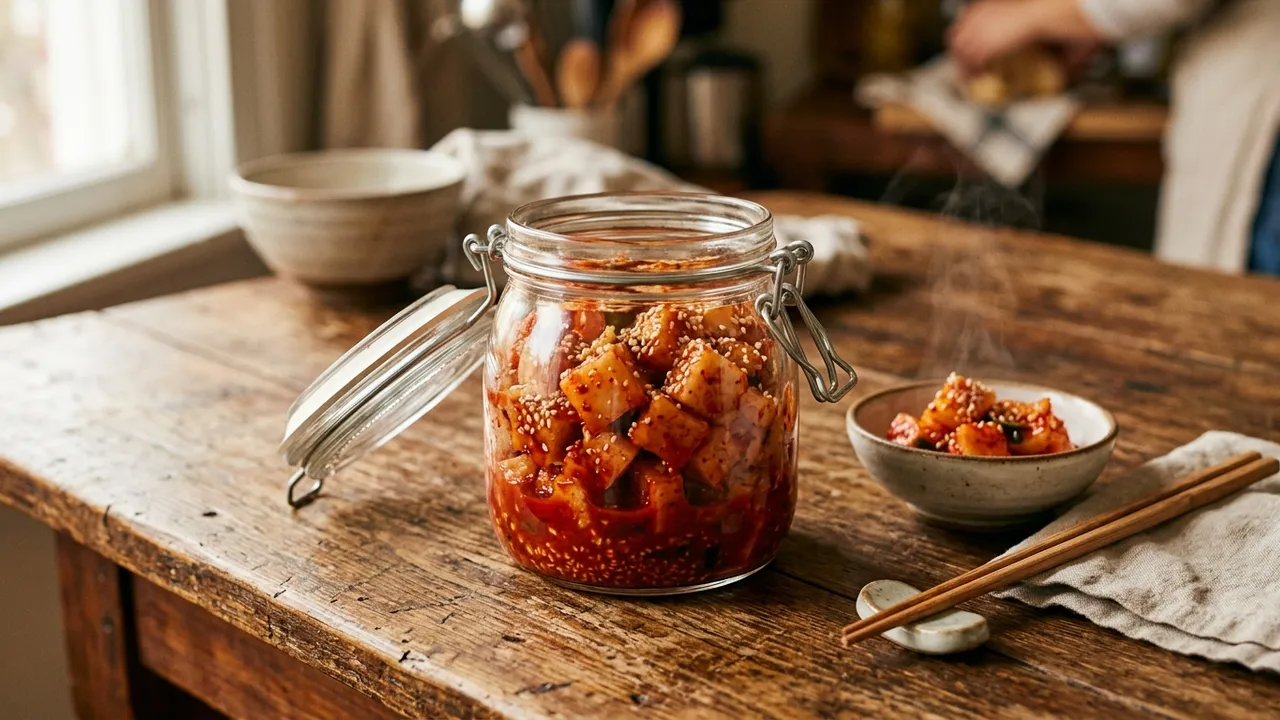
For side dishes, refreshing and crisp banchan (반찬) like kimchi or kkakdugi (깍두기) (diced radish kimchi) are excellent choices.
If you enjoy a spicier flavor, you can add a touch of chili oil, or for extra richness, top it with garlic flakes.
🔥 Nutrition Info
One serving of this Woosamgyup Rice Noodle Soup is estimated to be around 550-650 kcal.
It mainly consists of protein and fat from the woosamgyup, and carbohydrates from the rice noodles.
Approximately, you can expect 30-40g of protein, 30-40g of fat, and 50-60g of carbohydrates.
Bean sprouts and Cheongyang chili peppers provide vitamin C and dietary fiber, and woosamgyup also contains iron.
However, the sodium content can be high, so consume the broth in moderation, and those who prefer less salt should adjust the amount of soy sauce or fish sauce.
💬 Frequently Asked Questions
- Q. What ingredients do I need for 7 Woosamgyup (우삼겹) Meal Prep Recipes for Single Households?
- Main ingredients include Water, Vinegar, Sugar, Salt, Woosamgyup (우삼겹). Woosamgyup (우삼겹), the key ingredient for this meal prep, is important to choose fresh and high-quality. Select meat with good marbling and a bright red color. If using frozen Woosamgyup (우삼겹), check that the meat color has not changed and that the coldness is evenly distributed. For green onions, both the green leaf and white stem parts should be fresh and firm; slicing and freezing them makes them convenient to use whenever needed. Freshly minced garlic provides a much richer aroma, but commercial minced garlic is also perfectly adequate. Always remember that good ingredients are the foundation of delicious cooking.
- Q. What are the key tips for making 7 Woosamgyup (우삼겹) Meal Prep Recipes for Single Households?
- The most important cooking point is 'meal prep portioning.' The core is to precisely portion two handfuls of Woosamgyup (우삼겹), one handful of sliced green onions, and one tablespoon of minced garlic per serving and freeze them. This allows you to grab one pack whenever needed and use it directly in various dishes, saving significant time and effort. Also, Woosamgyup (우삼겹) can become tough if cooked for too long, so it's important to stir-fry it quickly over high heat to lock in its juices. Depending on the dish, you can use thawed or frozen Woosamgyup (우삼겹) as is, so cook according to your situation. The pickled onion sauce can be easily made by mixing water, vinegar, and sugar in a 1:1:1 ratio, making it highly versatile.
- Q. How should I store leftover 7 Woosamgyup (우삼겹) Meal Prep Recipes for Single Households?
- Woosamgyup (우삼겹), green onions, and minced garlic portioned for meal prep can be stored in the freezer for about 2 weeks, maintaining their freshness. It's crucial to minimize air exposure by storing them in airtight containers. The night before cooking, transfer them to the refrigerator for natural thawing, or for quicker thawing, place the sealed pack in cold water. Storage methods for completed dishes vary slightly. Noodle dishes like rice noodles or stir-fried udon are best eaten immediately, but kimchi fried rice, Doenjang Jjigae (된장찌개), and crispy bulgogi can be refrigerated for 2-3 days or frozen for up to 1 month. To reheat, use a microwave or gently warm them in a pot or pan over low heat.
- Q. How many calories are in 7 Woosamgyup (우삼겹) Meal Prep Recipes for Single Households?
- The nutritional content of a single meal made using this Woosamgyup (우삼겹) meal prep can vary significantly depending on the menu chosen. However, generally, based on 150g of Woosamgyup (우삼겹), you can expect approximately 500-700 kcal. Protein can range from about 25-35g, fat from 40-55g, and carbohydrates can be adjusted to 40-70g or more depending on the chosen menu (rice, noodles). Woosamgyup (우삼겹) is rich in quality protein, iron, zinc, and B vitamins, which can help with energy recovery and boost immunity. Green onions and garlic add vitamins, minerals, and dietary fiber, contributing to a balanced diet. Adding various vegetables will make for an even healthier and more balanced meal.
- Q. Can I substitute ingredients in 7 Woosamgyup (우삼겹) Meal Prep Recipes for Single Households?
- You can use Chadolbagi (차돌박이) or Daepae Samgyeopsal (대패삼겹살) instead of Woosamgyup (우삼겹). Chadolbagi (차돌박이) has a higher fat content than Woosamgyup (우삼겹), offering a richer and tenderer flavor, though it may be more expensive. Daepae Samgyeopsal (대패삼겹살) provides a similar texture and flavor to Woosamgyup (우삼겹) with less cost. If you prefer a leaner taste, try thinly sliced beef sirloin or front shoulder. However, they might be less tender and savory than Woosamgyup (우삼겹). If green onions are unavailable, finely chopped scallions or chives can be used instead. While the aroma will differ, they can maintain visual appeal and texture. For minced garlic, freshly minced garlic is best for flavor, but commercial minced garlic or garlic powder can also be used. However, note that garlic powder lacks the pungent aroma and fresh flavor of raw garlic.
💬 Comments
No comments yet. Be the first to comment!