
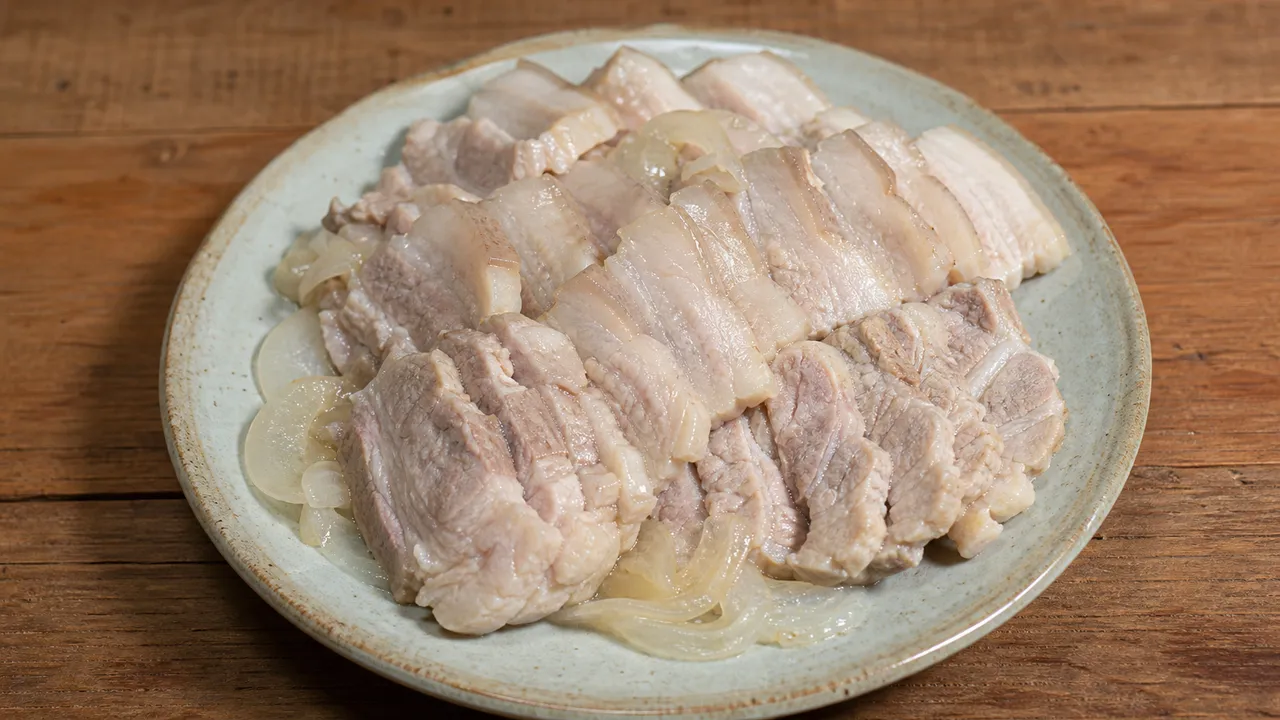
4 Super Simple Recipes Using Homeplus Bo-meok-dae Pork Belly
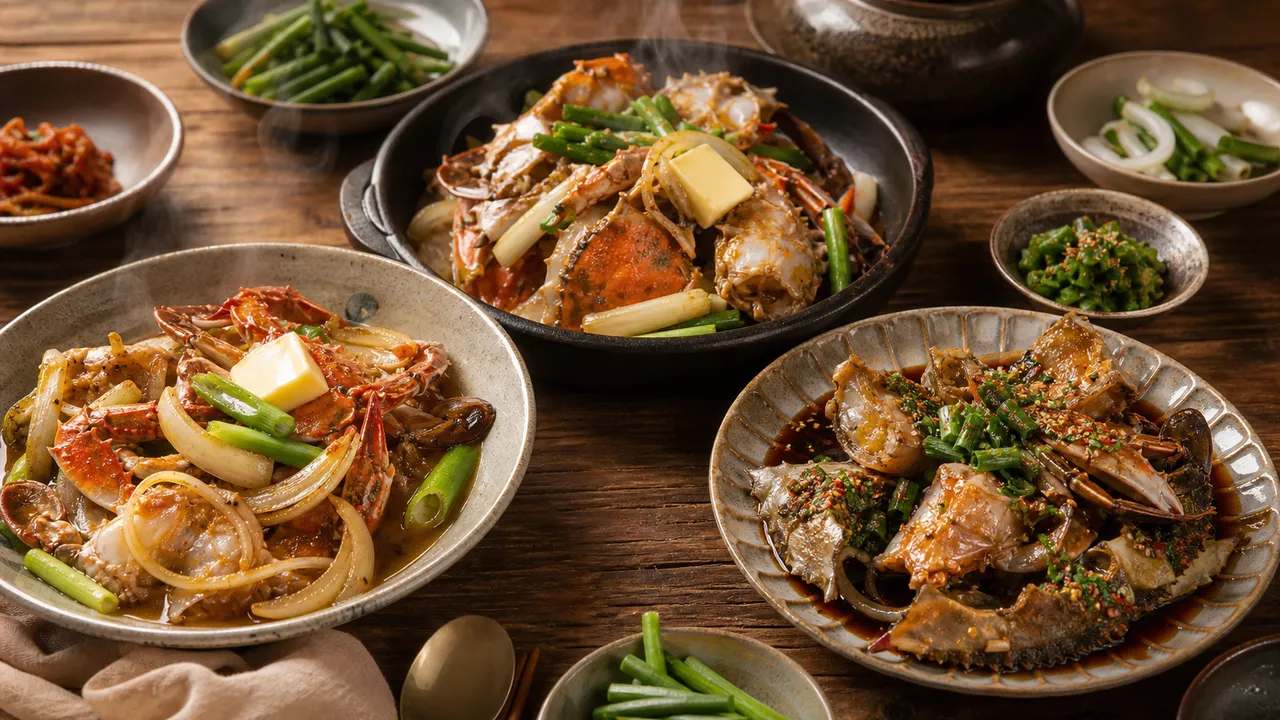
* 이미지는 AI가 생성한 참고 이미지로, 실제 조리 결과물과 다를 수 있습니다.
A collection of 4 super simple recipes using Homeplus Bo-meok-dae pork belly: Microwave Boiled Pork Belly, Air Fryer Pork Belly, Pork Belly Ramen, and Gochujang (고추장) Pork Belly.
📋 4 recipes — Select to view
A simple recipe for moist and tender Suyuk (boiled pork) that can be easily prepared in a microwave, without the need for an open flame or oil.
📝 Editor's Notes
The 'Click Air Fryer Pork Belly' we're introducing today is, as its name suggests, a special pork belly grilling recipe that's incredibly easy to enjoy.
By making full use of the air fryer's advantages, you can grill pork belly while simultaneously cooking vegetables and kimchi deliciously with its rendered fat.
This means less worry about dishes and a bountiful meal.
The combination of crispy on the outside, juicy on the inside pork belly, along with well-oiled vegetables and kimchi, is exquisite – a flavor loved by all ages.
It's especially useful when you want to enjoy a pork belly party at home without worrying about oil splatters or smoke.
With just one button, you can create a wonderful meal without complicated steps, making it highly recommended for cooking beginners.
It's great for any season, but particularly perfect for camping or entertaining guests.
🛒 Ingredient Tips
The freshness of pork belly, the key ingredient for this recipe, is paramount.
As mentioned with '보먹돼' (boreomeokdae), choosing good quality pork belly will determine the taste.
Fresh pork belly should have a vibrant pink color, and its fat layers should be white and firm.
A thickness of about 0.6-0.8 inches (1.5-2 cm) is ideal for air frying.
For onions, choose firm and glossy ones, and for king oyster mushrooms, select those that are plump and not too dry.
For kimchi, moderately aged kimchi, rather than overly sour kimchi, will develop a richer flavor when cooked with pork belly fat.
Remember that selecting fresh pork belly and quality vegetables is the first step to enhancing the taste of this recipe.
🔄 Substitution Guide
If you wish to use other cuts of pork instead of pork belly, pork neck (moksal) or pork jowl (hangjeongsal) can be good alternatives.
Pork neck has less fat than pork belly and is good for those who prefer a leaner taste, while pork jowl is characterized by its chewy texture and rich flavor.
However, pork neck does not render as much fat as pork belly, so the vegetables and kimchi might not be sufficiently oiled; a light drizzle of olive oil would be helpful.
Instead of king oyster mushrooms, button mushrooms or shiitake mushrooms can also be used.
Each type of mushroom will add its unique aroma and texture to the dish.
If you don't have onions, grilling green onions or whole garlic cloves alongside can also be delicious.
If the kimchi is too sour, you can add a little sugar to neutralize the sourness, or use bean sprouts instead of kimchi for a crunchy texture.
🥘 Ingredients
👨🍳 Cooking Points
The most important cooking point for this recipe is to 'hang the pork belly on a rack as if you're hanging laundry'.
This allows the pork belly fat to naturally drip down onto the vegetables and kimchi in the tray, cooking them deliciously together.
Unlike conventional air fryer methods, the pork belly doesn't sit in its own fat, resulting in an extra crispy exterior and juicy interior.
Preheat the air fryer to 350-390°F (180-200°C) and cook for about 15-20 minutes first, then flip and cook for another 10 minutes.
Adjust the cooking time according to the thickness of the pork belly and your air fryer's specifications.
It's smart to check occasionally to see if it's nicely browned.
Overcooking can make the pork belly tough, so it's important to remove it at the right time.
👨🍳 Directions
Place the pork belly in a microwave-safe dish.
Add 4 tbsp of Mirin (미림) to the pork belly and coat evenly.
Sprinkle seasoned salt (맛소금) generously on both sides of the pork belly.
Lay sliced onion over the pork belly.
Cover the dish with plastic wrap and poke several holes with a fork.
Microwave for 10 minutes until cooked.
Cut the cooked suyuk into bite-sized pieces.
💡 Tips
You can enjoy this dish immediately after cooking; no marinating or resting period is required.
Using pre-sliced onions makes the preparation even easier.
You can cook suyuk cleanly without worrying about an open flame, oil splatters, or smoke.
It tastes even better when eaten with kimchi.
📦 Storage & Reuse
While this recipe is best enjoyed immediately after preparation, any leftover pork belly, vegetables, and kimchi can be stored in an airtight container in the refrigerator for 2-3 days.
To reheat, air fry at 350°F (180°C) for 5-7 minutes, or pan-fry over low heat until golden brown to restore crispiness.
Reheating in a microwave is not recommended as it can make the meat dry.
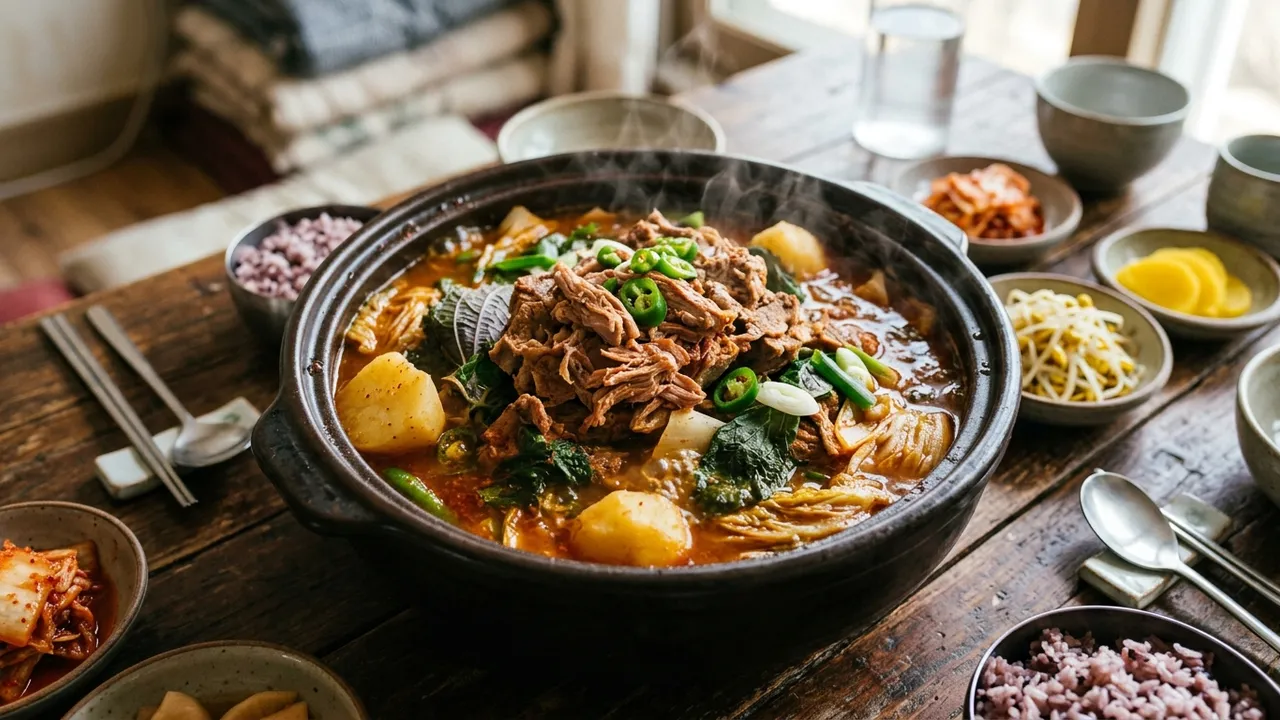
Leftover pork belly can be finely chopped and used in kimchi fried rice, or added to kimchi stew to enhance its flavor.
The leftover vegetables and kimchi can also be used in fried rice or bibimbap.
Smartly reusing leftover ingredients is part of wise home cooking.
🥢 Who This Is For
This 'Click Air Fryer Pork Belly' is highly recommended for anyone who wants to enjoy delicious pork belly without complicated cooking processes.
It's perfect for when you want to have a comfortable pork belly party at home without worrying about oil splatters or smells.
With just an air fryer, it can be a splendid meal for camping or picnics.
It's also great as a snack for kids, an appetizer for adults, or a hearty main meal.
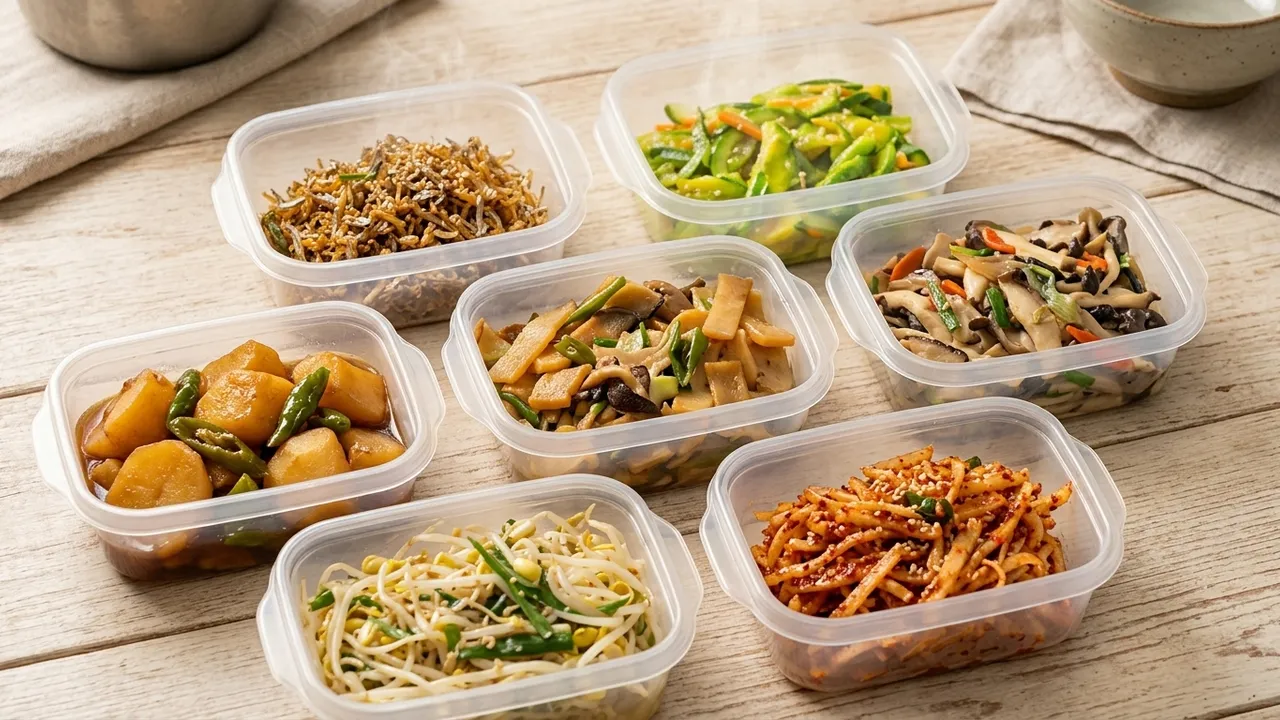
Recommended side dishes include refreshing bean sprout soup or doenjang jjigae (Korean fermented soybean paste stew), as well as a refreshing scallion salad or wrap vegetables, which will balance the richness of the pork belly and create a more abundant dining table.
🔥 Nutrition Info
This recipe, with pork belly as the main ingredient, has a relatively high calorie and fat content.
Although exact ingredient quantities are unknown, an estimated serving (based on 7 oz (200g) pork belly, 1/2 onion, 1 king oyster mushroom, and an appropriate amount of kimchi) would likely contain approximately 600-750 kcal.
It is expected to provide about 30-40g of protein, 50-60g of fat, and 10-15g of carbohydrates.
Pork belly is rich in protein and fat, good for energy supply, but excessive consumption should be avoided.
Pork is rich in B vitamins, especially B1, which helps with fatigue recovery.
It also contains minerals like iron and zinc.
The accompanying onion, king oyster mushrooms, and kimchi supplement dietary fiber, vitamins, and minerals, helping to balance nutrition.
Kimchi, in particular, is rich in probiotics, beneficial for gut health.
💬 Frequently Asked Questions
- Q. What ingredients do I need for 4 Super Simple Recipes Using Homeplus Bo-meok-dae Pork Belly for Solo Living?
- Main ingredients include Bo-meok-dae Pork Belly, Mirin, Seasoned salt, Sliced onion. The freshness of ingredients determines the taste! For the most important Bo-meok-dae pork belly, choose one with a fresh reddish-pink color and white, firm fat layers. A good balance of fat and lean meat will result in a tender and savory taste after cooking. Mirin plays a big role in removing gamey odors and tenderizing the meat, so be sure to have it ready. Pre-sliced onions are more convenient, but if you're slicing a whole onion yourself, it's best to slice it not too thick. Onions help further eliminate the gamey smell and add a subtle sweetness.
- Q. What are the key tips for making 4 Super Simple Recipes Using Homeplus Bo-meok-dae Pork Belly for Solo Living?
- There are two key points for this recipe's success! First, when seasoning the pork belly with mirin and seasoned salt, it's crucial to rub it evenly into the entire piece of meat. Mirin plays a big role in removing gamey odors and tenderizing the meat, so don't skip it. Second, covering the microwave-safe container with plastic wrap and then poking several holes with a fork is essential. These holes allow steam to escape appropriately, helping the meat cook moistly from the inside. The 10-minute microwave time is based on average pork belly thickness, so adjust the cooking time by 1-2 minutes depending on the thickness of your meat. Remember, too short and it might be undercooked, too long and it could become tough!
- Q. How should I store leftover 4 Super Simple Recipes Using Homeplus Bo-meok-dae Pork Belly for Solo Living?
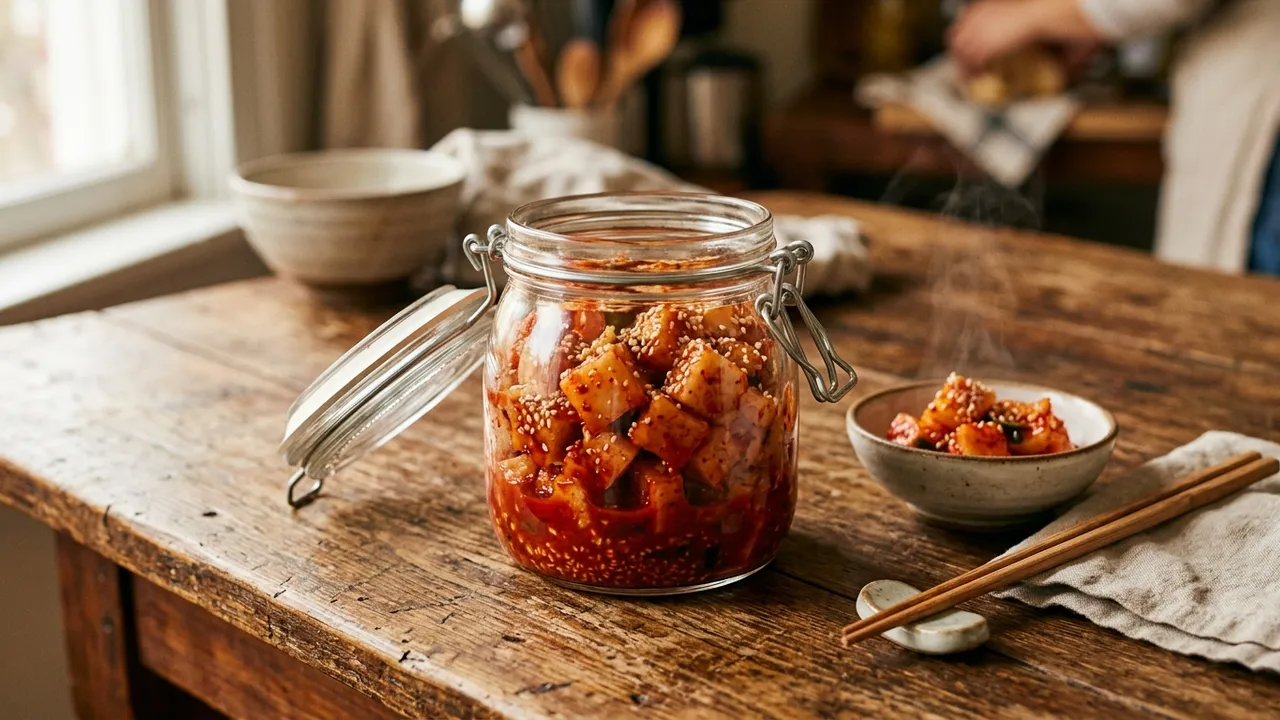
- Store leftover boiled pork belly (수육) in an airtight container in the refrigerator for 2-3 days. However, the texture may become dry as the juices drain over time, so it's best to consume it as soon as possible. To reheat, microwave for about 1 minute or lightly pan-fry to make the surface golden brown for an even more delicious taste. Leftover boiled pork belly (수육) can also be finely chopped and added to kimchi jjigae (김치찌개) or doenjang jjigae (된장찌개) for added flavor, or used as an ingredient for fried rice. Alternatively, tossing it with a spicy sauce to transform it into gochujang (고추장) pork belly is also a great idea.
- Q. How many calories are in 4 Super Simple Recipes Using Homeplus Bo-meok-dae Pork Belly for Solo Living?
- This microwave boiled pork belly (수육), with pork belly as its main ingredient, is a high-protein, high-fat food. Estimated for one serving (approximately 200g of pork belly), the calorie count is around 700-750kcal, with approximately 35g of protein, 60g of fat, and 10-15g of carbohydrates from mirin and onions. Pork belly is rich in fat, which plays an important role in energy supply, and protein, essential for muscle building. It is also particularly rich in B vitamins (thiamine, riboflavin, etc.), which can help with fatigue relief and energy metabolism. However, due to its high-fat content, excessive consumption should be avoided, and pairing it with vegetables like onions to supplement dietary fiber can make for a more balanced meal.
- Q. Can I substitute ingredients in 4 Super Simple Recipes Using Homeplus Bo-meok-dae Pork Belly for Solo Living?
- If pork belly is too rich for you, pork shoulder (moksal) or pork front leg (apdarissal) can be used instead. Pork shoulder has less fat than pork belly, offering a leaner taste, while pork front leg is affordable and meaty. However, they may differ from the unique rich and tender taste of pork belly. If you don't have mirin, you can use about 4 tbsp of soju (소주) or cheongju (청주, Korean rice wine). The alcohol will similarly help remove gamey odors and tenderize the meat. Instead of onions, you can also arrange white parts of green onions or sliced garlic. These will help eliminate the gamey smell of the meat and add a fragrant aroma. Don't worry too much if you lack ingredients; try to make use of what you have!
💬 Comments
No comments yet. Be the first to comment!