
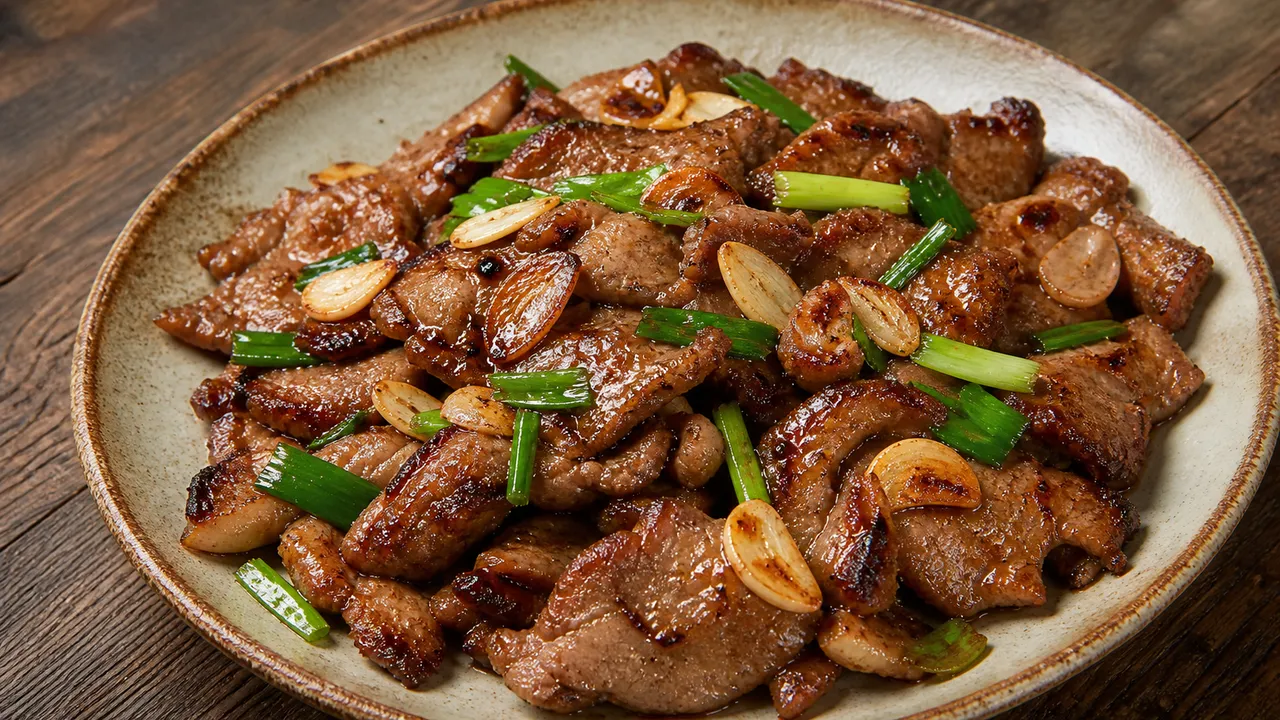
Soy-Glazed Pork Neck with Chive and Onion Salad Recipe
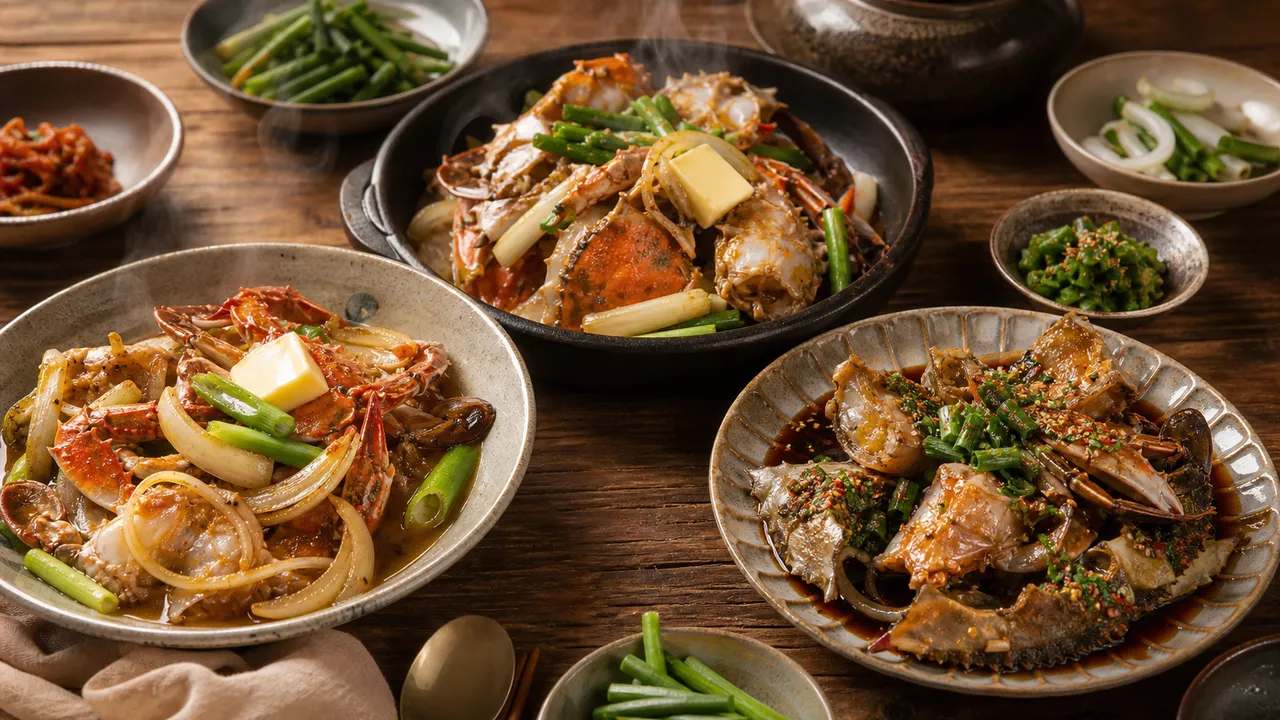
* 이미지는 AI가 생성한 참고 이미지로, 실제 조리 결과물과 다를 수 있습니다.
A recipe for savory soy-glazed pork neck, loved by 99% of Koreans, served with a refreshing chive and onion salad.
📋 2 recipes — Select to view
A savory and delicious grilled pork neck in soy sauce that 99% of Koreans love.
📝 Editor's Notes
Chive and Onion Salad (Buchu Yangpa Muchim (부추양파무침)) is a refreshing and clean-tasting side dish that pairs perfectly with soy-glazed pork neck.
The combination of fresh chives and crispy onions offers a delightful aroma and flavor, while the sweet, sour, and savory seasoning perfectly cuts through the richness of the meat, making it enjoyable without getting tired of it.
The preparation is very simple and quick, making it easy for even beginner cooks to make a wonderful meal without special techniques.
It's a dish that can be enjoyed any time of the year, but it truly shines when served alongside oily main courses.
🛒 Ingredient Tips
The freshness of the main ingredients for this salad, chives and onions, determines its taste.
For chives, choose ones with vivid green leaves that aren't wilted, and firm, straight stems.
Avoid those with yellowed or soft tips.
For onions, select firm, heavy ones with dry, shiny skins.
Choose those without sprouts or soft spots.
Chives are most fragrant and tender in spring and early summer, while onions are readily available in good quality year-round due to their excellent storability.
Choosing good ingredients is half the battle won in cooking.
🔄 Substitution Guide
If chives are difficult to find or you prefer other vegetables, you can substitute them with green onions (jjokpa (쪽파)) or water dropwort (minari (미나리)).
Green onions offer a similar aromatic quality to chives but with a slightly stronger pungent taste, while water dropwort has a unique fragrance and crisp texture.
You can also julienne leafy greens like lettuce or perilla leaves (kkaennip (깻잎)) for a milder flavor.
Additionally, if you don't have Korean plum extract (maesil-cheong (매실청)), you can adjust the sweetness and tartness by adding 2 tbsp of sugar or oligosaccharide syrup (올리고당) and 1 tbsp of vinegar.
While the unique deep flavor of plum extract might be reduced, you can still achieve a balanced sweet and sour taste.
Don't hesitate if you're missing ingredients; try to make it delicious with what you have at home.
🥘 Ingredients
👨🍳 Cooking Points
To make this Chive and Onion Salad (Buchu Yangpa Muchim) delicious, remember two key points.
First, make sure to completely remove the pungent taste from the onions.
Slice them thinly and soak them in cold water for 2-3 minutes to draw out the spiciness and enhance their crispness.
Be careful not to soak them for too long, as nutrients can be lost; stick to the recommended time.
It's also important to squeeze out excess water thoroughly.
Second, when mixing with the dressing, the key is to 'gently' toss.
Pour the dressing over the vegetables and lightly mix them with your fingertips.
If you knead them too vigorously, the vegetables will quickly wilt and become watery, losing their essential fresh and crisp texture.
It tastes best when mixed right before serving.
👨🍳 Directions
Cut 1.8 lbs (820g) of pork neck into bite-sized pieces and place them in a bowl.
To remove any gamey odor from the meat, add 3 tbsp of rice wine (청주), 3 tbsp of soy sauce, 2 tbsp of oligosaccharide syrup (올리고당), a few dashes of ginger powder, and a few dashes of black pepper. Mix thoroughly by hand and marinate.
Cut 15 whole cloves of garlic in half, and slice 1 stalk of green onion into approximately 0.8 inch (2cm) lengths.
Heat 2 tbsp of cooking oil in a hot pan, then add the halved garlic cloves and sauté until golden brown.
Add the marinated pork and grill thoroughly over high heat.
Once the pork is savory and fully cooked, add the sliced green onions, reduce the heat, and stir-fry.
When the sauce has reduced and begins to shine, add 1 tbsp of sesame oil, mix well, and turn off the heat.
💡 Tips
Instead of pork neck, you can use pork belly (samgyeopsal (삼겹살)) or fattier pork collar (mok-samgyeopsal (목삼겹살)).
Adding too much ginger powder can result in a bitter taste, so only add a few dashes (about 3 shakes) as suggested.
Instead of oligosaccharide syrup (올리고당), you can use sugar or corn syrup.
If you find the seasoning too bland, add 1-2 tbsp of soy sauce to taste.
📦 Storage & Reuse
The crisp texture of the vegetables is key to Chive and Onion Salad (Buchu Yangpa Muchim), so it's best to mix and serve it immediately before eating.
Even if stored in an airtight container in the refrigerator, leftover salad will lose its crispness and become watery, making it difficult to maintain its original flavor.
It's generally recommended to consume it within a day.
However, the leftover dressing is highly versatile; stored in an airtight container in the refrigerator, it can remain fresh for about 3-5 days.
You can use this dressing to mix with other vegetables like lettuce, perilla leaves (kkaennip (깻잎)), or cucumbers, or serve it with pan-fried tofu.
Utilizing leftover ingredients efficiently is also a good kitchen habit.
🥢 Who This Is For
This Chive and Onion Salad (Buchu Yangpa Muchim) is highly recommended for those who want a healthy and delicious side dish even in a busy daily life.
It boasts a fantastic pairing, especially with fatty meat dishes like grilled pork belly (samgyeopsal (삼겹살)) or grilled pork neck.
It refreshes the palate from the richness of the meat, allowing you to enjoy more without feeling overwhelmed.
It also makes an excellent accompaniment to other Korean dishes like kimchi stew (kimchi-jjigae (김치찌개)) or soybean paste stew (doenjang-jjigae (된장찌개)).
When placed next to a main dish at a housewarming or dinner party, it will make your table even more abundant.
It's a versatile side dish that is simple yet rich in both flavor and nutrition.
🔥 Nutrition Info
When prepared for approximately 2 servings, Chive and Onion Salad (Buchu Yangpa Muchim) is estimated to be around 170-190 kcal per serving.
It contains approximately 30g of carbohydrates, 3g of protein, and 4g of fat.
The main calories come from the sugars in Korean plum extract (maesil-cheong (매실청)) and the fat from sesame seeds.
Chives are rich in vitamins K, A, and C, aiding in blood clotting and immune system strengthening, and are particularly high in iron, which helps prevent anemia.
Onions are abundant in quercetin, a powerful antioxidant, and rich in vitamin C and dietary fiber, contributing to gut health and immune enhancement.
While there is some sodium and sugar content due to soy sauce and Korean plum extract, the dish is generally considered a healthy accompaniment due to its rich vegetable nutrients.
💬 Frequently Asked Questions
- Q. What ingredients do I need for Soy-Glazed Pork Neck with Chive and Onion Salad?
- Main ingredients include Pork neck, Garlic, Green onion (scallion), Rice wine (cheongju), Soy sauce. Selecting fresh ingredients is key to a delicious soy-glazed pork neck. For pork neck, choose cuts that are bright pink with a good balance of fat and lean meat. This ensures a tender texture without being too dry. For garlic chives (buchu), look for vibrant green leaves that aren't wilted, with firm stems. Onions should have shiny, firm skin and un-dried root ends. Garlic should be plump, firm-cloved, and free of sprouts for the best aroma. Choosing good ingredients is half the battle won in cooking.
- Q. What are the key tips for making Soy-Glazed Pork Neck with Chive and Onion Salad?
- There are two crucial cooking points for this dish. First, ensure the pork is marinated sufficiently. Although the recipe mentions mixing immediately, marinating for at least 30 minutes, or ideally 1-2 hours in the refrigerator, will allow the seasoning to penetrate deeper into the meat, resulting in a much richer flavor. Second is temperature control when grilling the meat: first, brown the garlic in a preheated pan to release its aroma. Then, quickly sear the marinated pork over high heat to lock in the juices. Afterward, reduce the heat to medium-low and cook the pork slowly until it is tender all the way through, ensuring it doesn't burn and becomes beautifully glossy. Finally, adding the green onions and stir-frying until the sauce has reduced to a thick glaze is key.
- Q. How should I store leftover Soy-Glazed Pork Neck with Chive and Onion Salad?
- Store leftover soy-glazed pork neck in an airtight container in the refrigerator for 3-4 days. For longer storage, divide into single-serving portions and freeze for up to 1-2 months. When reheating from frozen, add a splash of water or broth to a pan and stir-fry to maintain moisture. The chive and onion salad is best consumed immediately after preparation as the vegetables can quickly lose their crispness. Leftover pork can be finely chopped and used in fried rice, or stir-fried with kimchi to make delicious pork kimchi stir-fry. Any remaining chives can be used to make rolled omelets (gyeran-mari) or chive pancakes (buchu-jeon).
- Q. How many calories are in Soy-Glazed Pork Neck with Chive and Onion Salad?
- Based on a 4-serving recipe, each serving is estimated to be approximately 650-750 kcal. Pork neck, the main ingredient, is rich in protein, aiding in muscle maintenance and growth, providing over 40g of protein per serving. Fat content varies by cut but is estimated around 25-35g, serving as an energy source. Carbohydrates from oligosaccharide (올리고당), Korean plum extract (maesil-cheong), and onion contribute approximately 25-35g. Pork is particularly rich in B vitamins, which help alleviate fatigue, while garlic chives (buchu) and onions provide Vitamin C, potassium, and dietary fiber, contributing to immune system enhancement and digestive health. Sesame seeds and sesame oil supplement unsaturated fatty acids and Vitamin E, promoting a balanced diet.
- Q. Can I substitute ingredients in Soy-Glazed Pork Neck with Chive and Onion Salad?
- Instead of pork neck, you can use pork belly (samgyeopsal) for a richer, fattier flavor, though it might feel a bit greasy. If you want to reduce fat intake, try using chicken thigh meat instead; cooking time will be shorter, but the unique flavor of pork will be reduced. If you don't have oligosaccharide (올리고당), you can substitute it with sugar or corn syrup. Sugar is sweeter, so reduce the amount to about 1 tbsp, while corn syrup will provide a similar viscosity and gloss. While you can use green onions (jjokpa) or stronger chives (yeongyang buchu) instead of regular garlic chives (buchu), the distinct aroma of buchu might be less pronounced. If Korean plum extract (maesil-cheong) is unavailable, you can achieve a sweet and sour taste by adding 1 tbsp sugar and 1/2 tbsp vinegar, but the deep flavor of maesil-cheong will be difficult to replicate.
💬 Comments
No comments yet. Be the first to comment!