
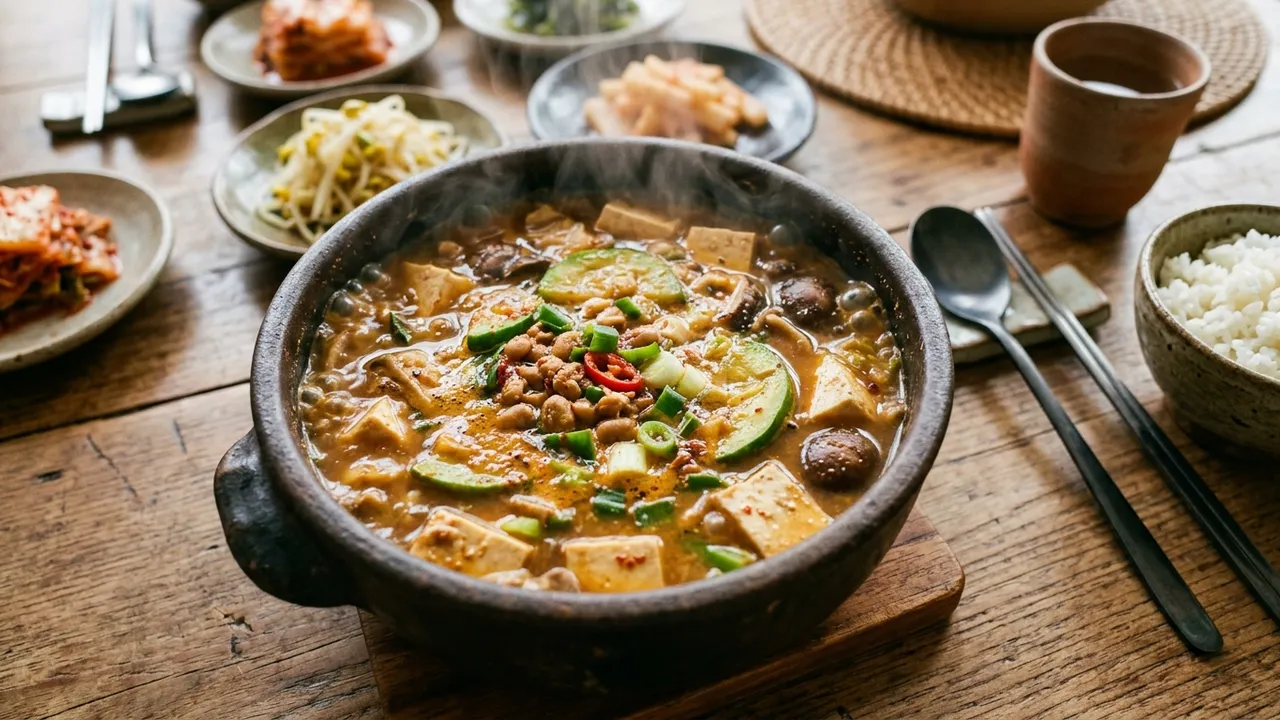
Hearty Cheonggukjang Stew Recipe
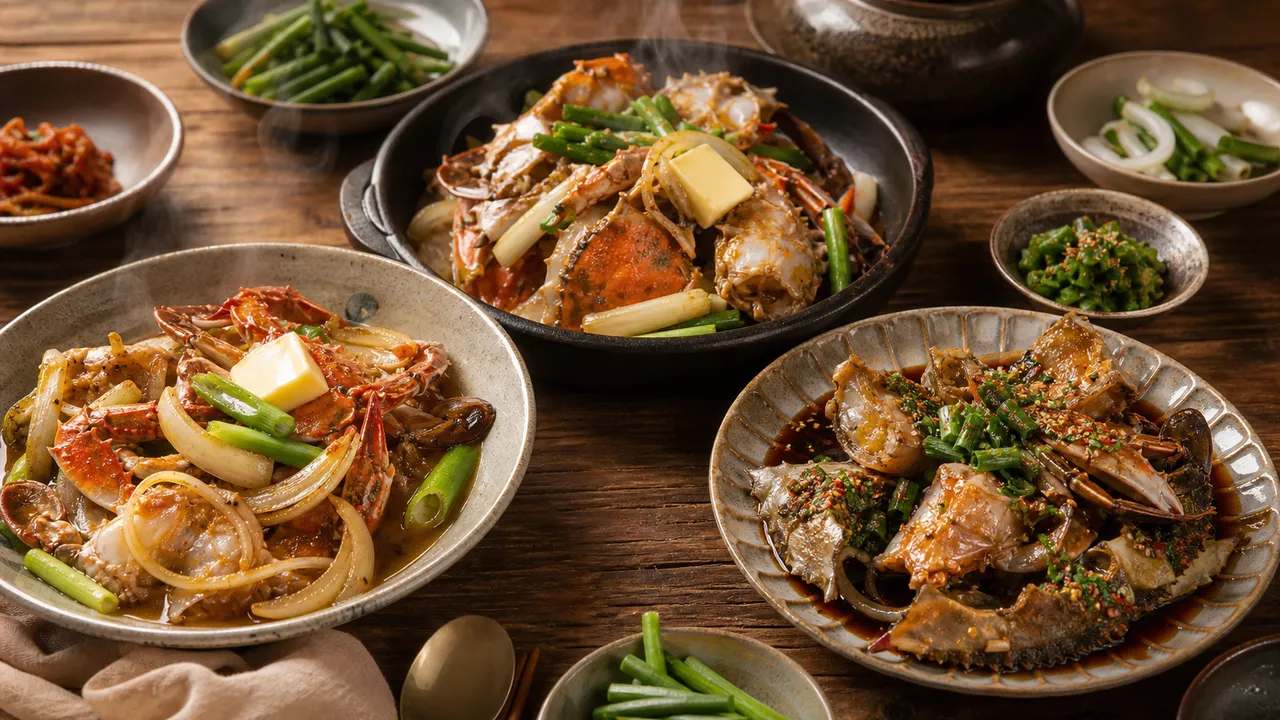
* 이미지는 AI가 생성한 참고 이미지로, 실제 조리 결과물과 다를 수 있습니다.
A recipe for hearty cheonggukjang stew, perfect for when the cold wind blows.
📝 Editor's Notes
When the cold wind blows, 'Hearty Cheonggukjang Stew' inevitably comes to mind.
It's a quintessential Korean home-style dish that embraces you with its deep flavor and warmth.
This recipe is designed to be easily followed by anyone, enhancing the depth of the broth with rice water and doenjang (된장), and preserving the unique savory aroma of cheonggukjang (청국장).
The spiciness of kimchi (김치) and the refreshing kick of Cheongyang chili peppers create a clean and invigorating taste without any greasiness.
The cooking process is not complicated, making it accessible even for novice cooks.
It makes for a wonderfully satisfying meal with a bowl of warm rice on a chilly autumn day or a cold winter evening.
🛒 Ingredient Tips
When selecting ingredients for a delicious cheonggukjang stew, remember these tips!
First, for the essential cheonggukjang (청국장), it's best to choose one that isn't too dark in color, has a yellowish hue, and emits a subtly earthy yet savory fermented aroma.
Traditional cheonggukjang products generally offer a deeper flavor.
For tofu, select a firm variety suitable for stews so it doesn't easily break apart during cooking.
Tofu made from Korean soybeans adds an even nuttier and healthier flavor.
For kimchi (김치), use moderately fermented kimchi rather than overly sour aged kimchi to ensure a harmonious flavor that doesn't overpower the cheonggukjang's natural taste.
If the kimchi is too sour, rinsing it lightly with water is a good method.
🔄 Substitution Guide
If cheonggukjang (청국장) is hard to find or its unique aroma is too strong for you, you can make a delicious stew by adding 2-3 extra tablespoons of doenjang (된장), similar to doenjang-jjigae.
While it won't have the deep, fermented aroma unique to cheonggukjang, the savory flavor of doenjang-jjigae will still be delightful.
If you don't have kimchi (김치), you can coarsely chop fresh napa cabbage, add a bit more doenjang, and cook it, or use store-bought pickled napa cabbage for doenjang-jjigae.
However, keep in mind that the distinct spicy and refreshing umami of kimchi might be reduced.
For a deeper and more natural umami flavor, you can make your own broth using 15 dried anchovies and 7g of dried kelp instead of broth tablets, as mentioned in the recipe tips; this is considered the best substitute.
🥘 Ingredients
👨🍳 Cooking Points
Here are three important cooking points that determine the deliciousness of hearty cheonggukjang stew.
First, the key to the broth is properly dissolving the doenjang (된장) in rice water.
Rice water helps eliminate any off-flavors from the cheonggukjang (청국장) and makes the broth richer and more savory, and establishing a solid broth base by dissolving the doenjang first is crucial.
Second, the order of adding ingredients determines the depth of flavor.
First, add the firm daikon radish and kimchi (김치) and simmer them thoroughly to extract deep flavors, then add the cheonggukjang and gently break up any clumps.
Lastly, tofu should be added near the end of cooking and boiled just once more to prevent it from breaking apart and help it maintain its shape.
Be careful not to stir too much or boil over high heat, as this can cause the tofu to crumble.
👨🍳 Directions
Remove the stem from the Korean zucchini, cut it in half lengthwise, then cut each half into bite-sized pieces.
Slice the daikon radish into flat pieces of an appropriate thickness, neither too thick nor too thin.
Split the green onion lengthwise, then chop it.
Thinly slice the Cheongyang chili peppers and red chili pepper.
Cut the tofu into bite-sized pieces.
In a pot, add 1 tbsp of doenjang (된장) and 1 cup (200ml) of rice water, stirring well to dissolve the doenjang.
Add 1 tbsp of minced garlic and 3 broth tablets.
Add the remaining 500ml of rice water (for a total of 700ml).
First, add the sliced daikon radish, followed by 180g of unrinsed kimchi (김치), and bring to a rolling boil.
Once it boils, skim off any foam that rises to the surface.
After skimming the foam, immediately add the cheonggukjang (청국장), gently pressing and breaking up any clumps with a spoon.
Add the Korean zucchini and Cheongyang chili peppers and continue to boil.
Add the tofu and boil once more.
Finally, add the green onion and red chili pepper.
Since the kimchi already contains gochugaru (고춧가루), sprinkle a small amount of gochugaru to your preference.
💡 Tips
Using rice water can help eliminate any off-flavors from the cheonggukjang and enhance its savory depth.
Instead of broth tablets, you can make your own broth using 15 dried anchovies and 7g of dried kelp.
If you prefer your cheonggukjang stew less red, you can rinse the kimchi before adding it.
Tofu can break apart if stirred too much, so add it only after the stew has come to a full boil and cook for just one more boil.
📦 Storage & Reuse
Store any leftover cheonggukjang stew in an airtight container in the refrigerator for 3-4 days.
For longer storage, portion it into single servings and freeze.
It can be kept frozen for about 1-2 weeks, but note that the texture of the tofu may change slightly after thawing.
When reheating, warm it gently over low heat or, if using a microwave, slightly open the lid to prevent moisture from escaping.
If the broth has reduced, add a little rice water or more broth to adjust the consistency and enjoy the original taste.
🥢 Who This Is For
This hearty cheonggukjang stew is highly recommended for anyone seeking a warm and satisfying meal on a chilly day when the cold wind blows.
It's particularly perfect for family dinners and makes an excellent hangover remedy when you feel unwell after a night of heavy drinking.
Good side dishes to serve with it include warm white rice, golden-brown rolled omelets, and simple banchan (반찬) like crunchy seasoned bean sprouts or seasoned spinach.
Mixing a generous spoonful of cheonggukjang stew with rice is truly a delightful experience!
🔥 Nutrition Info
Based on approximately 3-4 servings, this hearty cheonggukjang stew is expected to provide about 200-250 kcal per serving.
It will likely contain around 15-20g of protein, 8-10g of fat, and 10-15g of carbohydrates.
Cheonggukjang (청국장) and tofu are excellent sources of plant-based protein, and cheonggukjang, in particular, is rich in probiotics and dietary fiber, aiding in gut health.
Kimchi (김치), also a fermented food, provides probiotics and Vitamin C.
Various vegetables like Korean zucchini, daikon radish, and chili peppers add vitamins, minerals, and dietary fiber, contributing to a balanced diet.
Using rice water is also beneficial for mineral intake.
It's a healthy dish that is both satisfying and nutritious in one bowl.
💬 Frequently Asked Questions
- Q. What ingredients do I need for Hearty Cheonggukjang Stew?
- Main ingredients include Cheonggukjang (청국장), Tofu, Kimchi (김치), Korean Zucchini, Daikon Radish. When selecting ingredients for a delicious cheonggukjang stew, remember these tips! First, for the essential cheonggukjang (청국장), it's best to choose one that isn't too dark in color, has a yellowish hue, and emits a subtly earthy yet savory fermented aroma. Traditional cheonggukjang products generally offer a deeper flavor. For tofu, select a firm variety suitable for stews so it doesn't easily break apart during cooking. Tofu made from Korean soybeans adds an even nuttier and healthier flavor. For kimchi (김치), use moderately fermented kimchi rather than overly sour aged kimchi to ensure a harmonious flavor that doesn't overpower the cheonggukjang's natural taste. If the kimchi is too sour, rinsing it lightly with water is a good method.
- Q. What are the key tips for making Hearty Cheonggukjang Stew?
- Here are three important cooking points that determine the deliciousness of hearty cheonggukjang stew. First, the key to the broth is properly dissolving the doenjang (된장) in rice water. Rice water helps eliminate any off-flavors from the cheonggukjang (청국장) and makes the broth richer and more savory, and establishing a solid broth base by dissolving the doenjang first is crucial. Second, the order of adding ingredients determines the depth of flavor. First, add the firm daikon radish and kimchi (김치) and simmer them thoroughly to extract deep flavors, then add the cheonggukjang and gently break up any clumps. Lastly, tofu should be added near the end of cooking and boiled just once more to prevent it from breaking apart and help it maintain its shape. Be careful not to stir too much or boil over high heat, as this can cause the tofu to crumble.
- Q. How should I store leftover Hearty Cheonggukjang Stew?
- Store any leftover cheonggukjang stew in an airtight container in the refrigerator for 3-4 days. For longer storage, portion it into single servings and freeze. It can be kept frozen for about 1-2 weeks, but note that the texture of the tofu may change slightly after thawing. When reheating, warm it gently over low heat or, if using a microwave, slightly open the lid to prevent moisture from escaping. If the broth has reduced, add a little rice water or more broth to adjust the consistency and enjoy the original taste.
- Q. How many calories are in Hearty Cheonggukjang Stew?
- Based on approximately 3-4 servings, this hearty cheonggukjang stew is expected to provide about 200-250 kcal per serving. It will likely contain around 15-20g of protein, 8-10g of fat, and 10-15g of carbohydrates. Cheonggukjang (청국장) and tofu are excellent sources of plant-based protein, and cheonggukjang, in particular, is rich in probiotics and dietary fiber, aiding in gut health. Kimchi (김치), also a fermented food, provides probiotics and Vitamin C. Various vegetables like Korean zucchini, daikon radish, and chili peppers add vitamins, minerals, and dietary fiber, contributing to a balanced diet. Using rice water is also beneficial for mineral intake. It's a healthy dish that is both satisfying and nutritious in one bowl.
- Q. Can I substitute ingredients in Hearty Cheonggukjang Stew?
- If cheonggukjang (청국장) is hard to find or its unique aroma is too strong for you, you can make a delicious stew by adding 2-3 extra tablespoons of doenjang (된장), similar to doenjang-jjigae. While it won't have the deep, fermented aroma unique to cheonggukjang, the savory flavor of doenjang-jjigae will still be delightful. If you don't have kimchi (김치), you can coarsely chop fresh napa cabbage, add a bit more doenjang, and cook it, or use store-bought pickled napa cabbage for doenjang-jjigae. However, keep in mind that the distinct spicy and refreshing umami of kimchi might be reduced. For a deeper and more natural umami flavor, you can make your own broth using 15 dried anchovies and 7g of dried kelp instead of broth tablets, as mentioned in the recipe tips; this is considered the best substitute.
💬 Comments
No comments yet. Be the first to comment!