
Perilla Oil Kimchi Jjim (김치찜) - An Umami-Rich "Rice Thief" R
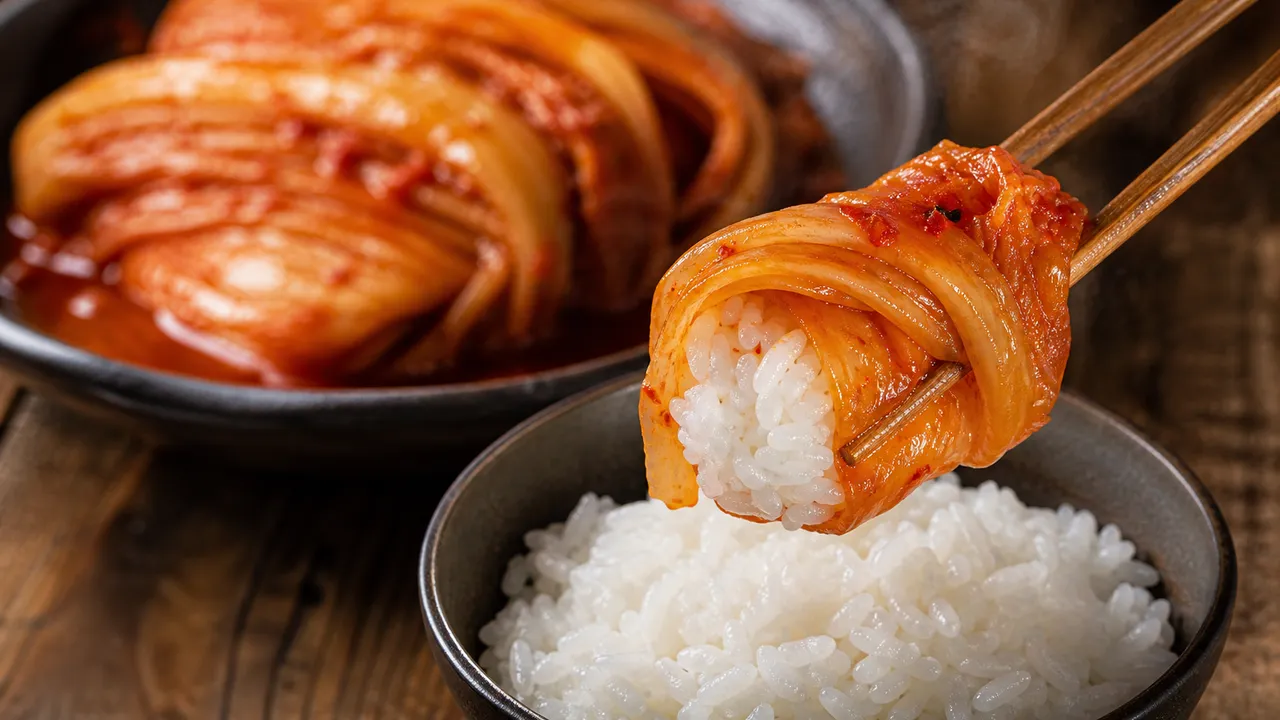
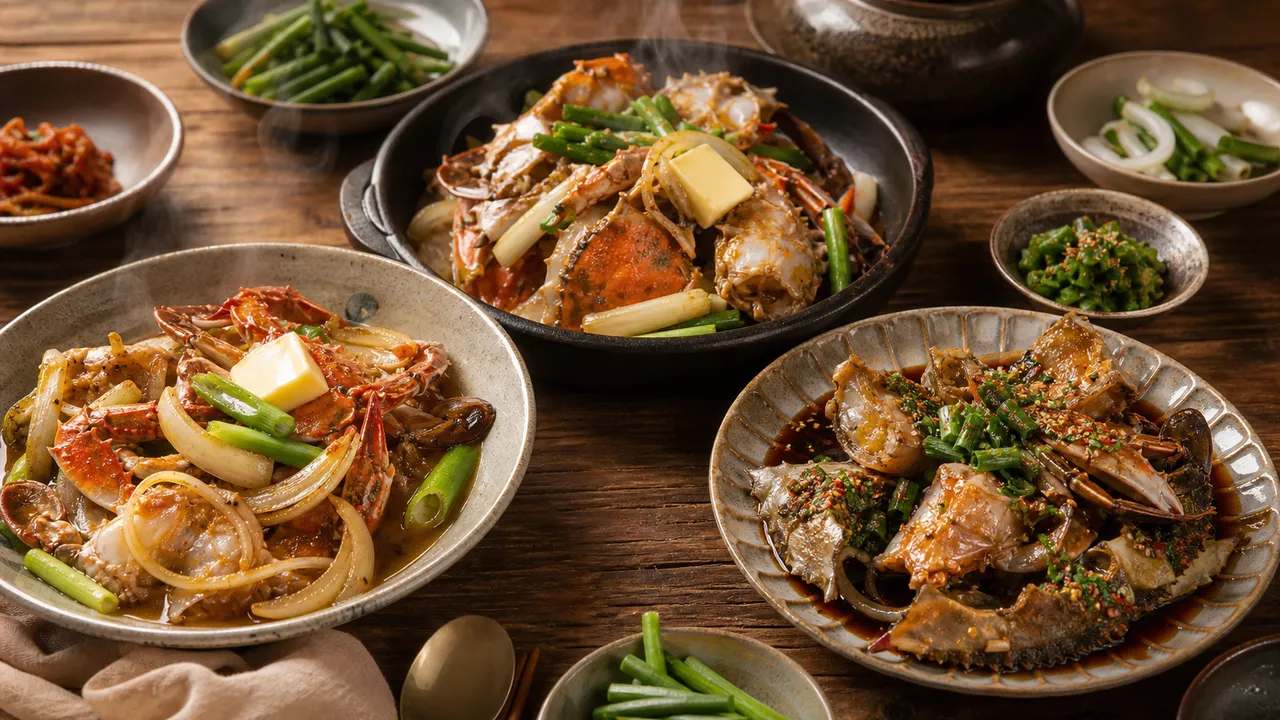
* 이미지는 AI가 생성한 참고 이미지로, 실제 조리 결과물과 다를 수 있습니다.
A savory "rice thief" Kimchi Jjim (김치찜) bursting with flavor, made with aged kimchi (묵은지), perilla oil (들기름), and rice water (쌀뜨물), ready in just 25 minutes – no meat needed!
📝 Editor's Notes
This umami-rich Kimchi Jjim (김치찜) bursts with flavor, requires no meat, and comes together in just 25 minutes with only three key ingredients: aged kimchi (묵은지), perilla oil (들기름), and rice water (쌀뜨물).
No special skills are needed, making it an easy dish for beginners to try.
The sourness of well-aged kimchi meets the nutty aroma of perilla oil to create a deep and rich flavor, while rice water (쌀뜨물) adds a smooth texture without any astringency.
It's the perfect "rice thief" for a chilly autumn or winter day when you crave a warm stew, or when you need a simple side dish to quickly finish a bowl of rice.
🛒 Ingredient Tips
The success of this dish is 80% dependent on the kimchi.
Choose aged kimchi (묵은지) that has been well-fermented for at least 2-3 months and has developed a good sourness.
Look for kimchi that retains some crispness and has a thick, reddish juice, rather than one that smells too strong or has become mushy.
Don't discard the kimchi juice; adding it along with the kimchi enhances the umami flavor.
For perilla oil (들기름), use one that hasn't been roasted long ago.
It oxidizes quickly after opening, so buy a small bottle and store it in the refrigerator.
Fresh perilla oil will have a clear, savory aroma.
Adjust the number of Cheongyang chili peppers (땡초) according to your desired level of spiciness.
🔄 Substitution Guide
If aged kimchi (묵은지) is unavailable, well-fermented regular napa cabbage kimchi can be used.
Since it will be less sour, you can add a tiny bit of vinegar to compensate for the acidity and achieve a similar taste.
However, the unique crunch and deep umami of aged kimchi may not be fully replicated.
Perilla oil (들기름) can be substituted with sesame oil, which will still be nutty but will have a milder and lighter aroma.
If avoiding sesame products due to allergies or preference, adding a tablespoon of perilla seed powder (들깨가루) can also provide a savory depth.
If you prefer not to use Dashida (다시다), you can substitute it with shiitake mushroom powder or anchovy broth.
This will provide natural umami and reduce sodium, though the intensity of the umami might be slightly milder.
🥘 Ingredients
👨🍳 Cooking Points
First, the key is to add the perilla oil (들기름) in two stages.
Adding a small amount at the beginning to coat and sauté the kimchi infuses it with flavor, while drizzling more after turning off the heat at the end revives its aroma.
Adding all of it at once may cause the savory aroma to dissipate during prolonged cooking.
Second, heat control is crucial.
Start with high heat, then reduce to medium for 5 minutes once boiling, and finally simmer over low heat for 15 minutes after adding the other ingredients.
Rushing the cooking by using only high heat will result in a dish that's cooked on the outside but tough on the inside.
Third, simmer until the liquid is almost completely reduced to allow the flavors to fully penetrate the ingredients.
👨🍳 Directions
Place all the aged kimchi (묵은지) and its juice into a pan.
Add a little perilla oil (들기름) and rub it into the kimchi, coating it evenly.
Pour in enough rice water (쌀뜨물) to just barely cover the kimchi. Close the lid and bring it to a boil over high heat.
Once it starts boiling, reduce the heat to medium and simmer for about 5 minutes.
Roughly chop the green onion, onion, and Cheongyang chili pepper (땡초).
After simmering on medium heat, open the lid and add the chopped onion, green onion, and Cheongyang chili pepper (땡초).
Add a pinch of Dashida (다시다), a dash of fish sauce (액젓), and 1 tbsp of minced garlic.
After adding all ingredients, close the lid and simmer gently over low heat for about 15 minutes.
Turn off the heat and drizzle with perilla oil (들기름) just before serving.
💡 Tips
Using rice water (쌀뜨물) makes the kimchi tender and adds a deeper umami flavor.
Add a little perilla oil (들기름) at the beginning of cooking, and drizzle more just before serving after turning off the heat, to greatly enhance the flavor.
The taste of kimchi is paramount for Kimchi Jjim (김치찜), so using delicious kimchi is key.
Simmering for a long time over low heat until the liquid is almost completely reduced allows the flavors to fully infuse into the ingredients, making it even more delicious.
📦 Storage & Reuse
Once cooked, let the Kimchi Jjim (김치찜) cool completely, then store it in an airtight container in the refrigerator for 4-5 days.
The flavors often deepen and improve after a day or two.
For longer storage, divide it into single portions and freeze for up to a month.
When reheating, add 1-2 tablespoons of water or rice water (쌀뜨물) and warm gently over low heat to prevent it from becoming dry.
A final drizzle of perilla oil (들기름) will revive its aroma.
Leftover Kimchi Jjim (김치찜) can also be finely chopped and stir-fried with rice or added to ramen for another delicious meal.
🥢 Who This Is For
This dish is perfect for days when you're short on side dishes or crave a hearty meal without meat.
It's also a great option for vegetarians.
Served simply over freshly cooked white rice with its flavorful broth, it's a complete meal on its own.
Pairing it with pan-fried tofu, rolled omelets (계란말이), or a savory doenjang-guk (된장국) can create a wholesome homemade spread.
Leftovers can be finely chopped and used for fried rice or Kimchi Jjigae (김치찌개).
🔥 Nutrition Info
Since this dish is primarily made with vegetables and fermented foods without meat, it's relatively light, around 180-230 kcal per serving.
Fats from perilla oil (들기름) and kimchi juice account for a significant portion of the calories, about 12-15g.
Carbohydrates, mainly from the sugars in kimchi and onions, are about 10-14g, while protein is relatively low at about 3-5g.
However, aged kimchi (묵은지) is rich in probiotics and dietary fiber, benefiting gut health, and the omega-3 fatty acids in perilla oil (들기름) are good for cardiovascular health.
You can also get vitamin C and allicin from onions and green onions.
Since protein and sodium are not high, it's good to balance the meal by serving it with rice, tofu, etc.
💬 Frequently Asked Questions
- Q. What ingredients do I need for Perilla Oil Kimchi Jjim (김치찜) - An Umami-Rich "Rice Thief" Recipe Without Meat?
- Main ingredients include Aged kimchi (묵은지), Perilla oil (들기름), Fish sauce (액젓), Dashida (다시다), Green onion. The success of this dish is 80% dependent on the kimchi. Choose aged kimchi (묵은지) that has been well-fermented for at least 2-3 months and has developed a good sourness. Look for kimchi that retains some crispness and has a thick, reddish juice, rather than one that smells too strong or has become mushy. Don't discard the kimchi juice; adding it along with the kimchi enhances the umami flavor. For perilla oil (들기름), use one that hasn't been roasted long ago. It oxidizes quickly after opening, so buy a small bottle and store it in the refrigerator. Fresh perilla oil will have a clear, savory aroma. Adjust the number of Cheongyang chili peppers (땡초) according to your desired level of spiciness.
- Q. What are the key tips for making Perilla Oil Kimchi Jjim (김치찜) - An Umami-Rich "Rice Thief" Recipe Without Meat?
- First, the key is to add the perilla oil (들기름) in two stages. Adding a small amount at the beginning to coat and sauté the kimchi infuses it with flavor, while drizzling more after turning off the heat at the end revives its aroma. Adding all of it at once may cause the savory aroma to dissipate during prolonged cooking. Second, heat control is crucial. Start with high heat, then reduce to medium for 5 minutes once boiling, and finally simmer over low heat for 15 minutes after adding the other ingredients. Rushing the cooking by using only high heat will result in a dish that's cooked on the outside but tough on the inside. Third, simmer until the liquid is almost completely reduced to allow the flavors to fully penetrate the ingredients.
- Q. How should I store leftover Perilla Oil Kimchi Jjim (김치찜) - An Umami-Rich "Rice Thief" Recipe Without Meat?
- Once cooked, let the Kimchi Jjim (김치찜) cool completely, then store it in an airtight container in the refrigerator for 4-5 days. The flavors often deepen and improve after a day or two. For longer storage, divide it into single portions and freeze for up to a month. When reheating, add 1-2 tablespoons of water or rice water (쌀뜨물) and warm gently over low heat to prevent it from becoming dry. A final drizzle of perilla oil (들기름) will revive its aroma. Leftover Kimchi Jjim (김치찜) can also be finely chopped and stir-fried with rice or added to ramen for another delicious meal.
- Q. How many calories are in Perilla Oil Kimchi Jjim (김치찜) - An Umami-Rich "Rice Thief" Recipe Without Meat?
- Since this dish is primarily made with vegetables and fermented foods without meat, it's relatively light, around 180-230 kcal per serving. Fats from perilla oil (들기름) and kimchi juice account for a significant portion of the calories, about 12-15g. Carbohydrates, mainly from the sugars in kimchi and onions, are about 10-14g, while protein is relatively low at about 3-5g. However, aged kimchi (묵은지) is rich in probiotics and dietary fiber, benefiting gut health, and the omega-3 fatty acids in perilla oil (들기름) are good for cardiovascular health. You can also get vitamin C and allicin from onions and green onions. Since protein and sodium are not high, it's good to balance the meal by serving it with rice, tofu, etc.
- Q. Can I substitute ingredients in Perilla Oil Kimchi Jjim (김치찜) - An Umami-Rich "Rice Thief" Recipe Without Meat?
- If aged kimchi (묵은지) is unavailable, well-fermented regular napa cabbage kimchi can be used. Since it will be less sour, you can add a tiny bit of vinegar to compensate for the acidity and achieve a similar taste. However, the unique crunch and deep umami of aged kimchi may not be fully replicated. Perilla oil (들기름) can be substituted with sesame oil, which will still be nutty but will have a milder and lighter aroma. If avoiding sesame products due to allergies or preference, adding a tablespoon of perilla seed powder (들깨가루) can also provide a savory depth. If you prefer not to use Dashida (다시다), you can substitute it with shiitake mushroom powder or anchovy broth. This will provide natural umami and reduce sodium, though the intensity of the umami might be slightly milder.
💬 Comments
No comments yet. Be the first to comment!