
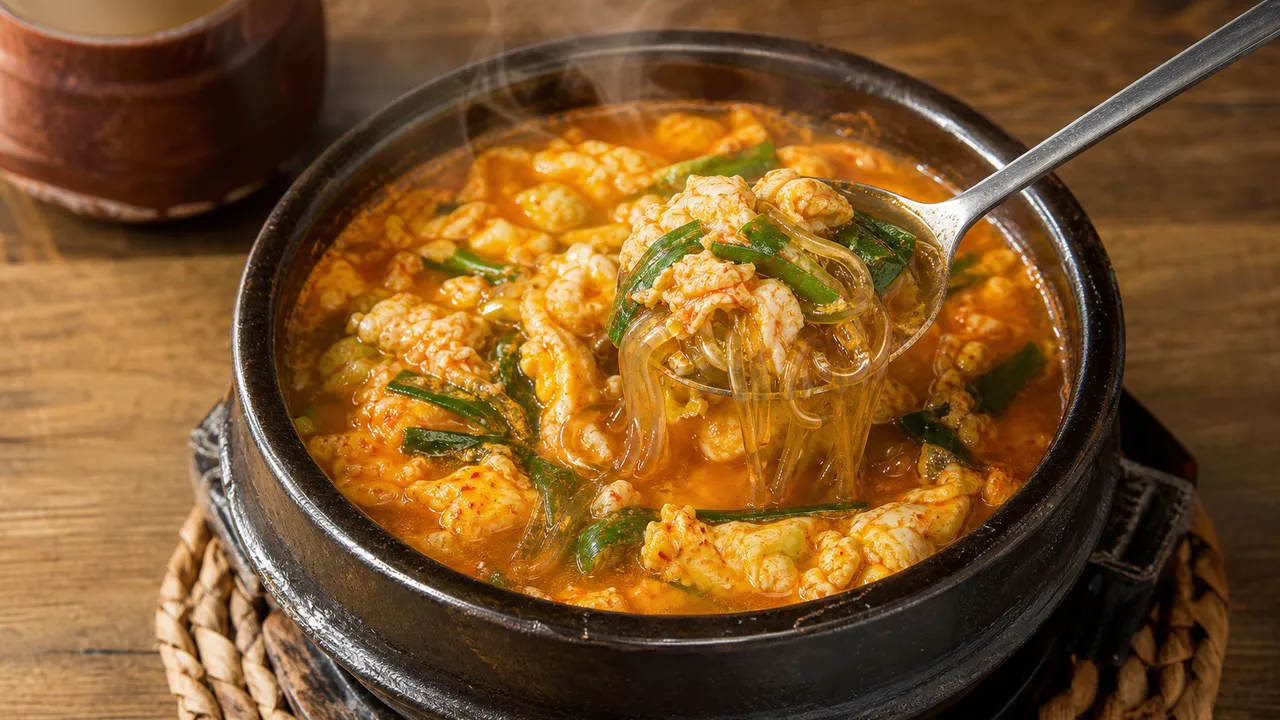
10-Minute Super Simple Spicy Egg Hangover Soup Recipe
* 이미지는 AI가 생성한 참고 이미지로, 실제 조리 결과물과 다를 수 있습니다.
This is a super simple, spicy, and rich egg soup (Haejangguk) that comes together in just 10 minutes with glass noodles and eggs.
📝 Editor's Notes
This 10-minute spicy egg soup (Haejangguk) with glass noodles (dangmyeon) and eggs is a perfect super simple recipe for those who want a hearty and refreshing meal in their busy daily lives.
Its spicy yet rich broth is excellent as a hangover cure or a warming meal on a rainy day.
Since it achieves deep flavor without special ingredients, even beginner cooks can easily try it.
Especially when the cold wind blows and you crave a warm soup, this spicy egg soup will heartily fill your table.
🛒 Ingredient Tips
For this spicy egg soup, it's crucial to choose fresh green onions (daepa) and onions.
For green onions, look for long, firm white parts and dark green leaves.
Select ones that are springy without any wilting or soft spots.
For onions, choose those with shiny, firm skins, no soft spots, and no sprouts.
Using fine gochugaru (고춧가루) will result in a clean broth with a beautiful color.
Fresh eggs are essential for adding a rich flavor without any fishiness, so be sure to check the expiration date and prepare fresh eggs.
🔄 Substitution Guide
If you don't have glass noodles (dangmyeon) or prefer not to use them, you can substitute them with somen (소면) or udon noodles.
Somen cooks faster than glass noodles, so boil them for a shorter time.
Udon noodles will add a chewy texture, offering a different charm.
If you don't have tuna sauce (chamchi-aek), you can use anchovy fish sauce (myeolchi-aekjeot) or a piece of dried kelp (dashima) to create a deep flavor.
While the taste may differ slightly, it will still add plenty of umami.
To adjust the spiciness, you can modify the amount of gochugaru (고춧가루) or add some Cheongyang chili peppers (cheongyang-gochu) for a fierier kick.
If you wish to add more vegetables, mushrooms or Korean zucchini (a-hobak) would also pair well.
🥘 Ingredients
👨🍳 Cooking Points
There are three key cooking points in this recipe.
First, pre-soak the glass noodles (dangmyeon).
Soaking them in warm water for 15 minutes or cold water for 30-40 minutes ensures they cook sufficiently in just 2 minutes when added to the soup later, and also prevents the broth from becoming cloudy.
Second, thoroughly sauté the green onions (daepa) and onions in oil.
Sautéing them in cooking oil and sesame oil over medium-low heat until translucent brings out the vegetables' sweetness and aroma, creating a deep flavor even without a separate broth.
Third, the timing for adding gochugaru (고춧가루).
Adding gochugaru to the oil with the heat off and stirring it prevents it from burning and developing a bitter taste, ensuring a clean spicy flavor.
Keeping these three points in mind will help you make a delicious spicy egg soup without fail.
👨🍳 Directions
Soak 2.1 oz (60g) glass noodles (dangmyeon) in warm water for 15 minutes, or in cold water for 30-40 minutes, then drain.
Halve 2 stalks of green onions (daepa) lengthwise and cut into large pieces. Slice 1/4 of a medium onion.
Lightly beat 2 eggs until just combined, being careful not to create too much foam.
In a pot, heat 2 tbsp cooking oil and 1 tbsp sesame oil. Add the coarsely cut green onions and sliced onion, then slowly sauté over medium-low heat until translucent.
Once the onion starts to become translucent, add 1 tbsp minced garlic and lightly sauté until fragrant.
Turn off the heat. Add 2 tbsp fine gochugaru (고춧가루) and stir-fry it with the oil while the heat is off, ensuring it is well-mixed.
Add 1 quart (1L) of water, 3 tbsp tuna sauce (chamchi-aek), and 1 tbsp soup soy sauce (guk-ganjang). Bring to a boil.
Once the soup comes to a boil, add 1/2 tbsp salt and adjust the seasoning. (Do not make it too bland, as the seasoning will mellow once the glass noodles and eggs are added later.)
Add the soaked glass noodles and boil for only about 2 minutes. (Since the noodles are already rehydrated, boiling them for too long can make them soggy or thicken the soup.)
Once the glass noodles are sufficiently cooked, slowly pour the beaten eggs over the soup, but do not stir immediately.
When the eggs float slightly to the surface, turn off the heat and gently stir once or twice. Your 10-minute super simple spicy egg soup is complete!
💡 Tips
Soaking the glass noodles (dangmyeon) in advance prevents the soup from becoming cloudy and allows them to cook quickly.
Using too much onion can make the soup too sweet, so it's best to use a moderate amount.
Beat the eggs gently; over-beating can create too much foam and make the soup look messy.
Sautéing green onions (daepa) and onions in oil first helps reduce the 'empty' taste of the soup and adds depth, even without a separate broth.
Mixing gochugaru (고춧가루) with oil off the heat prevents it from burning and developing a bitter taste.
Be careful not to season the soup too blandly when it boils, as the seasoning will mellow once the glass noodles and eggs are added.
Stirring the eggs immediately after adding them will make the soup cloudy. Wait until the eggs float, then turn off the heat and stir gently to create a fluffy texture.
📦 Storage & Reuse
The finished spicy egg soup can be stored in an airtight container in the refrigerator for up to 2-3 days.
However, the glass noodles (dangmyeon) may absorb the broth and become soggy, so it's best to store them separately or add them just before serving. Freezing is not recommended.
When reheating, simmer slowly over low heat, and if the seasoning has become bland, add a pinch of salt.
You can also mix rice into the leftover broth and cook it like porridge, adding crumbled seaweed (gim-garu) and sesame oil for a delightful variation.
🥢 Who This Is For
This spicy egg soup is highly recommended as a hangover cure when your stomach is upset from overindulgence the night before.
The spicy yet soft eggs will gently soothe your stomach.
It's also an excellent choice for busy professionals or those living alone who want a quick, easy, and hearty meal.
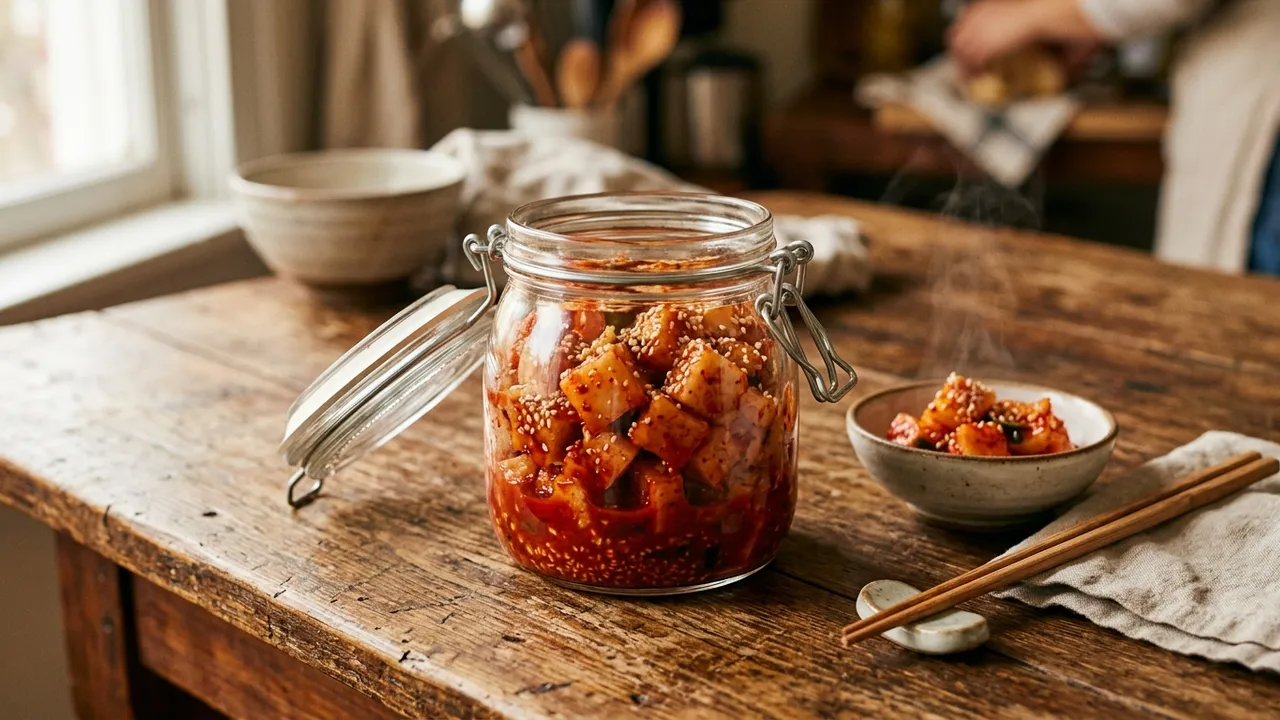
For ideal accompaniments, crispy kkakdugi (깍두기) or well-fermented kimchi (김치) are perfect.
Served with a warm bowl of rice, it will make for a satisfying and fulfilling meal.
🔥 Nutrition Info
One serving of this spicy egg soup (based on one person) is estimated to be around 400-500 kcal.
The main ingredient, glass noodles (dangmyeon), is a primary source of carbohydrates, providing approximately 50-60g.
Two eggs contribute about 12-14g of high-quality protein, and fats from cooking oil and sesame oil account for roughly 25-30g.
Green onions (daepa) and onions supply small amounts of vitamins, minerals, and dietary fiber.
Eggs, in particular, are rich in vitamins A, D, E, B12, and iron, helping to maintain nutritional balance.
The spicy flavor helps induce sweating and improve circulation, while the warm broth is also effective in aiding digestion.
💬 Frequently Asked Questions
- Q. What ingredients do I need for 10-Minute Super Simple Spicy Egg Hangover Soup?
- Main ingredients include Glass noodles (dangmyeon), Green onions (daepa), Onion, Eggs, Cooking oil. For this spicy egg soup, it's crucial to choose fresh green onions (daepa) and onions. For green onions, look for long, firm white parts and dark green leaves. Select ones that are springy without any wilting or soft spots. For onions, choose those with shiny, firm skins, no soft spots, and no sprouts. Using fine gochugaru (고춧가루) will result in a clean broth with a beautiful color. Fresh eggs are essential for adding a rich flavor without any fishiness, so be sure to check the expiration date and prepare fresh eggs.
- Q. What are the key tips for making 10-Minute Super Simple Spicy Egg Hangover Soup?
- There are three key cooking points in this recipe. First, pre-soak the glass noodles (dangmyeon). Soaking them in warm water for 15 minutes or cold water for 30-40 minutes ensures they cook sufficiently in just 2 minutes when added to the soup later, and also prevents the broth from becoming cloudy. Second, thoroughly sauté the green onions (daepa) and onions in oil. Sautéing them in cooking oil and sesame oil over medium-low heat until translucent brings out the vegetables' sweetness and aroma, creating a deep flavor even without a separate broth. Third, the timing for adding gochugaru (고춧가루). Adding gochugaru to the oil with the heat off and stirring it prevents it from burning and developing a bitter taste, ensuring a clean spicy flavor. Keeping these three points in mind will help you make a delicious spicy egg soup without fail.
- Q. How should I store leftover 10-Minute Super Simple Spicy Egg Hangover Soup?
- The finished spicy egg soup can be stored in an airtight container in the refrigerator for up to 2-3 days. However, the glass noodles (dangmyeon) may absorb the broth and become soggy, so it's best to store them separately or add them just before serving. Freezing is not recommended. When reheating, simmer slowly over low heat, and if the seasoning has become bland, add a pinch of salt. You can also mix rice into the leftover broth and cook it like porridge, adding crumbled seaweed (gim-garu) and sesame oil for a delightful variation.
- Q. How many calories are in 10-Minute Super Simple Spicy Egg Hangover Soup?
- One serving of this spicy egg soup (based on one person) is estimated to be around 400-500 kcal. The main ingredient, glass noodles (dangmyeon), is a primary source of carbohydrates, providing approximately 50-60g. Two eggs contribute about 12-14g of high-quality protein, and fats from cooking oil and sesame oil account for roughly 25-30g. Green onions (daepa) and onions supply small amounts of vitamins, minerals, and dietary fiber. Eggs, in particular, are rich in vitamins A, D, E, B12, and iron, helping to maintain nutritional balance. The spicy flavor helps induce sweating and improve circulation, while the warm broth is also effective in aiding digestion.
- Q. Can I substitute ingredients in 10-Minute Super Simple Spicy Egg Hangover Soup?
- If you don't have glass noodles (dangmyeon) or prefer not to use them, you can substitute them with somen (소면) or udon noodles. Somen cooks faster than glass noodles, so boil them for a shorter time. Udon noodles will add a chewy texture, offering a different charm. If you don't have tuna sauce (chamchi-aek), you can use anchovy fish sauce (myeolchi-aekjeot) or a piece of dried kelp (dashima) to create a deep flavor. While the taste may differ slightly, it will still add plenty of umami. To adjust the spiciness, you can modify the amount of gochugaru (고춧가루) or add some Cheongyang chili peppers (cheongyang-gochu) for a fierier kick. If you wish to add more vegetables, mushrooms or Korean zucchini (a-hobak) would also pair well.
💬 Comments
No comments yet. Be the first to comment!