
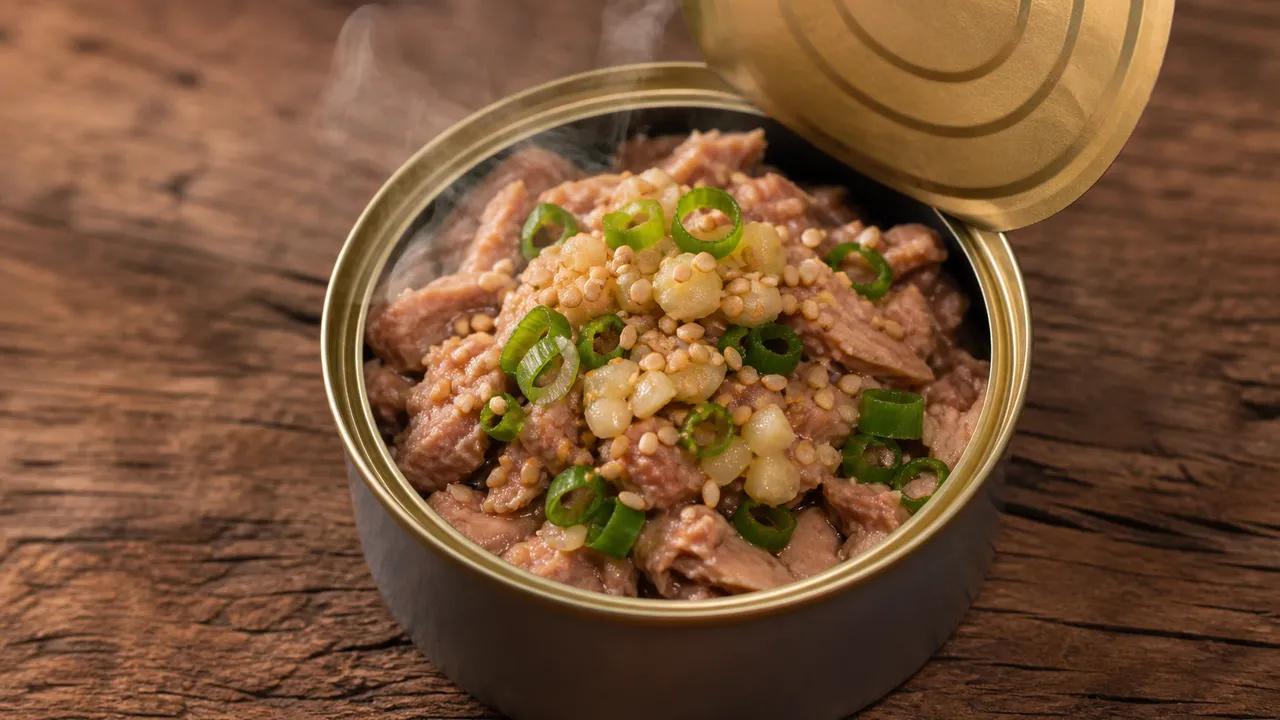
Super Simple Canned Tuna Bibim-jang (비빔장) Recipe: A Fail-Pro
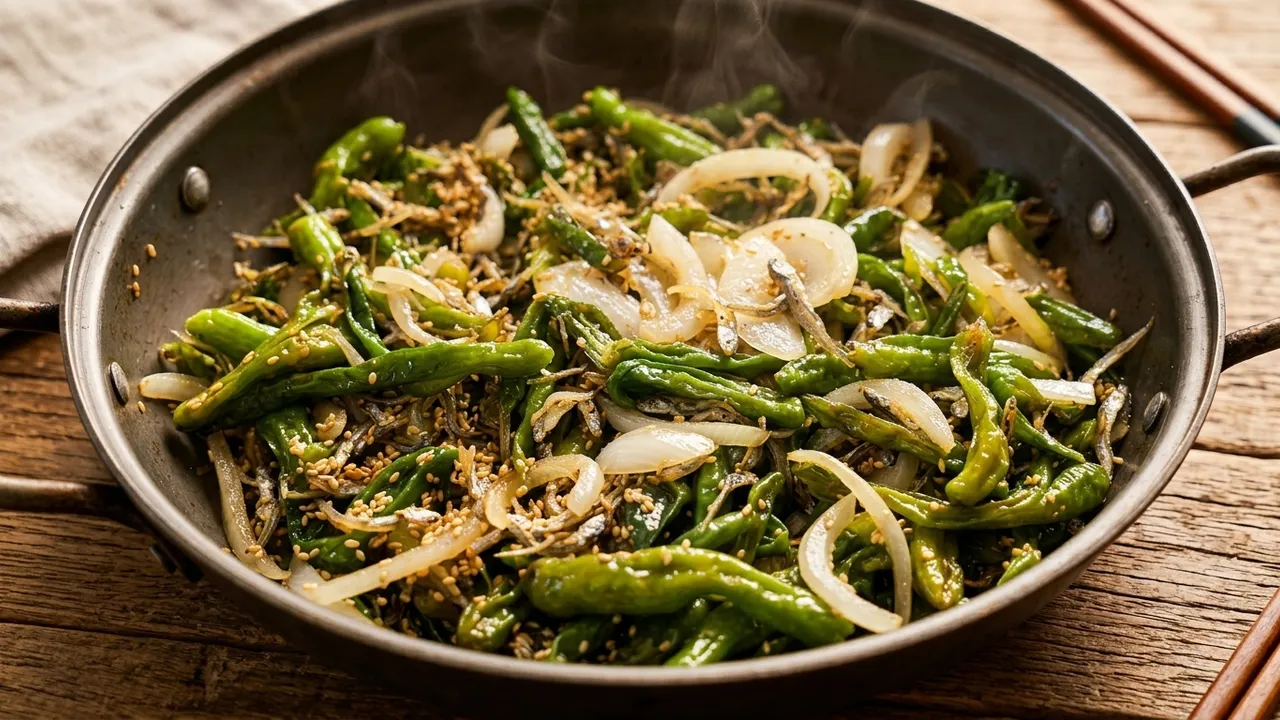
* 이미지는 AI가 생성한 참고 이미지로, 실제 조리 결과물과 다를 수 있습니다.
This is a recipe for a spicy and savory canned tuna bibim-jang (비빔장), an irresistible 'rice thief' dish made with canned tuna, Cheongyang chili peppers (청양고추), and garlic.
📝 Editor's Notes
This super simple canned tuna bibim-jang (비빔장) can be whipped up in just 5 minutes with only canned tuna, Cheongyang chili peppers (청양고추), and garlic.
Its spicy and savory flavor makes it an excellent 'rice thief' dish.
Anyone can easily make it without special cooking skills, making it perfect for busy days when you want a hearty and delicious meal.
It's especially great for summer when your appetite wanes, for unexpected guests, or as a simple delicacy while camping.
Just mix it with warm rice, and you won't need any other side dishes.
🛒 Ingredient Tips
It's best to drain only a little oil from the canned tuna, as draining too much can make it dry, and the tuna oil itself contributes to the umami flavor.
Choose fresh and firm Cheongyang chili peppers (청양고추) with un-dried stems.
If you enjoy spiciness, you can use the seeds as well, but if it's too hot, remove the seeds before mincing to control the heat.
Using freshly minced garlic instead of commercially pre-minced garlic will enhance the aroma significantly, adding more depth to the bibim-jang (비빔장).
Also, remember that adding a small amount of fish sauce (액젓) instead of some soy sauce can deepen the umami flavor.
🔄 Substitution Guide
Instead of canned tuna, you can use canned chicken breast or canned salmon.
Canned chicken breast offers a lighter taste due to less oil, while canned salmon is rich in Omega-3 fatty acids, making it a healthy option.
However, canned chicken breast might be a bit dry, so consider increasing the amount of sesame oil slightly.
If Cheongyang chili peppers (청양고추) are too spicy, you can chop and add Kkari-gochu (꽈리고추) or Asagi-gochu (아삭이고추) instead.
This will reduce the spiciness while adding a crisp texture and a subtle aroma.
To reduce sodium intake while enhancing umami, use low-sodium soy sauce instead of regular soy sauce, or reduce the amount of soy sauce and add a little tuna sauce (참치액).
🥘 Ingredients
👨🍳 Cooking Points
The most crucial point in this recipe is to drain an appropriate amount of oil from the canned tuna.
Draining too much can make it dry, while draining too little can make it greasy and heavy.
By slightly tilting the can and pressing with a spoon, you can remove just the right amount of oil.
The second point is to adjust the amounts of Cheongyang chili peppers (청양고추) and minced garlic to your preference.
If you enjoy spiciness, you can add 2 Cheongyang chili peppers, and if you like a strong garlic flavor, about 1.5 tbsp of minced garlic is fine.
Lastly, it's important to mix all ingredients thoroughly.
The tuna meat and seasonings must be well combined to achieve a deep flavor.
Add sesame oil and toasted sesame seeds at the end to enhance their nutty aroma.
👨🍳 Directions
To the canned tuna (drained of excess oil, see editor's note), add 1 tbsp soy sauce, a pinch of flavored salt, and a dash of black pepper.
Add 1 tbsp minced garlic and 1 finely chopped Cheongyang chili pepper (청양고추), adjusting amounts to your preference.
Drizzle with 1 tbsp sesame oil and sprinkle with a little toasted sesame seeds, then mix everything thoroughly.
Serve over warm cooked rice and mix, or wrap it in seasoned seaweed (조미김) to eat.
💡 Tips
Enjoy this tuna bibim-jang (비빔장) as an irresistible 'rice thief' dish by mixing it with warm cooked rice or wrapping it in seasoned seaweed (조미김).
Adjust the amounts of minced garlic and Cheongyang chili peppers (청양고추) to your personal taste.
📦 Storage & Reuse
Store the prepared tuna bibim-jang (비빔장) in an airtight container in the refrigerator for 2-3 days to keep it fresh.
Long-term storage is not recommended.
When serving, place it over warm rice and mix; it's fine to eat cold, but warming it slightly enhances the flavor.
Leftover bibim-jang can be used as a filling for gimbap (김밥) or to make rice balls.
It also makes a fantastic special udon dish when mixed with warm udon noodles.
🥢 Who This Is For
This tuna bibim-jang (비빔장) is excellent for those times when you don't have suitable side dishes for rice, or as a solo meal.
Mixing it with warm rice makes for a satisfying meal, and wrapping it in seasoned seaweed (조미김) turns it into a special treat that even kids will love.
It's highly recommended for busy office workers and those living alone.
Good accompanying dishes include soups like refreshing bean sprout soup (콩나물국) or seaweed soup (미역국).
Adding a fried egg on top makes for an even richer meal.
🔥 Nutrition Info
This tuna bibim-jang (비빔장) recipe is estimated to be around 250-300 kcal per serving.
Protein is approximately 15-20g, fat about 10-15g, and carbohydrates, when consumed with rice, can be estimated at 40-50g.
Tuna is rich in high-quality protein and Omega-3 fatty acids, which can contribute to cardiovascular health.
Capsaicin in Cheongyang chili peppers (청양고추) boosts metabolism, and allicin in garlic helps strengthen immunity.
However, the sodium content can be high, so it's advisable to adjust the amounts of soy sauce and flavored salt accordingly.
Toasted sesame seeds provide vitamin E and calcium.
💬 Frequently Asked Questions
- Q. What ingredients do I need for Super Simple Canned Tuna Bibim-jang (비빔장) Recipe: A Fail-Proof Rice Thief?
- Main ingredients include Canned Tuna, Cheongyang chili pepper (청양고추), Warm cooked rice, Soy sauce, Minced garlic. It's best to drain only a little oil from the canned tuna, as draining too much can make it dry, and the tuna oil itself contributes to the umami flavor. Choose fresh and firm Cheongyang chili peppers (청양고추) with un-dried stems. If you enjoy spiciness, you can use the seeds as well, but if it's too hot, remove the seeds before mincing to control the heat. Using freshly minced garlic instead of commercially pre-minced garlic will enhance the aroma significantly, adding more depth to the bibim-jang (비빔장). Also, remember that adding a small amount of fish sauce (액젓) instead of some soy sauce can deepen the umami flavor.
- Q. What are the key tips for making Super Simple Canned Tuna Bibim-jang (비빔장) Recipe: A Fail-Proof Rice Thief?
- The most crucial point in this recipe is to drain an appropriate amount of oil from the canned tuna. Draining too much can make it dry, while draining too little can make it greasy and heavy. By slightly tilting the can and pressing with a spoon, you can remove just the right amount of oil. The second point is to adjust the amounts of Cheongyang chili peppers (청양고추) and minced garlic to your preference. If you enjoy spiciness, you can add 2 Cheongyang chili peppers, and if you like a strong garlic flavor, about 1.5 tbsp of minced garlic is fine. Lastly, it's important to mix all ingredients thoroughly. The tuna meat and seasonings must be well combined to achieve a deep flavor. Add sesame oil and toasted sesame seeds at the end to enhance their nutty aroma.
- Q. How should I store leftover Super Simple Canned Tuna Bibim-jang (비빔장) Recipe: A Fail-Proof Rice Thief?
- Store the prepared tuna bibim-jang (비빔장) in an airtight container in the refrigerator for 2-3 days to keep it fresh. Long-term storage is not recommended. When serving, place it over warm rice and mix; it's fine to eat cold, but warming it slightly enhances the flavor. Leftover bibim-jang can be used as a filling for gimbap (김밥) or to make rice balls. It also makes a fantastic special udon dish when mixed with warm udon noodles.
- Q. How many calories are in Super Simple Canned Tuna Bibim-jang (비빔장) Recipe: A Fail-Proof Rice Thief?
- This tuna bibim-jang (비빔장) recipe is estimated to be around 250-300 kcal per serving. Protein is approximately 15-20g, fat about 10-15g, and carbohydrates, when consumed with rice, can be estimated at 40-50g. Tuna is rich in high-quality protein and Omega-3 fatty acids, which can contribute to cardiovascular health. Capsaicin in Cheongyang chili peppers (청양고추) boosts metabolism, and allicin in garlic helps strengthen immunity. However, the sodium content can be high, so it's advisable to adjust the amounts of soy sauce and flavored salt accordingly. Toasted sesame seeds provide vitamin E and calcium.
- Q. Can I substitute ingredients in Super Simple Canned Tuna Bibim-jang (비빔장) Recipe: A Fail-Proof Rice Thief?
- Instead of canned tuna, you can use canned chicken breast or canned salmon. Canned chicken breast offers a lighter taste due to less oil, while canned salmon is rich in Omega-3 fatty acids, making it a healthy option. However, canned chicken breast might be a bit dry, so consider increasing the amount of sesame oil slightly. If Cheongyang chili peppers (청양고추) are too spicy, you can chop and add Kkari-gochu (꽈리고추) or Asagi-gochu (아삭이고추) instead. This will reduce the spiciness while adding a crisp texture and a subtle aroma. To reduce sodium intake while enhancing umami, use low-sodium soy sauce instead of regular soy sauce, or reduce the amount of soy sauce and add a little tuna sauce (참치액).
💬 Comments
No comments yet. Be the first to comment!