
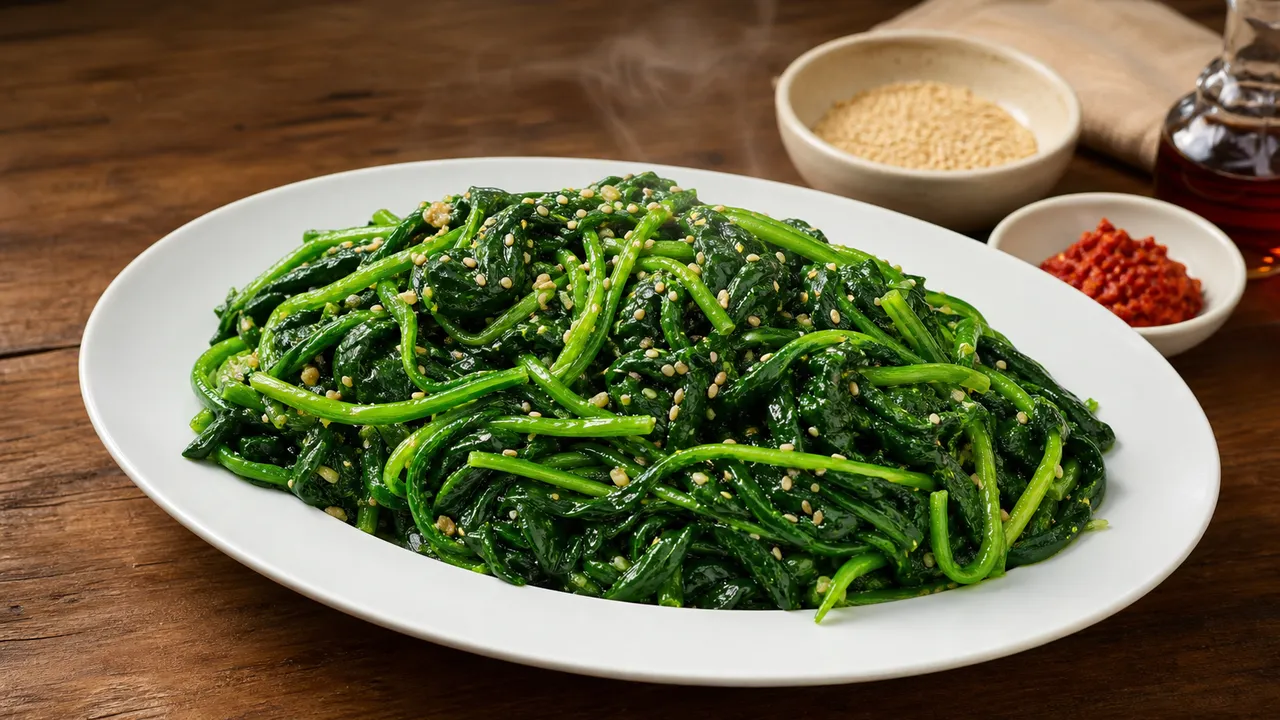
Temple Food Master's Super Simple Seasoned Spinach with Pump
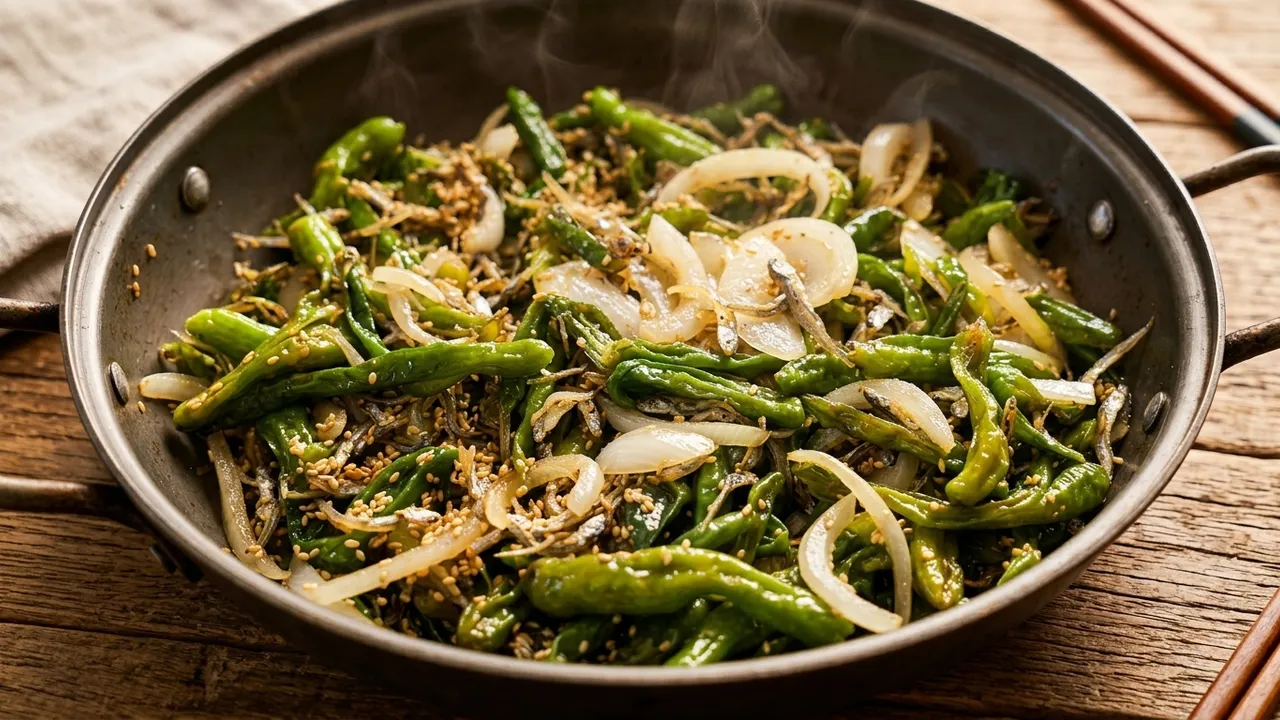
* 이미지는 AI가 생성한 참고 이미지로, 실제 조리 결과물과 다를 수 있습니다.
This is a special seasoned spinach recipe from a Chungcheongbuk-do mom, combining the savory nuttiness of roasted pumpkin seeds with the deep flavors of doenjang (된장) and gochujang (고추장).
📝 Editor's Notes
The Seasoned Spinach with Pumpkin Seeds (Hobakssi Sigeumchi Muchim) we're introducing today is a super simple recipe that can be completed within 10 minutes, requiring only half a bunch of spinach and a handful of pumpkin seeds.
The deep umami of doenjang (된장) and gochujang (고추장), combined with the savory nuttiness of roasted pumpkin seeds, creates an unforgettable and special side dish.
This particular recipe features a secret from a temple food master, offering a healthy flavor that is not overly stimulating but highlights the natural taste of the ingredients.
It's a perfect dish when you want to add a touch of warmth and sincerity to your meal, or when you need a light yet nutritious side dish.
🛒 Ingredient Tips
Choose spinach with vivid red roots, fresh, thick, and unwilted leaves.
It's best if the root area is not too thick and feels tender.
Seasonal spinach is sweeter and richer in nutrients, making it even more delicious.
Using roasted pumpkin seeds is convenient as they require no separate preparation.
Fresh pumpkin seeds have a distinct nutty aroma and a crisp, non-soggy texture.
While homemade traditional doenjang (된장) and gochujang (고추장) can provide a deeper flavor, commercially available products also work wonderfully.
🔄 Substitution Guide
You can use other leafy green vegetables instead of spinach.
For example, blanched bok choy (봄동) or young napa cabbage (얼갈이배추) prepared in the same way as spinach can offer a different flavor profile for this seasoned vegetable dish.
However, please note that the texture and blanching time may vary slightly for each vegetable.
If you don't have roasted pumpkin seeds, you can lightly crush roasted sunflower seeds or almond slices as a substitute.
While they will add a similar nutty flavor, the unique subtle sweetness of pumpkin seeds might be less prominent.
The ratio of doenjang (된장) to gochujang (고추장) can be adjusted to your personal preference.
You can also use a soy sauce-based seasoning instead of gochujang and add a bit of red chili powder for a spicy kick.
🥘 Ingredients
👨🍳 Cooking Points
The most crucial point in this recipe is the blanching process for the spinach.
You must blanch the spinach 'briefly' for 30 seconds in boiling water with a pinch of coarse sea salt.
This helps to maintain the spinach's vibrant color and crisp texture.
It's also important to 'quickly' rinse the blanched spinach in cold water immediately to stop the cooking and 'firmly' squeeze out the water.
Remembering this will prevent the spinach from becoming mushy.
The second point is the degree to which the pumpkin seeds are crushed.
Whether you crush them roughly with a knife or use a blender, the secret to maximizing their nutty flavor is to avoid grinding them too finely, allowing for a slight chewiness.
Finally, mixing the seasoning thoroughly first before adding the spinach and gently tossing by hand ensures the seasoning is evenly distributed, leading to a deeper flavor.
👨🍳 Directions
Trim the roots of the spinach, separate the leaves, and wash thoroughly under running water 4-5 times.
Add a pinch of coarse sea salt to boiling water, then add the spinach and blanch for 30 seconds.
Quickly rinse the blanched spinach in cold water to cool it down, and firmly squeeze out the water.
Roughly crush the roasted pumpkin seeds with a knife. (If using a blender, be careful not to grind them too finely.)
First, combine 1 tbsp of doenjang (된장), 3 tbsp of gochujang (고추장), 1 tbsp of sesame oil, and one handful of crushed roasted pumpkin seeds in a bowl. Mix well until the seasoning is evenly combined.
Add the blanched spinach to the seasoning mixture, and optionally add roasted salt to taste. Gently mix and season by hand.
Serve the finished Seasoned Spinach with Pumpkin Seeds (Hobakssi Sigeumchi Muchim) in a dish.
💡 Tips
Pumpkin seeds are good for brain health, so it's recommended to consume them regularly.
Adding salt when blanching spinach helps raise the water temperature, preserving the vibrant color and texture of the spinach.
To prevent spinach from becoming mushy and maintain its crisp texture, quickly rinse blanched spinach in cold water and firmly squeeze out excess water.
Pumpkin seeds can be used in other seasoned vegetable dishes (namul) instead of sesame seeds to add a nutty flavor.
📦 Storage & Reuse
The finished Seasoned Spinach with Pumpkin Seeds can be stored in an airtight container in the refrigerator for 2-3 days.
Since spinach tends to release water easily, take out only the amount you plan to eat and store the rest properly.
Freezing is not recommended, as it can make the spinach mushy and diminish the nutty flavor of the pumpkin seeds.
If you have leftover seasoning, you can use it to season other vegetables or mix it with rice.
For the freshest and crispest taste, consider storing the spinach and pumpkin seeds separately and mixing them just before serving.
🥢 Who This Is For
This Seasoned Spinach with Pumpkin Seeds (Hobakssi Sigeumchi Muchim) is highly recommended for those seeking a healthy and clean meal.
Especially with its generous amount of pumpkin seeds, known for brain health benefits, it makes an excellent side dish for growing children and the elderly.
It's delicious simply served with warm, freshly cooked white rice.
Pairing it with mild braised tofu or a savory doenjang jjigae (된장찌개, fermented soybean paste stew) can complete a rich Korean traditional meal.
It's also a great, light option for a busy breakfast.
🔥 Nutrition Info
Based on 2 servings of this Seasoned Spinach with Pumpkin Seeds, the estimated calorie content per serving is approximately 150-180 kcal.
Protein is estimated at about 5-7g, fat at 8-10g, and carbohydrates at 12-15g.
Spinach is rich in vitamins A, C, K, and iron, supporting eye health and blood health.
Pumpkin seeds are known to be excellent for brain health and immune system enhancement due to their abundant unsaturated fatty acids, zinc, and magnesium.
Doenjang (된장) and gochujang (고추장) are fermented foods that provide beneficial probiotics and dietary fiber for gut health.
Overall, it's a nutritionally well-balanced and healthy side dish.
💬 Frequently Asked Questions
- Q. What ingredients do I need for Temple Food Master's Super Simple Seasoned Spinach with Pumpkin Seeds (Sigeumchi Muchim)?
- Main ingredients include Spinach, Roasted Pumpkin Seeds, Doenjang (된장), Gochujang (고추장), Sesame Oil. Choose spinach with vivid red roots, fresh, thick, and unwilted leaves. It's best if the root area is not too thick and feels tender. Seasonal spinach is sweeter and richer in nutrients, making it even more delicious. Using roasted pumpkin seeds is convenient as they require no separate preparation. Fresh pumpkin seeds have a distinct nutty aroma and a crisp, non-soggy texture. While homemade traditional doenjang (된장) and gochujang (고추장) can provide a deeper flavor, commercially available products also work wonderfully.
- Q. What are the key tips for making Temple Food Master's Super Simple Seasoned Spinach with Pumpkin Seeds (Sigeumchi Muchim)?
- The most crucial point in this recipe is the blanching process for the spinach. You must blanch the spinach 'briefly' for 30 seconds in boiling water with a pinch of coarse sea salt. This helps to maintain the spinach's vibrant color and crisp texture. It's also important to 'quickly' rinse the blanched spinach in cold water immediately to stop the cooking and 'firmly' squeeze out the water. Remembering this will prevent the spinach from becoming mushy. The second point is the degree to which the pumpkin seeds are crushed. Whether you crush them roughly with a knife or use a blender, the secret to maximizing their nutty flavor is to avoid grinding them too finely, allowing for a slight chewiness. Finally, mixing the seasoning thoroughly first before adding the spinach and gently tossing by hand ensures the seasoning is evenly distributed, leading to a deeper flavor.
- Q. How should I store leftover Temple Food Master's Super Simple Seasoned Spinach with Pumpkin Seeds (Sigeumchi Muchim)?
- The finished Seasoned Spinach with Pumpkin Seeds can be stored in an airtight container in the refrigerator for 2-3 days. Since spinach tends to release water easily, take out only the amount you plan to eat and store the rest properly. Freezing is not recommended, as it can make the spinach mushy and diminish the nutty flavor of the pumpkin seeds. If you have leftover seasoning, you can use it to season other vegetables or mix it with rice. For the freshest and crispest taste, consider storing the spinach and pumpkin seeds separately and mixing them just before serving.
- Q. How many calories are in Temple Food Master's Super Simple Seasoned Spinach with Pumpkin Seeds (Sigeumchi Muchim)?
- Based on 2 servings of this Seasoned Spinach with Pumpkin Seeds, the estimated calorie content per serving is approximately 150-180 kcal. Protein is estimated at about 5-7g, fat at 8-10g, and carbohydrates at 12-15g. Spinach is rich in vitamins A, C, K, and iron, supporting eye health and blood health. Pumpkin seeds are known to be excellent for brain health and immune system enhancement due to their abundant unsaturated fatty acids, zinc, and magnesium. Doenjang (된장) and gochujang (고추장) are fermented foods that provide beneficial probiotics and dietary fiber for gut health. Overall, it's a nutritionally well-balanced and healthy side dish.
- Q. Can I substitute ingredients in Temple Food Master's Super Simple Seasoned Spinach with Pumpkin Seeds (Sigeumchi Muchim)?
- You can use other leafy green vegetables instead of spinach. For example, blanched bok choy (봄동) or young napa cabbage (얼갈이배추) prepared in the same way as spinach can offer a different flavor profile for this seasoned vegetable dish. However, please note that the texture and blanching time may vary slightly for each vegetable. If you don't have roasted pumpkin seeds, you can lightly crush roasted sunflower seeds or almond slices as a substitute. While they will add a similar nutty flavor, the unique subtle sweetness of pumpkin seeds might be less prominent. The ratio of doenjang (된장) to gochujang (고추장) can be adjusted to your personal preference. You can also use a soy sauce-based seasoning instead of gochujang and add a bit of red chili powder for a spicy kick.
💬 Comments
No comments yet. Be the first to comment!