
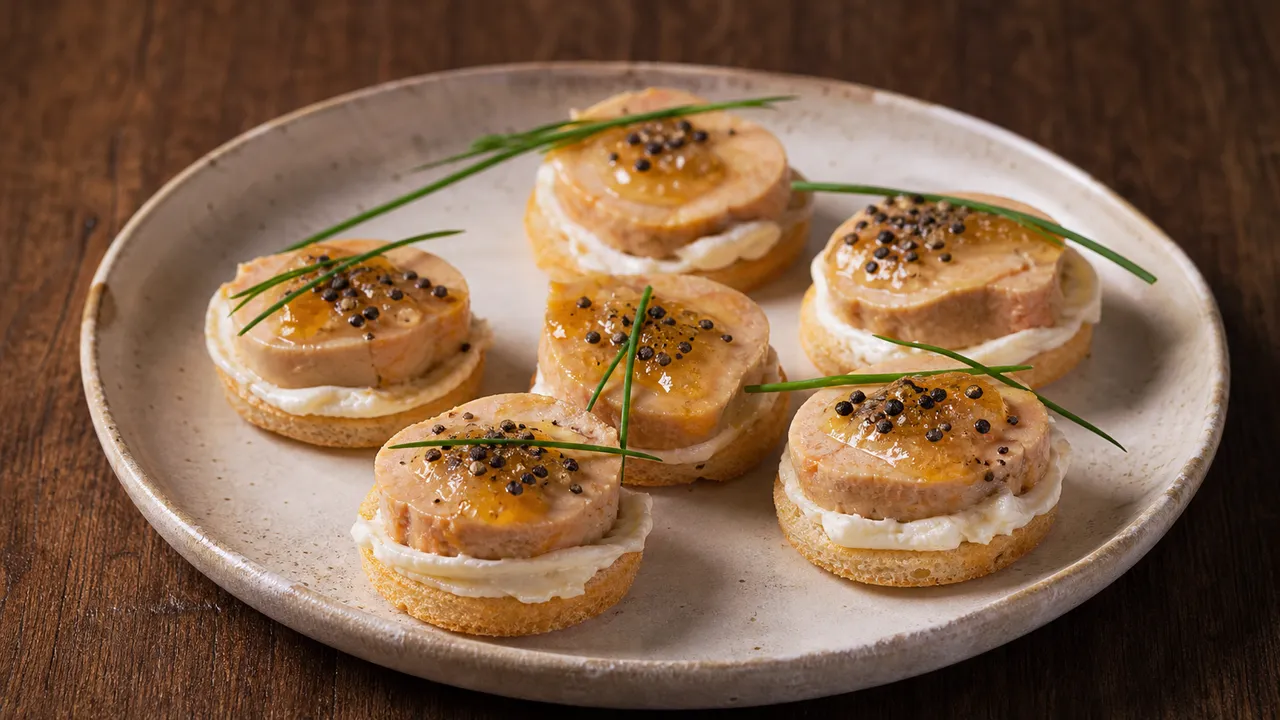
Chef Jung Ho-young's Signature Lunagaia Zibibbo Wine Pairing
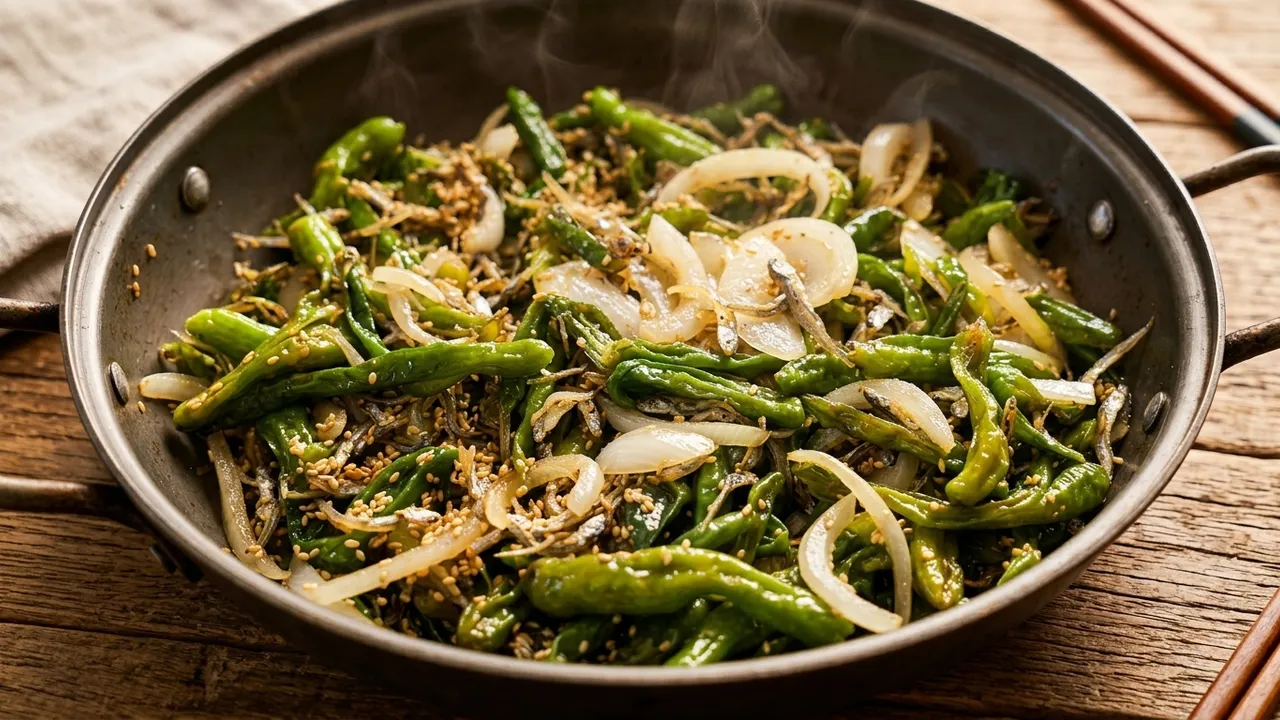
* 이미지는 AI가 생성한 참고 이미지로, 실제 조리 결과물과 다를 수 있습니다.
Chef Jung Ho-young introduces three recipes that perfectly complement Lunagaia Zibibbo wine, his favorite for 7 years: a super simple Ankimo (아귀간) Canapé, Bistro Kaden's popular Anchovy Pasta, and an impromptu Ankimo (아귀간) Pasta. Experience these special wine appetizers that anyone can easily make.
📋 3 recipes — Select to view
A versatile and easy-to-make wine appetizer using store-bought monkfish liver and cream cheese, topped with yuzu preserve (유자청) for a refreshing touch.
📝 Editor's Notes
This monkfish liver canape is a superb wine appetizer that can be made in just 10 minutes with store-bought monkfish liver and cream cheese.
It's an ultra-simple recipe that requires no complicated cooking steps, just mixing.
The savory and smooth flavors of monkfish liver and cream cheese are perfectly complemented by the refreshing tang of yuzu preserve, offering a delightful gourmet experience.
It's excellent for enjoying with wine on special occasions and makes an impressive dish for entertaining guests.
This delicacy is especially perfect for savoring with a glass of wine indoors during autumn and winter.
🛒 Ingredient Tips
Using store-bought monkfish liver is convenient.
It's important to choose a fresh and high-quality product, whether canned or vacuum-sealed.
Always check the expiration date, and select one with minimal fishy odor and uniform color upon opening.
For cream cheese, use a firm, plain cream cheese rather than a very soft one to achieve the desired thick consistency for the spread.
For yuzu preserve, opt for a product that isn't overly sweet and retains the natural aroma of yuzu.
The fragrant yuzu scent will further enhance the flavor of the monkfish liver.
🔄 Substitution Guide
Instead of monkfish liver, you can use foie gras pate or canned tuna.
Foie gras pate offers a similar luxurious flavor but is more expensive.
If using canned tuna, drain the oil and mix with mayonnaise and pepper to create a tuna spread.
For cream cheese, mascarpone cheese or ricotta cheese can be used as alternatives.
Mascarpone will result in a creamier and richer flavor, while ricotta will yield a lighter and milder taste.
To add a refreshing note, lemon juice or orange marmalade can substitute yuzu preserve.
If using lemon juice, it's recommended to add a touch of honey as it lacks sweetness.
🥘 Ingredients
👨🍳 Cooking Points
The most crucial cooking point is to maintain a 1:1 ratio of monkfish liver to cream cheese.
This ratio is key to achieving a rich, creamy, and natural spread consistency.
Second, season with tsuyu (쯔유) and freshly ground black pepper; tsuyu adds umami, and black pepper helps to neutralize any potential fishy odor from the monkfish liver, so don't be shy with it.
Finally, when making the spread, it's important to stir thoroughly until all ingredients are smoothly combined.
This ensures a delightful, soft texture when served on crackers.
👨🍳 Directions
Remove the store-bought monkfish liver from its packaging and cut about half (approx. 100g).
In a bowl, combine the monkfish liver with an equal amount of cream cheese (approx. 100g).
Sprinkle generously with freshly ground black pepper.
Add 1 tbsp of tsuyu (쯔유) and mix well until all ingredients are thoroughly combined, creating a monkfish liver spread.
Spoon a proper amount of the monkfish liver spread onto crackers.
Top the spread with 1 tbsp of yuzu preserve (유자청).
Garnish with finely chopped green onion and thinly sliced tomato, as desired.
💡 Tips
Mixing store-bought monkfish liver and cream cheese in a 1:1 ratio creates a rich, creamy, and natural flavor.
Adding yuzu preserve and tomato enhances the refreshing taste and adds vibrant color.
📦 Storage & Reuse
The prepared monkfish liver spread can be stored in an airtight container in the refrigerator for 2-3 days.
To maintain the crackers' crisp texture, it's best to spread them just before serving rather than beforehand.
Any leftover monkfish liver spread can be enjoyed on baguette slices or toast, or even used as a savory salad dressing.
As for the leftover yuzu preserve, try mixing it with warm water for a soothing yuzu tea, or incorporating it into salad dressings.
🥢 Who This Is For
This monkfish liver canape is a perfect pairing with wine, especially white wine or sparkling wine.
When prepared for guests, it creates an elegant atmosphere, and it's also an ideal appetizer for a cozy evening with a loved one.
Recommended accompaniments include a fresh salad or baguette slices.
It also serves wonderfully as a light appetizer.
🔥 Nutrition Info
This monkfish liver canape is estimated to be around 300-350 kcal per serving.
Thanks to the main ingredients, monkfish liver and cream cheese, it is relatively high in protein (approx. 10-15g) and fat (approx. 25-30g).
Carbohydrates may amount to about 15-20g due to the yuzu preserve and crackers.
Monkfish liver is rich in vitamins A and D, and omega-3 fatty acids, which contribute to eye health and immune system enhancement.
Cream cheese provides calcium and protein, but its fat content is also high, so moderate consumption is advisable.
Yuzu preserve is rich in vitamin C, adding a refreshing taste along with nutritional balance.
💬 Frequently Asked Questions
- Q. What ingredients do I need for Chef Jung Ho-young's Signature Lunagaia Zibibbo Wine Pairings: 3 Appetizer Recipes?
- Main ingredients include Ankimo (아귀간), store-bought, Cream cheese, Tsuyu (쯔유), Black peppercorns, Yuja-cheong (유자청). For ankimo (아귀간), using store-bought products is the easiest option. Since fresh ankimo (아귀간) can be challenging to prepare, it's recommended to choose canned or vacuum-sealed products from trusted brands. For cream cheese, select a plain cream cheese with a firm, thick texture, which will help create a thick and stable spread when mixed with ankimo (아귀간). If the cream cheese is too soft, the spread might become runny. Tsuyu (쯔유) is a key ingredient for adding umami; it's best to choose a milder Tsuyu (쯔유) that isn't too salty. Yuja-cheong (유자청) is primarily for adding the fragrant zest of yuzu rather than sweetness, so opt for a product that doesn't have an excessively artificial sweet taste.
- Q. What are the key tips for making Chef Jung Ho-young's Signature Lunagaia Zibibbo Wine Pairings: 3 Appetizer Recipes?
- The most crucial cooking point for this recipe is the ratio of ankimo (아귀간) to cream cheese. Sticking to a 1:1 ratio will create a rich yet smooth spread. Make sure to use 100g of ankimo (아귀간) and 100g of cream cheese. The second point is adjusting the amount of Tsuyu (쯔유). One tablespoon of Tsuyu (쯔유) is appropriate for seasoning and adding umami, but you can adjust it slightly to your personal taste. Start with 1 tablespoon, mix, taste, and then add a very small amount more if needed. Finally, the order of adding the Yuja-cheong (유자청), tomato, and green onion is important: place the Yuja-cheong (유자청) first on the spread, then top with tomato and green onion. This not only makes it visually appealing but also enhances the harmonious blend of flavors. Remember these three points, and you'll be able to make delicious canapés every time.
- Q. How should I store leftover Chef Jung Ho-young's Signature Lunagaia Zibibbo Wine Pairings: 3 Appetizer Recipes?
- The prepared Ankimo (아귀간) spread can be stored in an airtight container in the refrigerator for 2 to 3 days. Canapés assembled with crackers may become soggy over time, so it's best to spread just before serving for optimal taste and texture. Leftover Ankimo (아귀간) spread can be enjoyed on baguette slices, used as a salad dressing, mixed into mashed potato salad, or added to pasta sauce to enhance flavor. Since fresh ingredients are used, it's recommended to consume it as soon as possible.
- Q. How many calories are in Chef Jung Ho-young's Signature Lunagaia Zibibbo Wine Pairings: 3 Appetizer Recipes?
- One serving of this Ankimo (아귀간) canapé (based on 3-4 crackers) is estimated to be approximately 250-300 kcal. It contains about 10-15g of protein, 20-25g of fat, and 10-15g of carbohydrates. Ankimo (아귀간) is rich in vitamins A, D, E, and unsaturated fatty acids, which can help boost immunity and promote eye health. Cream cheese provides calcium and protein, but it is high in fat, so it's best to consume in moderation. Yuja-cheong (유자청) is rich in vitamin C, beneficial for fatigue recovery, and tomatoes are abundant in lycopene, which aids in antioxidant activity. Overall, the nutritional balance is good, but due to its fat content, it's advisable to avoid overconsumption.
- Q. Can I substitute ingredients in Chef Jung Ho-young's Signature Lunagaia Zibibbo Wine Pairings: 3 Appetizer Recipes?
- If Ankimo (아귀간) is unavailable or its unique flavor is too strong, you can use mentaiko (명란젓) or canned tuna as substitutes for a similar flavor profile. If using mentaiko (명란젓), which has a strong salty and savory taste, it's advisable to reduce or omit the Tsuyu (쯔유). For canned tuna, drain the oil before use for a cleaner flavor. If cream cheese is unavailable, soft ricotta cheese or mascarpone cheese can be used. Ricotta cheese will provide a lighter and milder taste, while mascarpone cheese offers a creamier and richer flavor. As a substitute for Tsuyu (쯔유), you can mix soy sauce with a little sugar, though it may not fully capture the unique umami of Tsuyu (쯔유). If Yuja-cheong (유자청) is not available, lemon or orange juice can add a tangy note, but the distinctive fragrance of Yuja-cheong (유자청) may be missed.
💬 Comments
No comments yet. Be the first to comment!