
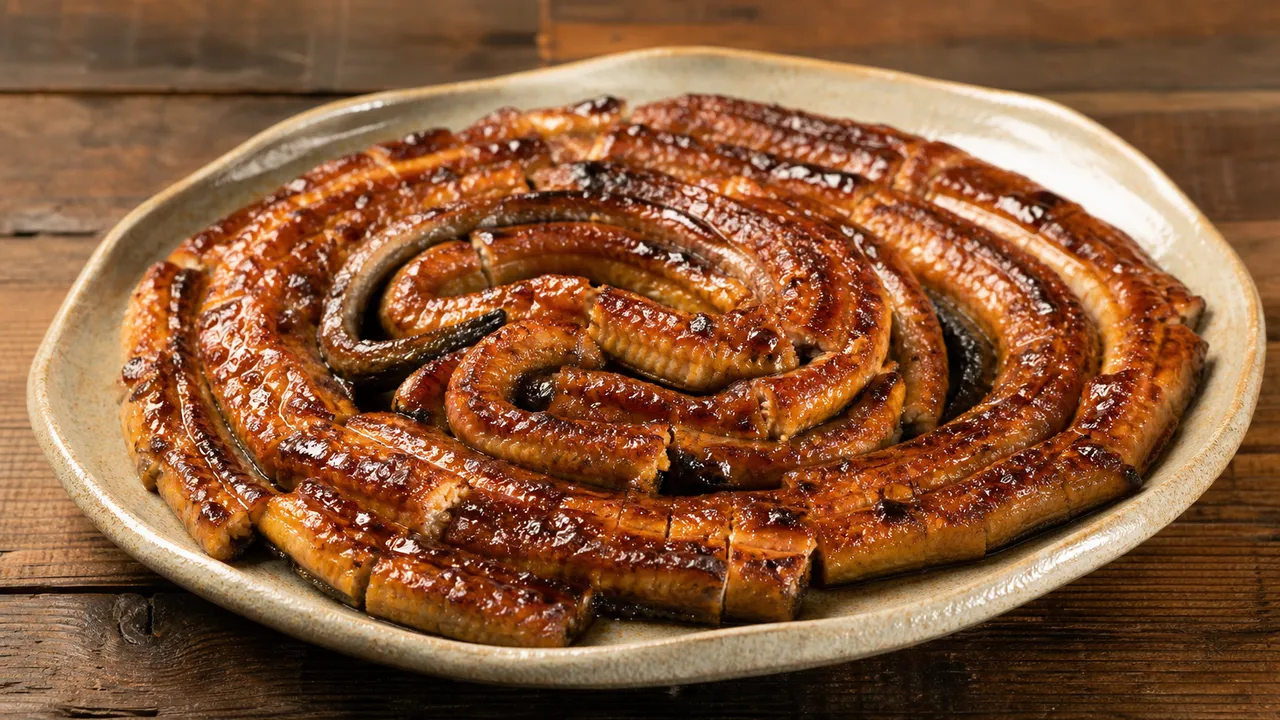
Chef Jung Ho-young's Premium Bento Box: Freshwater Eel, Abal
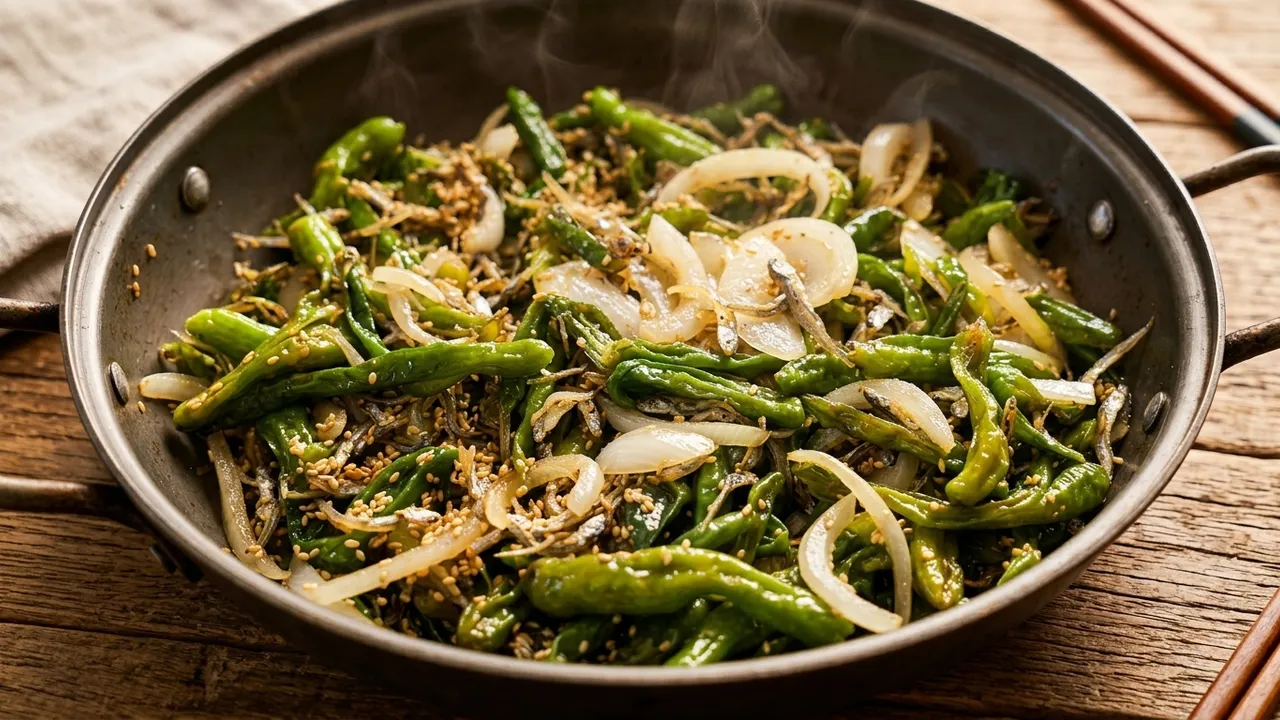
* 이미지는 AI가 생성한 참고 이미지로, 실제 조리 결과물과 다를 수 있습니다.
This is a special bento box recipe prepared by Chef Jung Ho-young for Hyundai E&C residents. Enjoy a satisfying meal featuring freshwater eel tare-yaki, abalone gaeu (게우) sauce, tender roast beef, sweet rolled omelet, donjiru (豚汁), and various seasonal vegetable side dishes.
📋 3 recipes — Select to view
A tender and flavorful delicacy made with charcoal-grilled freshwater eel, first rid of its sliminess with hot water, then simmered in an all-purpose soy tare sauce until glossy and rich.
📝 Editor's Notes
Today's recipe is Freshwater Eel Kabayaki, a delightful dish you can enjoy at home with just cleaned freshwater eel and all-purpose soy tare sauce.
The estimated cooking time is about 30 minutes, and the difficulty is moderate.
When charcoal-grilled eel is simmered in a sweet and savory tare sauce until glossy, it truly becomes a 'rice thief' (meaning it makes you eat a lot of rice).
The final touch with a kitchen torch adds a smoky flavor, making it an excellent summer stamina-boosting meal for the whole family or an impressive dish for entertaining guests.
🛒 Ingredient Tips
Freshness is paramount for freshwater eel.
Purchase live eel that has been freshly cleaned, or if buying cleaned eel, choose one with firm, glossy flesh.
The skin should be clean and not overly slimy for optimal freshness.
For the all-purpose soy tare sauce, you can use a store-bought product, or if making it yourself, prepare it in advance by combining soy sauce, sugar, mirin (맛술 - *mat-sul*), and corn syrup (*mul-yeot (물엿)*) in appropriate proportions.
This sauce is versatile not only for eel but also for chicken skewers or other braised dishes, so making a generous batch is recommended.
🔄 Substitution Guide
If freshwater eel is difficult to find or too expensive, you can substitute with conger eel (붕장어 - *bungjang-eo*) or anago (아나고 - *anago*).
While these have less fat than freshwater eel and are lighter in taste, simmering them in tare sauce will still yield a delicious grilled eel dish.
Instead of the all-purpose soy tare sauce, you can use teriyaki sauce.
There will be a slight difference in flavor, but it will still provide a sweet and savory taste.
If you have a soy allergy, consider making a sauce using gluten-free soy sauce or doenjang (된장 - Korean fermented soybean paste) as an alternative.
🥘 Ingredients
👨🍳 Cooking Points
The first key point of this dish is removing the eel's sliminess.
Pouring hot water over the skin helps achieve a clean taste without any fishy odor.
Water around 80°C (175°F) is ideal, rather than boiling hot water, and it's important to rinse it quickly.
The second point is pre-grilling the eel over charcoal; if charcoal grilling is not feasible at home, you can pan-fry it until golden brown.
Finally, when simmering in the tare sauce, wait patiently over medium heat until the sauce reduces to a thick glaze.
This ensures the eel becomes glossy and absorbs the flavors deeply.
Be mindful of the heat, as the sauce can become too salty if it reduces too quickly.
👨🍳 Directions
Pour hot water over the skin side of the cleaned freshwater eel to remove the slimy residue, then grill it over charcoal until cooked.
Place the grilled eel in a pan and warm it up.
Once the eel is sufficiently warm, pour a generous amount of the all-purpose soy tare sauce over it.
Simmer the eel until the sauce thickens and reduces, giving the eel a glossy finish.
Remove the simmered eel temporarily, then pour any remaining sauce back over the eel.
Lightly char the surface of the eel with a kitchen torch to enhance its aroma and finish.
💡 Tips
Pouring hot water over the eel skin to remove the sliminess helps achieve a clean taste without any fishy odor.
For eels prepared for bento boxes, it's better to simmer them in tare sauce rather than just salt-grilling, to enhance the flavor.
The all-purpose soy tare sauce can be used in various other dishes.
📦 Storage & Reuse
The finished Freshwater Eel Kabayaki can be stored in an airtight container in the refrigerator for 2-3 days.
For longer storage, it's best to portion it out and freeze it.
Frozen, it can last for about 1 month.
To eat, thaw it in the refrigerator, then warm it gently in a pan over low heat or briefly in the microwave.
Any leftover eel can be shredded and used in eel rice bowls (unadon) or eel rice balls (onigiri) for a delicious variation.
🥢 Who This Is For
Freshwater Eel Kabayaki is an excellent stamina-boosting food for summer, when one can easily feel fatigued.
It's great for the whole family and makes an impressive dish for guests.
Enjoy it over warm rice as unadon (eel rice bowl), or pair it with a cold beer for a perfect drinking snack.
For side dishes, we recommend refreshing cucumber soup (*oi naengguk (오이냉국)*) or crispy fresh kimchi (*geotjeori (겉절이)*).
They will help balance the richness of the eel, making it even more delicious.
🔥 Nutrition Info
One serving of Freshwater Eel Kabayaki (based on 100g eel and 30g sauce) is estimated to be approximately 350-400 kcal.
It contains about 20-25g of protein, 25-30g of fat, and 10-15g of carbohydrates.
Eel is rich in unsaturated fatty acids, which benefit vascular health, and abundant in vitamins A and E, good for eye health and skin.
It also contains a balanced array of minerals such as calcium, phosphorus, and iron, making it an excellent ingredient for restoring vitality and boosting immunity.
However, since the tare sauce contains sugar and soy sauce, the sodium content can be somewhat high, so it's advisable to adjust the amount of sauce to your preference.
💬 Frequently Asked Questions
- Q. What ingredients do I need for Chef Jung Ho-young's Premium Bento Box: Freshwater Eel, Abalone Gaeu Sauce, and Donjiru Recipe?
- Main ingredients include Cleaned Freshwater Eel, All-purpose Soy Sauce Tare. The freshness of the freshwater eel, the star of this recipe, is paramount. If handling live eel is difficult, it's convenient to choose pre-cleaned and vacuum-packed products. Select eel that is plump, firm, and has glossy skin. For the all-purpose soy sauce tare, you can use a store-bought product, or if making it yourself, it's convenient to prepare it in advance with soy sauce, sugar, mirin, corn syrup, minced garlic, etc. The sauce should not be too watery; a slightly viscous consistency will coat the eel well and add a beautiful glaze.
- Q. What are the key tips for making Chef Jung Ho-young's Premium Bento Box: Freshwater Eel, Abalone Gaeu Sauce, and Donjiru Recipe?
- The first key point for this tare-grilled eel is to remove the eel's mucus. Remember that pouring hot water over the skin is the secret to eliminating fishiness and achieving a clean taste. The second point is the process of reducing the tare sauce. After warming the eel in a pan, pour in a generous amount of sauce and slowly simmer over medium-low heat. If the sauce reduces too quickly, the flavor won't penetrate the eel, and the outside might burn, so pay attention to the heat control and wait until the sauce has reduced to a thick glaze. Finally, lightly torching the surface of the eel to infuse a smoky flavor is a crucial step to maximize its aroma. Be careful not to torch it for too long, as it might burn; instead, do it in short, repeated bursts.
- Q. How should I store leftover Chef Jung Ho-young's Premium Bento Box: Freshwater Eel, Abalone Gaeu Sauce, and Donjiru Recipe?
- Store the finished tare-grilled eel in an airtight container in the refrigerator for 2-3 days to maintain freshness. For longer storage, portion it into individual servings and freeze. It can be stored frozen for about 2 weeks. To reheat, warm in a microwave for 1-2 minutes or gently heat in a pan over low heat to keep it moist. Leftover eel can be shredded and used for unadon (eel rice bowl) or eel rice balls, or finely chopped to make a nutritious eel porridge.
- Q. How many calories are in Chef Jung Ho-young's Premium Bento Box: Freshwater Eel, Abalone Gaeu Sauce, and Donjiru Recipe?
- For this freshwater eel tare-yaki recipe, one serving is estimated to be around 450-550 kcal. Protein is estimated at approximately 30-40g, fat at 30-40g, and carbohydrates at 15-20g due to the sugar content in the tare sauce. Freshwater eel is rich in Vitamin A, which aids in eye health and immune system enhancement. It also contains abundant unsaturated fatty acids, beneficial for cardiovascular health, and minerals such as calcium, phosphorus, and iron, making it an excellent nutritious food. However, as the tare sauce can be high in sodium, it is advisable to adjust the amount of sauce consumed.
- Q. Can I substitute ingredients in Chef Jung Ho-young's Premium Bento Box: Freshwater Eel, Abalone Gaeu Sauce, and Donjiru Recipe?
- You can use saltwater eel instead of freshwater eel. Saltwater eel has a lower fat content than freshwater eel, offering a lighter taste. The cooking method remains the same, but saltwater eel can be firmer, so you might want to slightly extend the cooking time. If eel is not readily available or preferred, making chicken tare-yaki using chicken thighs is a good alternative. Chicken thighs don't require pouring hot water over the skin like eel, but grilling them skin-side down first until crispy in a pan will make them even more delicious. If you don't have all-purpose soy sauce tare, you can use store-bought teriyaki sauce.
💬 Comments
No comments yet. Be the first to comment!