
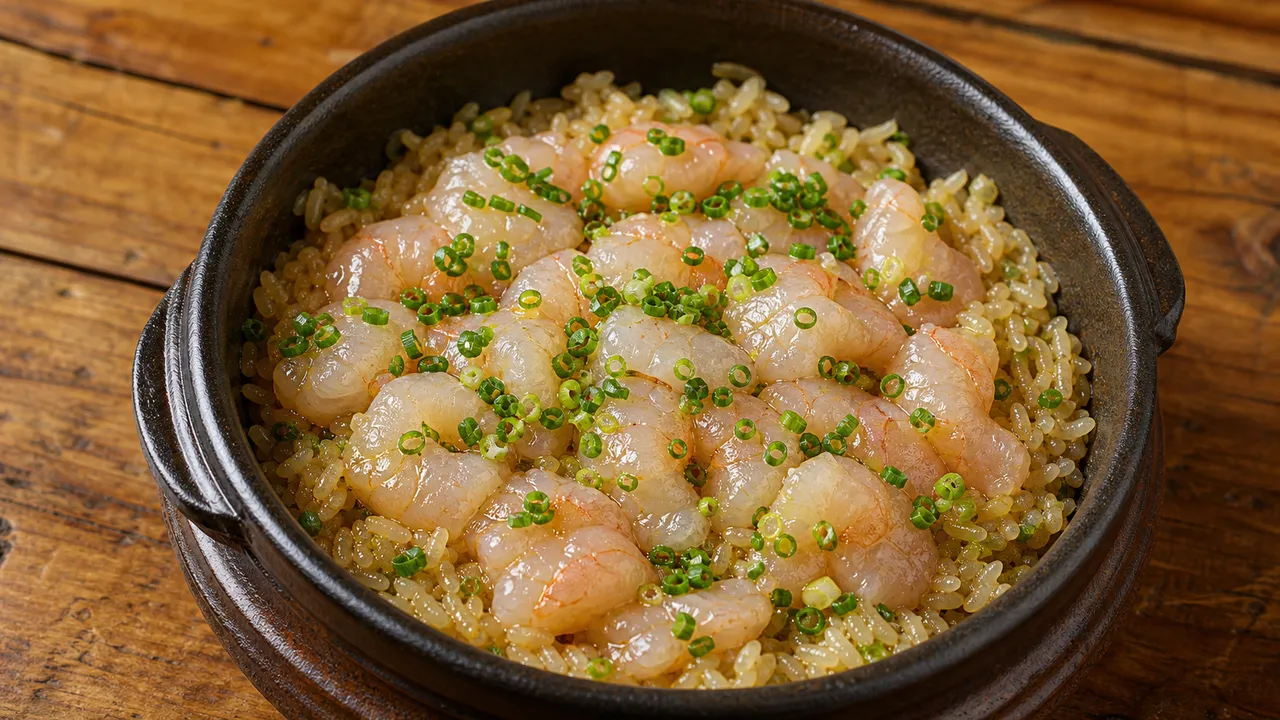
Costco Sushi Hot Pot Rice Recipe
* 이미지는 AI가 생성한 참고 이미지로, 실제 조리 결과물과 다를 수 있습니다.
This is an easy-to-enjoy hot pot rice recipe that utilizes leftover sashimi and rice from Costco sushi.
📝 Editor's Notes
Hello everyone!
Today, I'm excited to share a super simple hot pot rice recipe that you can whip up quickly using leftover sashimi and rice from Costco sushi.
Enjoying fresh sashimi with warm rice offers a unique and exquisite flavor.
The umami from tsuyu, the savory richness of perilla oil (들기름), and the aromatic freshness of green onions all come together beautifully, making it a perfect meal.
With a cooking time of just 5 minutes, it's an excellent choice for those busy days when you crave something special.
Experience the gourmet taste of a Japanese restaurant right in the comfort of your home.
Especially on chilly days, a warm bowl of hot pot rice will be a special treat that warms both your body and soul.
🛒 Ingredient Tips
The key ingredient in this recipe is fresh sashimi.
While the recipe suggests using Costco sushi, if you're buying sashimi separately, it's best to choose mild-flavored and firm-textured fish like halibut, tuna, and shrimp.
It's important to select sashimi that has vibrant color, good elasticity, and minimal fishy odor.
Tsuyu is a soy-sauce-based Japanese seasoning; choosing a commercial product that is rich in umami and has an appropriate saltiness will further enhance the flavor of your hot pot rice.
Lastly, for green onions, look for ones with white roots, fresh stalks, and deep green color.
Since you'll be using them generously, make sure to prepare fresh green onions.
🔄 Substitution Guide
If you don't have sushi rice, you can make your own sushi seasoning by adding a little vinegar, sugar, and salt to regular cooked rice.
If tsuyu is unavailable, you can substitute it by mixing 2 tbsp soy sauce, 1 tbsp mirin, and 0.5 tbsp sugar, but note that the unique deep umami of tsuyu might be less pronounced.
While sesame oil can be used instead of perilla oil (들기름), remember that it will result in a different flavor profile compared to perilla oil's unique nutty and aromatic taste.
Instead of sashimi, you can also top the rice with chicken breast or mushrooms for a lighter hot pot rice.
If you don't have ginger preserves, a small amount of ginger syrup or minced ginger can be added just for the aroma.
Don't worry too much if you're missing ingredients; it can be a fun experience to create your own hot pot rice using what you have.
🥘 Ingredients
👨🍳 Cooking Points
There are three key cooking points for this hot pot rice recipe.
First, coating the rice with perilla oil (들기름).
After spreading the rice in the pot, add tsuyu and perilla oil, then mix thoroughly so that each grain of rice is well coated.
This prevents the rice from burning and helps create a savory nurungji (누룽지, scorched rice).
Second, generously adding green onions is key.
Green onions are sensitive to heat and wilt quickly, so it's good to pile them on generously, to the point where you might think, 'Is this too much?' Third, controlling the heat for cooking the sashimi.
Cover the pot and cook over low heat for about 3-5 minutes, until the sashimi is lightly cooked.
Be careful not to cook it over too high heat, as this can make the sashimi tough.
The cooking time may vary depending on the type of sashimi; shrimp should turn slightly pink, and tuna and halibut should have their surfaces turn white.
👨🍳 Directions
First, spread the sushi rice evenly at the bottom of the pot.
Add a little tsuyu for extra umami flavor.
Add perilla oil (들기름) and mix well with the rice to coat it.
Generously top with chopped green onions, then artfully arrange the leftover shrimp, tuna, and halibut sashimi on top.
Add a small amount of chopped white parts of green onions for a subtle sweet flavor, and sprinkle with toasted sesame seeds.
Cover with a lid and cook over heat until the sashimi is lightly cooked. Then it's done.
Serve warm, mixing in ginger preserves according to your preference.
💡 Tips
Coating the rice with perilla oil (들기름) helps create a crispy, fragrant nurungji (누룽지, scorched rice) and enhances the flavor of the rice.
Green onions wilt quickly, so it's good to add them generously, to the point where you might wonder, 'Is this too much?'
📦 Storage & Reuse
This hot pot rice is best enjoyed immediately while warm.
As it contains raw fish, it is highly recommended to consume any leftovers on the same day.
If there are leftovers, store them in an airtight container in the refrigerator and eat them as soon as possible the next day.
Please note that the freshness of the sashimi may decline during refrigeration, so it's safest not to store it for more than one day.
When reheating, instead of using a microwave, gently warm it in a pot over low heat to preserve the texture of the rice and prevent the sashimi from overcooking.
Utilizing any remaining sashimi for hweddeopbap (회덮밥, sashimi rice bowl) or hoemuchim (회무침, spicy sashimi salad) is also a great idea.
🥢 Who This Is For
This Costco Sushi Hot Pot Rice is an excellent dish when you want to enjoy a simple yet special meal.
It's especially great for utilizing leftover sashimi after buying sushi, and it makes a wonderful meal for one.
Pairing it with wine or sake will elevate your dining experience even further.
Serving it with miso soup or a simple salad will create a nutritionally balanced meal.
If you love fresh sashimi, definitely give this a try!
🔥 Nutrition Info
This hot pot rice is estimated to be approximately 400-500 kcal per serving.
Sushi rice, the main ingredient, is a primary source of carbohydrates, while sashimi provides abundant high-quality protein.
Tuna and halibut, in particular, contain omega-3 fatty acids, which can contribute to cardiovascular health.
Shrimp is rich in protein and taurine, beneficial for fatigue recovery.
Perilla oil (들기름) is high in unsaturated fatty acids, supporting healthy fat intake, and green onions are packed with Vitamin C, potassium, and dietary fiber, contributing to immune system strength and gut health.
Tsuyu and ginger preserves may contain small amounts of sodium and sugar, so it's advisable to moderate their use for health.
Overall, this can be a well-balanced meal with carbohydrates, protein, and fats.
💬 Frequently Asked Questions
- Q. What ingredients do I need for Costco Sushi Hot Pot Rice?
- Main ingredients include Sushi rice, Tsuyu, Perilla oil (들기름), Chopped green onions, Shrimp sashimi. The key ingredient in this recipe is fresh sashimi. While the recipe suggests using Costco sushi, if you're buying sashimi separately, it's best to choose mild-flavored and firm-textured fish like halibut, tuna, and shrimp. It's important to select sashimi that has vibrant color, good elasticity, and minimal fishy odor. Tsuyu is a soy-sauce-based Japanese seasoning; choosing a commercial product that is rich in umami and has an appropriate saltiness will further enhance the flavor of your hot pot rice. Lastly, for green onions, look for ones with white roots, fresh stalks, and deep green color. Since you'll be using them generously, make sure to prepare fresh green onions.
- Q. What are the key tips for making Costco Sushi Hot Pot Rice?
- There are three key cooking points for this hot pot rice recipe. First, coating the rice with perilla oil (들기름). After spreading the rice in the pot, add tsuyu and perilla oil, then mix thoroughly so that each grain of rice is well coated. This prevents the rice from burning and helps create a savory nurungji (누룽지, scorched rice). Second, generously adding green onions is key. Green onions are sensitive to heat and wilt quickly, so it's good to pile them on generously, to the point where you might think, 'Is this too much?' Third, controlling the heat for cooking the sashimi. Cover the pot and cook over low heat for about 3-5 minutes, until the sashimi is lightly cooked. Be careful not to cook it over too high heat, as this can make the sashimi tough. The cooking time may vary depending on the type of sashimi; shrimp should turn slightly pink, and tuna and halibut should have their surfaces turn white.
- Q. How should I store leftover Costco Sushi Hot Pot Rice?
- This hot pot rice is best enjoyed immediately while warm. As it contains raw fish, it is highly recommended to consume any leftovers on the same day. If there are leftovers, store them in an airtight container in the refrigerator and eat them as soon as possible the next day. Please note that the freshness of the sashimi may decline during refrigeration, so it's safest not to store it for more than one day. When reheating, instead of using a microwave, gently warm it in a pot over low heat to preserve the texture of the rice and prevent the sashimi from overcooking. Utilizing any remaining sashimi for hweddeopbap (회덮밥, sashimi rice bowl) or hoemuchim (회무침, spicy sashimi salad) is also a great idea.
- Q. How many calories are in Costco Sushi Hot Pot Rice?
- This hot pot rice is estimated to be approximately 400-500 kcal per serving. Sushi rice, the main ingredient, is a primary source of carbohydrates, while sashimi provides abundant high-quality protein. Tuna and halibut, in particular, contain omega-3 fatty acids, which can contribute to cardiovascular health. Shrimp is rich in protein and taurine, beneficial for fatigue recovery. Perilla oil (들기름) is high in unsaturated fatty acids, supporting healthy fat intake, and green onions are packed with Vitamin C, potassium, and dietary fiber, contributing to immune system strength and gut health. Tsuyu and ginger preserves may contain small amounts of sodium and sugar, so it's advisable to moderate their use for health. Overall, this can be a well-balanced meal with carbohydrates, protein, and fats.
- Q. Can I substitute ingredients in Costco Sushi Hot Pot Rice?
- If you don't have sushi rice, you can make your own sushi seasoning by adding a little vinegar, sugar, and salt to regular cooked rice. If tsuyu is unavailable, you can substitute it by mixing 2 tbsp soy sauce, 1 tbsp mirin, and 0.5 tbsp sugar, but note that the unique deep umami of tsuyu might be less pronounced. While sesame oil can be used instead of perilla oil (들기름), remember that it will result in a different flavor profile compared to perilla oil's unique nutty and aromatic taste. Instead of sashimi, you can also top the rice with chicken breast or mushrooms for a lighter hot pot rice. If you don't have ginger preserves, a small amount of ginger syrup or minced ginger can be added just for the aroma. Don't worry too much if you're missing ingredients; it can be a fun experience to create your own hot pot rice using what you have.

💬 Comments
No comments yet. Be the first to comment!