
Hwe Deopbap (Korean Raw Fish Rice Bowl) using Costco Sushi S
This recipe shows you how to make a fresh Hwe Deopbap (Korean raw fish rice bowl) using leftover sashimi from Costco sushi.
📝 Editor's Notes
Today's recipe is Hwe Deopbap (회덮밥), a Korean raw fish rice bowl that utilizes leftover sashimi from Costco sushi.
The fresh sashimi, crisp vegetables, and sweet and tangy chogochujang (초고추장) create a perfect meal.
Since you're using pre-seasoned sushi rice, there's no need to season the rice separately, making the preparation very simple.
The savory and nutty aroma of perilla oil (deulgireum) adds an exquisite flavor that tantalizes the taste buds.
We highly recommend this dish for anyone looking to enjoy a healthy and delicious meal even with a busy schedule.
This cold Hwe Deopbap (회덮밥) is also an excellent summer delicacy with its refreshing and clean taste.
🛒 Ingredient Tips
The key to Hwe Deopbap (회덮밥) lies in fresh sashimi and crisp vegetables.
When using Costco sushi sashimi, it's important to consume it as soon as possible after purchase.
Sashimi loses freshness when exposed to air, so store it sealed in the refrigerator, and it's best not to consume it if it looks dull or smells fishy.
For vegetables, in addition to frilly lettuce and perilla leaves (kkaennip), try using various leafy greens like cabbage or chicory.
Leafy greens should be washed thoroughly under running water and completely dried to maintain their crisp texture.
Bibigo Low-Sugar Chogochujang (초고추장) is a good option for those mindful of sugar intake, but regular chogochujang (초고추장) can also be used.
Lastly, make sure to use fresh perilla oil (deulgireum).
Old perilla oil (deulgireum) can become rancid and develop a bitter taste.
🔄 Substitution Guide
Instead of flounder sashimi, you can use other types of sushi sashimi like salmon or tuna.
Salmon is known for its tender texture and rich, savory taste, while tuna offers a clean and delicate flavor.
Choose the type of fish that suits your preference, as it will change the taste and aroma.
For vegetables, besides frilly lettuce and perilla leaves (kkaennip), feel free to use any other leafy greens or young salad greens you have at home.
Adding finely shredded cabbage or red cabbage can enhance the crisp texture and add vibrant color.
If you don't have chogochujang (초고추장), you can make your own by mixing 2 tbsp gochujang (고추장), 2 tbsp vinegar, 1 tbsp sugar, 0.5 tbsp minced garlic, and a splash of sesame oil.
Sesame oil can replace perilla oil (deulgireum), but note that the unique nutty and fragrant flavor of perilla oil (deulgireum) may be slightly reduced.
🥘 Ingredients
👨🍳 Cooking Points
The biggest highlight of this Hwe Deopbap (회덮밥) recipe is its quick preparation time of just 5 minutes.
First, when adding sushi rice to the bowl, do not press it down too firmly; gently scoop it in so air can circulate.
This prevents the rice grains from clumping together and helps maintain a soft texture when mixing the Hwe Deopbap (회덮밥).
Second, it's crucial to thoroughly dry the vegetables.
Any remaining moisture can dilute the flavor of the Hwe Deopbap (회덮밥) and make the ingredients soggy when mixed.
Pat them dry with a paper towel.
Third, feel free to add a generous amount of minced garlic and chopped scallions to your liking.
Fresh garlic, in particular, adds a pungent kick to the Hwe Deopbap (회덮밥) and effectively masks any fishy odors.
Adjust the amount of Bibigo Low-Sugar Chogochujang (초고추장) to your taste, and a final drizzle of perilla oil (deulgireum) will enhance the nutty aroma.
Once all ingredients are in, gently mix with chopsticks and enjoy.
👨🍳 Directions
Place your desired amount of seasoned sushi rice into a bowl.
Top with your desired amount of chopped leafy greens, such as frilly lettuce and perilla leaves (kkaennip).
Add the leftover flounder sashimi, then sprinkle with minced garlic and chopped scallions to your liking.
Drizzle generously with Bibigo Low-Sugar Chogochujang (초고추장).
If desired, drizzle perilla oil (deulgireum) over the top and mix well before eating.
💡 Tips
Adding fresh minced garlic to Hwe Deopbap (회덮밥) enhances its pungent flavor, making it even more delicious.
Drizzling perilla oil (deulgireum) prevents the rice from sticking, adds a nutty aroma, and enhances the overall flavor.
📦 Storage & Reuse
Hwe Deopbap (회덮밥) is best enjoyed immediately after preparation.
Since the freshness of raw fish is paramount, we do not recommend refrigerating leftover Hwe Deopbap (회덮밥) or reheating it.
If you have leftover ingredients, store the sashimi, rice, and vegetables separately in airtight containers in the refrigerator and consume them by the next day if possible for safety.
Sashimi can be stored in the refrigerator for 1-2 days, and unwashed vegetables can maintain freshness longer.
Leftover sushi rice can be rolled into rice balls with seaweed or lightly warmed and mixed with soy sauce for another delightful treat.
Use any remaining vegetables in salads or other stir-fried dishes.
🥢 Who This Is For
This Hwe Deopbap (회덮밥) is an excellent choice for busy professionals, students living alone, or when you want to serve a simple yet impressive meal to unexpected guests.
It's also recommended for those who love fresh sashimi but find cooking cumbersome.
It's especially perfect as a cool and light meal during hot summer months.
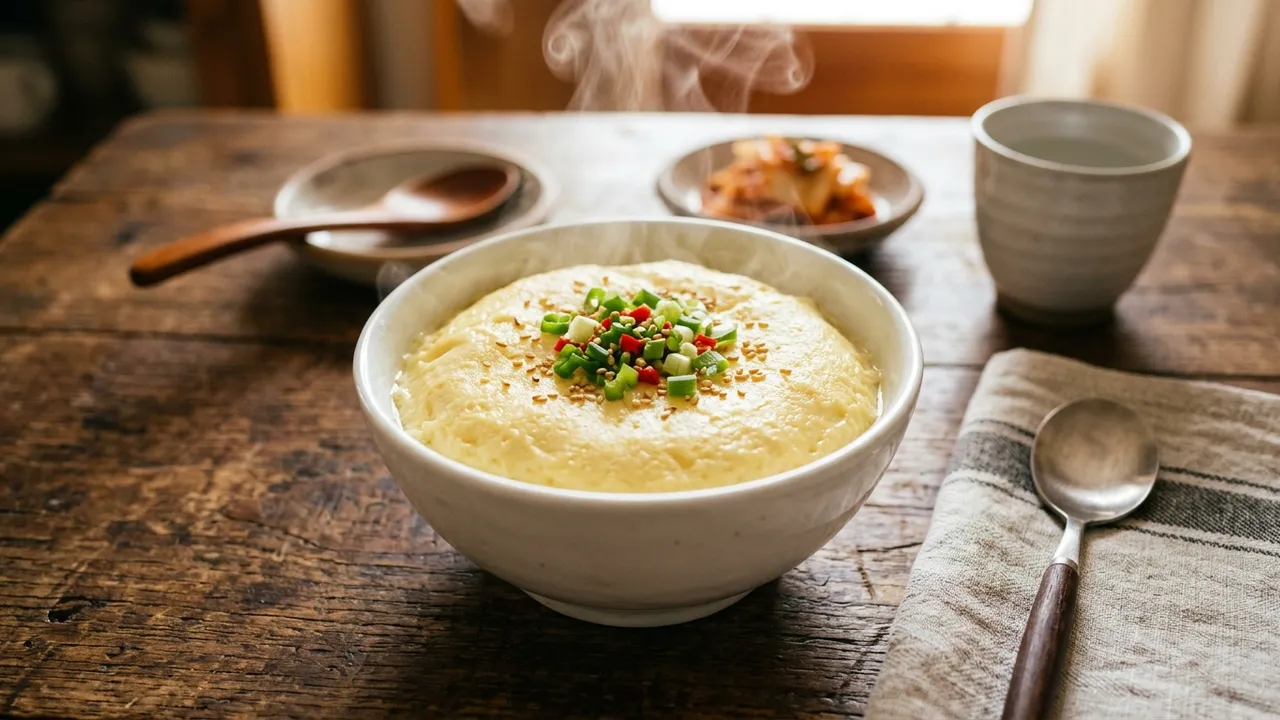
For side dishes, we recommend a refreshing kongnamul guk (콩나물국 - bean sprout soup) or miyeok guk (미역국 - seaweed soup), or a simple gyeranjjim (계란찜 - steamed egg custard).
Pairing it with a clean-tasting soup will further enrich the experience of enjoying Hwe Deopbap (회덮밥).
🔥 Nutrition Info
This Hwe Deopbap (회덮밥) using Costco sushi is estimated to be approximately 450-550 kcal per serving.
This can vary depending on the amount of sushi rice, type of fish, and quantity of chogochujang (초고추장).
You can expect to consume about 20-25g of protein from the flounder sashimi, 10-15g of fat, and 60-70g of carbohydrates from the sushi rice.
Flounder sashimi is a low-fat, high-protein food rich in essential amino acids, which can help with fatigue recovery.
It also contains B vitamins, vitamin D, and taurine.
Vegetables provide vitamin C and dietary fiber, while perilla oil (deulgireum) is rich in omega-3 fatty acids, which can help improve blood circulation.
Overall, this can be a well-balanced and healthy meal.
💬 Comments
No comments yet. Be the first to comment!