
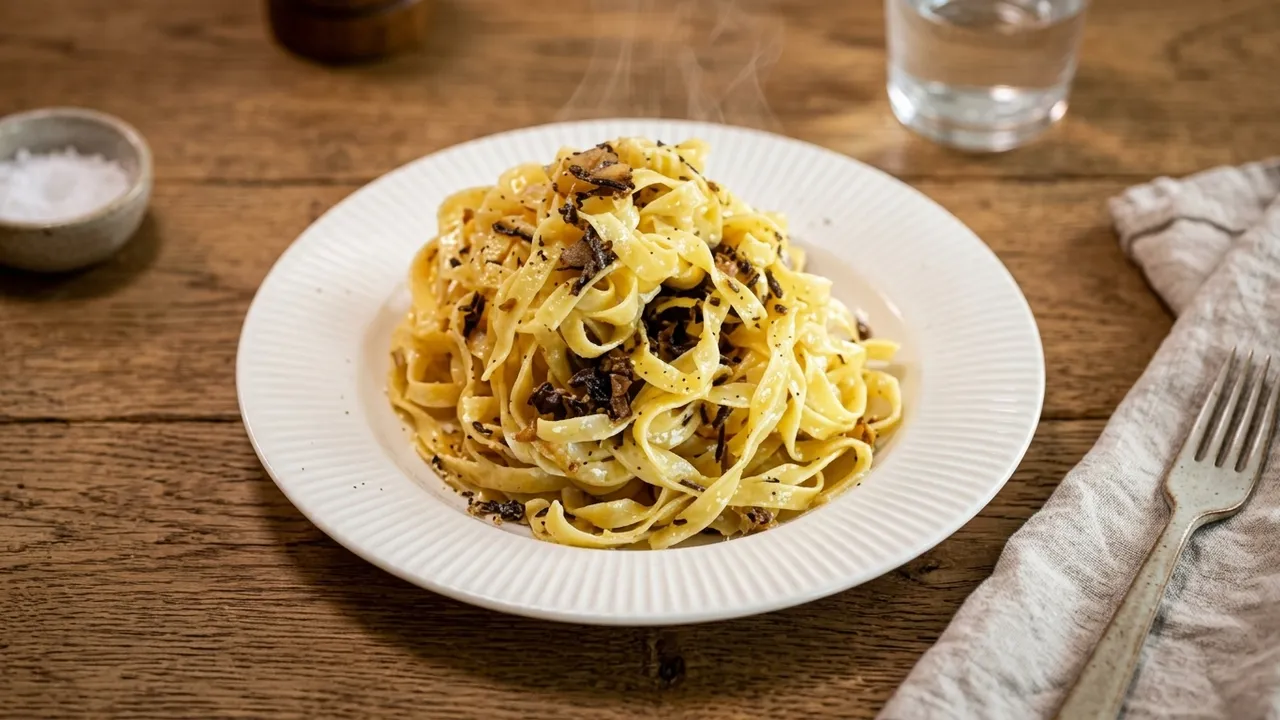
Shiokombu Oil Pasta
A very simple oil pasta made with shiokombu, bursting with umami.
📝 Editor's Notes
Today's shiokombu oil pasta is a very simple yet deeply flavorful dish made with shiokombu, the epitome of umami.
You can create a wonderful meal without complex ingredients or difficult techniques, making it easy for even beginner cooks to try.
The unique salty and deep umami flavor of shiokombu, infused with olive oil and garlic aroma, will bring a mouth-filling sense of happiness.
A key feature of this recipe is using flat noodles like tagliatelle to fully experience the rich taste of shiokombu.
It’s perfect for a light meal on a warm spring day, and also an excellent choice for a special occasion paired with wine.
🛒 Ingredient Tips
Shiokombu, the star of this recipe, is made from kelp cured in salt and is crucial for achieving a deep umami flavor.
When choosing shiokombu, select a product that isn't too salty but retains the distinctive aroma of kelp.
Opting for airtight packaging that is resistant to moisture will help keep it fresh for longer.
For garlic, slicing whole cloves yourself will yield a much richer aroma.
Choose fresh garlic with firm outer skin and no sprouts, and using fresh domestic garlic is even better.
For olive oil, using extra virgin olive oil can further elevate the flavor.
Choose a product with a mild and smooth taste that will blend well with the pasta without overpowering it.
🔄 Substitution Guide
You can use other types of pasta noodles like spaghetti or linguine instead of tagliatelle.
However, flat noodles tend to capture the umami of shiokombu better, so the texture and richness of flavor might be slightly different.
If you don't prefer pasta, you can use udon noodles, but it's important to cook them slightly less than usual to prevent them from becoming mushy during cooking.
If Vietnamese dried chilies are unavailable, you can substitute with peperoncino or Korean green chilies (cheongyang gochu (청양고추)).
They help add a spicy kick and cut through the richness.
Instead of butter, you can increase the amount of olive oil slightly or use vegetable margarine, but the unique savory and creamy flavor of butter might be reduced.
Adding a little heavy cream instead of egg yolks is also an option for added creaminess, but the flavor profile might change slightly.
🥘 Ingredients
👨🍳 Cooking Points
You can make this pasta deliciously without failure by remembering just a few key points.
The first is to fully extract the garlic's aroma.
It's important to add the sliced garlic to the pan with olive oil from the start, heating it slowly over low heat until the garlic is golden brown, infusing the oil with its aroma.
Be careful not to burn the garlic by cooking it too quickly over high heat.
The second is to cook the pasta al dente.
The key is to cook tagliatelle noodles for 4 minutes until there's a slight bite in the center.
Since the noodles will continue to cook during the stir-frying process, it's important to prevent them from becoming too soft.
The third is the timing for adding shiokombu, butter, and egg yolks.
You should add shiokombu, butter, and egg yolks in order after turning off the heat and mix them quickly.
Especially for the egg yolks, adding them to a hot pan can cause them to cook, so mixing them to emulsify with the residual heat of the pasta is the secret to a smooth texture.
👨🍳 Directions
In boiling water, add a generous pinch of salt (until salty) and a dash of cooking oil. Cook the tagliatelle pasta for 4 minutes until al dente, with a slight bite in the center (original cooking time is 5 minutes, but consider the stir-frying process).
Slice 4 cloves of garlic thinly, and finely mince the shiokombu (finer than you might think). In a pan, add 4 tbsp of olive oil and the sliced garlic from the start. Heat over low heat to fully extract the garlic's aroma. When the garlic starts to color, add 1 Vietnamese dried chili and sauté together.
Once the garlic and chili are golden brown, add the cooked pasta. Toss well to coat the pasta with the oil and sauté. Turn off the heat. Add 1 tbsp (for a milder taste) or 1.5 tbsp (for a saltier taste) of minced shiokombu and toss well to season.
With the heat off, add 20g of butter and melt it, emulsifying it with the pasta. Add 2 egg yolks and quickly stir to mix well with the pasta.
Plate the finished pasta beautifully and finish by sprinkling with black pepper (to taste).
💡 Tips
Using flat noodles like tagliatelle allows more shiokombu to cling to the pasta, enhancing the umami flavor.
Adjust the amount of garlic to your preference. It's crucial to add the garlic with the oil before heating the pan to fully extract its aroma.
Shiokombu serves as the main umami component of the dish, making it delicious enough without additional cheese or seasonings.
If you don't prefer pasta, you can use udon noodles. However, cook them slightly less than usual before stir-frying to prevent them from becoming mushy.
📦 Storage & Reuse
Shiokombu oil pasta is best enjoyed immediately when warm.
Leftover pasta can be stored in an airtight container in the refrigerator until the next day, but the pasta may become soggy or the sauce may separate, so it's recommended to consume it as soon as possible.
Freezing is not recommended as the texture of the noodles can significantly change.
When reheating, microwave for about 1-2 minutes or gently heat in a pan over low heat with a little extra olive oil, sautéing slightly to help them stay moist and prevent them from drying out too much.
Store leftover shiokombu in an airtight container in the refrigerator; it's also great mixed with rice or used in other stir-fried dishes.
🥢 Who This Is For
This shiokombu oil pasta, with its simple yet sophisticated taste, is perfect as a wonderful meal to enjoy by yourself, or as a great dish for an intimate dinner with a partner or a home party with friends.
You can experience an even richer flavor, especially when paired with wine.
A fresh vegetable salad or crispy garlic bread would make for an even more complete meal.
It also harmonizes well with mild-flavored white fish dishes or light soups.
🔥 Nutrition Info
One serving of this shiokombu oil pasta is estimated to be around 550-650 kcal.
You will mainly consume carbohydrates and fats from the pasta noodles, olive oil, and butter; it is expected to contain approximately 60-70g of carbohydrates and 35-45g of fats.
You can obtain about 6-8g of protein from the egg yolks.
Shiokombu is rich in minerals, providing not only umami but also contributing to health.
Garlic's allicin content is good for boosting immunity, and olive oil, rich in unsaturated fatty acids, can positively impact cardiovascular health.
However, due to the shiokombu and salt, the sodium content might be somewhat high, so those who prefer less salty food should adjust the amount of shiokombu.
💬 Comments
No comments yet. Be the first to comment!