
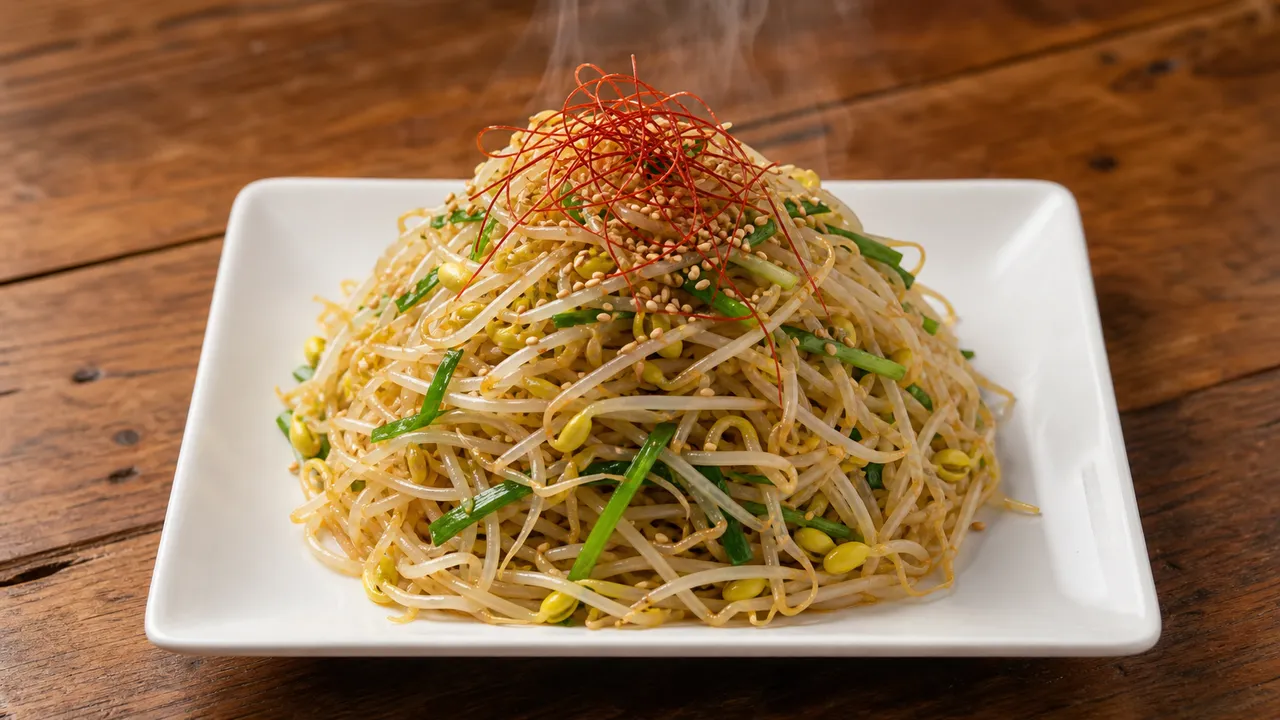
Crispy Mung Bean Sprout Salad (Sukjunamul Muchim) Secret! A
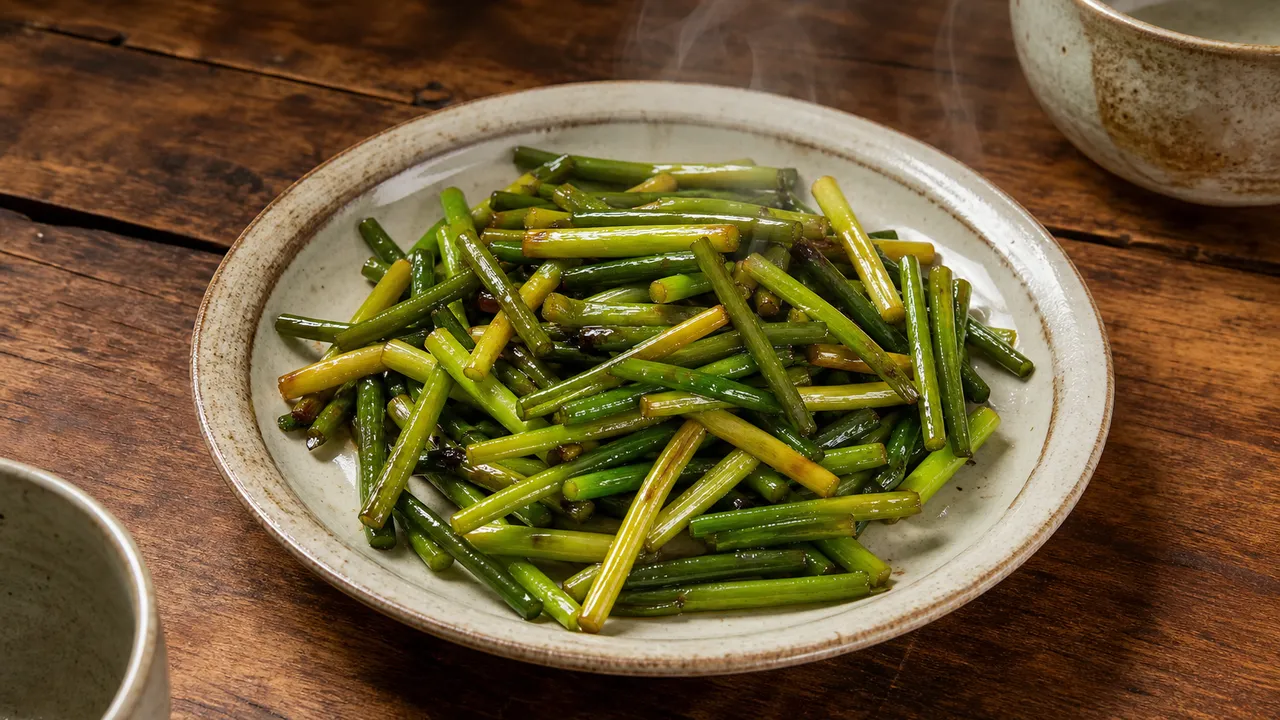
* 이미지는 AI가 생성한 참고 이미지로, 실제 조리 결과물과 다를 수 있습니다.
This is a super simple, spicy, and refreshing recipe for mung bean sprouts. It involves blanching 700g of mung bean sprouts for just 30-60 seconds, then seasoning them crisply with vinegar and other ingredients to create a crunchy, clean-tasting side dish.
📝 Editor's Notes
Crispy Mung Bean Sprout Salad (Sukjunamul Muchim) is a super simple side dish made quickly by blanching 700g of sprouts for less than a minute.
Its main charm lies in its spicy yet clean flavor and crisp texture, achieved by adding vinegar to eliminate any off-putting odor.
It plays a perfect supporting role on any Korean dining table, especially great for stimulating appetite during hot summer days.
Anyone can easily make it, allowing even novice cooks to successfully prepare delicious Sukjunamul Muchim.
🛒 Ingredient Tips
When choosing mung bean sprouts, look for those without condensation in the bag, with transparent and plump stems, and few fine roots.
Avoid sprouts with overly thin stems or black spots, as these indicate reduced freshness.
If using market-bought mung bean sprouts, they often have husks remaining, so it's crucial to wash them thoroughly and remove the husks well.
For scallions (쪽파), choose those with vibrant green and firm stalks.
For Cheongyang pepper (땡초) and red chili pepper (홍초), select smooth, glossy ones without blemishes to ensure a fresh flavor.
🔄 Substitution Guide
If you want to reduce the spiciness, you can substitute Cheongyang pepper (땡초) and red chili pepper (홍초) with julienned bell peppers or carrots to add color and a subtle sweetness.
While you can use regular salt instead of seasoned salt (맛소금), the umami flavor provided by seasoned salt helps bring out the charm of this recipe.
If you don't have Dashida (다시다), you can substitute it with Gukganjang (Korean soup soy sauce) or fish sauce to add umami, but it may differ from the unique deep flavor of Dashida.
Using perilla oil instead of sesame oil will change the nutty aroma, so choose according to your preference.
🥘 Ingredients
👨🍳 Cooking Points
The most crucial cooking point is the blanching time for the mung bean sprouts.
Blanch them for precisely 30 seconds to 1 minute to ensure a crisp texture.
Blanching for too long can make them mushy and develop an off-putting odor, so remember this timing.
After blanching, immediately plunge them into cold water to stop the cooking process.
This prevents the residual heat from overcooking the sprouts and helps maintain their crispness.
Finally, before seasoning, squeeze out as much water as possible from the mung bean sprouts.
This ensures the seasoning adheres well and penetrates evenly, creating a delicious Sukjunamul Muchim.
👨🍳 Directions
Wash 700g of mung bean sprouts thoroughly and gently remove any husks. (If using market-bought sprouts)
Finely chop 3 stalks of scallions, 1 Cheongyang pepper (땡초), and 1 red chili pepper (홍초).
Add 1 tsp of vinegar to rapidly boiling water. Then, add the mung bean sprouts and blanch for 30 seconds to 1 minute. Ensure the sprouts are fully submerged in the water.
Immediately remove the blanched mung bean sprouts, plunge them into cold water to stop cooking, then rinse under running water twice.
Squeeze out as much water as possible from the rinsed mung bean sprouts, either using a sprout press or your hands.
In a mixing bowl, combine the squeezed mung bean sprouts with 1 tbsp crushed roasted sesame seeds (깨소금), 1 tsp Dashida (다시다), 1 tsp minced garlic, 1 pinch seasoned salt (맛소금), 1 tbsp soy sauce, and all the finely chopped scallions, Cheongyang pepper (땡초), and red chili pepper (홍초).
Add 1 ½ tbsp of sesame oil and mix thoroughly by hand, gently tossing the ingredients together until well combined.
Arrange beautifully on a serving plate and serve.
💡 Tips
Adding 1 tsp of vinegar when blanching the mung bean sprouts helps eliminate their unique grassy/off-putting odor and maintain a crisp texture.
Do not blanch the mung bean sprouts for too long (30 seconds to 1 minute). After blanching, immediately plunge them into cold water to cool them down. If residual heat remains, the sprouts will continue to cook, losing their crispness and becoming tough.
Before seasoning, squeeze out as much water as possible from the mung bean sprouts. This ensures the seasoning adheres well and the sprouts are flavorful, preventing a watery or bland taste.
If you don't like spicy flavors, you can substitute Cheongyang pepper (땡초) and red chili pepper (홍초) with ingredients like julienned carrots to add color instead.
📦 Storage & Reuse
Store the finished Sukjunamul Muchim in an airtight container in the refrigerator for 2-3 days to maintain freshness.
Due to the nature of mung bean sprouts, prolonged storage can make them mushy or develop an off-putting odor, so it's best to consume them as soon as possible.
Freezing is not recommended as it destroys the sprouts' crisp texture.
Leftover Sukjunamul Muchim can be stir-fried with kimchi (김치) as a side dish for rice, or added to bibimbap for a different flavor.
🥢 Who This Is For
This Sukjunamul Muchim is a versatile side dish that pairs well with any Korean meal.
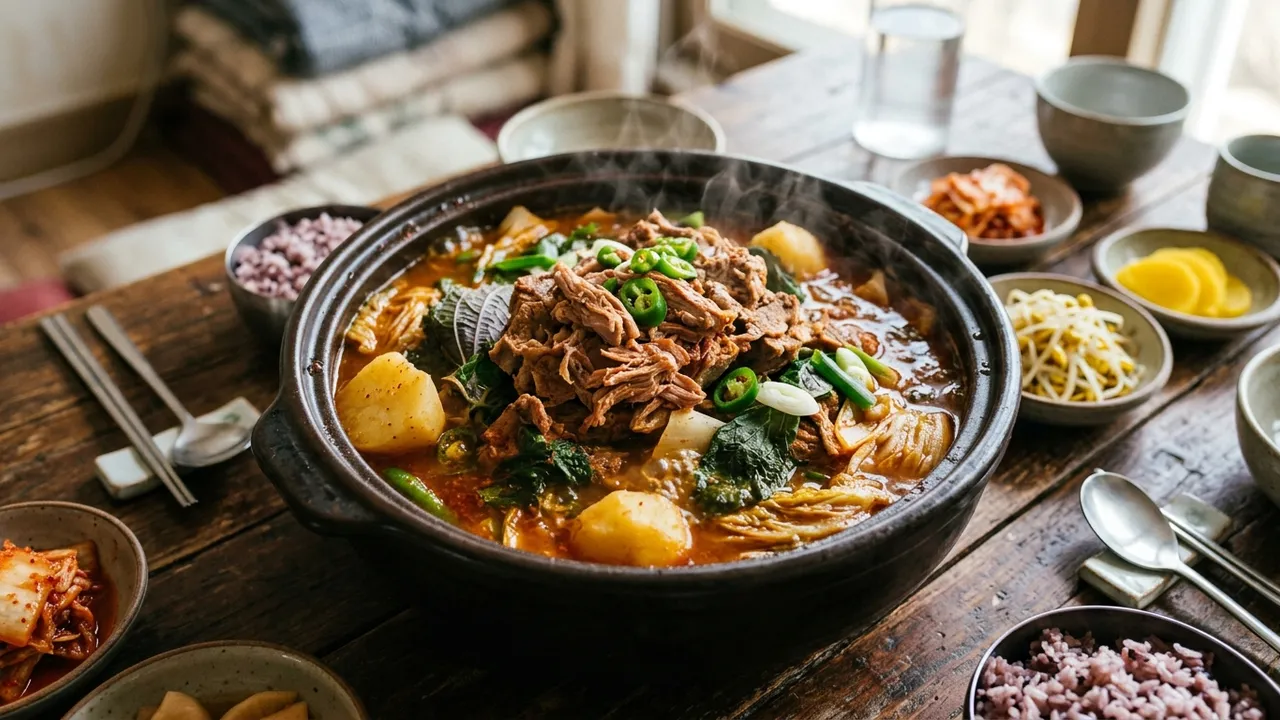
It's particularly good for refreshing your palate when accompanying hearty main dishes like Yukgaejang (spicy beef soup) or Galbi Jjim (braised short ribs).
It also complements meat dishes perfectly and is excellent when added to bibimbap.
It's a great, easy-to-prepare nutritious option for those eating alone or living independently.
For children who don't like spicy food, you can prepare it without Cheongyang pepper (땡초) and red chili pepper (홍초).
🔥 Nutrition Info
Based on this recipe, for an estimated 4 servings, each serving boasts a very low calorie count of approximately 40-60 kcal.
Protein is estimated at about 3-5g, fat at 2-4g, and carbohydrates at 5-8g.
Mung bean sprouts are rich in Vitamin C and asparagine, which aid in fatigue recovery and detoxification.
They are also high in dietary fiber, beneficial for gut health, and rich in potassium, effective in sodium excretion.
This is an excellent vegetable side dish for those on a diet or pursuing a healthy eating plan.
💬 Frequently Asked Questions
- Q. What ingredients do I need for Crispy Mung Bean Sprout Salad (Sukjunamul Muchim) Secret! A Super Easy Recipe Without the Off-Putting Odor?
- Main ingredients include Mung Bean Sprouts (숙주나물), Cheongyang Pepper (땡초), Red Chili Pepper (홍초), Scallions (쪽파), Vinegar. When choosing mung bean sprouts, look for those without condensation in the bag, with transparent and plump stems, and few fine roots. Avoid sprouts with overly thin stems or black spots, as these indicate reduced freshness. If using market-bought mung bean sprouts, they often have husks remaining, so it's crucial to wash them thoroughly and remove the husks well. For scallions (쪽파), choose those with vibrant green and firm stalks. For Cheongyang pepper (땡초) and red chili pepper (홍초), select smooth, glossy ones without blemishes to ensure a fresh flavor.
- Q. What are the key tips for making Crispy Mung Bean Sprout Salad (Sukjunamul Muchim) Secret! A Super Easy Recipe Without the Off-Putting Odor?
- The most crucial cooking point is the blanching time for the mung bean sprouts. Blanch them for precisely 30 seconds to 1 minute to ensure a crisp texture. Blanching for too long can make them mushy and develop an off-putting odor, so remember this timing. After blanching, immediately plunge them into cold water to stop the cooking process. This prevents the residual heat from overcooking the sprouts and helps maintain their crispness. Finally, before seasoning, squeeze out as much water as possible from the mung bean sprouts. This ensures the seasoning adheres well and penetrates evenly, creating a delicious Sukjunamul Muchim.
- Q. How should I store leftover Crispy Mung Bean Sprout Salad (Sukjunamul Muchim) Secret! A Super Easy Recipe Without the Off-Putting Odor?
- Store the finished Sukjunamul Muchim in an airtight container in the refrigerator for 2-3 days to maintain freshness. Due to the nature of mung bean sprouts, prolonged storage can make them mushy or develop an off-putting odor, so it's best to consume them as soon as possible. Freezing is not recommended as it destroys the sprouts' crisp texture. Leftover Sukjunamul Muchim can be stir-fried with kimchi (김치) as a side dish for rice, or added to bibimbap for a different flavor.
- Q. How many calories are in Crispy Mung Bean Sprout Salad (Sukjunamul Muchim) Secret! A Super Easy Recipe Without the Off-Putting Odor?
- Based on this recipe, for an estimated 4 servings, each serving boasts a very low calorie count of approximately 40-60 kcal. Protein is estimated at about 3-5g, fat at 2-4g, and carbohydrates at 5-8g. Mung bean sprouts are rich in Vitamin C and asparagine, which aid in fatigue recovery and detoxification. They are also high in dietary fiber, beneficial for gut health, and rich in potassium, effective in sodium excretion. This is an excellent vegetable side dish for those on a diet or pursuing a healthy eating plan.
- Q. Can I substitute ingredients in Crispy Mung Bean Sprout Salad (Sukjunamul Muchim) Secret! A Super Easy Recipe Without the Off-Putting Odor?
- If you want to reduce the spiciness, you can substitute Cheongyang pepper (땡초) and red chili pepper (홍초) with julienned bell peppers or carrots to add color and a subtle sweetness. While you can use regular salt instead of seasoned salt (맛소금), the umami flavor provided by seasoned salt helps bring out the charm of this recipe. If you don't have Dashida (다시다), you can substitute it with Gukganjang (Korean soup soy sauce) or fish sauce to add umami, but it may differ from the unique deep flavor of Dashida. Using perilla oil instead of sesame oil will change the nutty aroma, so choose according to your preference.
💬 Comments
No comments yet. Be the first to comment!