

Chewy and Intact Braised Potatoes: The Golden Ratio Secret R
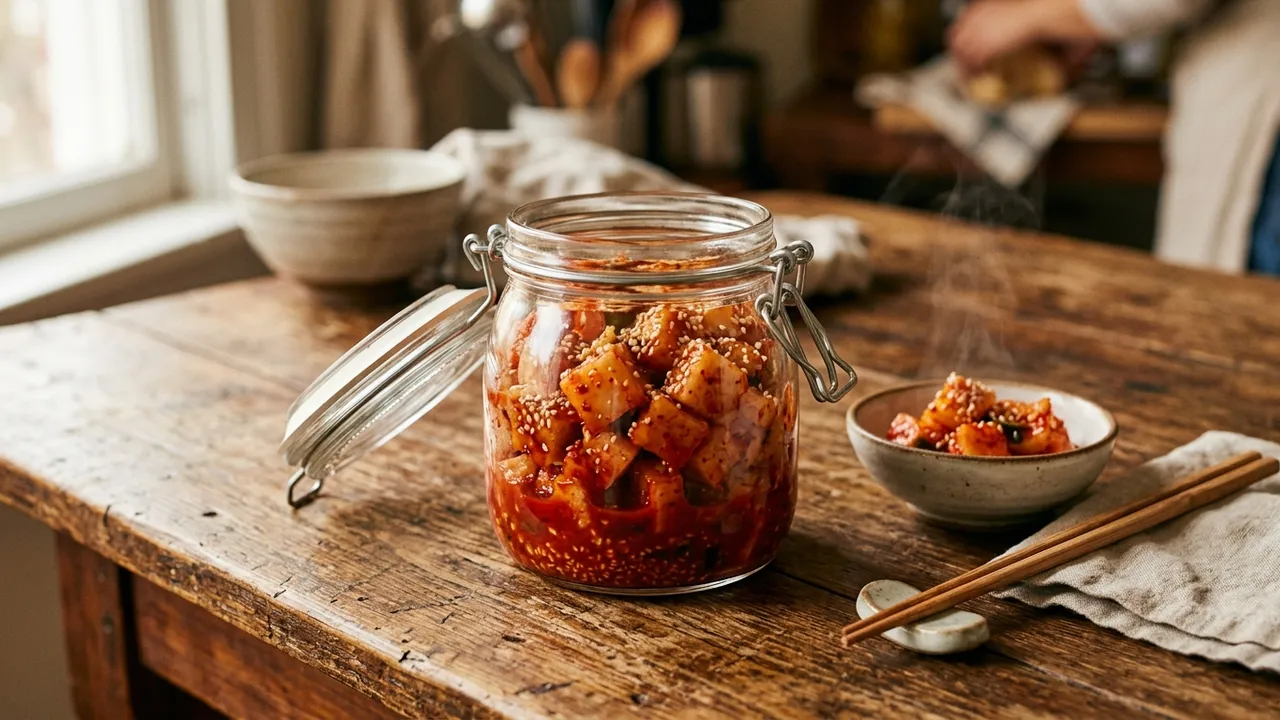
* 이미지는 AI가 생성한 참고 이미지로, 실제 조리 결과물과 다를 수 있습니다.
Gamja-jorim (braised potatoes) is a beloved Korean side dish, cherished for its chewy texture and sweet and savory flavor. By marinating 500g of potatoes in 4 tablespoons of corn syrup for 20 minutes, you can achieve a firm, chewy texture that won't fall apart during cooking. We'll introduce you to this golden ratio recipe for gamja-jorim, enhanced with Cheongyang gochu (청양고추, Korean green chili peppers) and onions for added depth of flavor.
📝 Editor's Notes
You can create a chewy, non-crumbling, golden braised potato dish in just 30 minutes using seasonal new potatoes.
The secret marinating method with corn syrup results in a sweet and spicy flavor that's perfect not only as a side dish for rice but also for lunchboxes.
The exquisite harmony of the potatoes' chewy texture and the seasoning will surely make for a satisfying meal that the whole family will love.
🛒 Ingredient Tips
It's important to choose potatoes with smooth, firm skin and no sprouts.
Seasonal new potatoes are particularly delicious for braising as they have high moisture content and sweetness.
Medium-sized potatoes are generally more convenient for cooking than very large or small ones.
For Cheongyang gochu (청양고추), look for glossy and firm ones, and for onions, choose those with thin, shiny skin that aren't soft.
Remember that good ingredients are the foundation of delicious cooking!
🔄 Substitution Guide
You can also use root vegetables like lotus root or burdock root instead of potatoes.
Braised lotus root (yeonkeun-jorim) or braised burdock root (ueong-jorim) also have excellent chewy textures and can offer a similar flavor profile.
If you don't have tuna essence (참치액), you can substitute with 0.5 tablespoon of anchovy sauce (myeolchi-aekjeot) for umami, but be aware that it might be saltier than tuna essence, so adjust the amount accordingly.
If you dislike spicy food, use Kkari-gochu (꽈리고추, shishito peppers) instead of Cheongyang gochu (청양고추) or omit them entirely.
For children, adding a little more sugar to adjust the sweetness is also a good idea.
🥘 Ingredients
👨🍳 Cooking Points
The key to this gamja-jorim is the "potato marination process." Slicing 500g of potatoes and marinating them in 4 tablespoons of corn syrup for 20 minutes draws out moisture, preventing them from crumbling during cooking and ensuring a chewy texture.
The second point is "pot selection." Using a thick-bottomed pot with a lid allows the potatoes to braise solely in their own moisture, maximizing the savory flavor.
Finally, after bringing to a boil over high heat, reduce to low, cover, and simmer for two intervals of 5 minutes each; this is the secret to cooking the potatoes until tender.
Be careful not to overcook on high heat for too long, as the seasoning might burn or the potatoes might fall apart.
👨🍳 Directions
Peel 500g of potatoes and slice them into round, flat pieces. (If the potatoes are large, cut them in half before slicing.)
Briefly soak the sliced potatoes in water to remove excess starch.
Cut half an onion (150g) in half again, then chop it into large, rough pieces suitable for braising.
Roughly chop one of the two Cheongyang gochu (청양고추), and thinly julienne the other.
Drain the soaked potatoes and remove excess water. Then, add 4 tablespoons of corn syrup and marinate for 20 minutes. This process draws out moisture from the potatoes, making them chewy.
In a thick-bottomed pot with a lid, combine the marinated potatoes, along with any liquid produced during marination, 2 tablespoons of soy sauce, 0.5 tablespoon of tuna essence (참치액), 1 tablespoon of Gochugaru (고춧가루), 2 tablespoons of olive oil, and 1 tablespoon of minced garlic.
Stir the ingredients and seasonings well to combine. Place the pot over high heat. Once it starts boiling vigorously, reduce the heat to the lowest setting, cover with a lid, and simmer for 5 minutes.
After 5 minutes, open the lid and gently flip the potatoes to ensure they are evenly coated with the seasoning.
Add the roughly chopped onion and Cheongyang gochu (청양고추). Cover again and simmer for another 5 minutes over low heat.
Pick out a potato and taste it to check if it's soft and chewy and cooked through. If you prefer them very tender, add a little more water and continue to simmer gently until done.
If you prefer a dish with less liquid and more reduction, turn up the heat to high and reduce the sauce until it thickens.
Finally, garnish with the thinly julienned Cheongyang gochu (청양고추) for a clean, spicy kick.
💡 Tips
Marinating potatoes in corn syrup beforehand extracts moisture, preventing them from falling apart during braising and maintaining a chewy texture.
Using a thick-bottomed pot with a lid allows the potatoes to braise in their own moisture, maximizing their chewy texture and flavor.
If you're concerned the sauce might dry out or burn during braising, you can add a little water.
Freshly made gamja-jorim (braised potatoes) is delicious, but it tastes even better once cooled, as the starch becomes chewier.
📦 Storage & Reuse
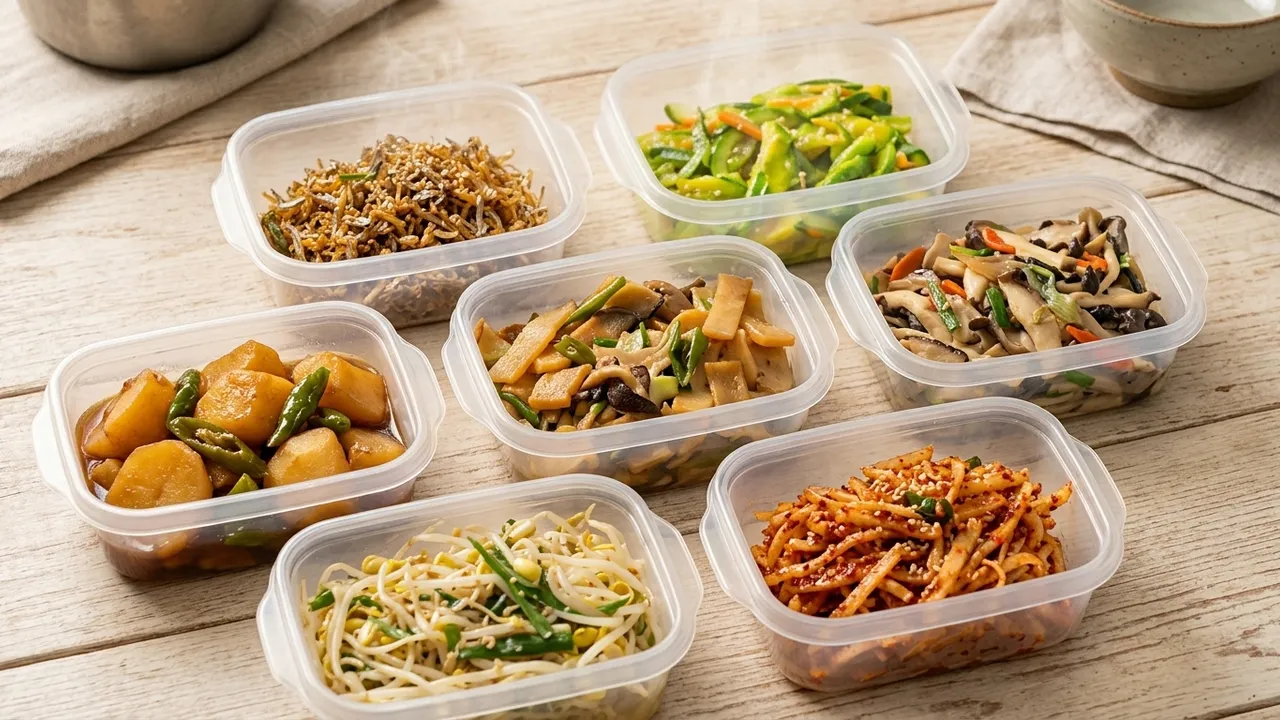
Store the finished gamja-jorim in an airtight container in the refrigerator for 3-4 days to enjoy its deliciousness.
Freezing is also possible, but the texture of the potatoes might become a bit soft upon thawing, so refrigeration and prompt consumption are recommended.
To reheat, microwave for 1-2 minutes or gently stir-fry over low heat to enjoy the original taste.
Leftover gamja-jorim can also be stir-fried with rice to make fried rice, or used as a filling for Gimbap (김밥) for a unique twist.
🥢 Who This Is For
This chewy gamja-jorim is truly a "rice thief" when eaten with warm rice.
Its sweet and spicy flavor is well-suited for children's palates, and for adults, it will be a comforting side dish that evokes nostalgia.
Serve it over steaming white rice, or accompany it with warm Doenjang-jjigae (된장찌개, soybean paste stew) or Miyeokguk (미역국, seaweed soup) for an even richer meal.
🔥 Nutrition Info
This gamja-jorim recipe, estimated for about 4 servings, would provide approximately 200-250 calories per serving.
It's estimated to contain about 40-50g of carbohydrates, 5-7g of protein, and 5-8g of fat.
Potatoes are rich in Vitamin C and potassium, which can help with fatigue recovery and sodium excretion.
Additionally, the capsaicin in Cheongyang gochu (청양고추) can be expected to boost metabolism.
Enjoy this healthy and delicious side dish.
💬 Frequently Asked Questions
- Q. What ingredients do I need for Chewy and Intact Braised Potatoes: The Golden Ratio Secret Recipe?
- Main ingredients include Potatoes, Cheongyang gochu (청양고추), Onion, Corn syrup, Soy sauce. It's important to choose potatoes with smooth, firm skin and no sprouts. Seasonal new potatoes are particularly delicious for braising as they have high moisture content and sweetness. Medium-sized potatoes are generally more convenient for cooking than very large or small ones. For Cheongyang gochu (청양고추), look for glossy and firm ones, and for onions, choose those with thin, shiny skin that aren't soft. Remember that good ingredients are the foundation of delicious cooking!
- Q. What are the key tips for making Chewy and Intact Braised Potatoes: The Golden Ratio Secret Recipe?
- The key to this gamja-jorim is the "potato marination process." Slicing 500g of potatoes and marinating them in 4 tablespoons of corn syrup for 20 minutes draws out moisture, preventing them from crumbling during cooking and ensuring a chewy texture. The second point is "pot selection." Using a thick-bottomed pot with a lid allows the potatoes to braise solely in their own moisture, maximizing the savory flavor. Finally, after bringing to a boil over high heat, reduce to low, cover, and simmer for two intervals of 5 minutes each; this is the secret to cooking the potatoes until tender. Be careful not to overcook on high heat for too long, as the seasoning might burn or the potatoes might fall apart.
- Q. How should I store leftover Chewy and Intact Braised Potatoes: The Golden Ratio Secret Recipe?
- Store the finished gamja-jorim in an airtight container in the refrigerator for 3-4 days to enjoy its deliciousness. Freezing is also possible, but the texture of the potatoes might become a bit soft upon thawing, so refrigeration and prompt consumption are recommended. To reheat, microwave for 1-2 minutes or gently stir-fry over low heat to enjoy the original taste. Leftover gamja-jorim can also be stir-fried with rice to make fried rice, or used as a filling for Gimbap (김밥) for a unique twist.
- Q. How many calories are in Chewy and Intact Braised Potatoes: The Golden Ratio Secret Recipe?
- This gamja-jorim recipe, estimated for about 4 servings, would provide approximately 200-250 calories per serving. It's estimated to contain about 40-50g of carbohydrates, 5-7g of protein, and 5-8g of fat. Potatoes are rich in Vitamin C and potassium, which can help with fatigue recovery and sodium excretion. Additionally, the capsaicin in Cheongyang gochu (청양고추) can be expected to boost metabolism. Enjoy this healthy and delicious side dish.
- Q. Can I substitute ingredients in Chewy and Intact Braised Potatoes: The Golden Ratio Secret Recipe?
- You can also use root vegetables like lotus root or burdock root instead of potatoes. Braised lotus root (yeonkeun-jorim) or braised burdock root (ueong-jorim) also have excellent chewy textures and can offer a similar flavor profile. If you don't have tuna essence (참치액), you can substitute with 0.5 tablespoon of anchovy sauce (myeolchi-aekjeot) for umami, but be aware that it might be saltier than tuna essence, so adjust the amount accordingly. If you dislike spicy food, use Kkari-gochu (꽈리고추, shishito peppers) instead of Cheongyang gochu (청양고추) or omit them entirely. For children, adding a little more sugar to adjust the sweetness is also a good idea.
💬 Comments
No comments yet. Be the first to comment!