
Lee Sun-min's Thrifty 30-Minute Home Meal with Leftover Ingr
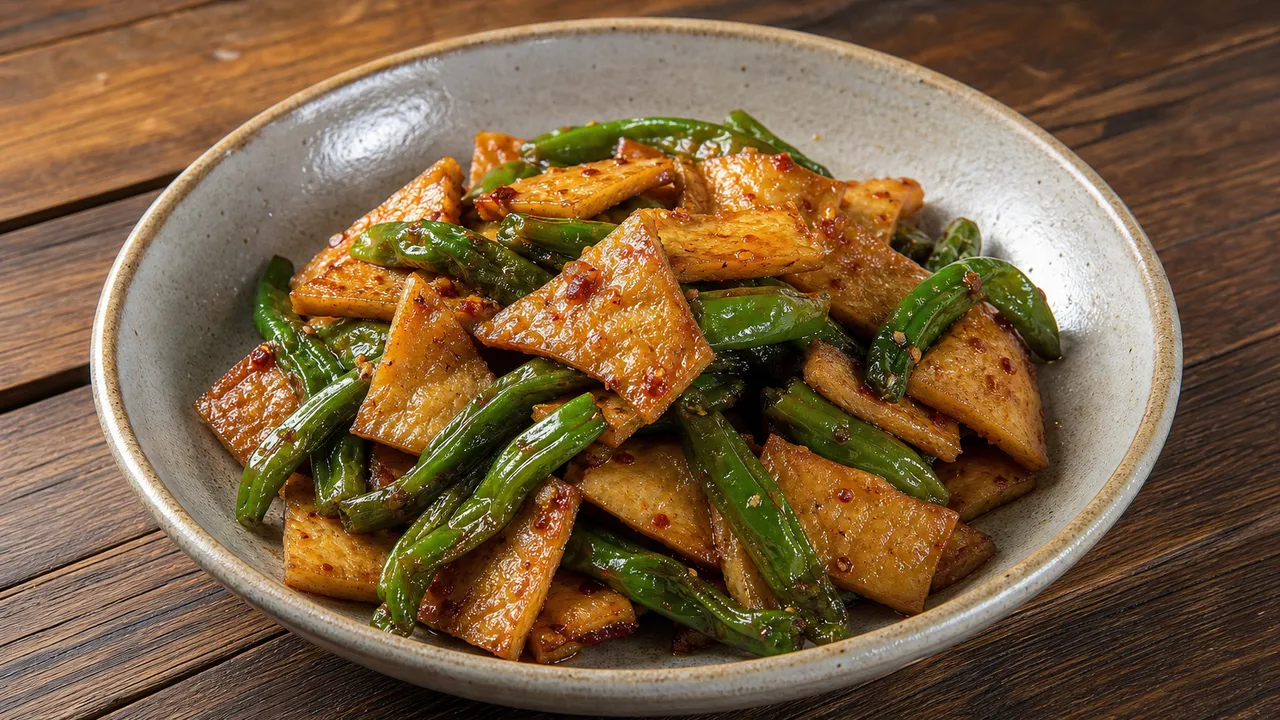
* 이미지는 AI가 생성한 참고 이미지로, 실제 조리 결과물과 다를 수 있습니다.
Comedian Lee Sun-min, an independent living veteran of 19 years, shares her daily life enjoying a hearty home meal by making Jeyuk-bokkeum (Spicy Stir-fried Pork) and Baechu Doenjang-guk (Napa Cabbage Doenjang Soup) in just 30 minutes, using leftover ingredients from her fridge.
📋 3 recipes — Select to view
Comedian Lee Sun-min, who has lived alone for 19 years, introduces her daily life of enjoying a hearty home-cooked meal, completing Jeyuk-bokkeum and Cabbage Doenjang-guk in just 30 minutes using leftover ingredients from her refrigerator.
📝 Editor's Notes
Comedian Lee Sun-min's Jeyuk-bokkeum and Cabbage Doenjang-guk, from her 19 years of living alone, offer a hearty Korean home-cooked meal prepared in just 30 minutes using leftover ingredients from the refrigerator.
The spicy and sweet Jeyuk-bokkeum paired with the refreshing and savory Cabbage Doenjang-guk is one of the most beloved combinations in Korea.
This recipe is perfect for those who want to enjoy a hearty and warm home-cooked meal even with a busy schedule.
The wisdom of cleverly utilizing leftover ingredients truly stands out, making it highly recommended for those living alone or preferring practical meal plans.
It's great year-round, but especially appealing on chilly days when a warm soup and spicy main dish are most comforting.
🛒 Ingredient Tips
The core ingredients for this recipe are undoubtedly pork and baby napa cabbage.
For pork, it's best to choose cuts with a good balance of lean meat and fat, such as pork shoulder or front leg.
Too much or too little fat can disrupt the flavor balance.
Fresh pork should have a vibrant red color, be firm to the touch, and have no unpleasant odor.
For baby napa cabbage, select those with fresh, firm leaves and a yellowish core when cut, as these tend to be sweeter and tastier.
Avoid cabbages with wilted outer leaves or black spots.
They are especially delicious when in season from autumn to winter.
For whole garlic cloves, choose large, firm ones without sprouts to ensure the freshest aroma.
🔄 Substitution Guide
For a different flavor profile, you can substitute pork with chicken thighs, creating a Dakgalbi (닭갈비)-style dish.
Chicken thighs are leaner and more tender than pork, appealing to those who prefer a milder taste.
However, chicken may take slightly longer to cook than pork, so adjust cooking times accordingly.
If you have allergies or prefer a vegetarian option, try using thick king oyster mushrooms or shiitake mushrooms instead of pork.
Their chewy texture and unique mushroom aroma pair well with the spicy seasoning, offering a distinct version of Jeyuk-bokkeum.
If baby napa cabbage for Doenjang-guk (된장국) is unavailable, daikon radish or zucchini can be good substitutes.
Daikon radish will add a refreshing taste, while zucchini will provide a subtle sweetness.
If you don't have homemade doenjang (된장), commercial doenjang is acceptable, but it might lack the deep, savory flavor characteristic of homemade varieties.
🥘 Ingredients
👨🍳 Cooking Points
There are two crucial cooking points for this dish.
First, when preparing the Jeyuk-bokkeum seasoning, crush whole garlic cloves in a mortar.
This provides a much fresher and richer garlic aroma than minced garlic.
Make sure to marinate the meat for exactly 10 minutes.
Even this short period allows the seasoning to penetrate the meat, resulting in a deeper flavor.
Second, it's essential to properly extract the broth for the Cabbage Doenjang-guk (된장국).
Kelp and anchovy broth is the fundamental and core element of any soup dish.
Simmer over medium heat for at least 10 minutes to develop a deep umami flavor.
A well-prepared broth significantly enhances the taste of the doenjang-guk.
Finally, when stir-frying the Jeyuk-bokkeum, use high heat and stir-fry quickly to prevent the meat from becoming tough and to preserve its juices.
Onions and cheongyang chili peppers should be added when the meat is almost cooked to maintain their crisp texture.
👨🍳 Directions
Pour rice into a rice cooker, rinse it by eye, add water, and cook for 30 minutes.
Fill a pot with water, add kelp and anchovies, and simmer to make broth. Once the broth is ready, remove the solids.
Place leftover pork from the refrigerator into a bowl. Wash the whole garlic cloves, chop them roughly, and crush them in a mortar.
To the crushed garlic, add black pepper, soy sauce, sugar, and gochujang (고추장) by eye, and mix to make a seasoning sauce. Pour the sauce over the pork and marinate in the refrigerator for about 10 minutes.
Add 1 tbsp of doenjang (된장) to the prepared broth and mix well. Then, add the roughly chopped baby napa cabbage and boil to make Cabbage Doenjang-guk.
Place the marinated pork in a frying pan and stir-fry. Add the roughly chopped onion and cheongyang chili pepper and continue to stir-fry until golden brown to make Jeyuk-bokkeum.
Serve the rice, finished Jeyuk-bokkeum, and Cabbage Doenjang-guk generously in bowls, accompanied by lettuce and ssamjang (쌈장) for a hearty meal.
After the meal, peel and eat the Korean melon for dessert. For the ice cream, melt it by holding it against your forehead before eating, then discard the wrapper in the trash and wash the empty dishes immediately.
💡 Tips
Maintain an economical lifestyle by utilizing leftover ingredients in your cooking instead of discarding them.
Instead of minced garlic, crushing whole garlic cloves in a mortar will enhance the fresh garlic aroma and flavor.
Marinating the seasoned meat for a short while allows the flavors to penetrate, resulting in a deeper taste.
To add a deep umami flavor to the doenjang-guk (된장국) broth, make sure to simmer the anchovies and kelp sufficiently.
📦 Storage & Reuse
Store finished Jeyuk-bokkeum in an airtight container in the refrigerator for 2-3 days.
For longer storage, portion it out and freeze for up to one month.
After thawing, stir-fry again in a pan to reheat.
Cabbage Doenjang-guk is also best consumed within 2-3 days when refrigerated; reheat slowly over low heat.
Leftover Jeyuk-bokkeum can be stir-fried with rice to make Jeyuk-deopbap (spicy pork over rice) or with kimchi (김치) to make Jeyuk Kimchi Bokkeum-bap (spicy pork kimchi fried rice), both are delicious.
Leftover baby napa cabbage can be used to make geotjeori (겉절이, fresh kimchi salad) or added to other soup dishes for resourceful use.
🥢 Who This Is For
This hearty meal is especially recommended for those living alone or newlywed couples who wish to enjoy a proper home-cooked meal amidst their busy lives.
The spicy Jeyuk-bokkeum will help relieve stress, while the refreshing doenjang-guk (된장국) will soothe your stomach.
It's also ample enough for the whole family to enjoy together.
For side dishes, besides ssam vegetables (쌈 채소), adding steamed eggs (gyeran-jjim, 계란찜) or pan-fried tofu (dubu-buchim, 두부부침) can further boost protein intake.
Serving with refreshing dongchimi (동치미, radish water kimchi) or kkakdugi (깍두기, diced radish kimchi) will complete a perfect Korean dining table.
It's the best choice for a simple yet lovingly prepared meal.
🔥 Nutrition Info
Lee Sun-min's Jeyuk-bokkeum and Cabbage Doenjang-guk meal is estimated to be approximately 600-700 kcal per serving.
Pork (based on front leg cut) provides about 30g of protein and 20g of fat, while rice supplies approximately 70g of carbohydrates.
The baby napa cabbage in the Doenjang-guk (된장국) is rich in Vitamin C and dietary fiber, and doenjang (된장) contains probiotics and various amino acids.
Garlic and chili peppers add antioxidants and vitamins, ensuring a generally balanced nutritional intake.
Specifically, the Vitamin B1 in pork aids in fatigue recovery, and its rich iron content is effective in preventing anemia.
The combination of various vegetables and meat offers sufficient nutrition for a complete meal.
💬 Frequently Asked Questions
- Q. What ingredients do I need for Lee Sun-min's Thrifty 30-Minute Home Meal with Leftover Ingredients: A Perfect Holiday Healing Spread Recipe?
- Main ingredients include Rice, Dried kelp (dashima), Dried anchovies (myeolchi), Baby napa cabbage, Whole garlic cloves. Pork is the most crucial ingredient for Jeyuk-bokkeum (제육볶음). Using pork shoulder (moksal) or front leg (apdari-sal) with a good balance of fat and lean meat will result in a more tender and flavorful dish. Fresh pork should be bright red, firm, and odorless, so be sure to check these qualities. For the doenjang (된장) soup, choose baby napa cabbage with yellow inner leaves and a tender texture for a sweeter and more refreshing soup. It's best to select cabbage with leaves that are not too thick or tough, and ensure the outer leaves are clean and unblemished. For whole garlic cloves, choose those that are plump, firm, and easy to peel, as these are freshest. Pounding them in a mortar will add a much fresher and more pungent aroma than using pre-minced garlic.
- Q. What are the key tips for making Lee Sun-min's Thrifty 30-Minute Home Meal with Leftover Ingredients: A Perfect Holiday Healing Spread Recipe?
- There are three crucial cooking points for this dish. First, it's important to thoroughly simmer the broth for the doenjang (된장) soup. Add dried anchovies (myeolchi) and dried kelp (dashima) and simmer over medium heat for about 10 minutes to extract a deep flavor. A well-extracted broth is key to the umami of the doenjang (된장) soup. Second, be sure to marinate the pork for the specified time. Marinating for at least 10 minutes allows the seasoning to penetrate the meat, resulting in a deeper and richer flavor. Even if you're in a hurry, don't skip this step. Lastly, when stir-frying the Jeyuk-bokkeum (제육볶음), cook it quickly over high heat to prevent the meat from becoming tough and to retain its juices. Add the onion and Cheongyang chili peppers (청양고추) when the meat is almost cooked and stir-fry briefly to maintain their crisp texture.
- Q. How should I store leftover Lee Sun-min's Thrifty 30-Minute Home Meal with Leftover Ingredients: A Perfect Holiday Healing Spread Recipe?
- The finished Jeyuk-bokkeum (제육볶음) and Baechu Doenjang-guk (배추된장국) can be stored in airtight containers in the refrigerator for 2-3 days. Jeyuk-bokkeum (제육볶음) can also be frozen, but the texture might become slightly tougher after thawing compared to when it was freshly made. Doenjang-guk (된장국) may change in flavor when frozen, so it's best to store it in the refrigerator and consume it quickly. To reheat, stir-fry the Jeyuk-bokkeum (제육볶음) again in a pan over low heat, and heat the Doenjang-guk (된장국) in a pot over medium heat. Leftover Jeyuk-bokkeum (제육볶음) is also delicious mixed with rice or stir-fried with kimchi (김치) to make a rice bowl.
- Q. How many calories are in Lee Sun-min's Thrifty 30-Minute Home Meal with Leftover Ingredients: A Perfect Holiday Healing Spread Recipe?
- This recipe is estimated to be approximately 600-750 kcal per serving. The main dish, Jeyuk-bokkeum (Spicy Stir-fried Pork), provides about 30-40g of protein and 25-35g of fat, while rice and the sugar/gochujang (고추장) in the seasoning contribute about 60-80g of carbohydrates. Baechu Doenjang-guk (Napa Cabbage Doenjang Soup) is relatively low in calories but supplements with dietary fiber, vitamin C, and calcium. Pork, in particular, is rich in B vitamins, aiding in fatigue recovery, and contains iron, which helps prevent anemia. Allicin and capsaicin compounds in garlic and chili peppers contribute to immune system strengthening and metabolic boost, while baby napa cabbage, rich in water and dietary fiber, aids digestion and promotes gut health. Overall, this Korean meal provides a balanced nutritional intake.
- Q. Can I substitute ingredients in Lee Sun-min's Thrifty 30-Minute Home Meal with Leftover Ingredients: A Perfect Holiday Healing Spread Recipe?
- If you don't have pork or prefer not to eat it, you can substitute chicken (thigh or breast) or beef (for bulgogi) and marinate it in the Jeyuk-bokkeum (제육볶음) sauce before stir-frying. Chicken will offer a lighter flavor, while beef will provide a different richness. Instead of baby napa cabbage, you can use spinach, Swiss chard, or dried radish greens (siraegi) to make the doenjang (된장) soup. Each vegetable will add its unique taste and aroma, bringing a new charm to the soup. However, siraegi might require the extra step of pre-boiling. If you don't have homemade doenjang (된장), commercial doenjang (된장) can be used, but keep in mind that it may lack the distinct deep and savory flavor of homemade doenjang (된장).




💬 Comments
No comments yet. Be the first to comment!